Understanding division Grade 2 Addition & Subtraction Worksheets
5 filtered results
-
From - To
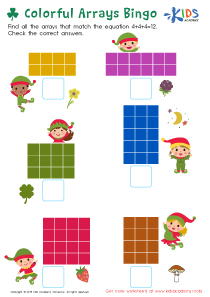
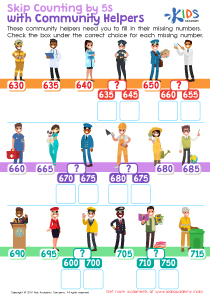
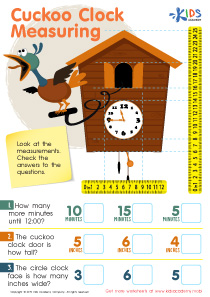
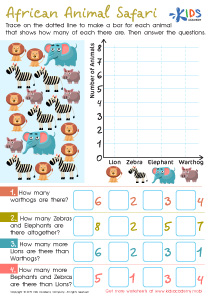
Discover the fun and engaging world of division with our Grade 2 Addition & Subtraction Worksheets. "Understanding Division" helps young learners transition smoothly from addition and subtraction to the basics of division. Through colorful exercises and simple problems, children grasp the concept of dividing whole numbers. These worksheets build critical-thinking skills and boost confidence in math. Each printable is designed to make learning enjoyable, supporting students step-by-step. Ideal for classroom use or at-home practice, this resource ensures a solid foundation in mathematics for your second grader. Join us at Kids Academy to make division a delightful journey!
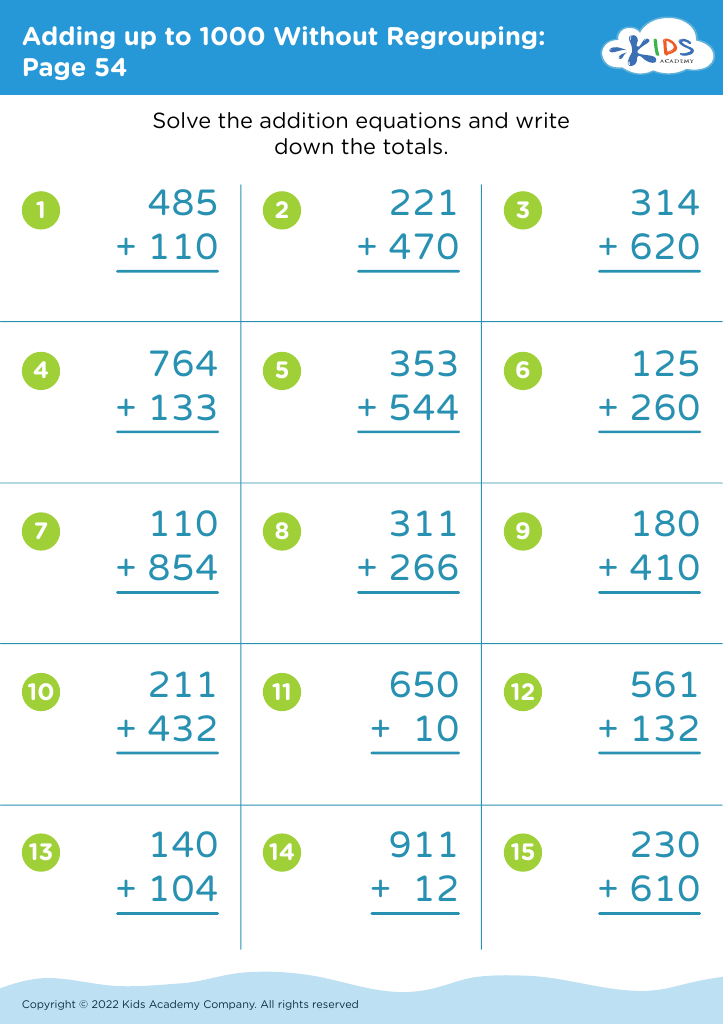
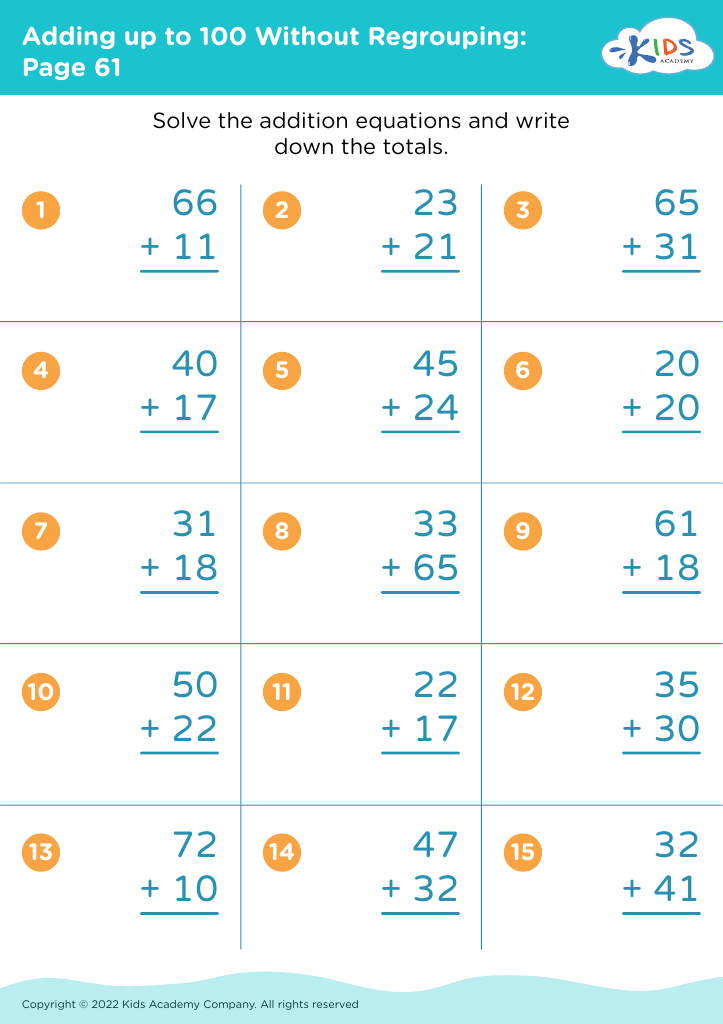
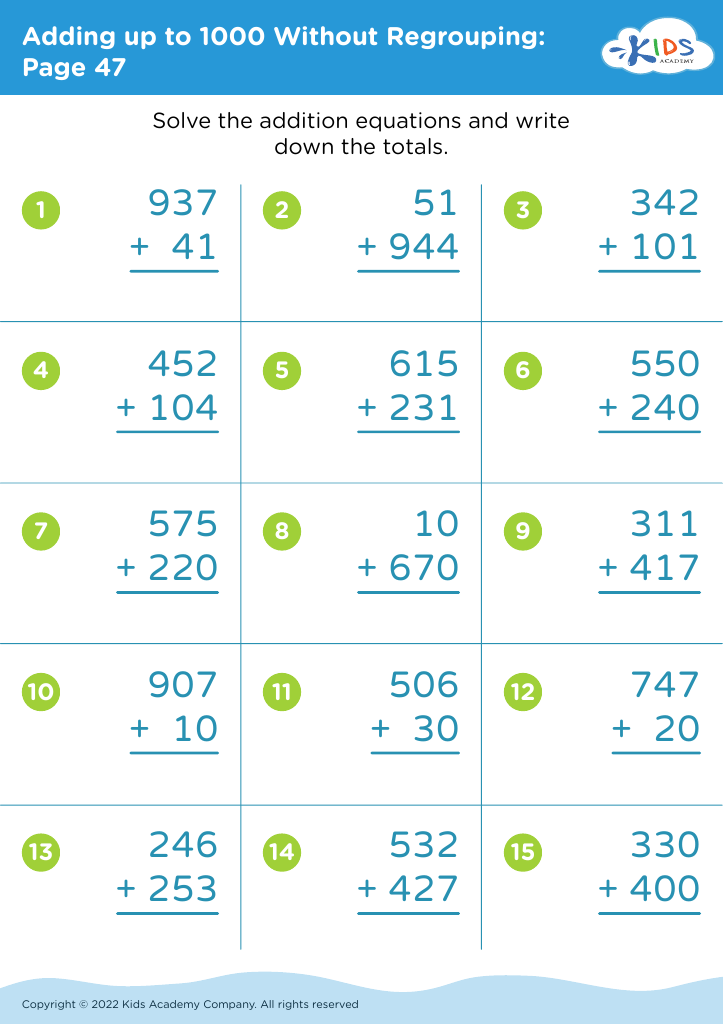
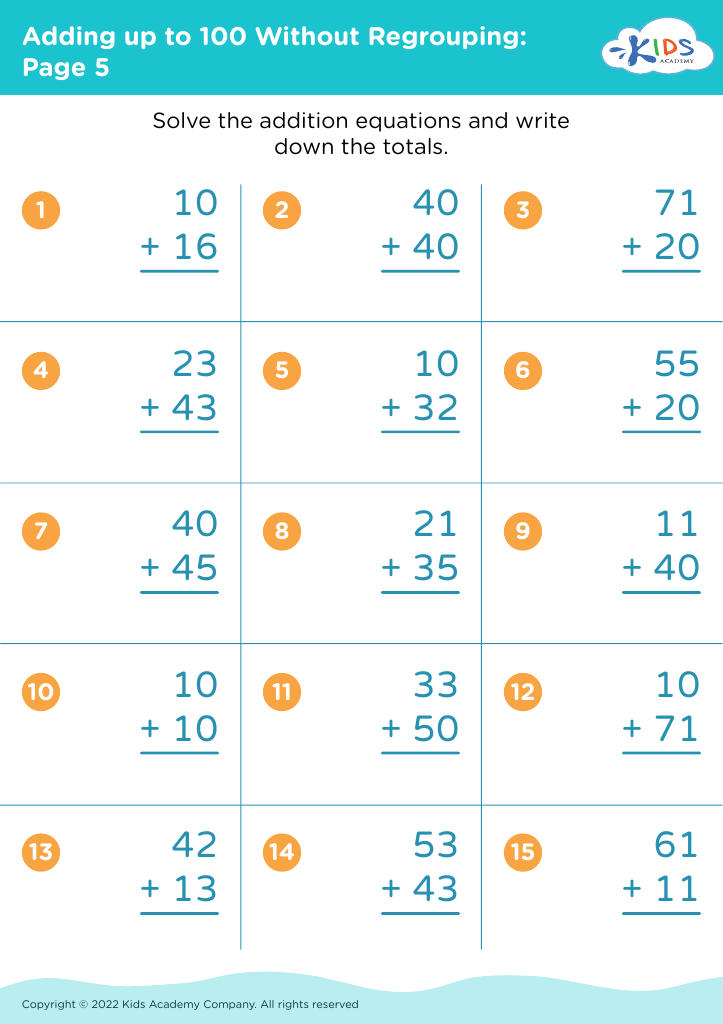
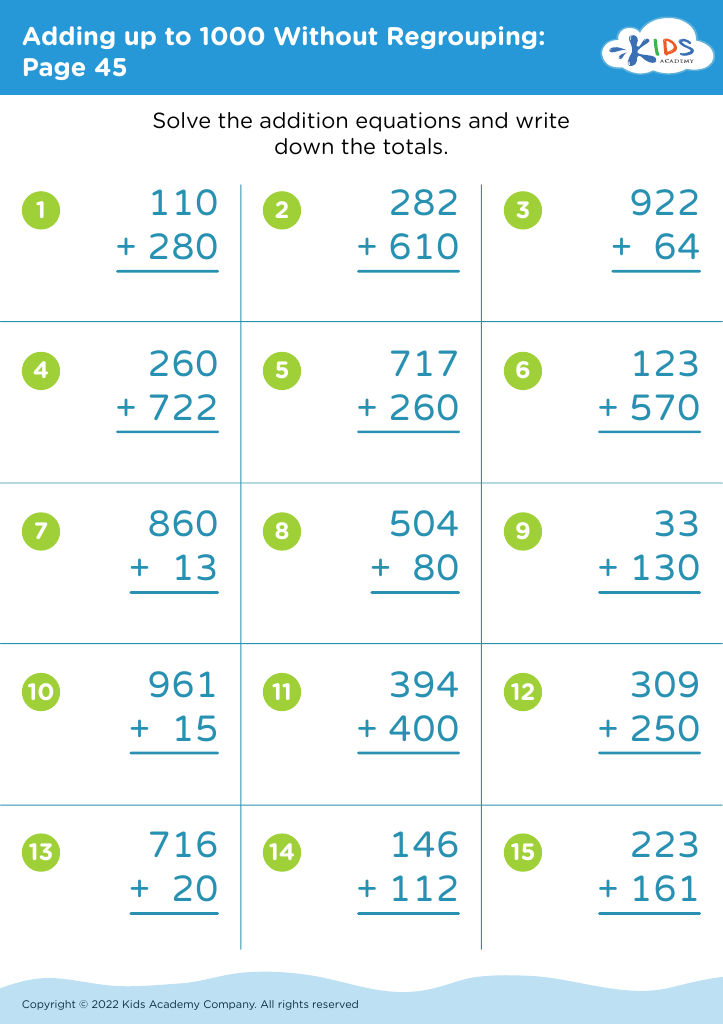








Understanding division, as well as addition and subtraction, is foundational for Grade 2 students and critical for their future math success. Initially, children learn the basics of addition and subtraction, which are essential arithmetic operations that form the cornerstone of more advanced mathematical concepts. Mastering these skills allows students to advance to more complicated subjects with confidence and competence.
Division, though typically introduced later, is equally important. It provides a basis for understanding how objects or numbers can be broken down into equal parts, a concept that is fundamental in everyday life problems, such as sharing and distribution. When children grasp the principles of division early on, they improve their problem-solving skills and logical thinking. This also enhances their ability to understand and perform multiplication, as division is inherently connected to it.
Teachers and parents should emphasize these concepts because fluency in basic arithmetic operations supports a child’s transition to more advanced topics in later grades, such as fractions, ratios, and algebra. Providing a solid grounding in these areas will allow students to develop a positive attitude towards math, reduce anxiety, and foster a lifelong ability to think critically and solve problems efficiently. By supporting early math education, parents and teachers set the stage for academic success across all subjects.