Understanding equations Grade 2 Addition & Subtraction Worksheets
5 filtered results
-
From - To
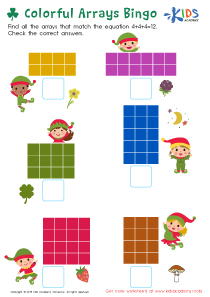
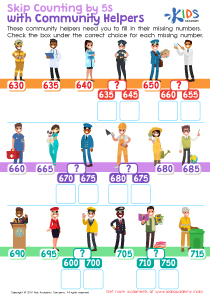
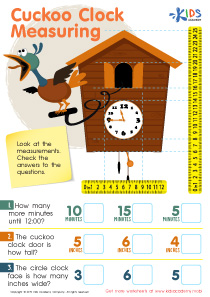
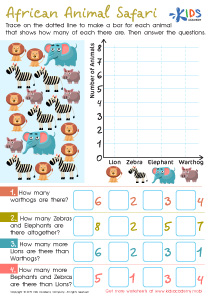
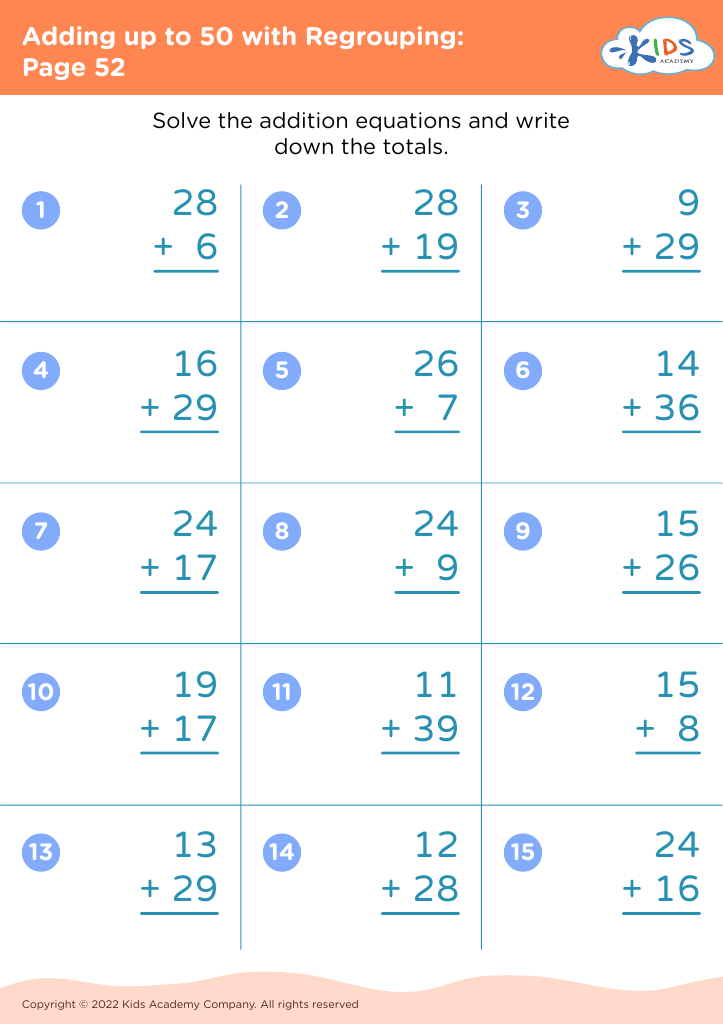
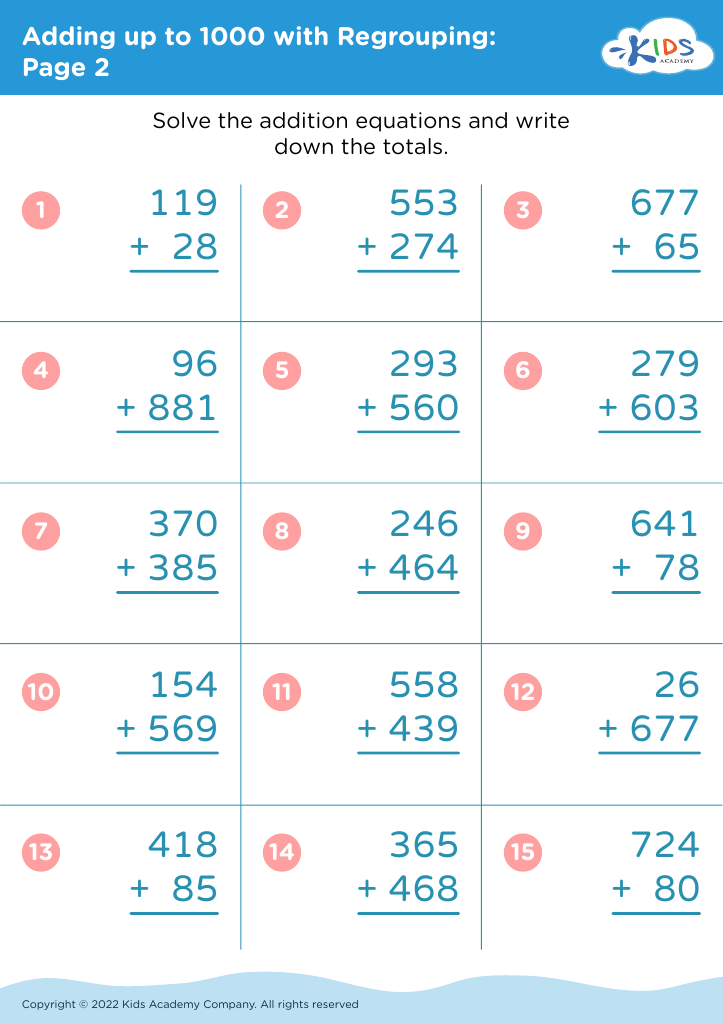
Explore our "Understanding Equations: Grade 2 Addition & Subtraction Worksheets" designed to enhance students' mastery of fundamental math concepts. These engaging, printable worksheets help second graders develop a solid understanding of mathematical equations, focusing on addition and subtraction skills. Students will learn to interpret and solve various equations using visual aids and interactive exercises. With a variety of formats, including word problems and mental math challenges, our worksheets cater to different learning styles, ensuring every child can thrive. Foster your child's confidence in math with our fun and effective resources, perfect for both classroom use and at-home practice!
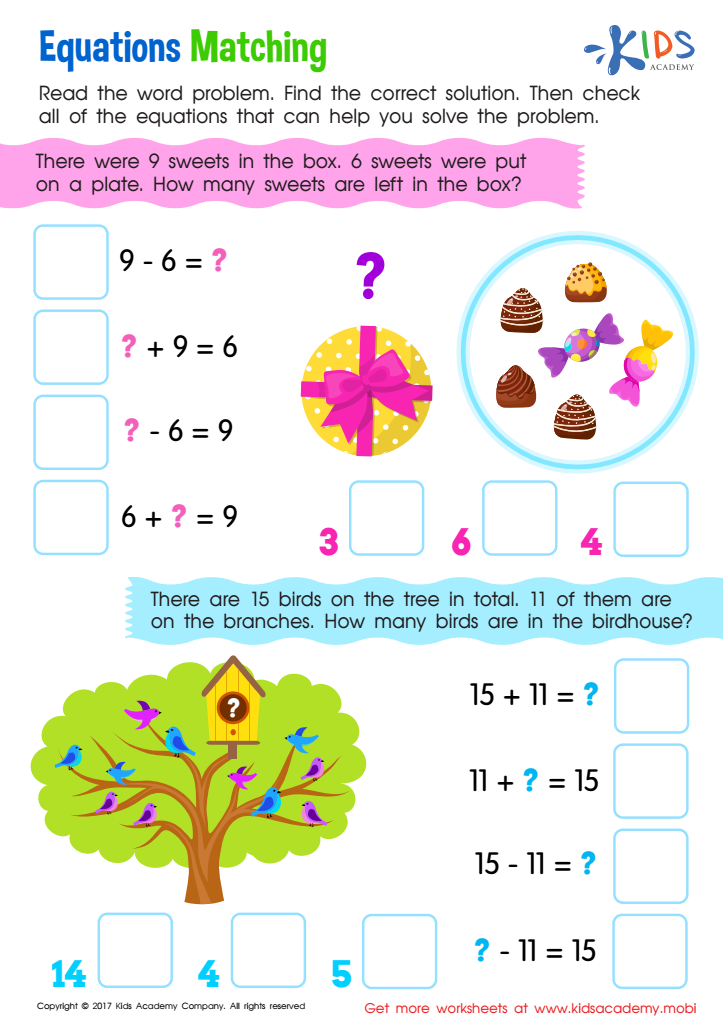
Equations Matching Word Problems Worksheet
 Assign to My Students
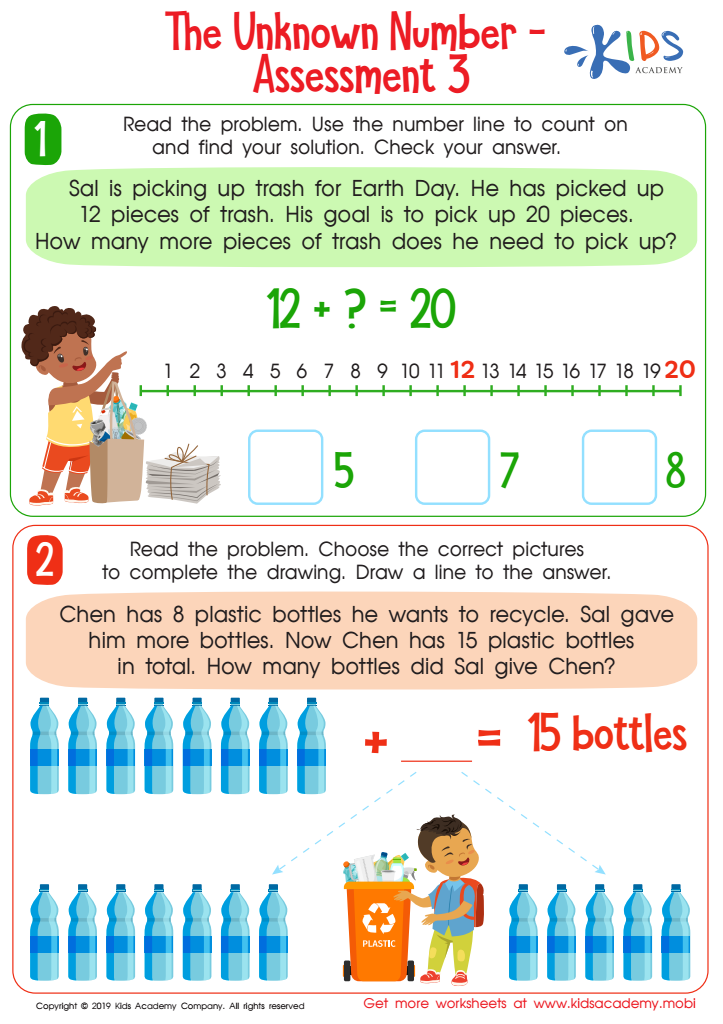
The Unknown Number - Assessment 3 Worksheet
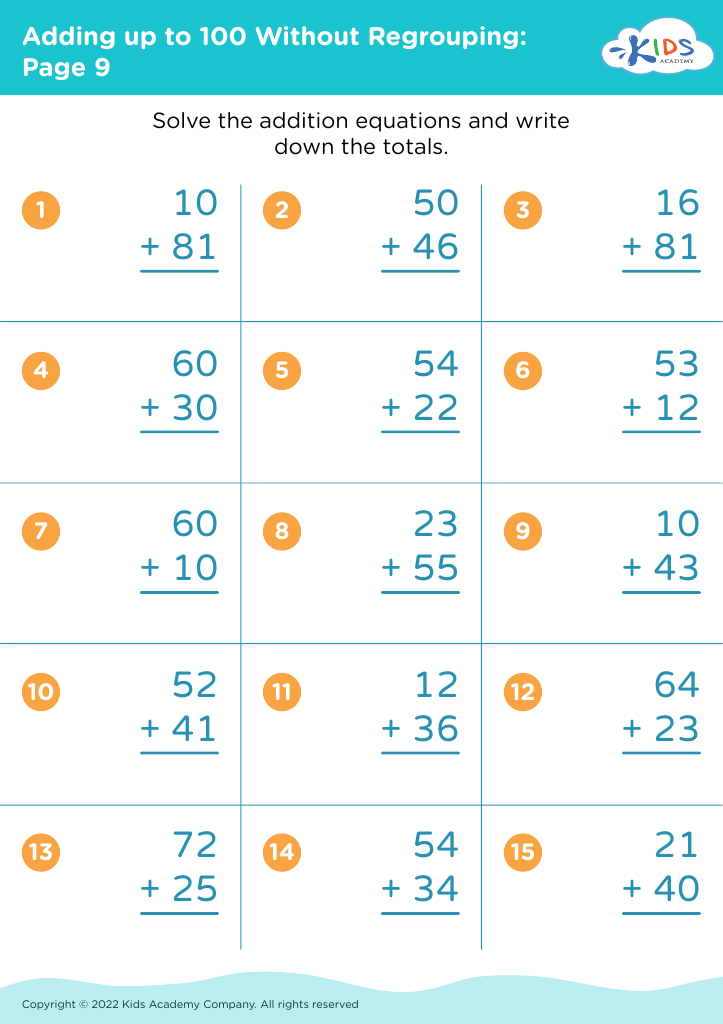








Understanding equations, particularly in the context of Grade 2 addition and subtraction, is foundational for young learners. At this age, students start to build a strong conceptual understanding of mathematics, which sets the tone for their future learning.
When parents and teachers emphasize the importance of understanding equations, they encourage students to see math as a logical and structured language rather than just a set of rules to memorize. This understanding fosters critical thinking skills, enabling children to compare and contrast different ways of solving problems. It also highlights the relationships between numbers, which helps in developing fluency and flexibility in mathematical thinking.
In Grade 2, students encounter various forms of equations, like simple addition and subtraction statements. Grasping how to manipulate these equations helps them tackle more complex math challenges in subsequent grades. Furthermore, when children are supported in their mathematical exploration, it boosts their confidence and promotes a positive attitude toward learning.
Ultimately, a robust foundation in understanding equations enhances a child’s ability to solve problems in math but also applies to daily life scenarios. Parents and teachers play a crucial role in nurturing this understanding, ensuring that students not only learn to compute but also comprehend the underlying concepts.