Visual discrimination Grade 2 Addition & Subtraction Worksheets
4 filtered results
Difficulty Level
Grade
Age
-
From - To
Subject
Activity
Standards
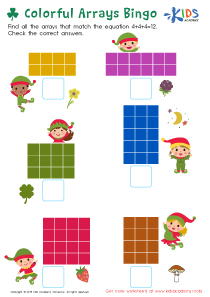
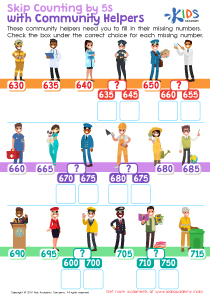
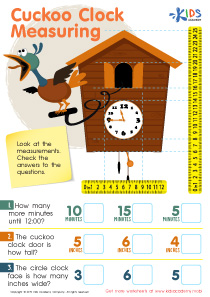
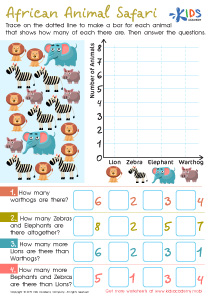
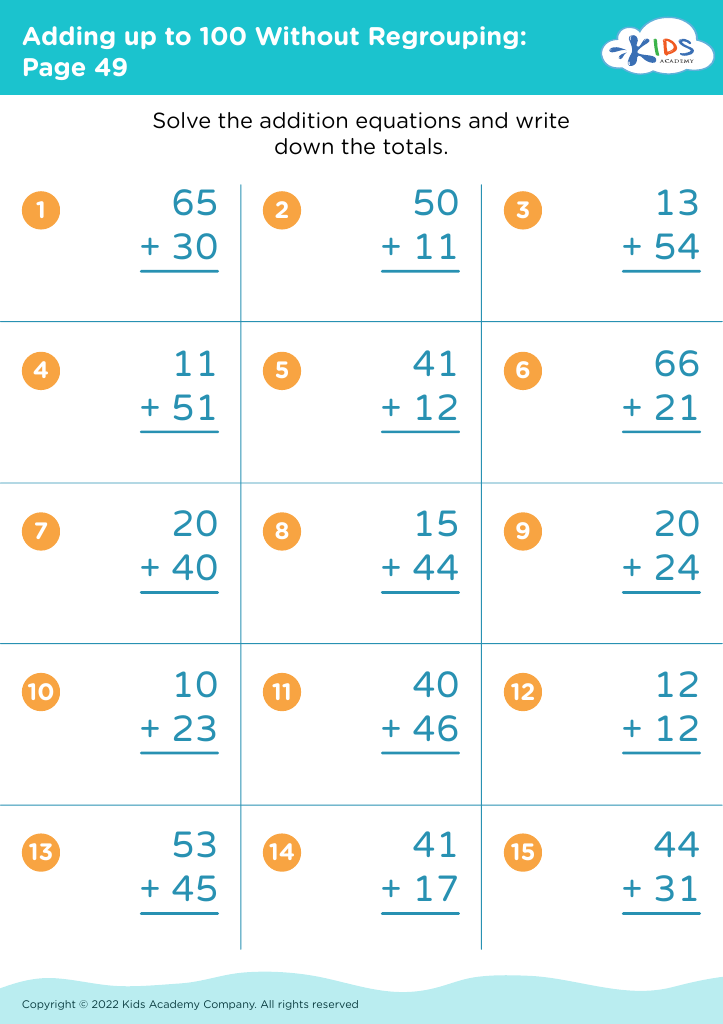
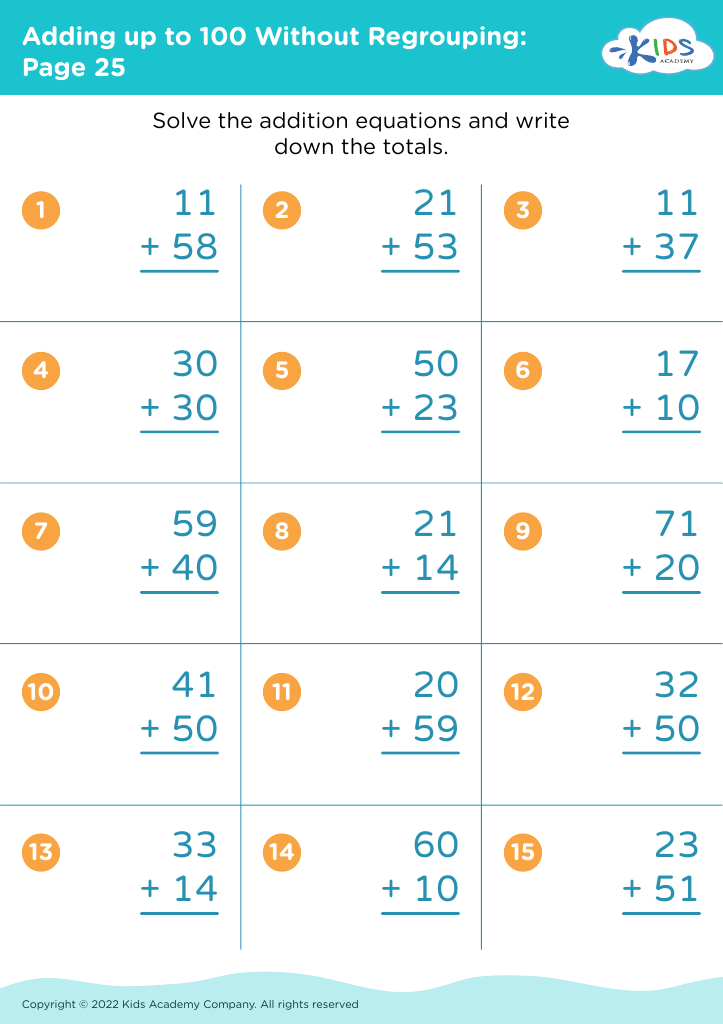
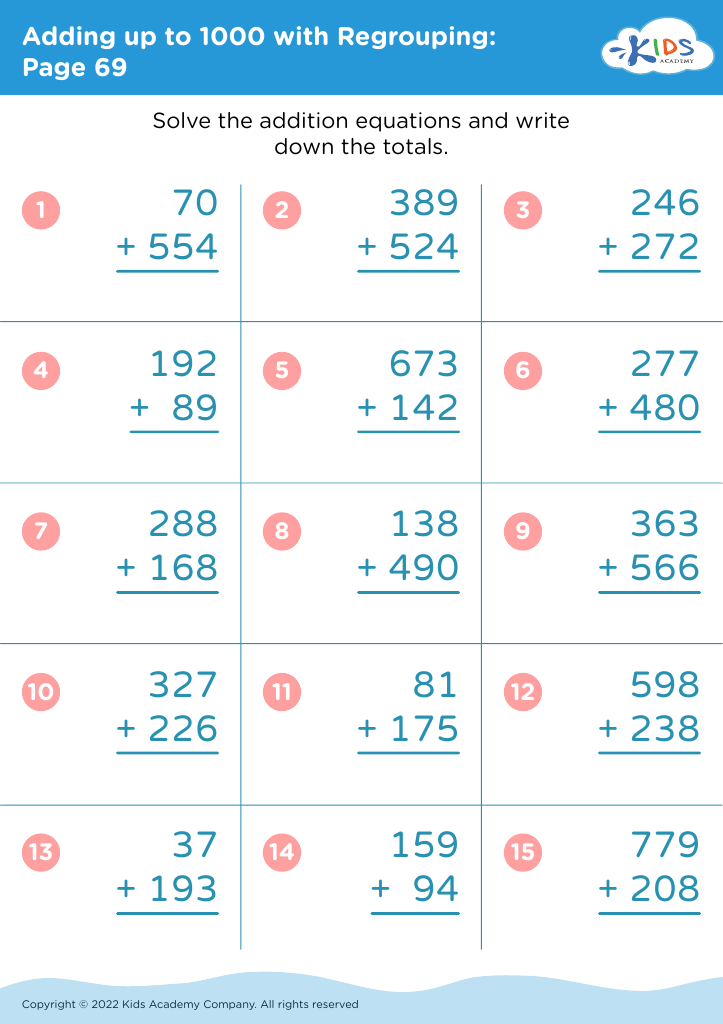
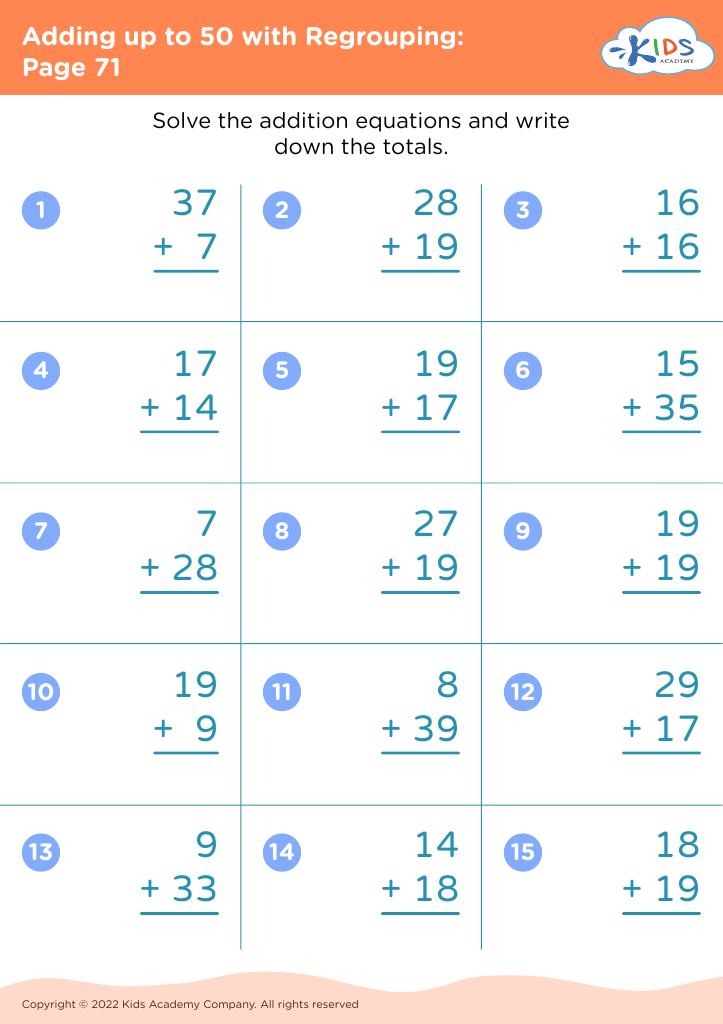
Our "Visual Discrimination Grade 2 Addition & Subtraction Worksheets" are designed to enhance your child's math skills while improving their ability to distinguish visual details. These engaging worksheets challenge second graders to correctly identify and solve addition and subtraction problems, facilitating a deeper understanding of numerical relationships and arithmetic operations. Each worksheet is crafted to develop keen observation skills, reinforce math concepts, and boost confidence in young learners. Perfect for classroom activities or at-home practice, these resources support a dynamic and effective learning experience. Enhance your child's math proficiency with our fun and educational worksheets.
Favorites
With answer key
Interactive
Join Kids Academy for Free
Who is primarily going to use this learning content?








Parents and teachers should care about fostering visual discrimination skills in Grade 2 students, especially in relation to addition and subtraction, because these skills are crucial for mathematical competence and overall academic success. Visual discrimination, the ability to discern differences and similarities in shapes, patterns, and symbols, aids in correctly identifying numbers and operational signs, which is foundational for solving arithmetic problems.
In Grade 2, children transition from basic counting to more complex operations involving multiple steps and regrouping. Strong visual discrimination allows them to differentiate among numbers that may appear similar (e.g., 6 vs. 9) and correctly associate mathematical symbols (e.g., +, -, =) with their functions. This reduces errors and bolsters confidence in their ability to handle math tasks.
Furthermore, visual discrimination supports reading and comprehension, essential for word problems that combine literacy and numeracy skills. As math problems become more intricate, the ability to visually parse information swiftly and accurately becomes imperative.
By focusing on strengthening visual discrimination through specific exercises and tailored activities, parents and teachers equip children with the tools needed not only for arithmetic proficiency but also for broader academic challenges, fostering a lifelong aptitude for problem-solving and critical thinking.