Visual interpretation Grade 2 Addition & Subtraction Worksheets
4 filtered results
-
From - To
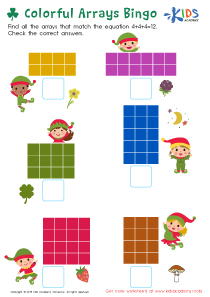
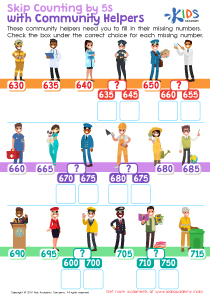
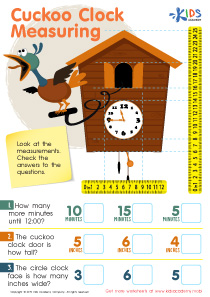
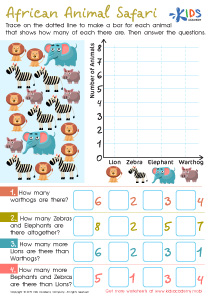
Discover engaging Visual Interpretation Grade 2 Addition & Subtraction Worksheets designed to elevate your child's math journey. Tailored to young learners, these printable worksheets transform abstract mathematical concepts into colorful, relatable visuals, enhancing comprehension and retention. Each worksheet offers a creative approach to solving addition and subtraction problems using picture-based cues, ensuring a solid grasp of basic math skills. Perfect for classroom exercises or at-home practice, these resources align seamlessly with common core standards, making math both fun and educational. Empower your child with the ability to confidently tackle math challenges while developing critical thinking and visual learning skills.
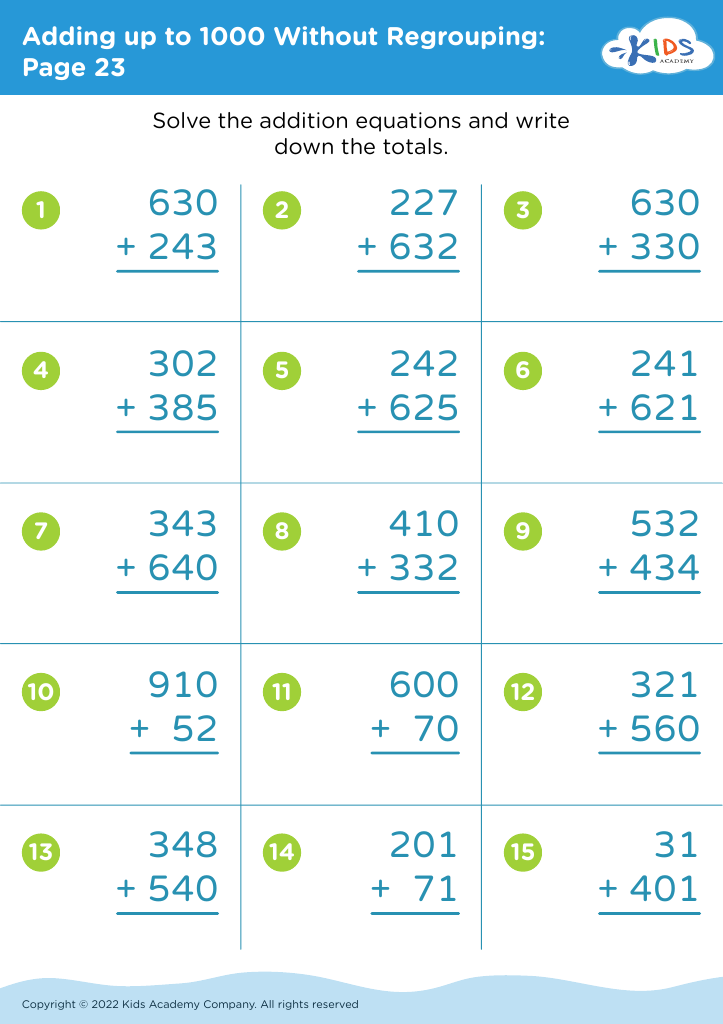
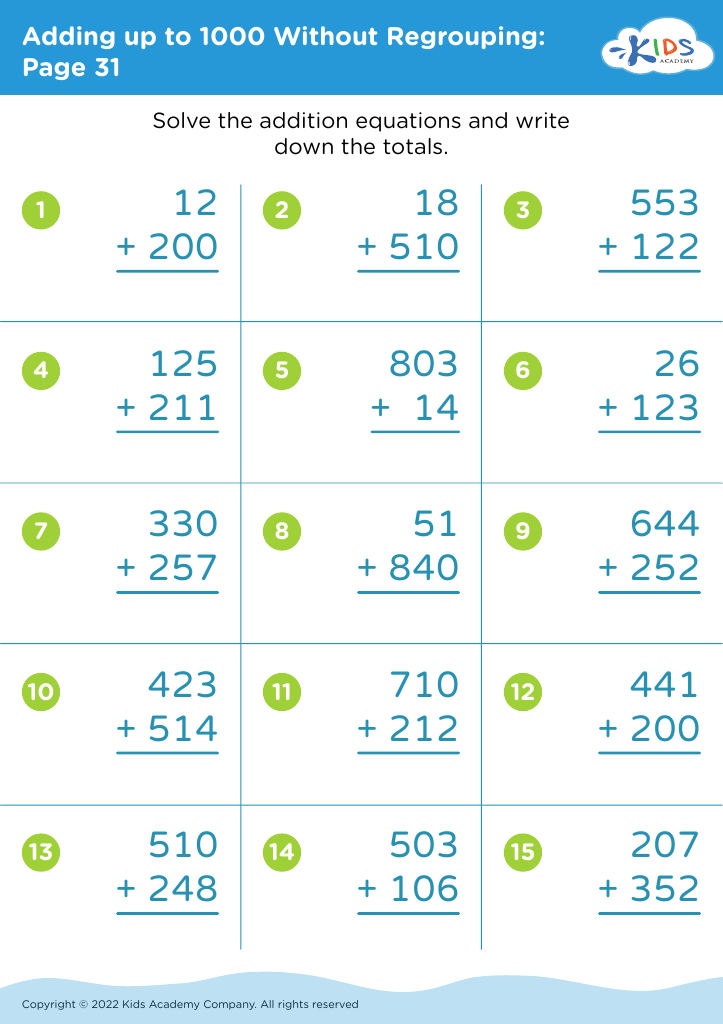
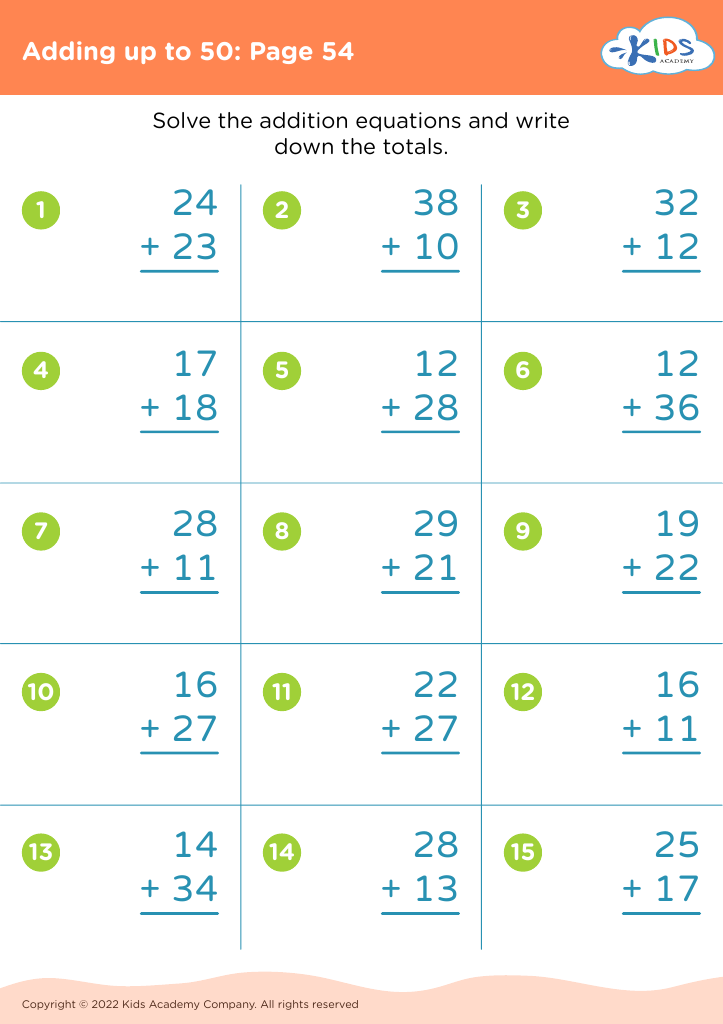
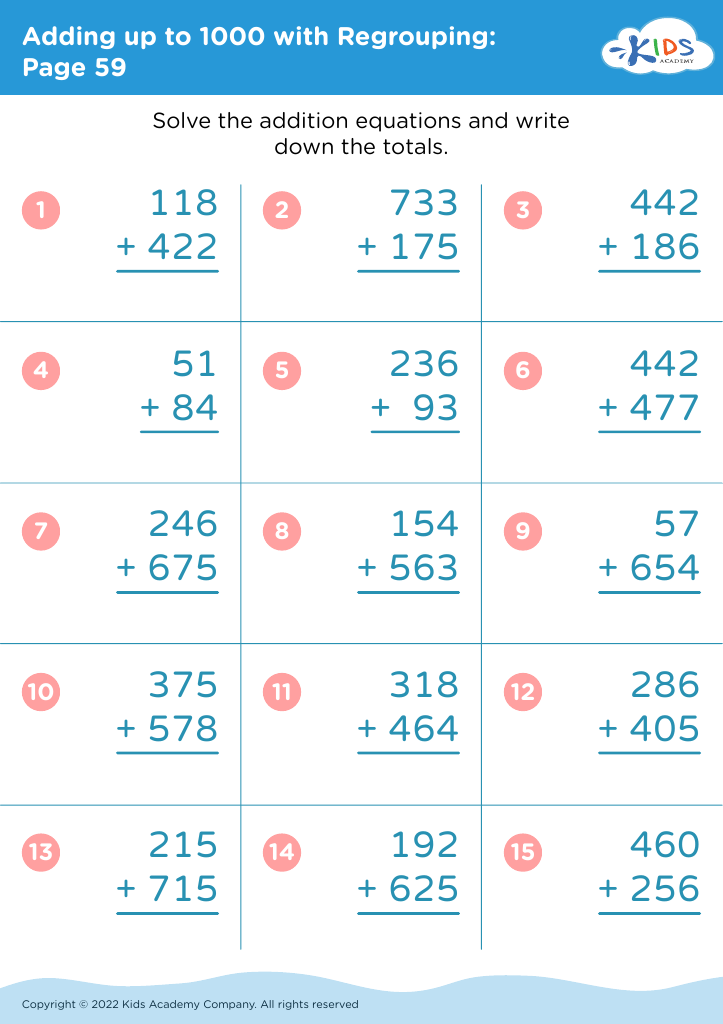








Visual interpretation in grade 2 addition and subtraction is crucial for young learners’ mathematical development and overall cognitive growth. First, visual interpretations like number lines, counters, and pictorial representations make abstract concepts tangible. For instance, seeing five apples added to three apples helps children grasp the idea of addition more naturally than with numbers alone. It bridges the gap between concrete experiences and abstract reasoning, essential in early education.
Moreover, visual tools cater to different learning styles. Not all children learn effectively through verbal instructions alone; many benefit from visual stimuli. This diversified teaching approach aids in inclusive education, ensuring all students have equal learning opportunities.
In addition, visual interpretation nurtures problem-solving skills. Children learn to decompose and analyze problems by visually breaking down numbers into smaller parts, fostering critical thinking. It also reinforces memory retention; children are more likely to remember visual information supported by engaging, vivid images.
Finally, mastering these foundational skills early boosts confidence and sets the stage for future success in mathematics. A positive early experience with math often leads to a more favorable attitude towards the subject over time.
In summary, visual interpretation in grade 2 addition and subtraction is essential for conceptual understanding, accommodating various learning styles, fostering problem-solving skills, and building confidence, essential for holistic mathematical education.