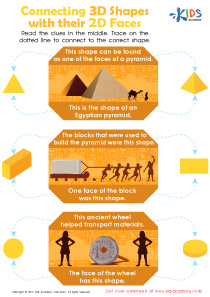
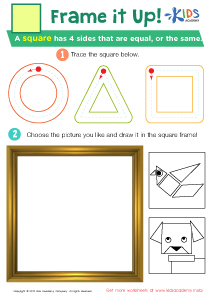
Visual representation comprehension Grade 2 Fractions of Shapes Worksheets
3 filtered results
-
From - To
Enhance your Grade 2 students' understanding of fractions with our Visual Representation Comprehension worksheets! These engaging resources are designed to help children grasp the concept of fractions through colorful shapes and illustrations. Each worksheet focuses on identifying and comparing fractions of various shapes, fostering critical thinking and visual recognition skills. Perfect for classroom activities or at-home practice, these worksheets provide a fun, interactive way to reinforce essential math concepts. By utilizing visual aids, young learners can confidently visualize fractions and develop a solid foundation in mathematical comprehension. Explore our collection today and empower your students to master fractions with ease!
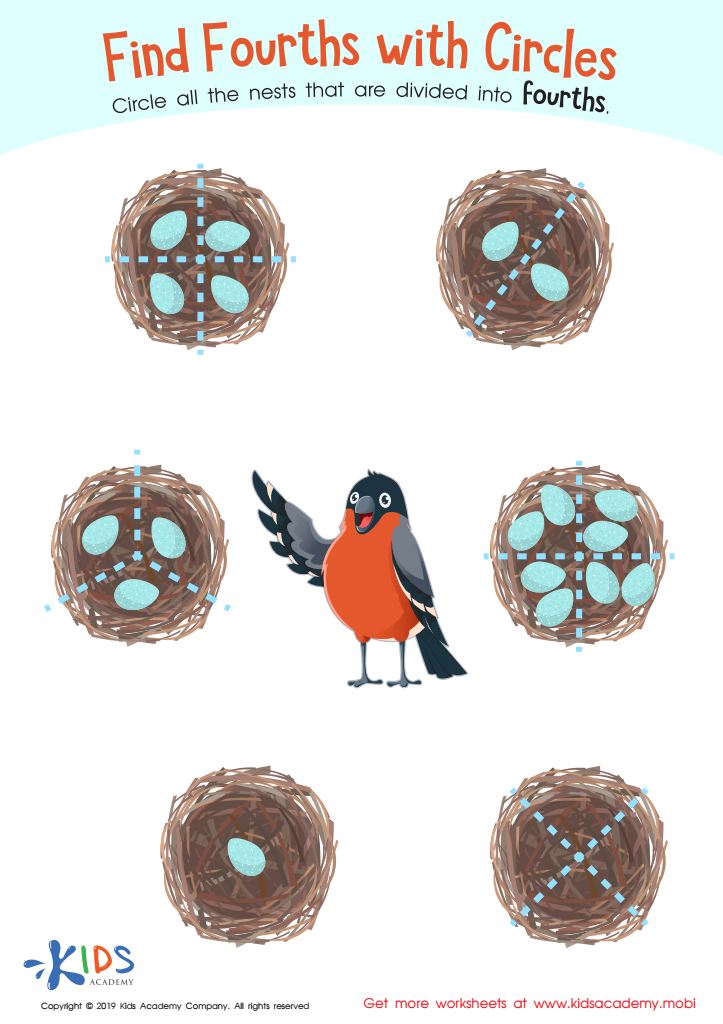
Find Fourths Circles Worksheet
 Assign to My Students
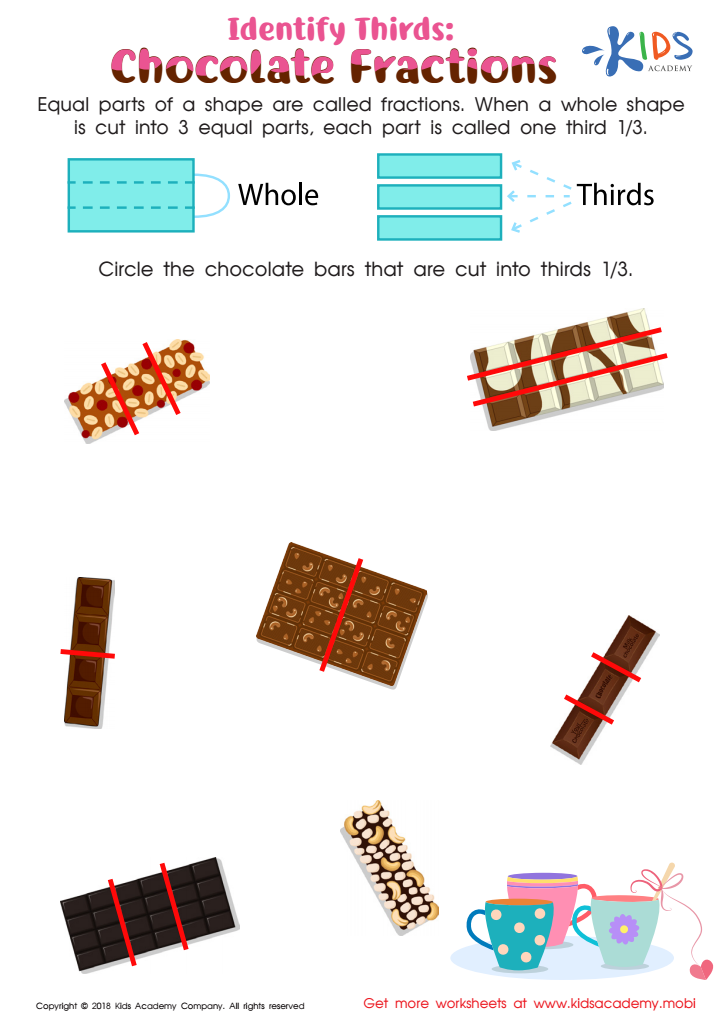
Identify Thirds: Chocolate Fractions Worksheet
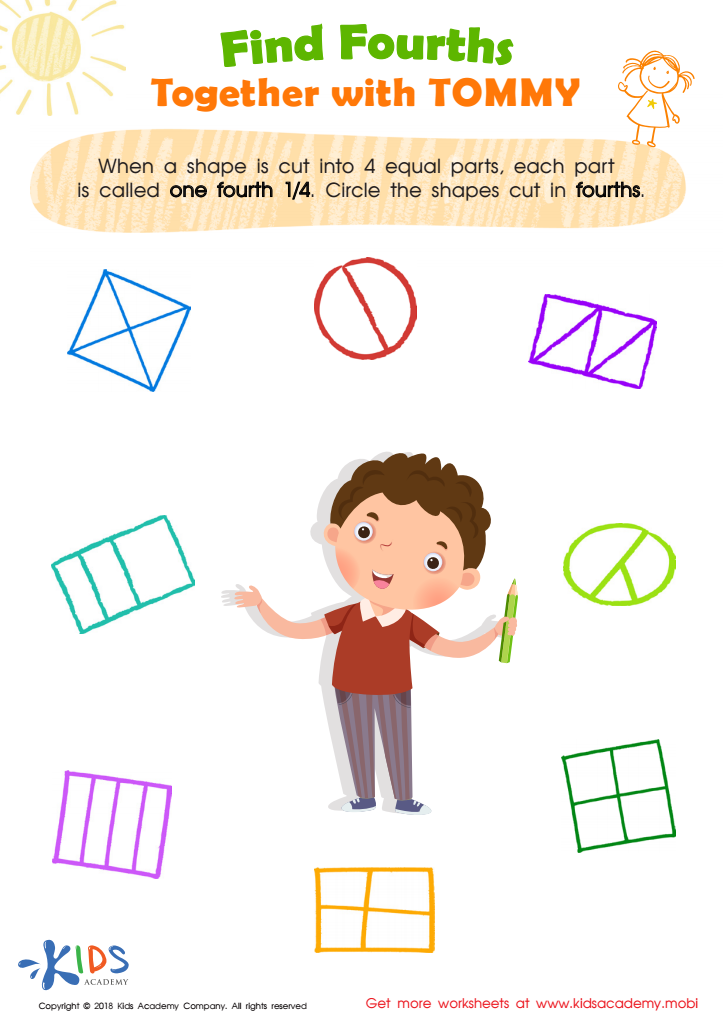
Find Fourths Together with Tommy Worksheet





Visual representation comprehension of fractions is essential for second graders as it forms the foundation for understanding more complex mathematical concepts later on. At this stage, students begin to grasp the idea that fractions represent parts of a whole, and visual aids, such as shapes divided into equal parts, play a crucial role in this understanding.
Firstly, visual representations help young learners concretize abstract concepts. By seeing shapes like circles or rectangles divided into equal parts, students can better understand how fractions work. This tangible approach aids in recognizing and interpreting fractions, making learning more engaging and accessible.
Additionally, comprehending visual representations of fractions enhances critical thinking and problem-solving skills. When students analyze and manipulate shapes, they develop the ability to visualize mathematical relationships, paving the way for advanced reasoning.
Moreover, a solid understanding of fractions is not only vital for future math proficiency, but it also applies to everyday life, from cooking to sharing items fairly. For parents and teachers, fostering this comprehension is crucial in building mathematical fluency, self-confidence, and a love for learning in children. Engagement with visual fractions lays a critical groundwork for lifelong mathematical success.