Comparing numbers Grade 2 Math Worksheets
4 filtered results
Difficulty Level
Grade
Age
-
From - To
Subject
Activity
Standards
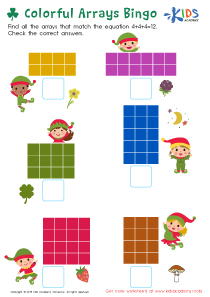
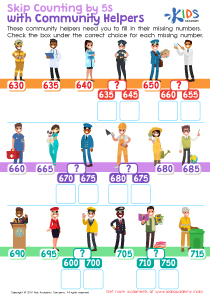
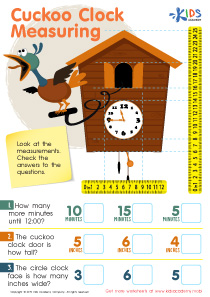
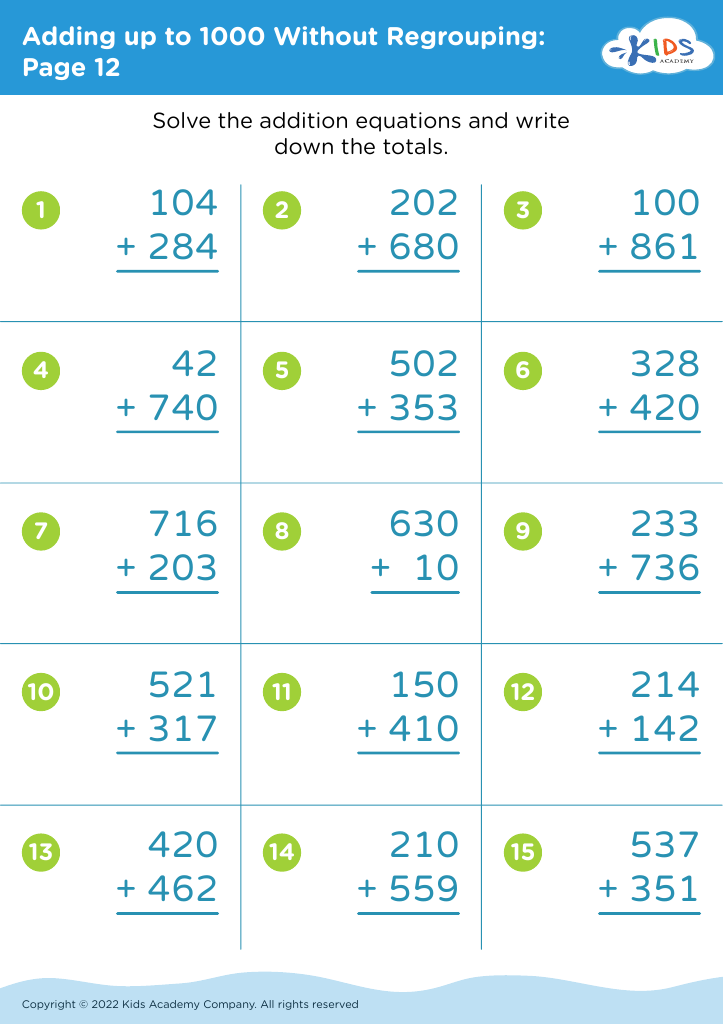
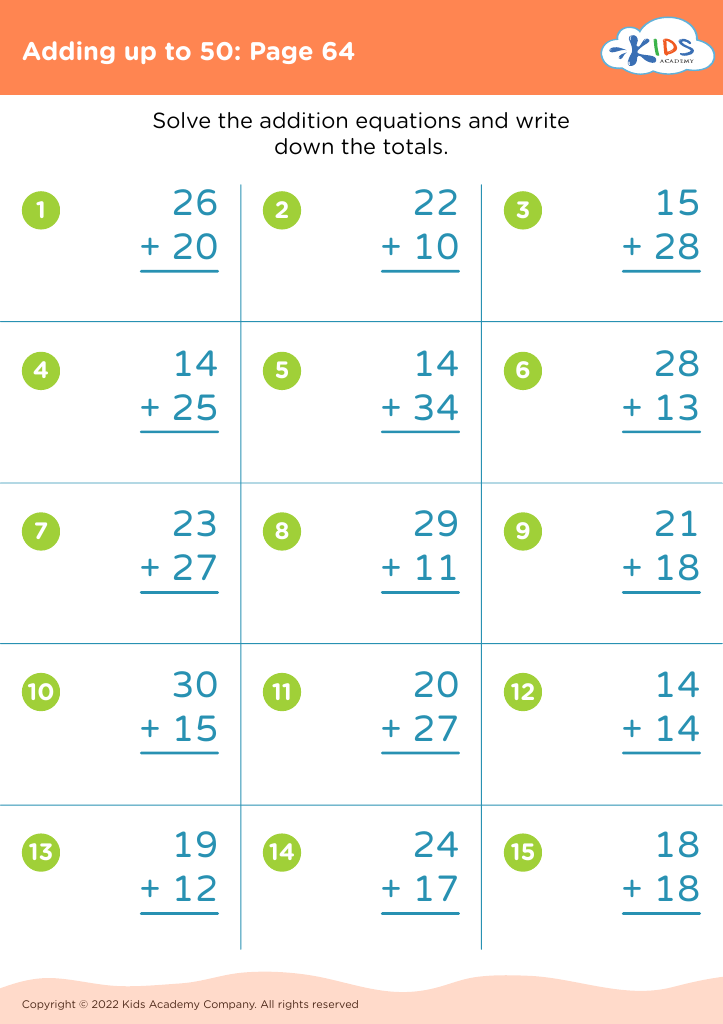
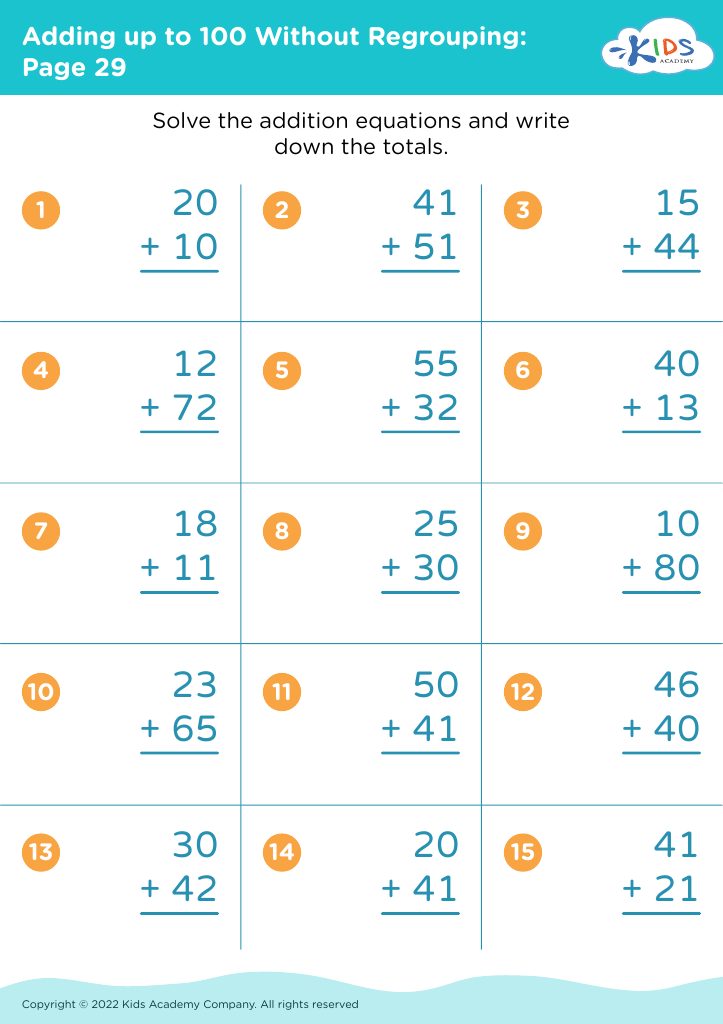
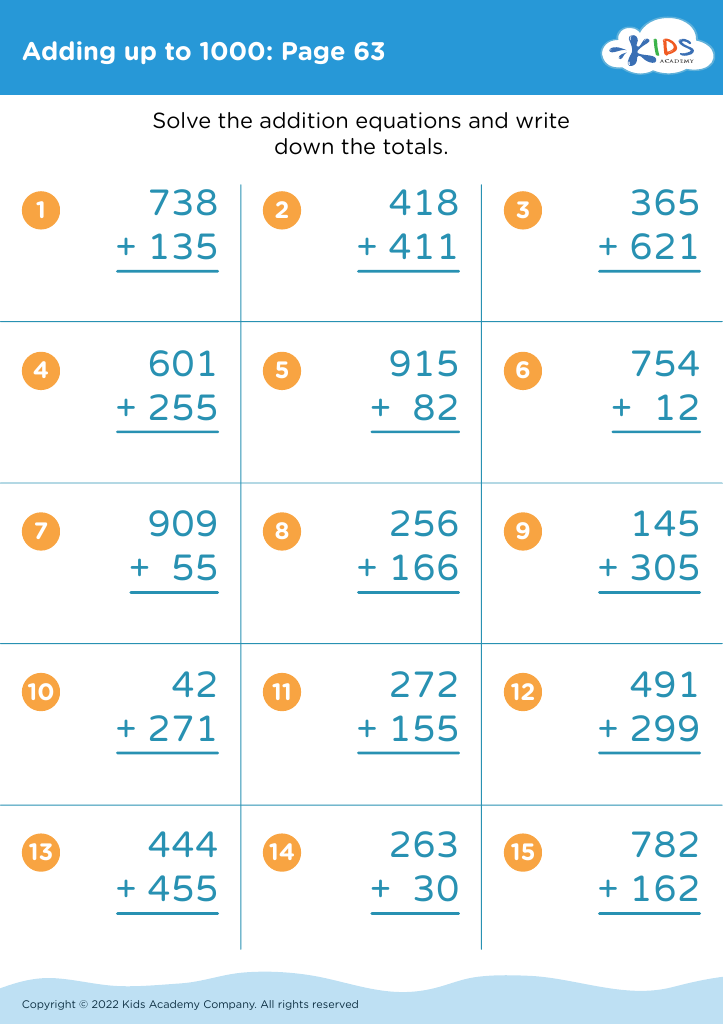
Our "Comparing Numbers Grade 2 Math Worksheets" are designed to help your child grasp the concepts of greater than, less than, and equal to in a fun and interactive way. These worksheets offer a variety of engaging activities, including number comparisons, real-world scenarios, and visual aids that make learning enjoyable. Perfect for developing critical thinking and number sense, these sheets guide your second grader to confidently compare numbers up to 1000. Whether for extra practice at home or supplemental classroom material, our worksheets help build a strong foundation in math skills, ensuring your child thrives in their educational journey.
Favorites
With answer key
Interactive
Join Kids Academy for Free
Who is primarily going to use this learning content?






Comparing numbers in Grade 2 Math forms a crucial foundation for a child's overall mathematical development. At this stage, students, typically around seven or eight years old, are transitioning from simple counting to more complex arithmetic concepts. Understanding how to compare numbers — determining which of two numbers is larger or smaller, or if they are equal — is fundamental for developing number sense. This skill is intrinsically linked to other key areas of math, like addition, subtraction, place value, and eventually multiplicative reasoning.
For parents and teachers, emphasizing the importance of comparing numbers can have several long-term benefits. Firstly, it helps children to grasp the relative value of different numbers, a skill necessary for everyday decision-making and problem-solving. Furthermore, it nurtures critical thinking and analytical skills as children learn to assess and categorize information logically. Academically, comparing numbers prepares students for more advanced concepts like fractions, decimals, and ratios, which are essential in higher-grade mathematics and various real-life applications.
By caring about and actively supporting children in mastering this skill, parents and teachers lay down a solid mathematical foundation that extends beyond basic education, fostering confidence and competence in a realm that impacts countless aspects of daily life and future learning.