Color recognition Grade 2 Numbers 0–10 Worksheets
4 filtered results
-
From - To
Enhance your second grader's number fluency with our engaging "Color Recognition Grade 2 Numbers 0–10" worksheets! Perfect for young learners, these printable activities combine colorful visuals with fundamental math skills, helping children master numbers 0 through 10 effortlessly. Each worksheet is designed to boost number recognition, counting, and color awareness, fostering a solid mathematical foundation. By integrating vibrant images and interactive exercises, we transform learning into a fun experience. These worksheets support early math proficiency while nurturing creativity and attention to detail. Print now and watch your child's confidence soar as they explore the magical world of numbers and colors!
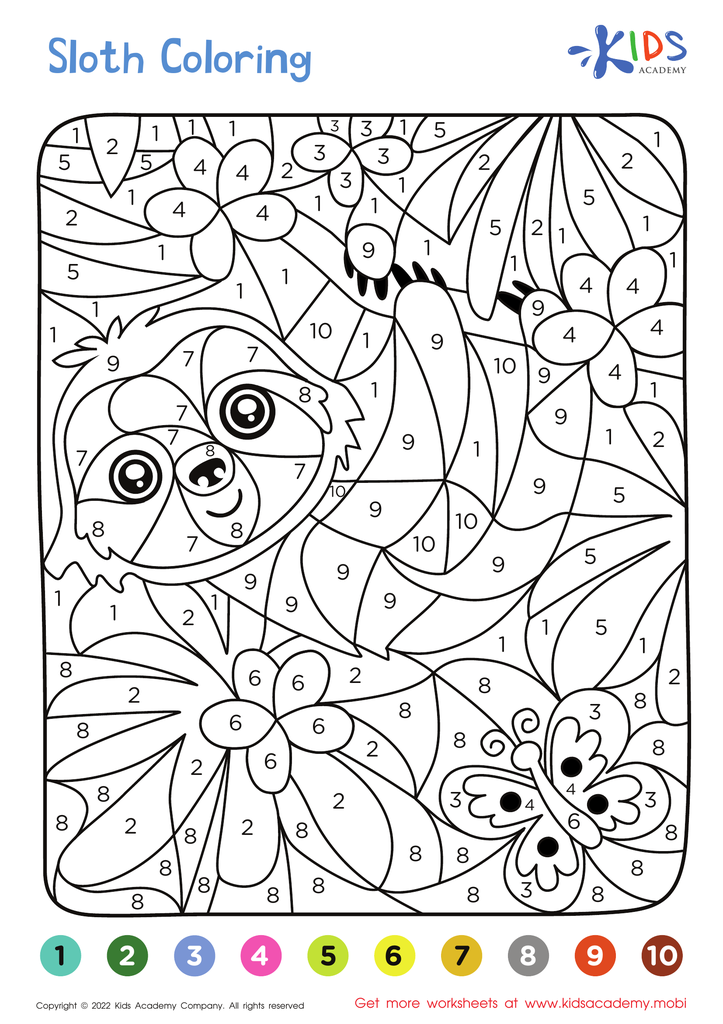
Sloth – Coloring by Numbers
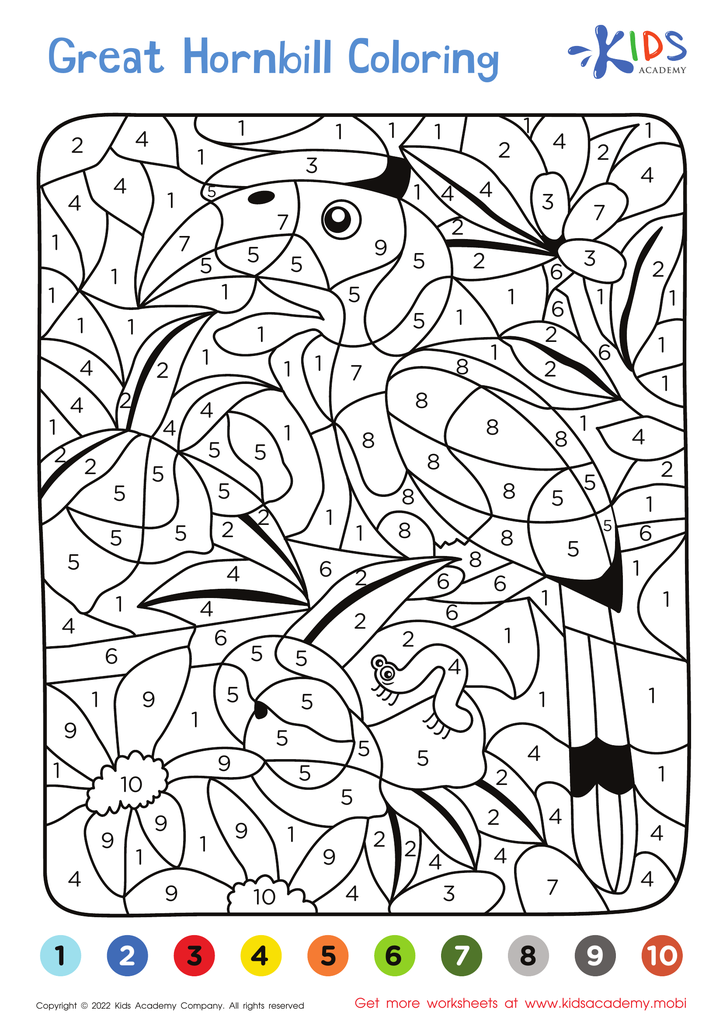
Great Hornbill – Coloring by Numbers
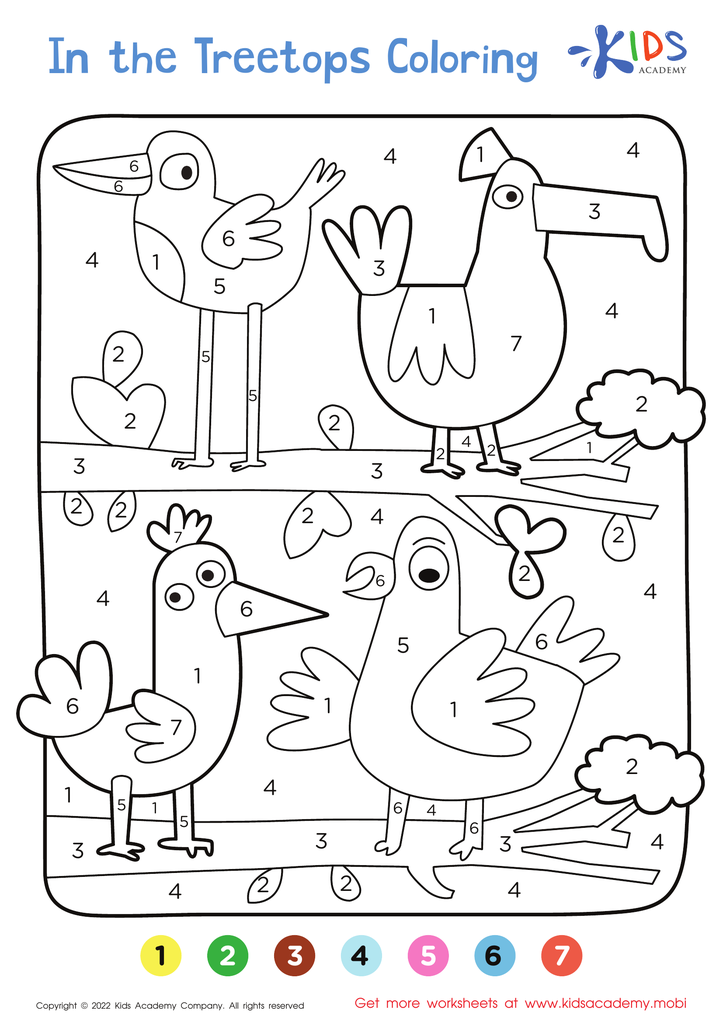
In the Treetops – Coloring Page
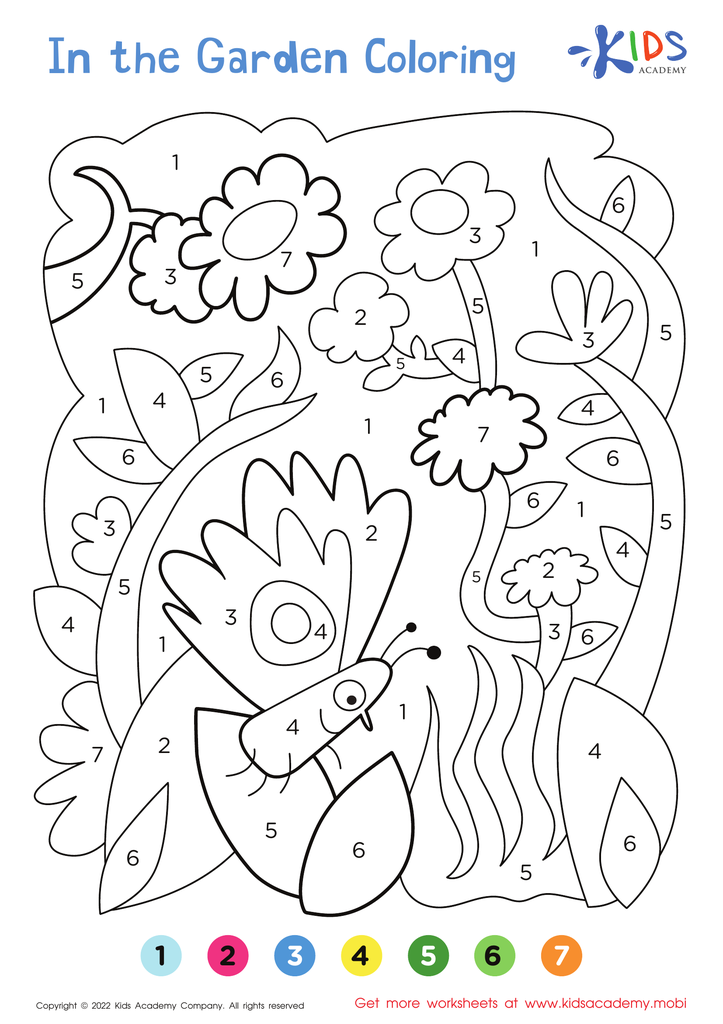
In the Garden – Coloring by Numbers






Color recognition and numerical understanding serve as foundational elements in a child’s early education, significantly impacting cognitive development and future academic success. Parents and teachers should prioritize teaching these concepts in Grade 2 for several important reasons.
Firstly, mastering color recognition enhances visual perception and categorization skills. As children differentiate between colors, they also learn to classify and group similar items, promoting critical thinking and organizational abilities. These skills are directly transferable to other academic areas, such as reading and science, where categorization plays a crucial role.
Secondly, understanding numbers 0–10 fosters essential math skills. It introduces children to the basics of counting, addition, and subtraction, which are stepping stones for more advanced mathematical concepts. Early number recognition also boosts memory retention and concentration. Children who can confidently navigate numbers 0-10 are often more prepared to tackle more complex mathematical problems as they progress in their schooling.
Together, color recognition and numerical understanding nurture a well-rounded cognitive development. These early skills intertwine to support language development through descriptive language and mathematical reasoning. Thus, investing in these areas equips children with the critical thinking and problem-solving abilities needed across all disciplines, fostering a lifelong love of learning and providing a strong academic foundation.