Color Identification Grade 3 Animals Worksheets
4 filtered results
-
From - To
Explore our engaging "Color Identification Grade 3 Animals Worksheets" designed to enhance your child's understanding of colors through the vibrant world of animals. These worksheets offer a fun and interactive way for third graders to practice color identification while learning about different species. Each worksheet features various animal illustrations that encourage creativity and critical thinking. Our thoughtfully crafted materials not only help improve fine motor skills through coloring but also reinforce essential concepts in a visually appealing way. Perfect for home or classroom use, these worksheets foster a love for learning while making color recognition enjoyable and memorable!
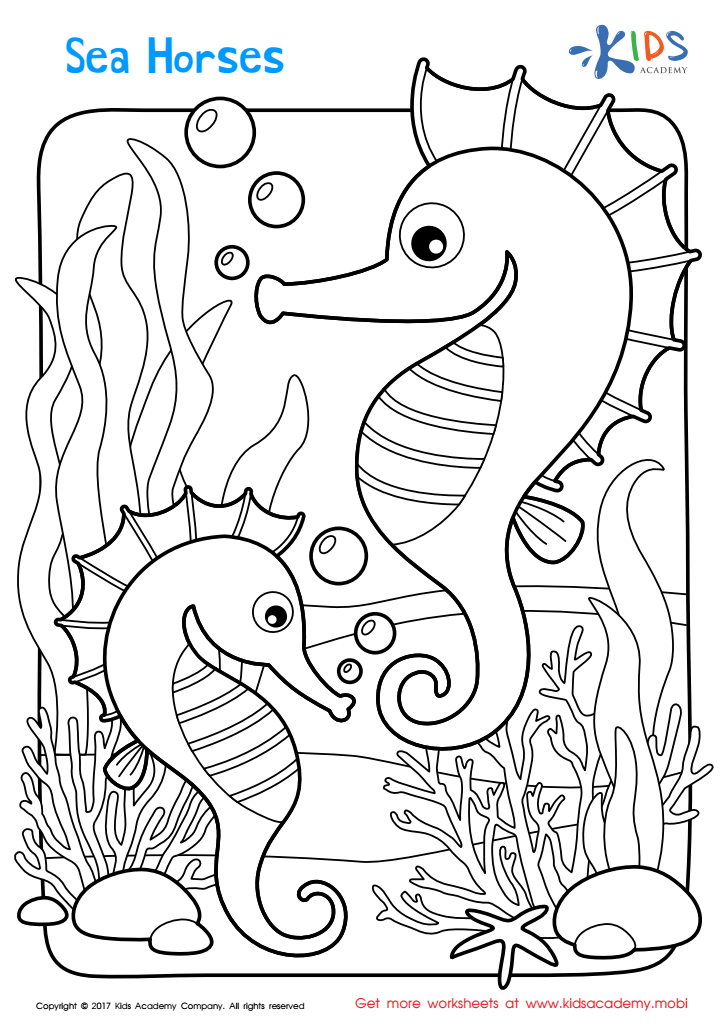
Sea Horses Printable
 Assign to My Students
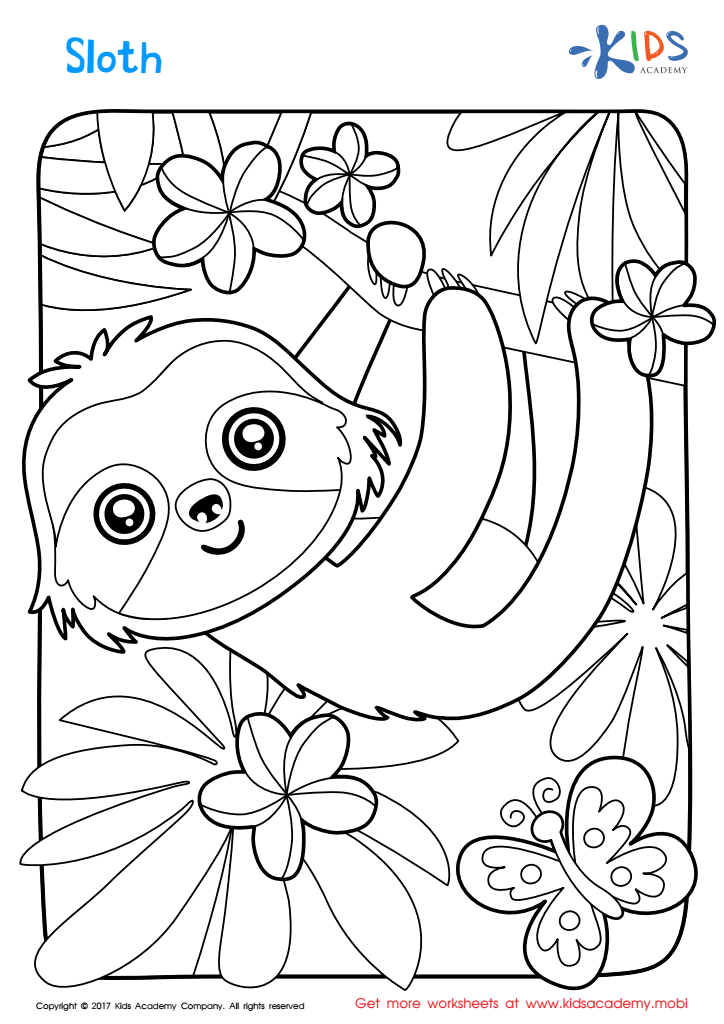
Sloth Worksheet
Assign to My Students
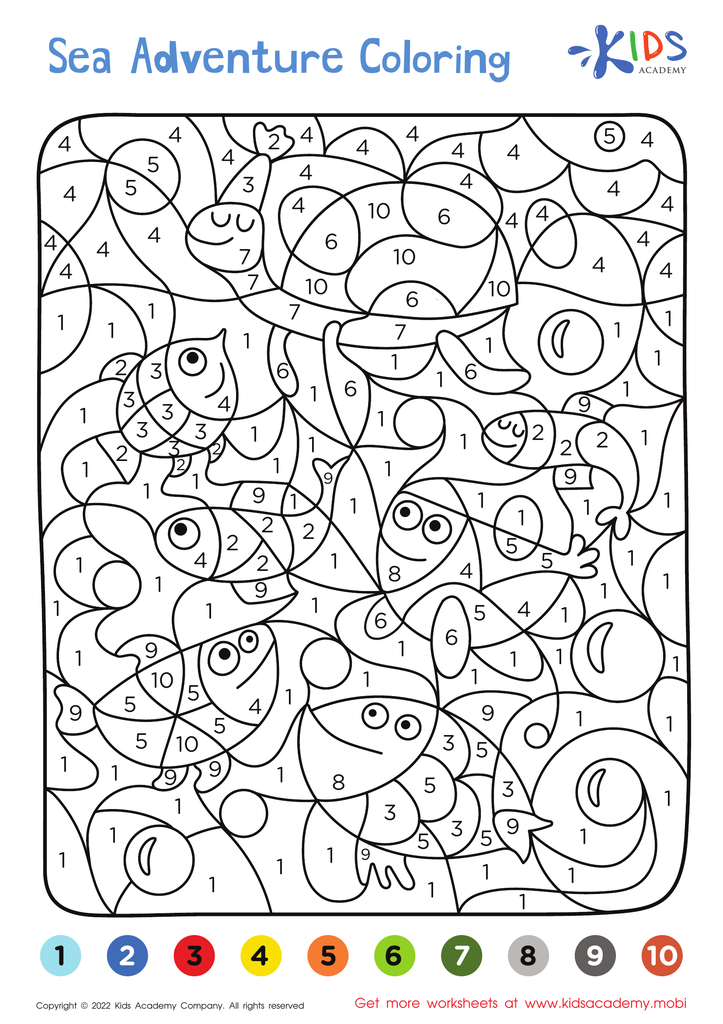
Sea Adventure – Coloring by Numbers
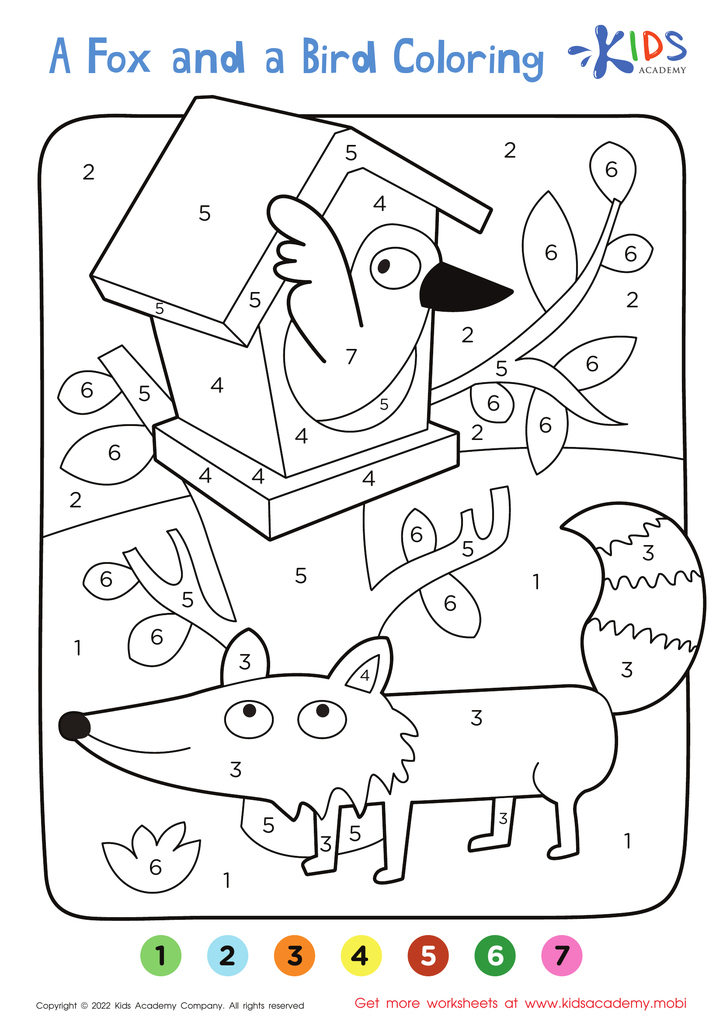
A Fox and a Bird – Coloring by Numbers




Color identification is a crucial skill for children in third grade, and it extends beyond art and aesthetics into key areas of learning and development. For parents and teachers, understanding how animals are color-coded in the environment fosters observational skills that can enhance science education.
Firstly, learning about animal colors aids in classification and categorization, helping kids grasp essential scientific concepts related to biodiversity and ecosystems. Recognizing colors in animals, such as the bright markings on poisonous frogs or the camouflage of certain species, informs students about adaptation and survival techniques.
Additionally, color recognition promotes language development. When children learn to describe animals using color terms, they expand their vocabulary and strengthen their communication skills. This foundational knowledge encourages critical thinking as children draw connections between colors and the behavior, habitats, or characteristics of various species.
Incorporating color identification into lessons can also enhance engagement. Animals teach students about the environment in an enjoyable way, making principles of biology more tangible and relatable. Thus, fostering an appreciation for animal colors supports a well-rounded educational experience, leading to deeper understanding and enthusiasm for learning. Parents and teachers should prioritize colorful, dynamic topics in their instruction to support holistic child development.