Creativity enhancement Grade 3 Animals Worksheets
3 filtered results
-
From - To
Unlock your child's imagination with our "Creativity Enhancement Grade 3 Animals Worksheets"! Designed for third-grade students, these engaging worksheets blend fun coloring activities with stimulating educational challenges. Whether your child loves majestic lions or playful dolphins, each worksheet encourages creativity while reinforcing key learning skills. Ideal for home or classroom use, these animal-themed sheets inspire artistic expression, critical thinking, and problem-solving. Perfect for fostering a love of learning, our worksheets provide a joyful and enriching experience. Explore our collection today and watch your third grader's creativity soar!
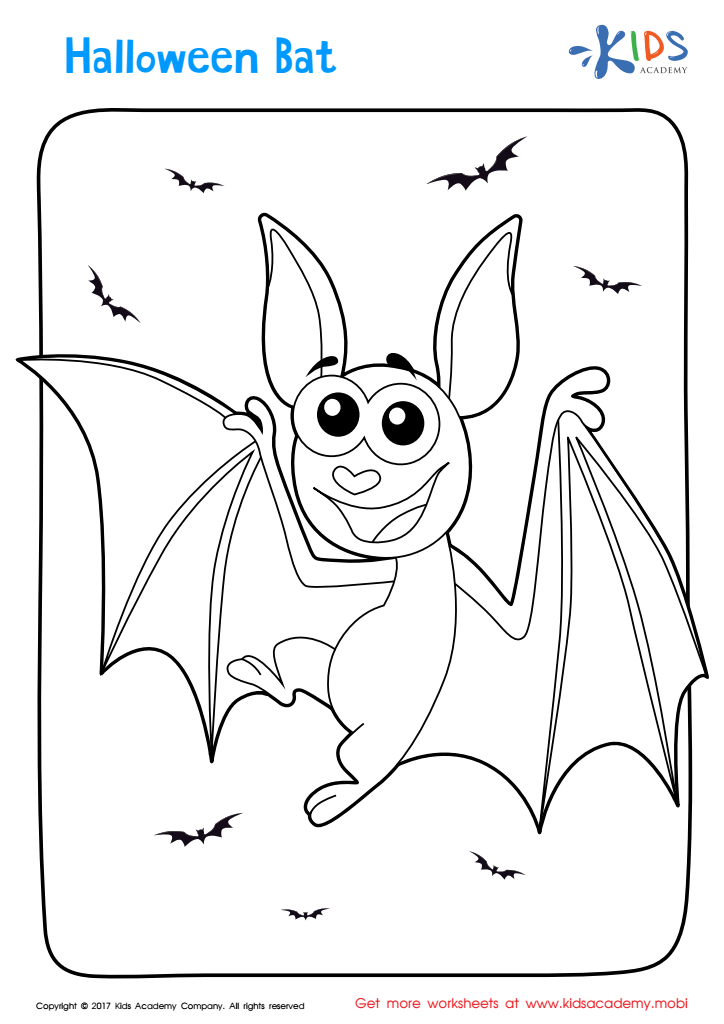
Halloween: A Bat Printable
 Assign to My Students
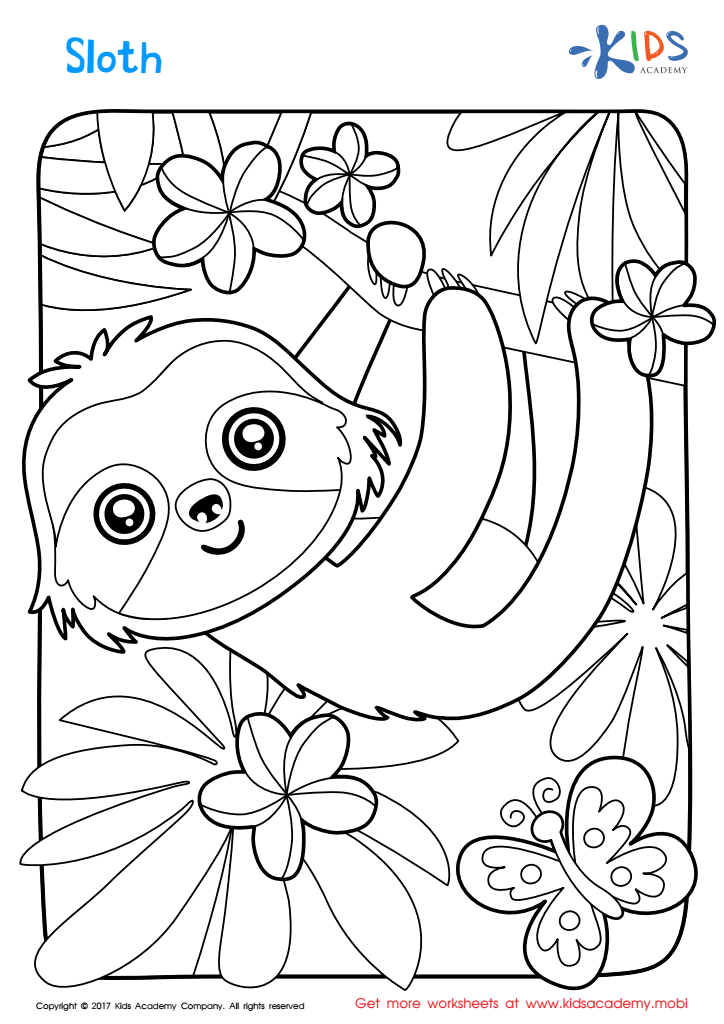
Sloth Worksheet
Assign to My Students
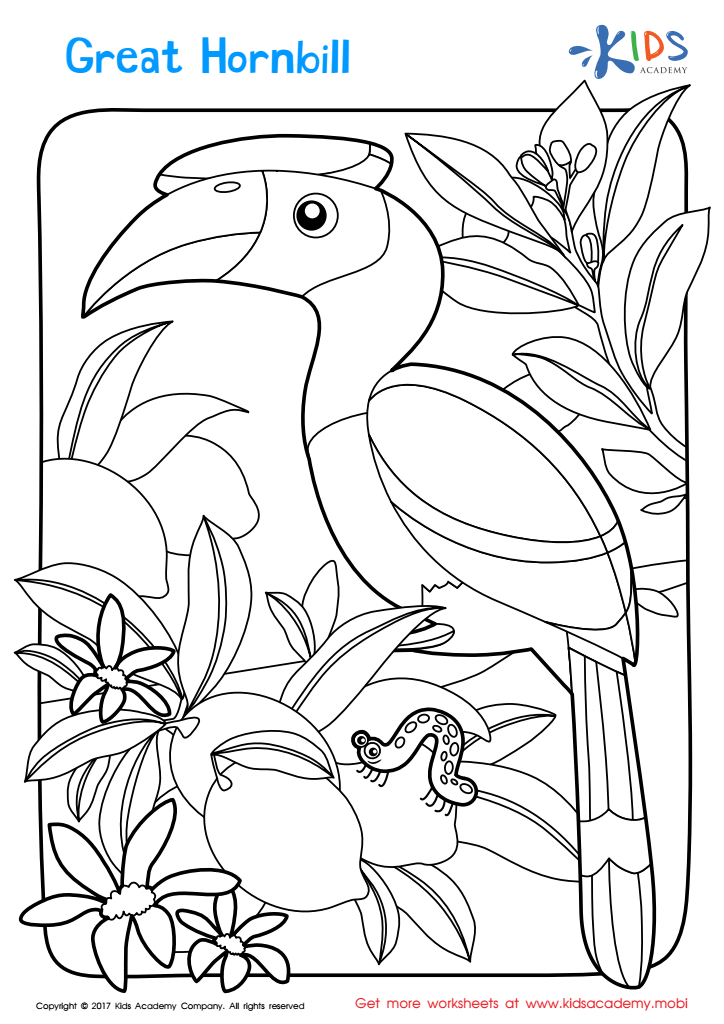
Great Hornbill Worksheet
Assign to My Students




In Grade 3, fostering creativity is essential, particularly through engaging topics like animals, as it significantly impacts children's development and learning. First, when children learn about animals creatively, they not only understand biological and environmental science deeply but also develop empathy and compassion towards living beings.
Engaging in creative activities such as drawing, storytelling, and role-playing related to animals stimulates kids' imaginations and fine motor skills. Activities like these also enhance problem-solving abilities, cognitive flexibility, and self-expression—skills crucial for academic success and personal development.
Creativity encourages curiosity, leading students to ask more questions, explore scientific concepts, and make connections between different pieces of information. For example, creating a “zoo” in the classroom with dioramas or writing stories about animals can make learning more dynamic and retainable for visual and kinesthetic learners.
Parents and teachers should prioritally care about this because establishing a creative learning environment results in children who are more engaged, motivated, and enthusiastic about learning. Brainstorming new ways to present information keeps lessons fresh and interesting, ensuring students develop a love for learning that goes beyond textbooks.
Ultimately, creativity shaped through enjoyable subjects like animals lays the groundwork for lifelong critical thinking, academic achievements, and emotional well-being, thus preparing children to face future challenges with innovative solutions and a positive outlook.