Color recognition Grade 3 Plants Worksheets
5 filtered results
Difficulty Level
Grade
Age
-
From - To
Subject
Activity
Standards
Explore our engaging "Color Recognition Grade 3 Plants Worksheets" designed to enhance students' learning experiences! These worksheets combine the beauty of nature with interactive color recognition activities, making it perfect for third-grade learners. As students identify and label colorful plants, they’ll develop their understanding of hues while enriching their vocabulary. Our thoughtfully crafted worksheets support critical thinking and creativity through artistic expression. Teachers will appreciate how these materials seamlessly integrate into lessons on botany and environmental science. Encourage your young learners to explore the vibrancy of plants while mastering essential color recognition skills with these fun and educational worksheets!
Favorites
With answer key
Interactive
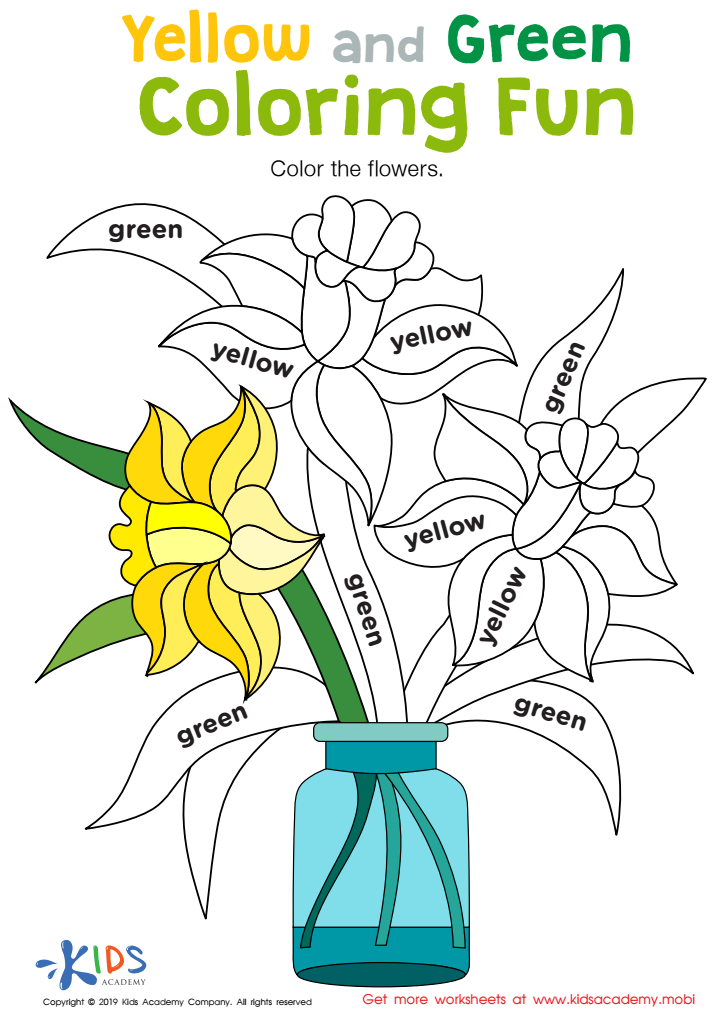
Yellow and Green Coloring Fun Worksheet
Sight words like "yellow" and "green" are easy to teach and fun for kids to learn. This free downloadable worksheet has kids read the color words and color the flower with yellow and green. A great activity for learning to read color words!
Download (PDF)
 Assign to My Students
Assign to My Students
Yellow and Green Coloring Fun Worksheet
Worksheet
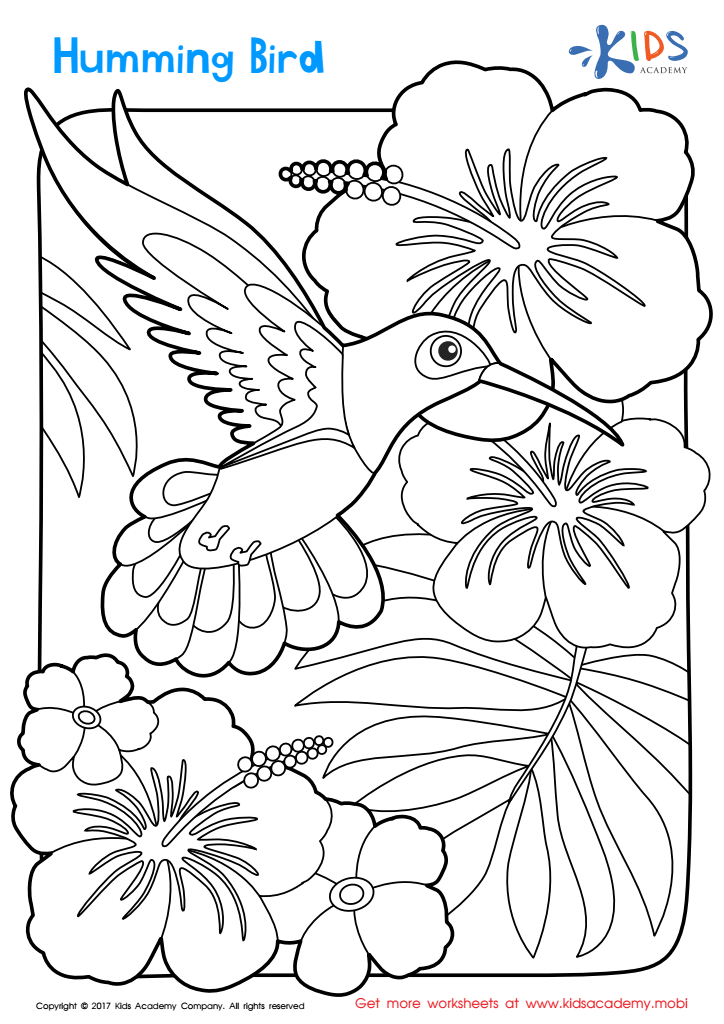
Humming Bird Worksheet
Encourage your child to explore nature with this lovely hummingbird coloring page! Use pictures to learn about the bird and extend the experience with a hummingbird feeder. See the beautiful creature in your own backyard!
Download (PDF)
Assign to My Students
Assign to My Students
Humming Bird Worksheet
Worksheet
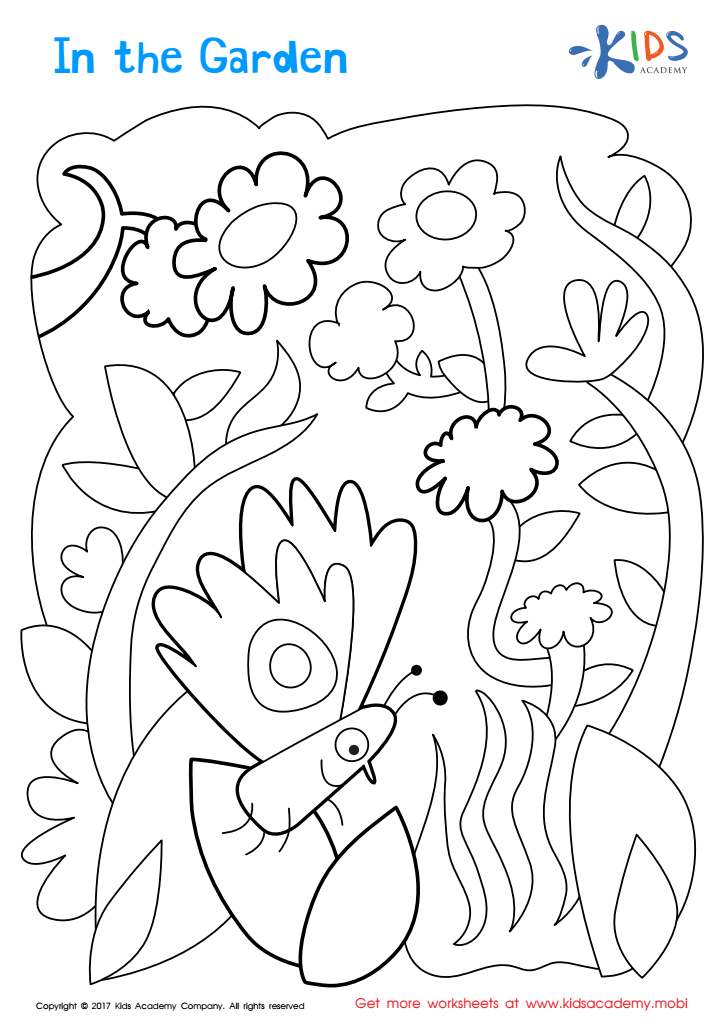
In The Garden Coloring Page
Explore nature with this fun coloring page! Take a walk out to the garden and observe the plants and animals. Help your kids learn and grow – connect the page to the natural wonders outside their window. In the Garden coloring page – make your kids smile!
Download (PDF)
Assign to My Students
Assign to My Students
In The Garden Coloring Page
Worksheet
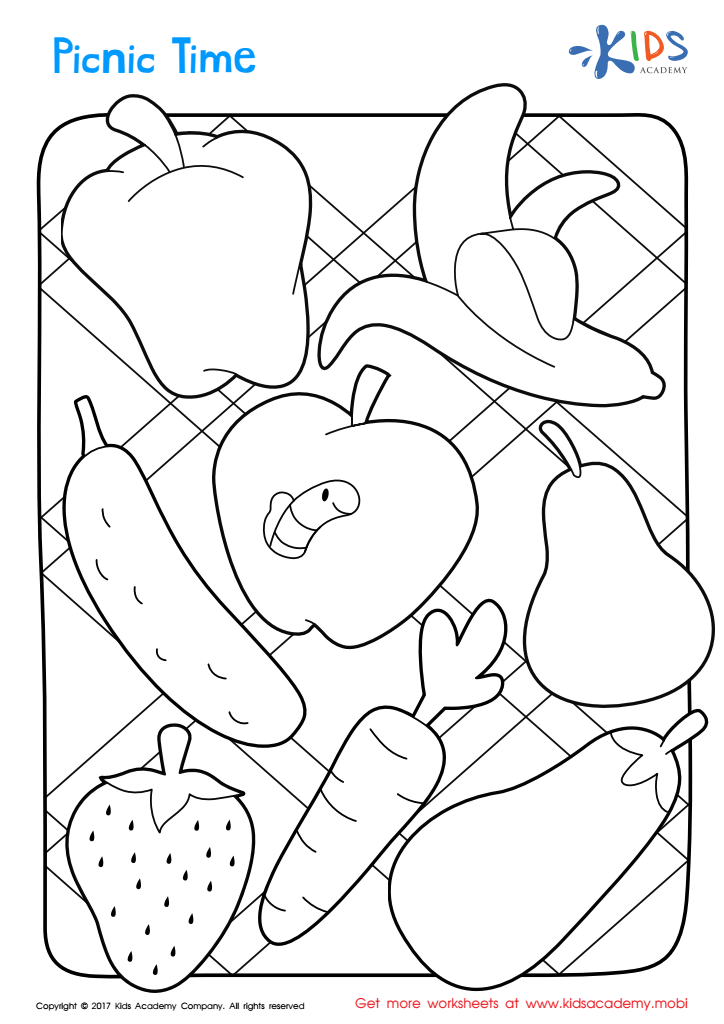
Picnic Time Coloring Page
Bringing juicy fruits and veggies to a picnic is ideal. With this Picnic Time coloring page, kids can get excited for a tasty outdoor meal. Discuss the different fruits and veggies while coloring for a fun and healthy activity!
Download (PDF)
Assign to My Students
Assign to My Students
Picnic Time Coloring Page
Worksheet
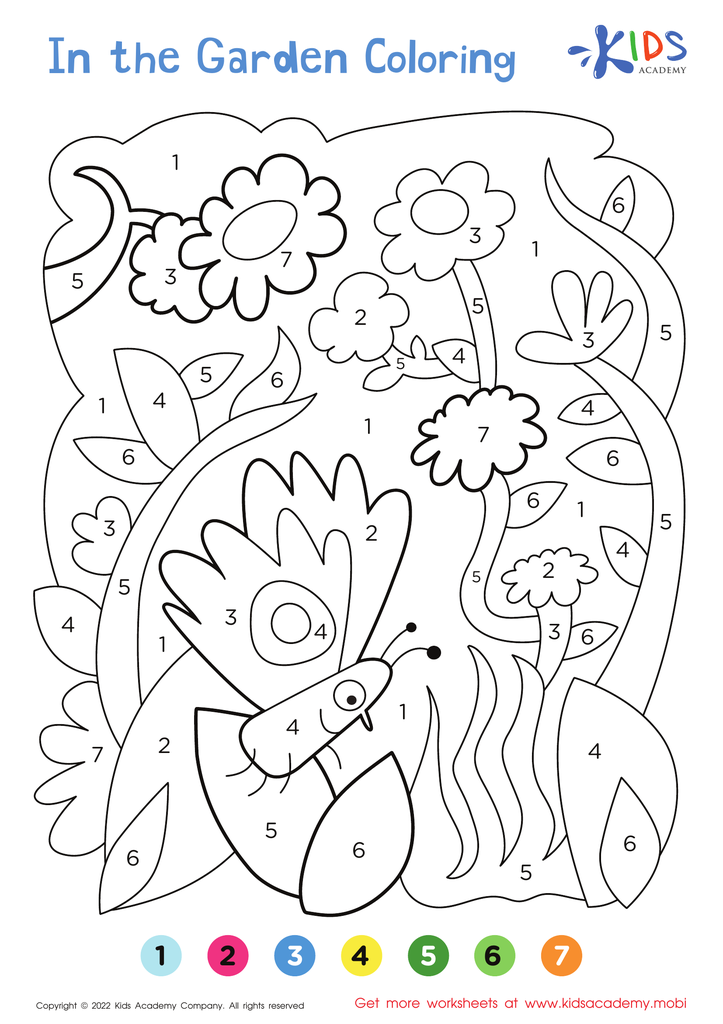
In the Garden – Coloring by Numbers
Download a free PDF page with a beautiful garden scene, perfect for coloring by numbers. Enjoy hours of creative fun and relaxation with this vibrant page.
In the Garden – Coloring by Numbers
Worksheet
Join Kids Academy for Free
Who is primarily going to use this learning content?



Color recognition is an essential skill for third graders, particularly when studying plants and the natural environment. At this age, children are developing their cognitive abilities and making connections between colors and their meanings in nature. Understanding plant colors—such as the vibrant hues of flowers, the rich greens of leaves, and the browns of tree trunks—enhances their observational skills and helps them appreciate biodiversity.
Moreover, learning about colors in plants can stimulate children’s creativity and critical thinking. When they identify and categorize plants by color, they engage in hands-on learning, which reinforces concepts in science and art. This can lead to discussions about plant variety, growth, and the roles that colors play in attracting pollinators or signaling ripeness in fruits.
Additionally, color recognition ties into language development, as students expand their vocabulary by describing shades, tints, and plant types. Teachers and parents can promote collaborative activities like nature walks or garden projects, fostering a sense of community and teamwork.
Lastly, cultivating an appreciation for nature encourages environmental stewardship, encouraging young learners to become informed and responsible citizens of the planet. Prioritizing color recognition in plants ultimately enriches a child's educational journey and personal growth.