Letter tracing skills Grade 3 English for Beginners Worksheets
3 filtered results
-
From - To
Unlock the basics of handwriting with our "Letter Tracing Skills for Grade 3 English Beginners" worksheets. Designed specifically for young learners, these engaging resources focus on helping children practice proper letter formation through tracing exercises. Ideal for ESL students, our worksheets provide clear guidance, stimulating visuals, and opportunities for repetition, making learning fun and effective. Each worksheet methodically introduces both uppercase and lowercase letters, offering ample practice spaces to reinforce skills. Parents and teachers can easily incorporate these worksheets into their teaching routine to foster confidence in writing. Start on the path to fluent handwriting today!
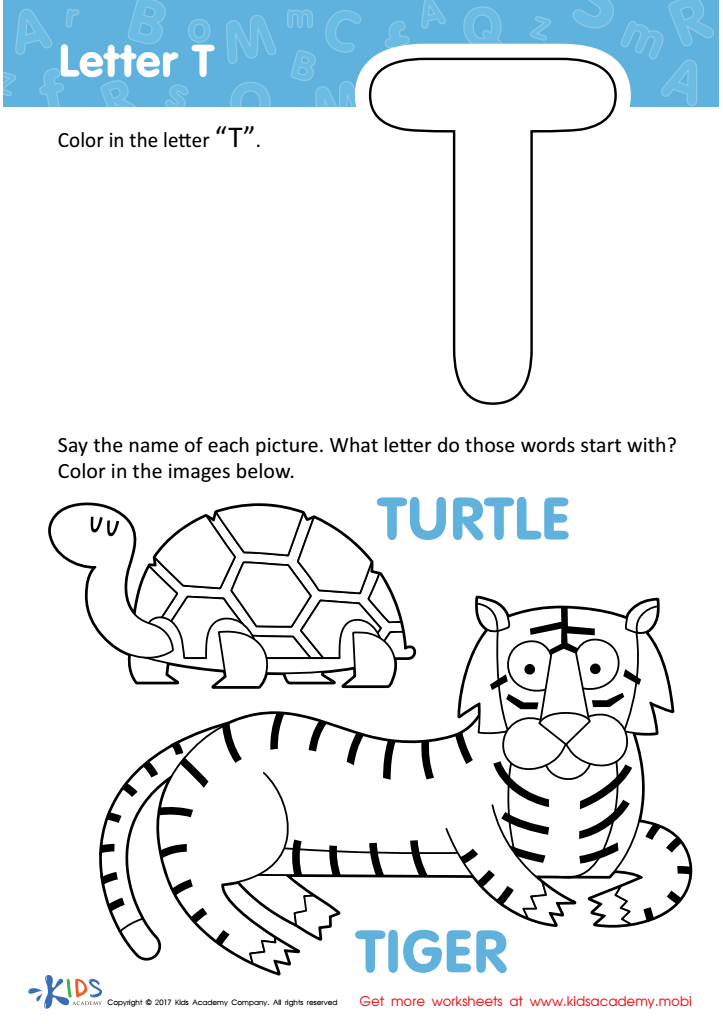
Letter T Coloring Sheet
 Assign to My Students
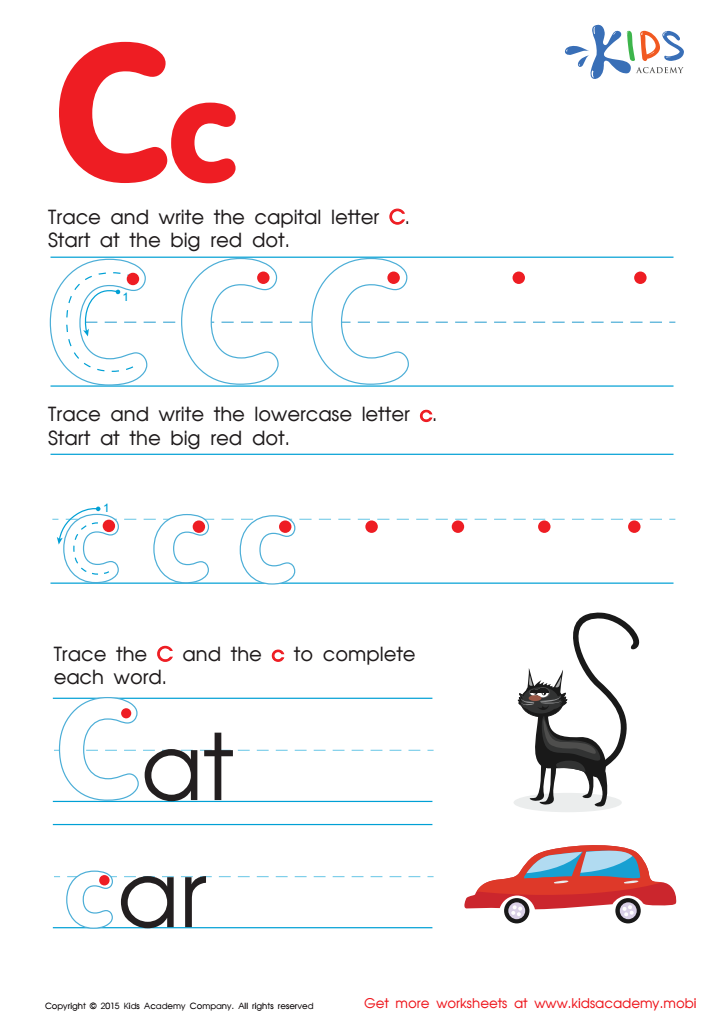
Letter C Tracing Page
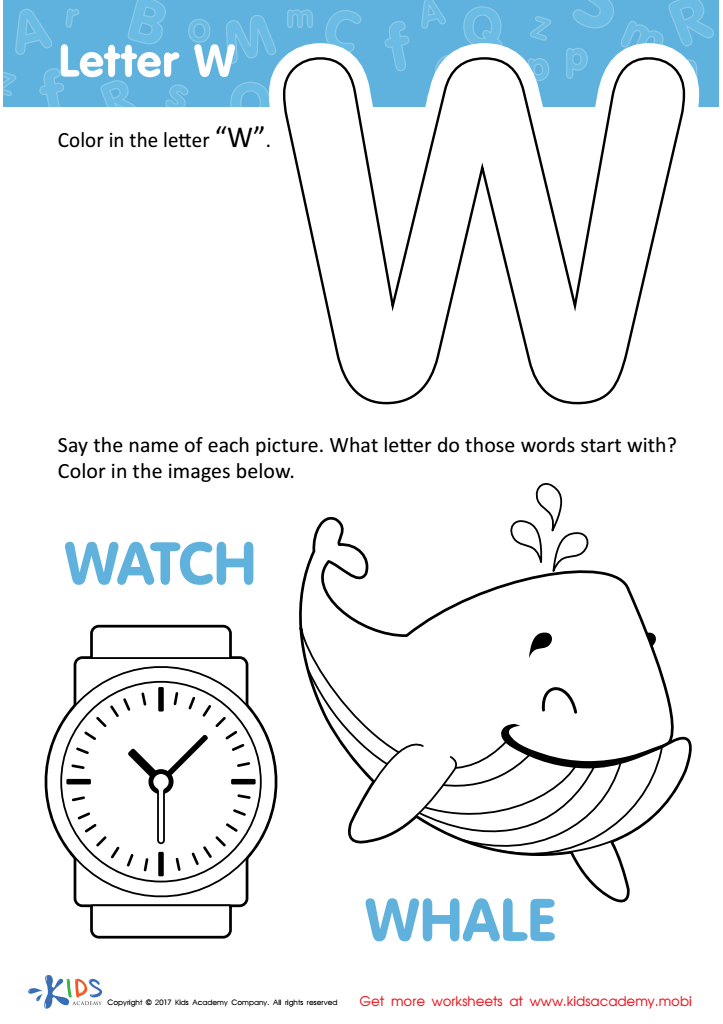
Letter W Coloring Sheet
Assign to My Students


Letter tracing skills are fundamental for Grade 3 English learners, as they lay the groundwork for effective reading and writing. For parents and teachers, fostering these skills is essential for several reasons. Firstly, letter tracing helps children develop fine motor skills, improving their hand-eye coordination and control over writing instruments. This physical aspect is crucial for successful handwriting as children progress academically.
Moreover, tracing letters reinforces letter recognition, which is critical for reading fluency. When children actively engage in tracing, they not only learn to differentiate between letters but also reinforce phonetic sounds associated with each letter. This phonemic awareness is vital as they begin to decode words.
Additionally, with technology increasingly integrated into education, ensuring that students have strong foundational skills in handwriting becomes even more important. It enhances their overall literacy development, making them better equipped for both traditional and digital learning environments.
Lastly, tracing letters can be a fun and engaging activity, creating a positive association with learning. This enthusiasm can foster a lifelong love of reading and writing, making early literacy a priority for both parents and teachers. Investing time in letter tracing now will yield significant academic benefits in the future.