Environmental awareness Grade 3 Worksheets
5 filtered results
-
From - To
Discover engaging Environmental Awareness Grade 3 Worksheets designed to inspire and educate young learners about the importance of protecting our planet. These printable worksheets cover various topics such as recycling, energy conservation, and understanding ecosystems. With interactive activities and fun graphics, our resources encourage critical thinking and foster a deep appreciation for nature among third graders. Perfect for both classroom and home use, these worksheets provide practical knowledge and environmental stewardship skills. Equip your students with the tools they need to make a positive impact on their world while meeting educational standards. Start exploring now!
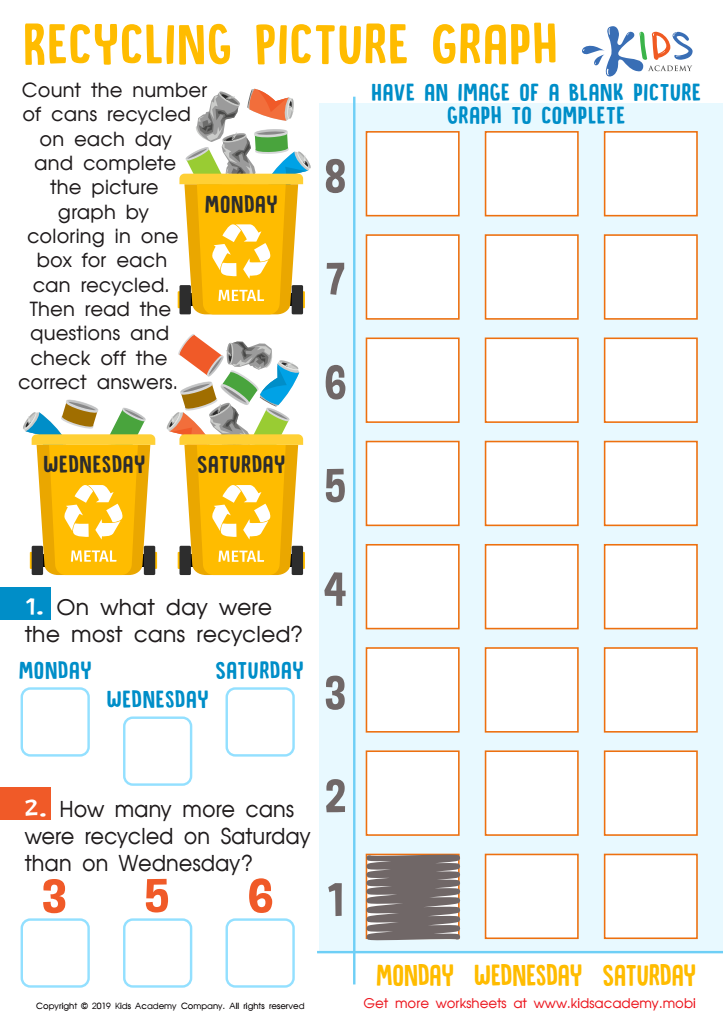
Recycling Picture Graph Worksheet
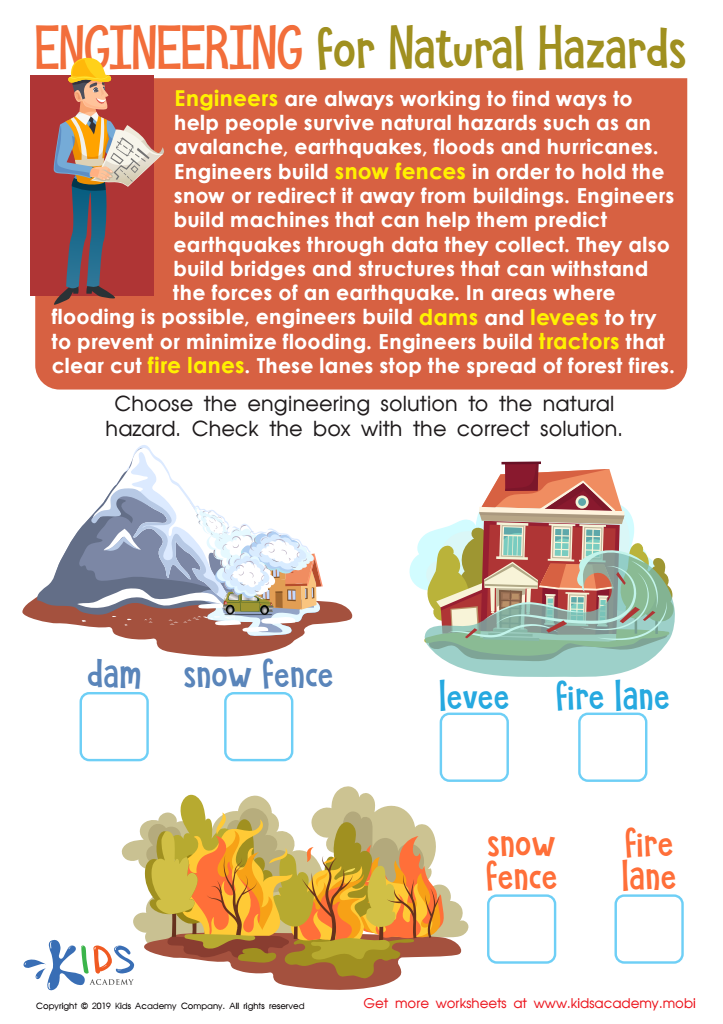
Engineering Natural Hazards Worksheet
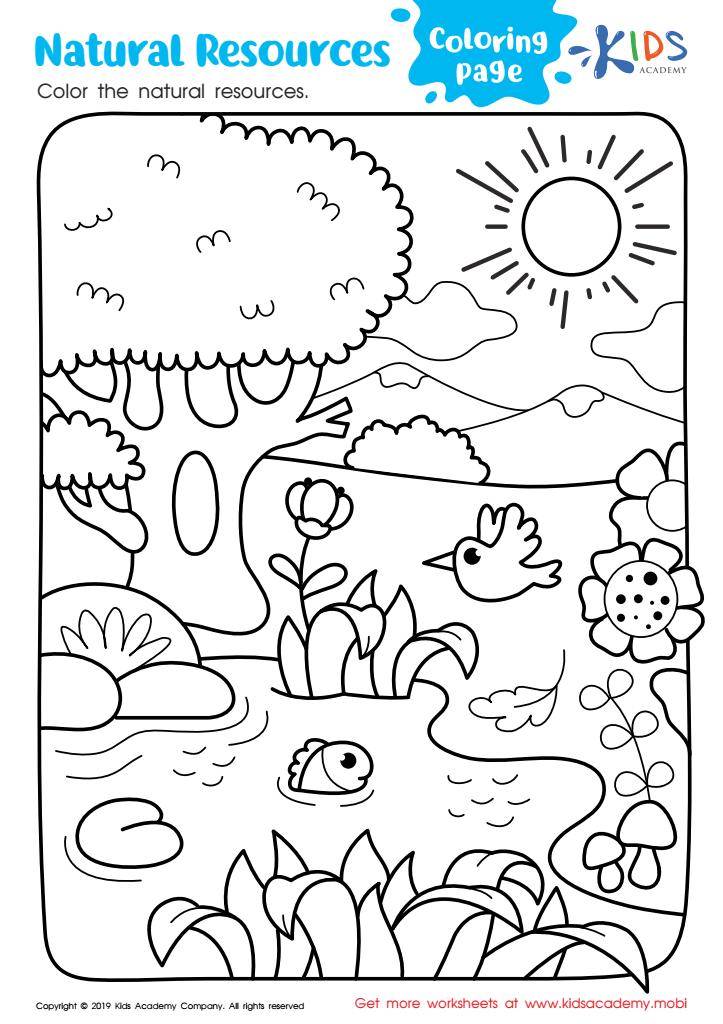
Natural Resources Coloring Page Worksheet
 Assign to My Students
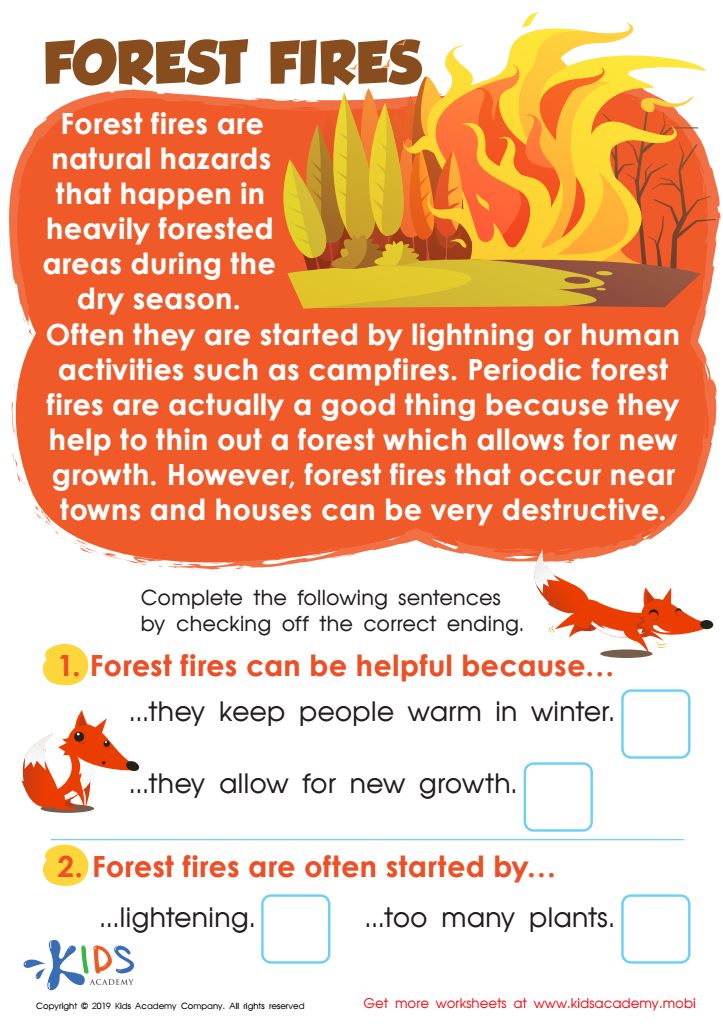
Forest Fires Worksheet
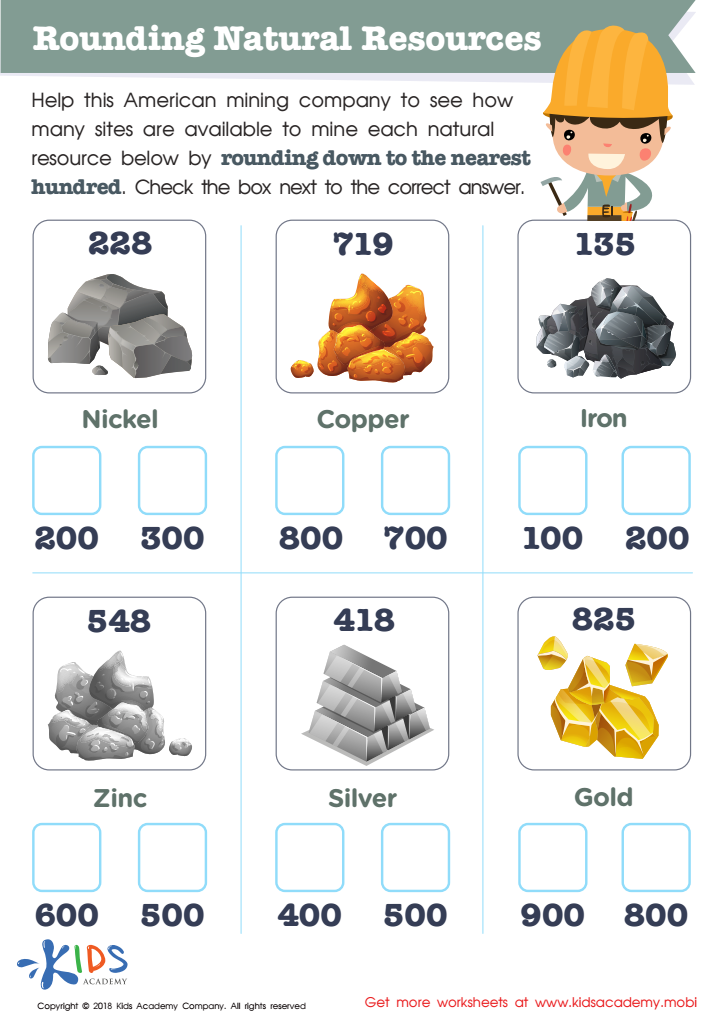
Rounding Natural Resources Worksheet








Ensuring that third-grade students gain environmental awareness is crucial for several reasons. First and foremost, developing an understanding of environmental concepts at a young age fosters a lifelong respect for nature. When children learn about ecosystems, recycling, and conservation, they are more likely to adopt and maintain eco-friendly habits throughout their lives. This not only helps in preserving our planet but also instills a sense of responsibility.
Secondly, environmental awareness can enhance students' critical thinking and problem-solving skills. When children explore topics like pollution or climate change, they are encouraged to think about solutions and the impact of their actions. This paves the way for developing their analytical skills and creativity.
Moreover, teaching environmental awareness supports interdisciplinary learning. Lessons about the environment can be integrated with science, geography, math, and even language arts. For example, a hands-on project might involve measuring rainfall, charting its results, and writing a summary, thereby reinforcing multiple academic skills.
Lastly, instilling environmental values early on promotes community-mindedness. Children learn that their actions have consequences on a global scale, helping them develop empathy and a sense of global citizenship. Therefore, both parents and teachers should emphasize environmental awareness to not only equip children with essential knowledge and skills but also foster a generation that values and protects our Earth.