Vocabulary expansion Grade 3 Adding up to 1000 Worksheets
4 filtered results
Difficulty Level
Grade
Age
-
From - To
Subject
Activity
Standards
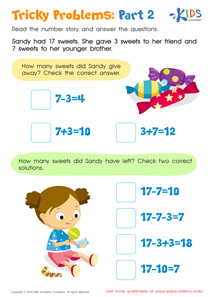
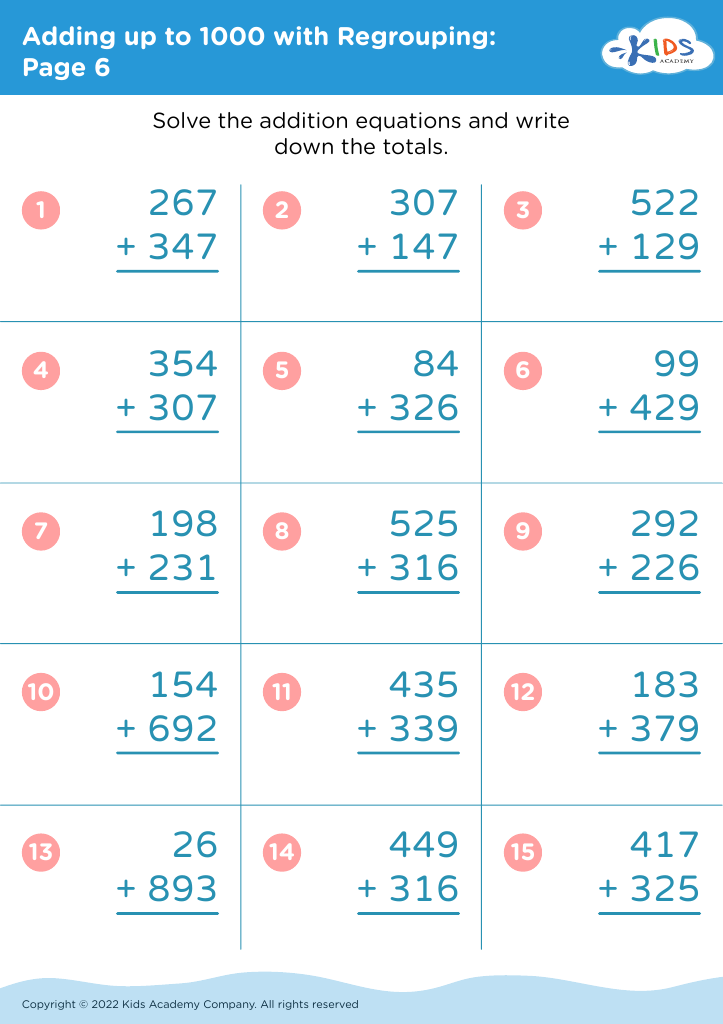
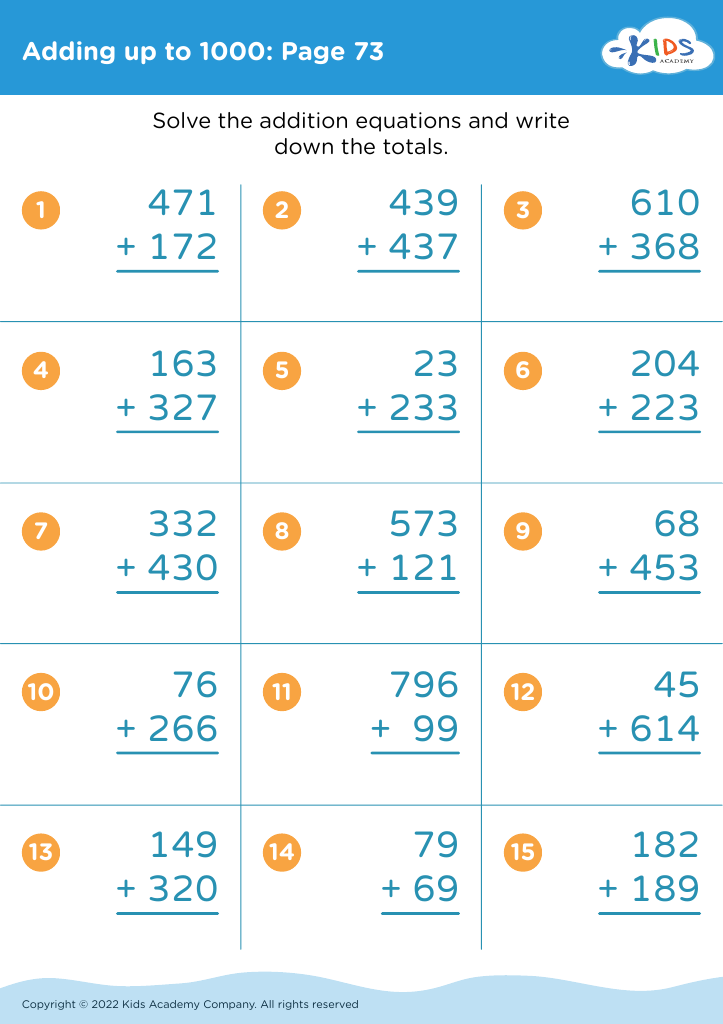
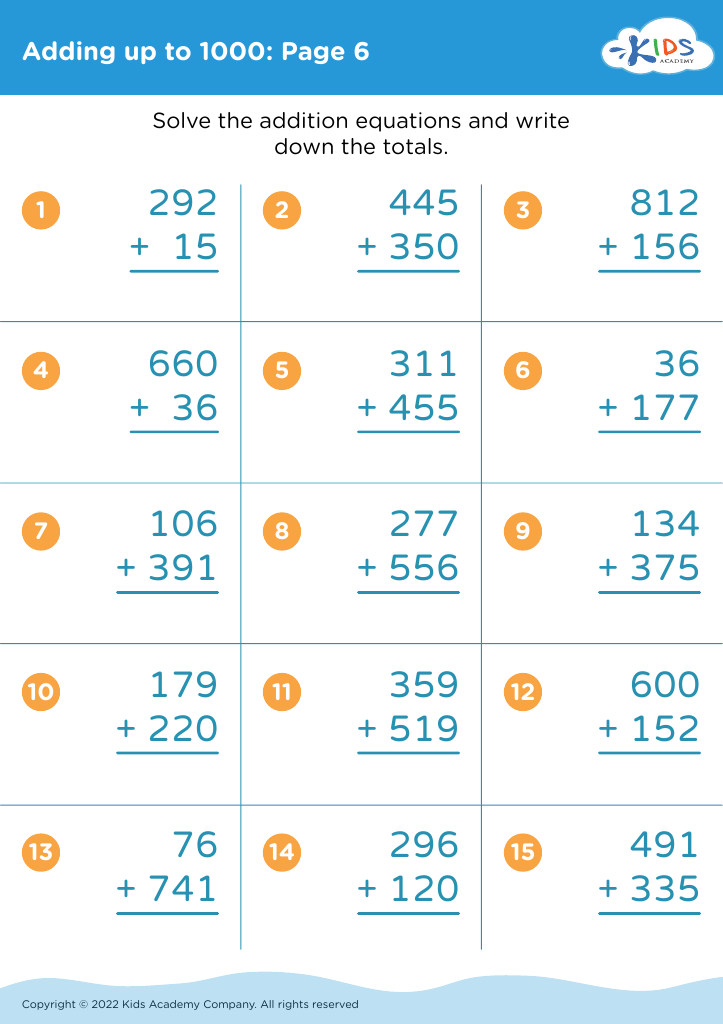
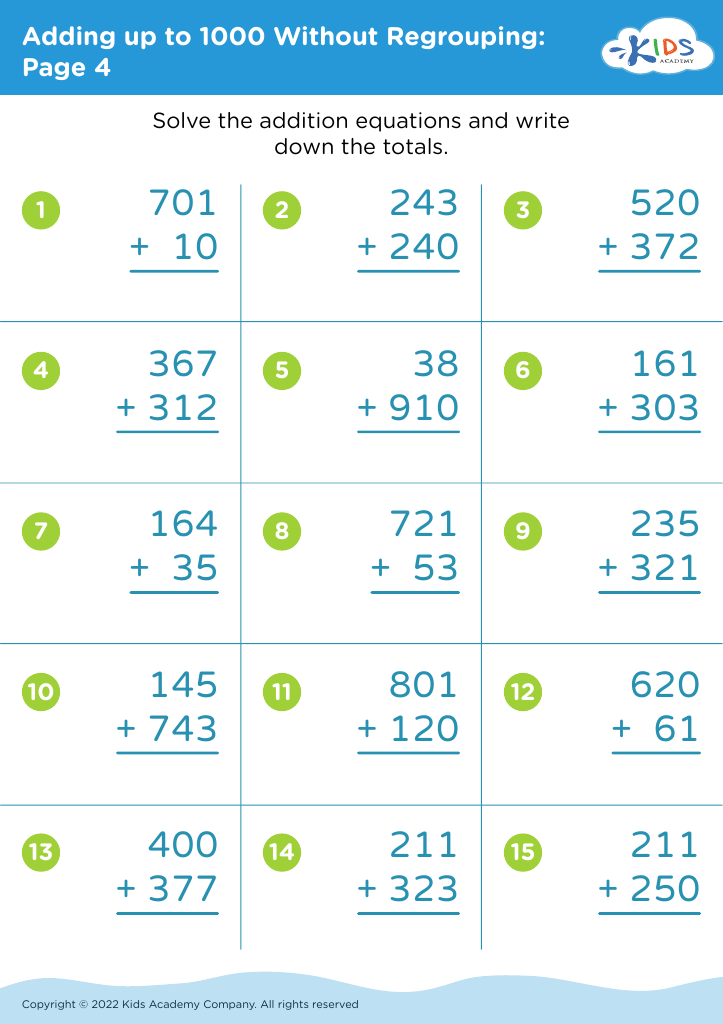
Unlock the potential of your third grader's vocabulary with our "Vocabulary Expansion Grade 3 Adding Up to 1000 Worksheets." These expertly designed worksheets not only enhance math skills by helping students practice adding numbers up to 1000, but also foster valuable vocabulary growth. Aligned with educational standards, these engaging activities make learning both fun and effective. Ideal for classroom use or extra practice at home, our worksheets cater specifically to third graders, reinforcing key concepts in a comprehensible manner. Help your child excel in both mathematics and language skills through our multifaceted worksheets.
Favorites
With answer key
Interactive
Join Kids Academy for Free
Who is primarily going to use this learning content?


Parents and teachers should care deeply about vocabulary expansion in Grade 3, particularly with the goal of adding up to 1,000 words, because of its crucial role in children’s cognitive and communication development. A robust vocabulary serves as the foundation for effective reading comprehension and writing skills. When children understand and can use a wide range of words, they are better able to grasp complex concepts, follow along in class discussions, and express their ideas clearly.
At this stage, students transition from 'learning to read' to 'reading to learn.' Expanded vocabulary aids in this transition by enhancing their ability to extract meaning from texts across all subjects. Additionally, a well-developed vocabulary has been linked to higher academic performance, not only in language arts but also in subjects like science and social studies where reading comprehension is essential.
Moreover, strong vocabulary skills boost children's confidence in both social settings and academic environments, fostering better participation during class activities and discussions. Engaging and collaborating with peers becomes easier, as students can more effectively communicate their thoughts.
Overall, vocabulary expansion in Grade 3 sets students up for future success by enriching their language skills, supporting cognitive development, and building a strong foundation for lifelong learning and communication.