Understanding sequencing Grade 3 Addition & Subtraction Worksheets
3 filtered results
-
From - To
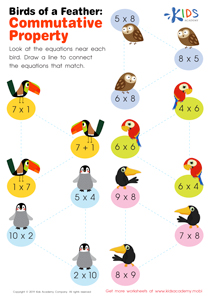
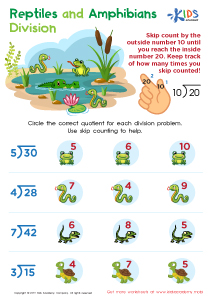
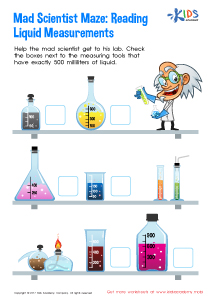
Enhance your child's math skills with our Grade 3 Addition & Subtraction sequencing worksheets. These engaging resources are designed to help students grasp the concept of order and sequence in arithmetic operations. By practicing sequencing, kids can improve their understanding of the logical flow required in problem-solving. Each worksheet features diverse exercises that make learning both fun and effective. These activities not only bolster basic math skills but also build a strong foundation for more advanced concepts in the future. Perfect for classroom use or extra practice at home, these worksheets ensure your child’s success in math.
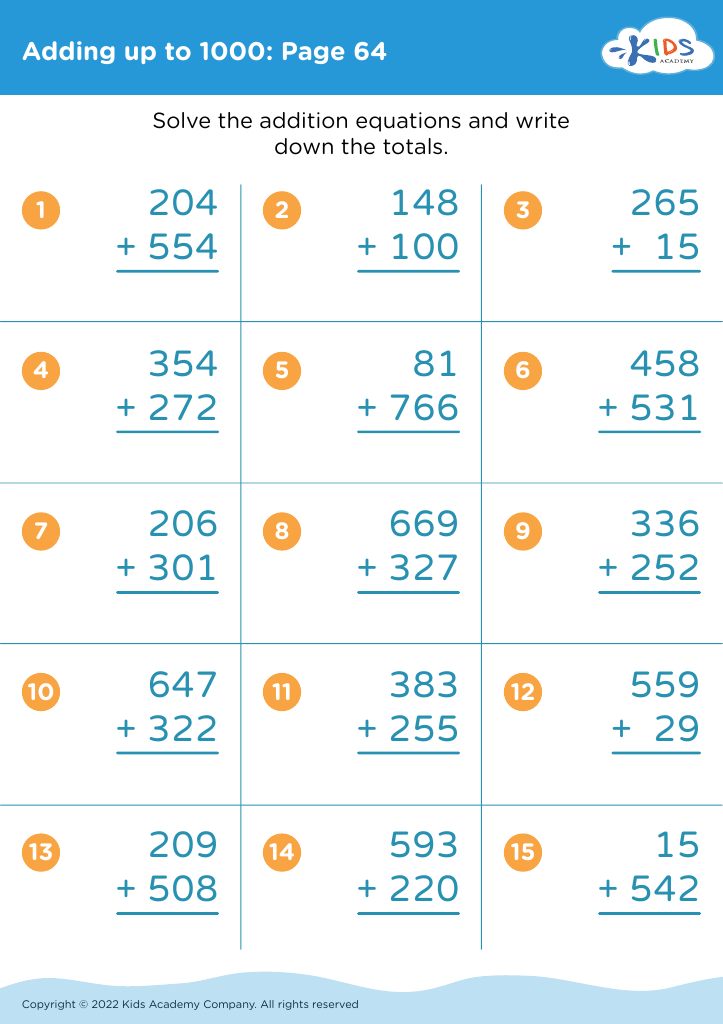
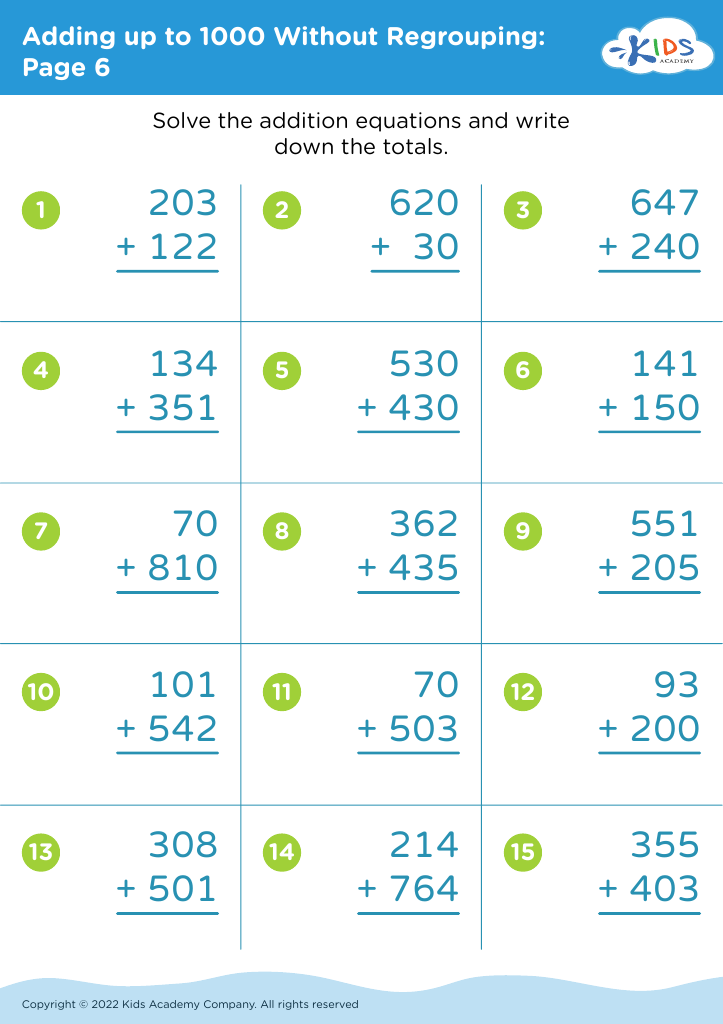
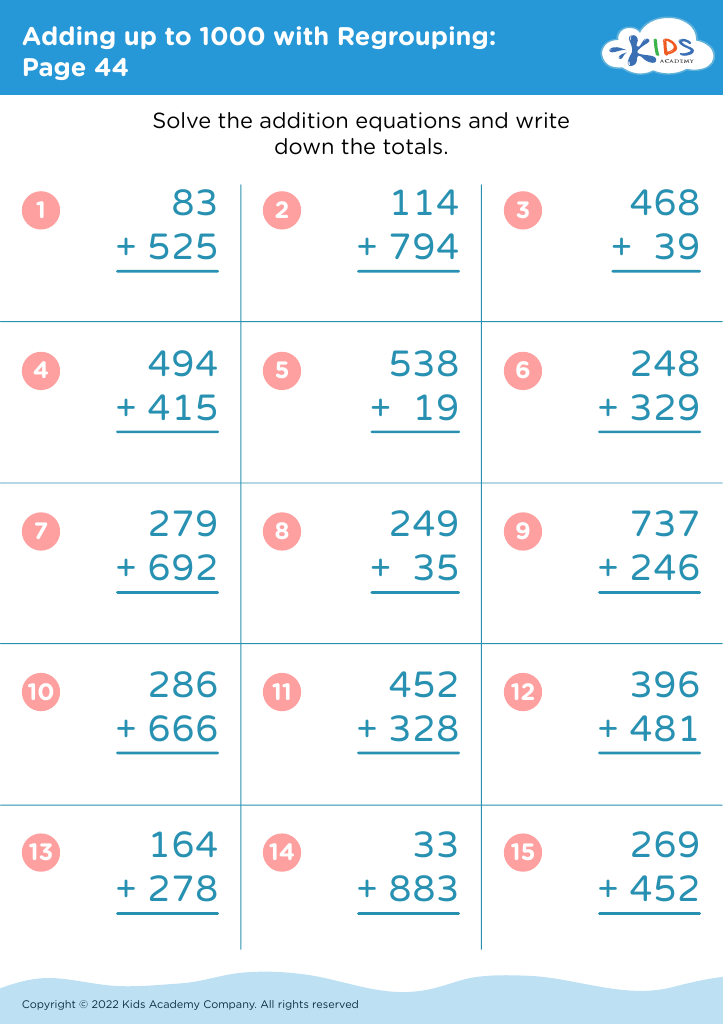








Understanding sequencing in Grade 3 addition and subtraction is crucial for building a solid mathematical foundation for young learners. Sequencing refers to the order in which problems are solved and how steps are logically followed, which is essential for students to grasp and apply mathematical concepts accurately.
For parents and teachers, emphasizing sequencing helps ensure children develop a step-by-step approach to problem-solving. This method enhances their analytical and critical thinking skills and paves the way for success in more complex math topics in the future. When students understand sequencing, they can break down problems into manageable steps, reducing anxiety and increasing confidence in their math abilities.
Moreover, learning correct sequencing promotes attention to detail and minimizes errors, as students follow a logical flow of operations. It also aids in recognizing patterns and relationships between numbers, which are fundamental principles in mathematics.
By paying attention to sequencing in Grade 3 addition and subtraction, parents and teachers help children develop essential habits that extend beyond math, including improved focus, organization, and perseverance. These skills are invaluable across all areas of learning and everyday life, fostering well-rounded, thoughtful, and capable individuals.
Overall, an investment in understanding sequencing builds a robust foundation for future academic success and lifelong learning skills.