Attention to Detail Grade 3 Building Vocabulary Worksheets
3 filtered results
-
From - To
Boost your third grader’s vocabulary and comprehension with our Attention to Detail Grade 3 Building Vocabulary Worksheets! Designed to strengthen critical reading skills, these engaging activities encourage students to examine text closely and identify essential details. With fun exercises that focus on context clues and word meanings, your child will enhance their understanding and retention of new vocabulary. Perfect for both classroom and home learning, these worksheets foster a love for reading while improving attention to detail. Access a variety of colorful and interactive worksheets to make vocabulary building a fun and rewarding experience for young learners!
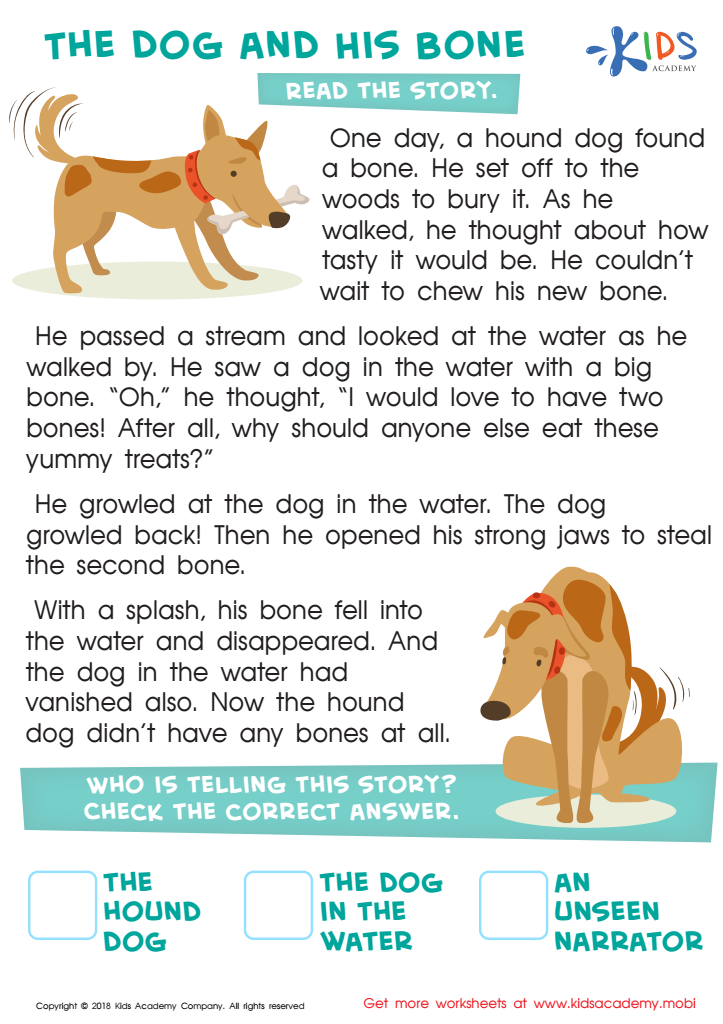
The Dog and His Bone Worksheet
 Assign to My Students
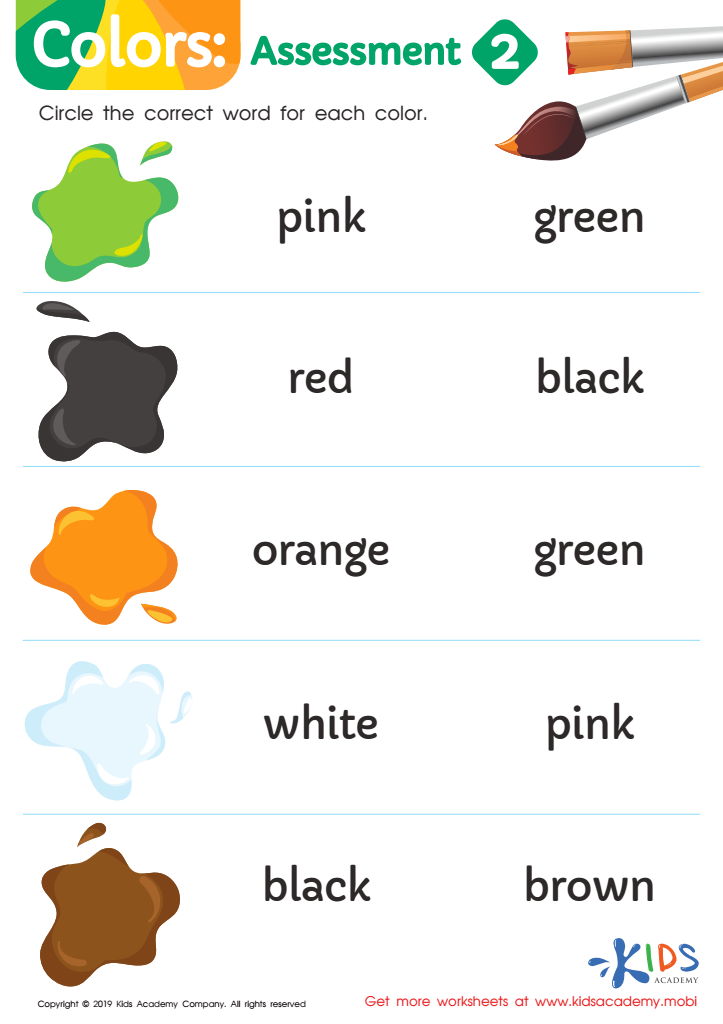
Colors: Assessment 2 Worksheet
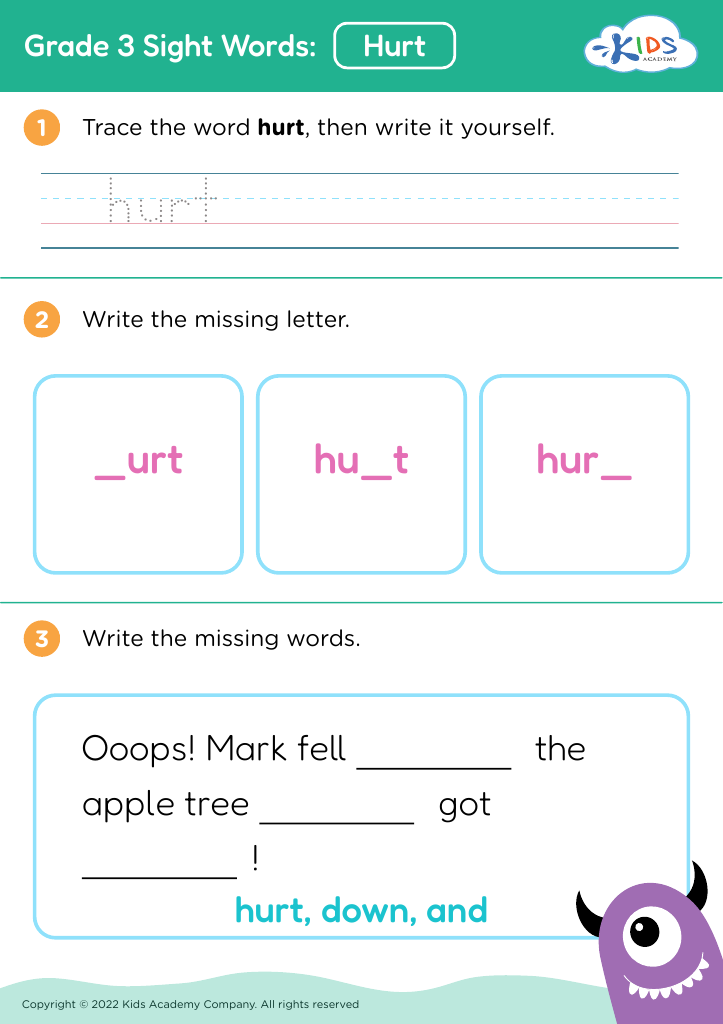








Attention to Detail in Grade 3 Building Vocabulary is crucial for students’ academic growth and overall literacy development. At this stage, children are transitioning from learning to read to reading to learn, making a robust vocabulary essential. A rich vocabulary enhances comprehension, enabling students to grasp complex concepts across subjects, fostering a deeper understanding of their learning material.
Moreover, attention to detail in vocabulary building helps students express themselves more clearly and effectively. It encourages precise language use, whether in writing or speaking, which boosts confidence and communication skills. This focus prepares students for higher grades where advanced vocabulary is not just encouraged but necessary to succeed.
Parents and teachers must be proactive in fostering vocabulary development through engaging activities, discussions, and reading. Additionally, reinforcing new words at home and in the classroom ensures that students can recognize and apply various terms in different contexts, developing critical thinking skills.
Strong vocabulary skills are linked to long-term academic success and enhanced social interactions. By prioritizing attention to detail in building vocabulary, parents and educators fundamentally contribute to a child’s lifelong learning journey, instilling habits that will benefit them beyond the classroom. Thus, a collective effort toward vocabulary enhancement is invaluable.