Vocabulary development Grade 3 Building Vocabulary Worksheets
5 filtered results
-
From - To
Enhance your third grader’s language skills with our "Vocabulary Development Grade 3 Building Vocabulary Worksheets." These engaging, printable resources are designed to help young learners expand their vocabulary and improve their reading comprehension. Each worksheet focuses on key concepts such as synonyms, antonyms, context clues, and word usage, providing fun and interactive activities that motivate students. Track progress and foster a love for words with exercises that cater to different learning styles. Ideal for classroom or home use, these worksheets lay a strong foundation for academic success. Start building a rich vocabulary today to empower your child's language journey!

King Midas Worksheet
 Assign to My Students
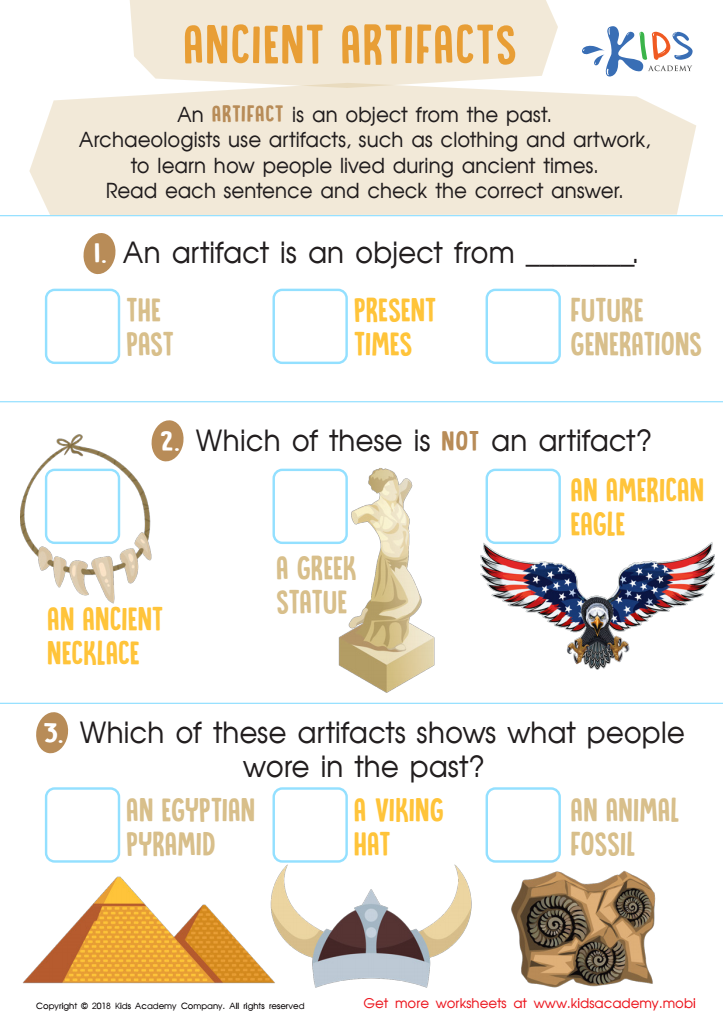
Ancient Artifacts Worksheet
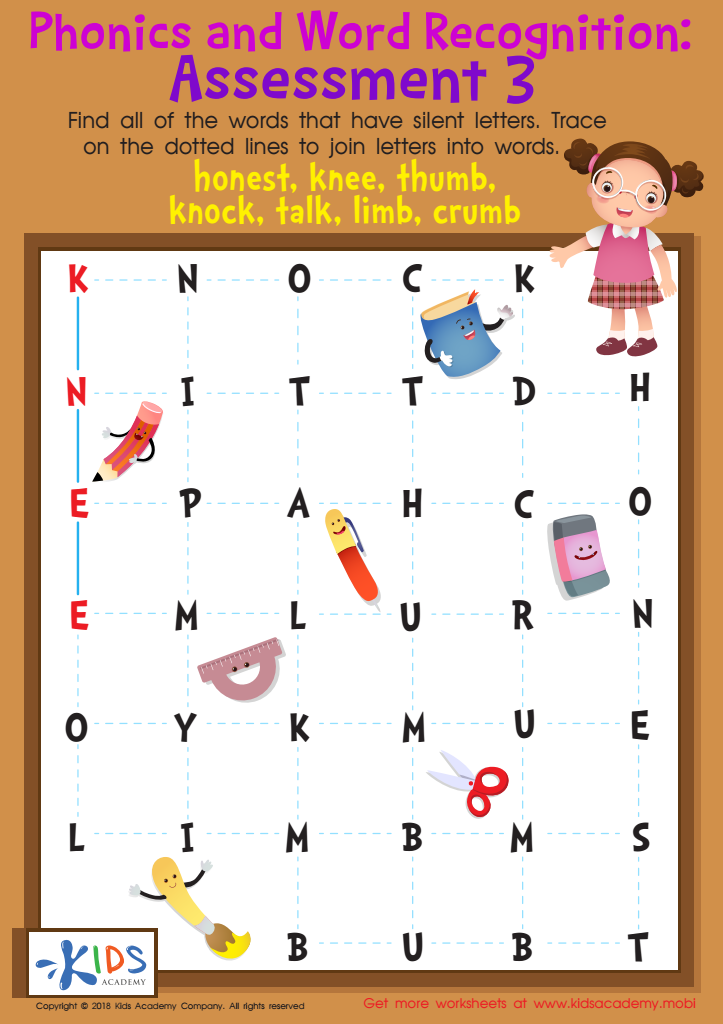
Phonics and Word Recognition: Assessment 3 Worksheet
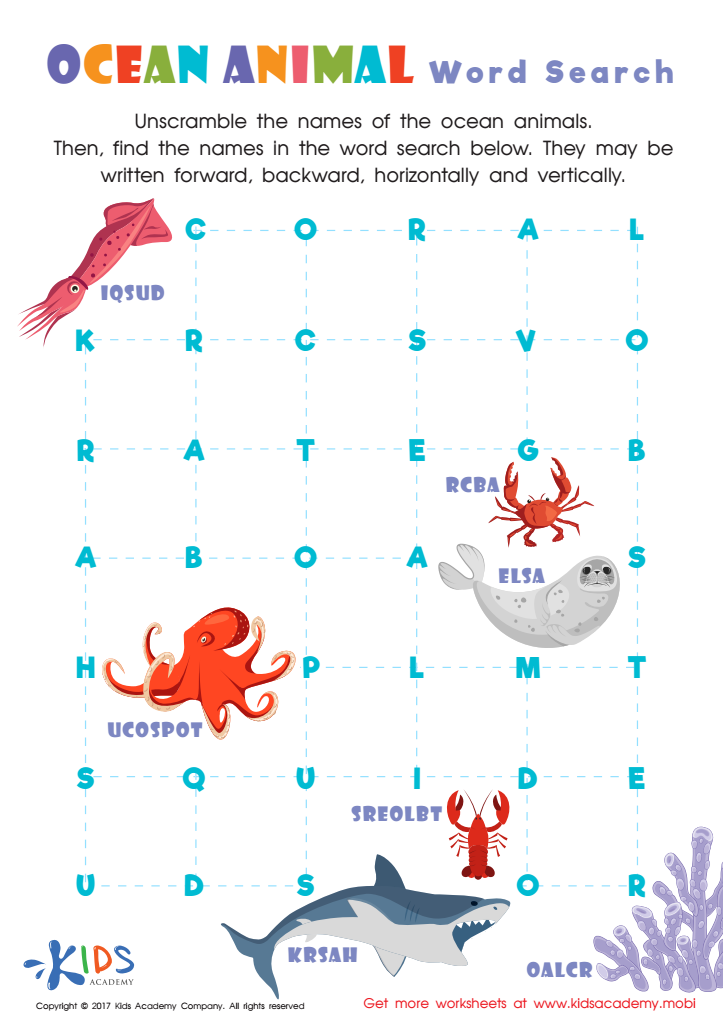
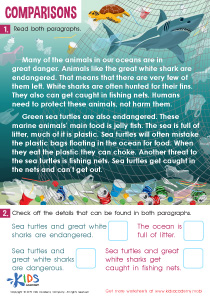
Ocean Animals Word Search Printable
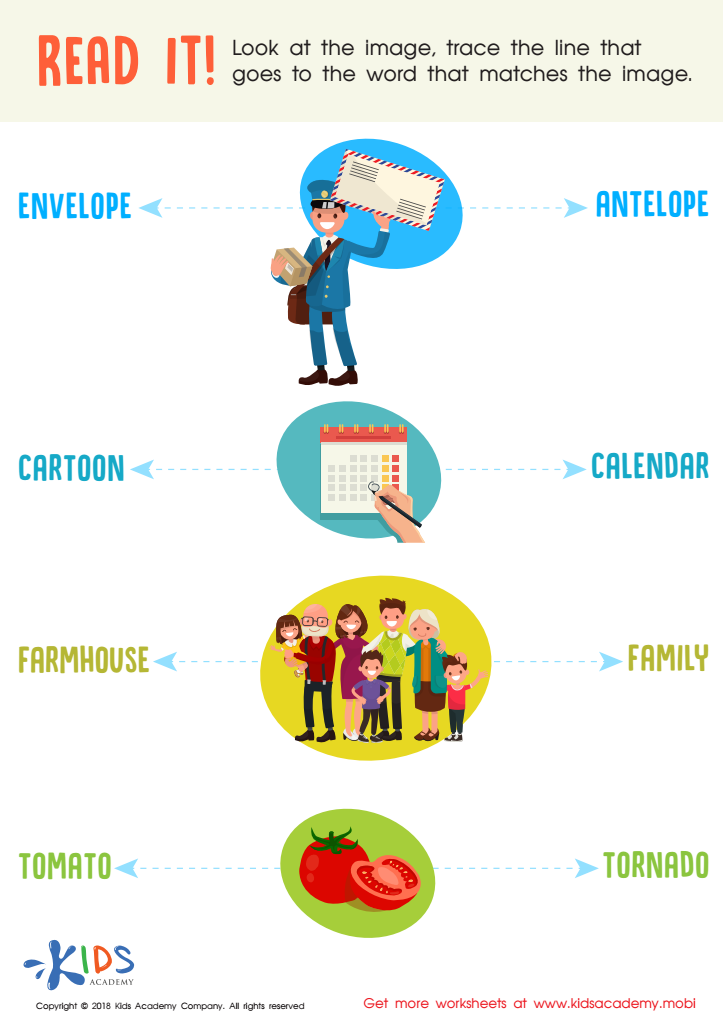
Read It! Worksheet








Vocabulary development in Grade 3 is crucial for several reasons, making it a significant focus for both parents and teachers. At this age, students transition from learning to read to reading to learn. A robust vocabulary enables them to comprehend various texts, grasp intricate concepts, and engage deeply in discussions—skills essential for academic success.
A strong vocabulary also enhances communication abilities. Children learn to express their thoughts, emotions, and ideas more clearly, fostering effective interpersonal skills. Parents and teachers play a vital role in this development by providing rich language environments filled with diverse words through conversations, storytelling, and reading together.
Moreover, vocabulary is linked to confidence and motivation in learning. As students encounter words they understand, they become more engaged and willing to tackle new challenges. This positive reinforcement cultivates a love for learning and encourages lifelong literacy habits.
Lastly, strong vocabulary skills are foundational for future academic performance, influencing reading comprehension, writing proficiency, and critical thinking. For these reasons, investing time and effort into expanding a child's vocabulary is essential, benefitting not only their immediate academic journey but their overall communication and cognitive skills in the long run.