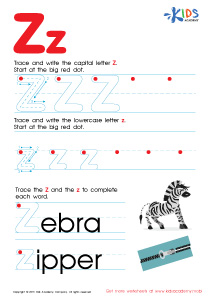
Writing practice ABC Coloring Pages Worksheets for Ages 3-4
6 filtered results
-
From - To
Nurture early literacy and fine motor skills with our "Writing Practice ABC Coloring Pages Worksheets" designed for ages 3-4. These engaging and educational worksheets combine the joy of coloring with the essentials of alphabet writing practice. Each page features appealing illustrations and wide-ruled lines to guide young writers as they practice uppercase and lowercase letters. These activities foster letter recognition, pencil control, and creativity, making early learning fun and effective. Perfect for preschoolers, these worksheets are an ideal resource for parents and teachers who aim to develop foundational writing skills. Download and let little learners explore the alphabet with excitement!
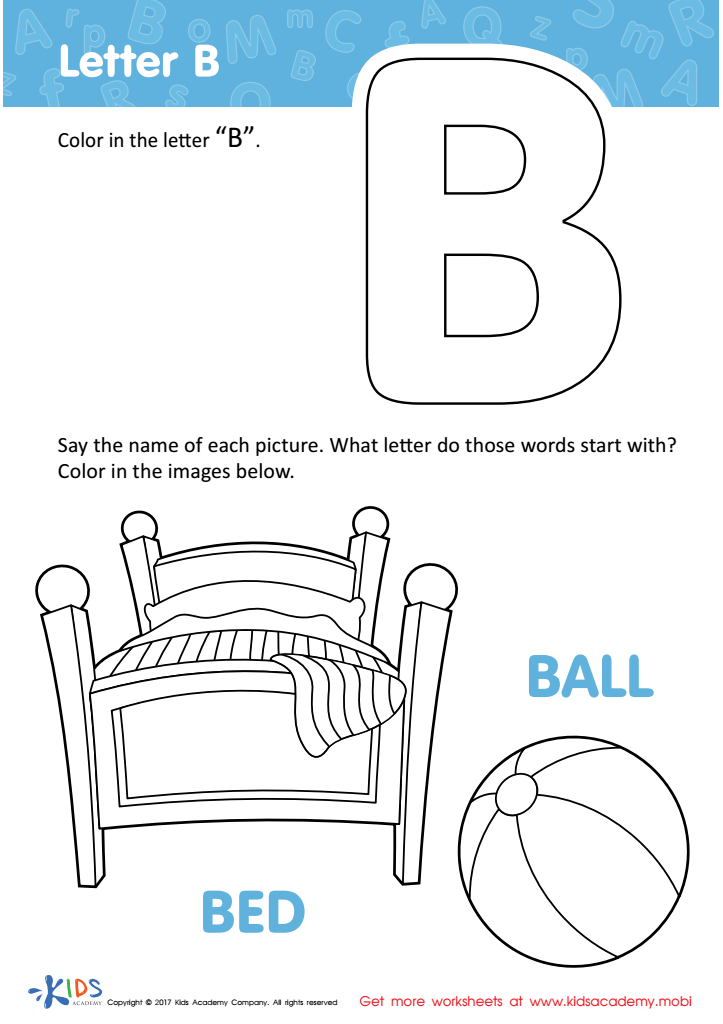
Letter B Coloring Sheet
 Assign to My Students
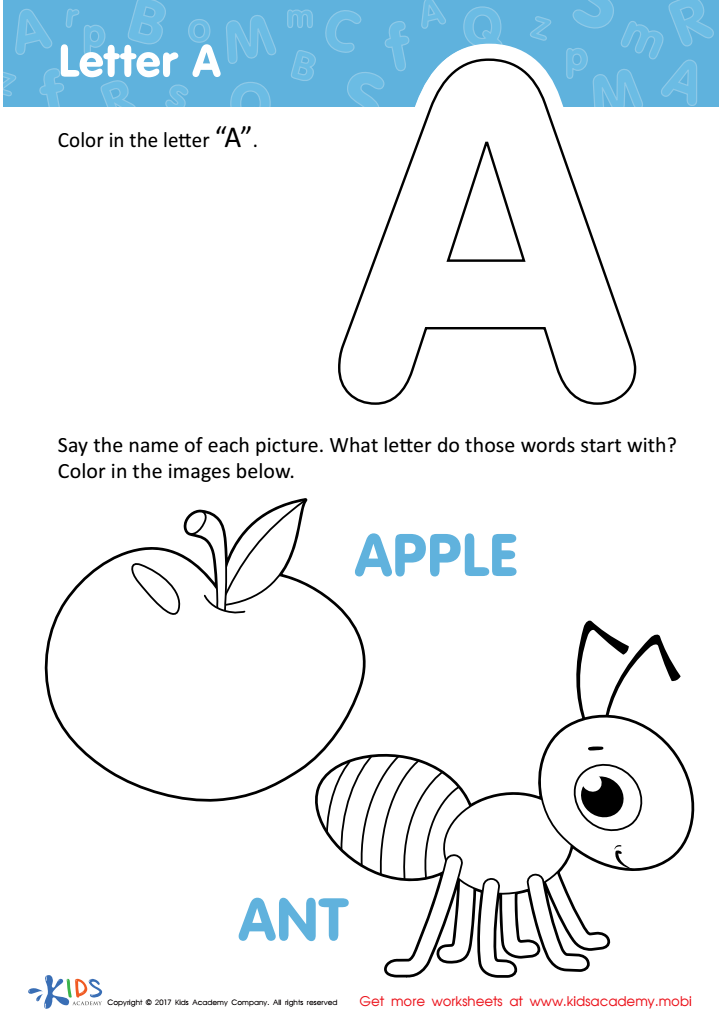
Letter A Coloring Sheet
Assign to My Students
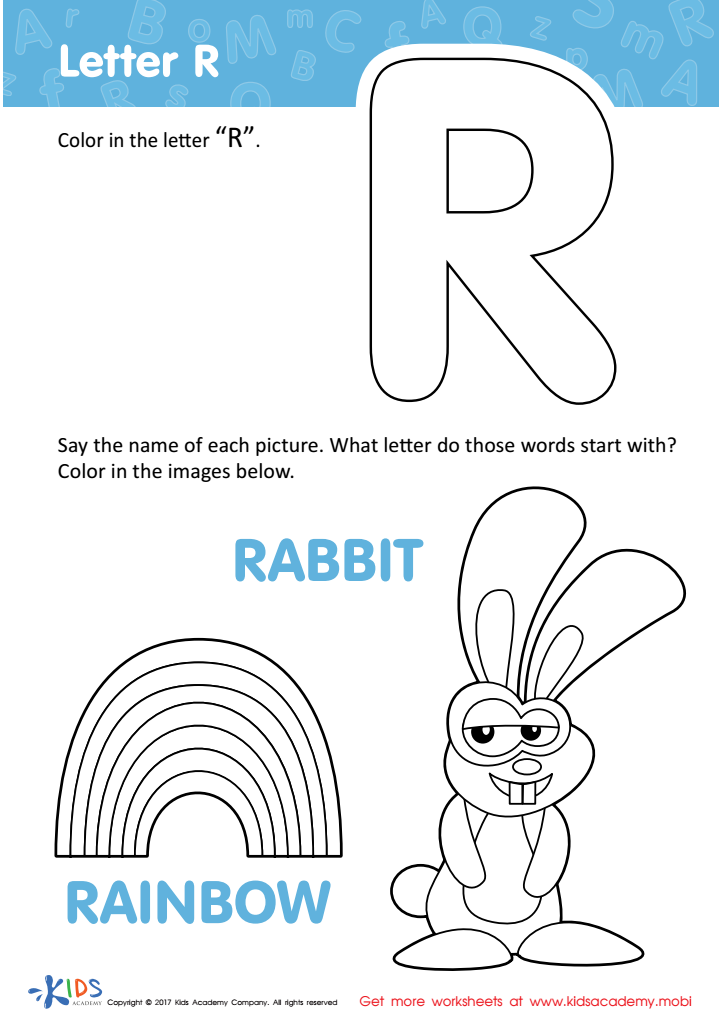
Letter R Coloring Sheet
Assign to My Students
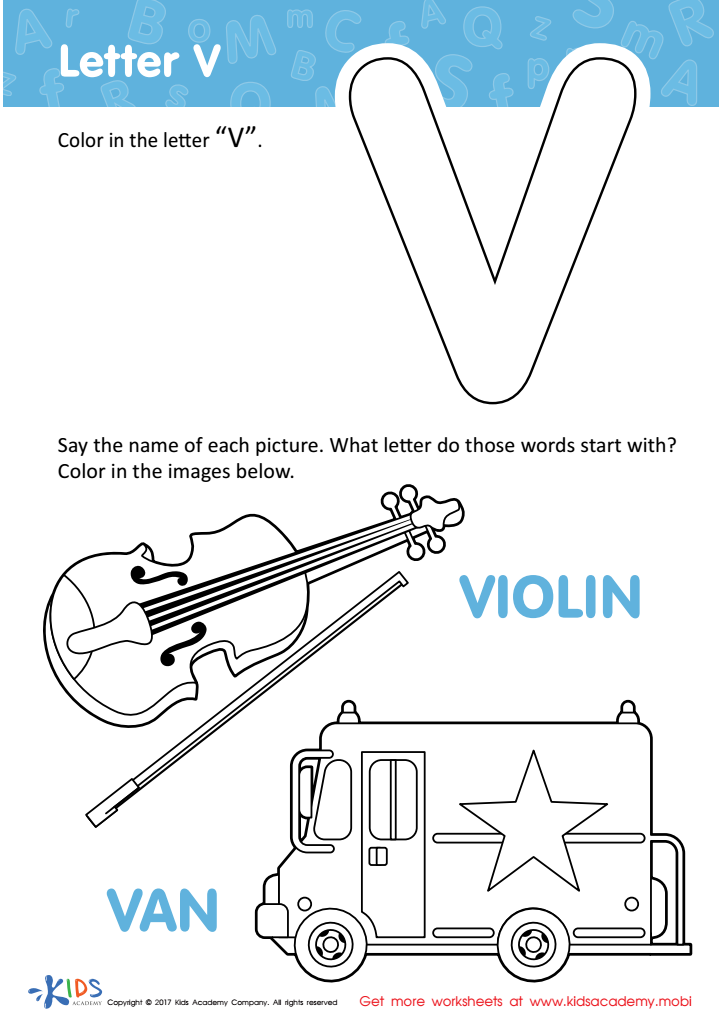
Letter V Coloring Sheet
Assign to My Students
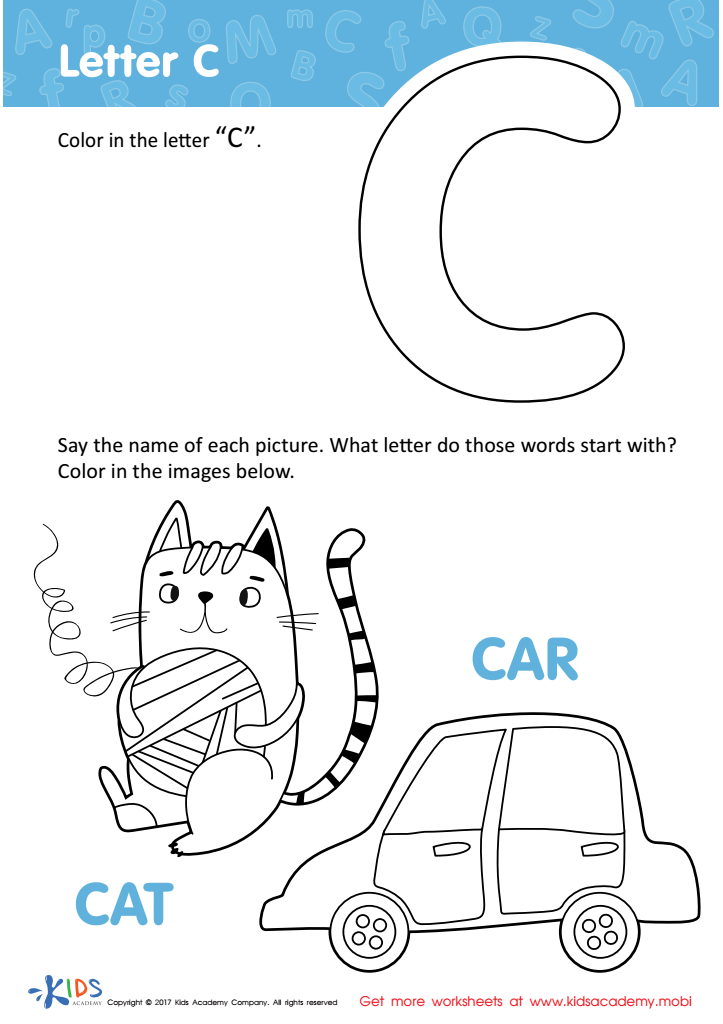
Letter C Coloring Sheet
Assign to My Students
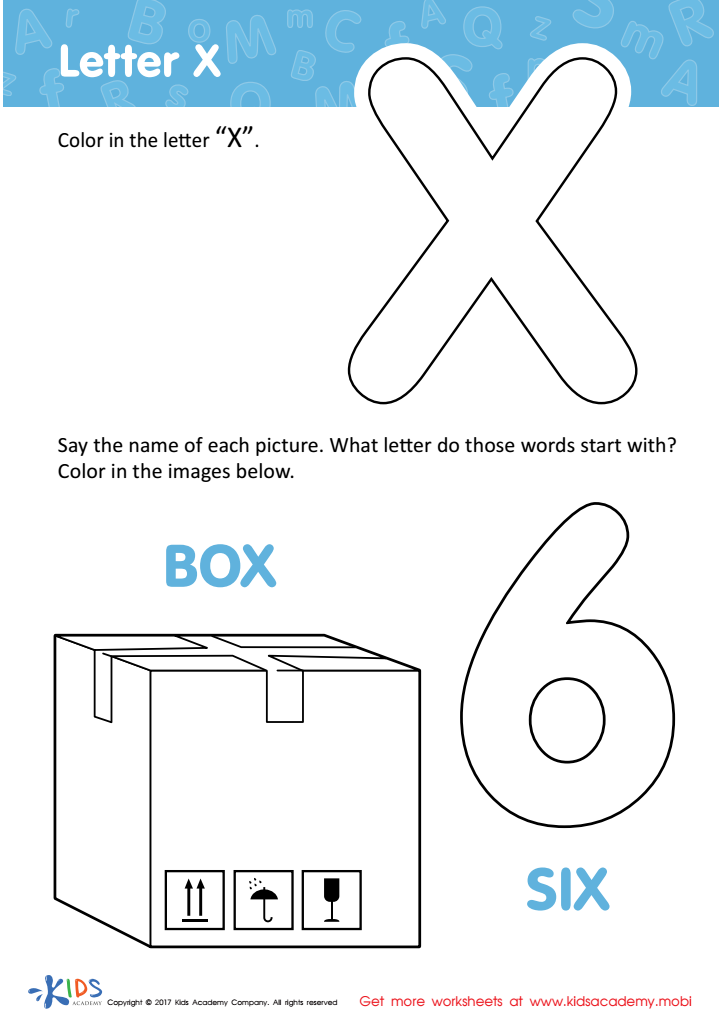
Letter X Coloring Sheet
Assign to My Students



Writing practice ABC coloring pages are a valuable educational tool for children aged 3-4, offering multiple developmental benefits that parents and teachers should consider. At this formative stage, kids are just beginning to develop fine motor skills, and coloring within the lines helps to refine these abilities. This foundational motor control is crucial for future writing and drawing tasks.
Furthermore, introducing the alphabet through coloring pages makes learning engaging and fun. Associating letters with colors and images keeps young children interested and helps reinforce letter recognition in a memorable way. This playful interaction with the alphabet lays the groundwork for literacy, setting the stage for more advanced reading and writing later on.
Additionally, structured activities like these provide a sense of routine and discipline important for early childhood education. Teachers and parents can also use this time to bond with their children, discussing the letters and associated images, thereby expanding vocabulary and enhancing oral language skills.
In summary, writing practice ABC coloring pages integrate motor skills development, engaging learning, and parental or teacher interaction to create a holistic learning experience that sets children on the path to academic success. Investing time in these activities can yield significant long-term benefits for a child’s educational journey.