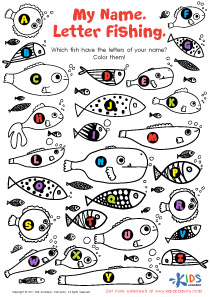
Alphabet Recognition ABC Order Worksheets for Ages 3-4
11 filtered results
-
From - To
Discover our Alphabet Recognition ABC Order Worksheets designed specifically for children ages 3-4! These engaging and colorful worksheets help young learners master the alphabet while developing essential skills. Our ABC order activities encourage children to recognize letters, improve their understanding of letter sequences, and enhance their fine motor skills through fun tracing and writing exercises. Perfect for at-home learning or classroom activities, these worksheets support early literacy and make learning enjoyable. Watch your little ones thrive as they gain confidence in identifying letters and ordering them correctly. Empower their learning journey with our thoughtfully crafted worksheets today!
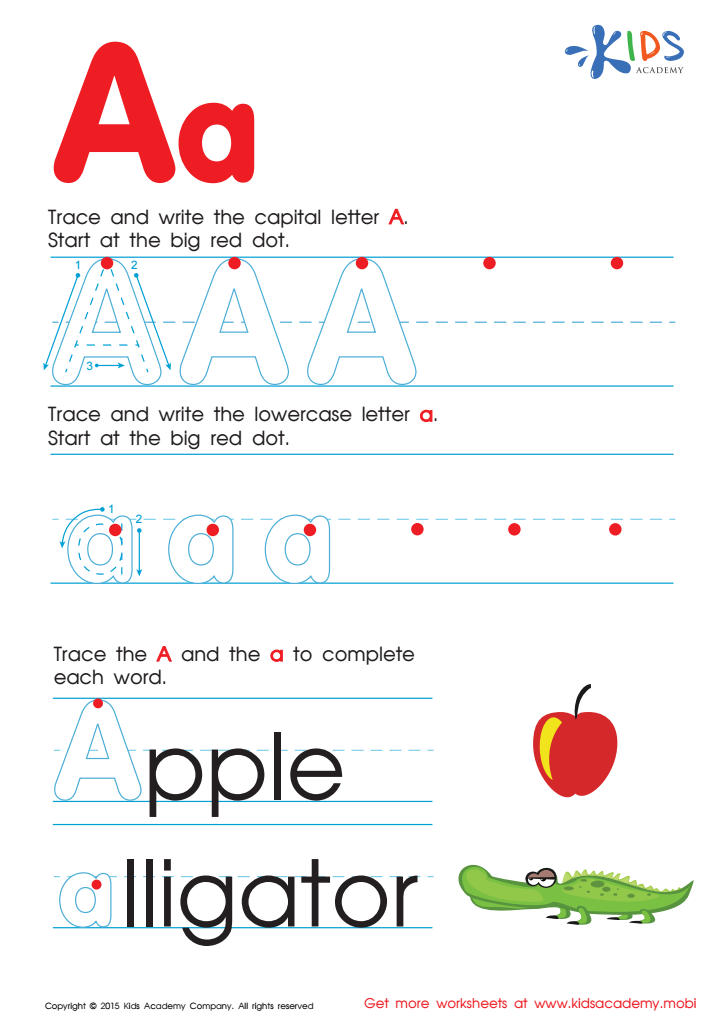
Letter A Tracing Page
 Assign to My Students





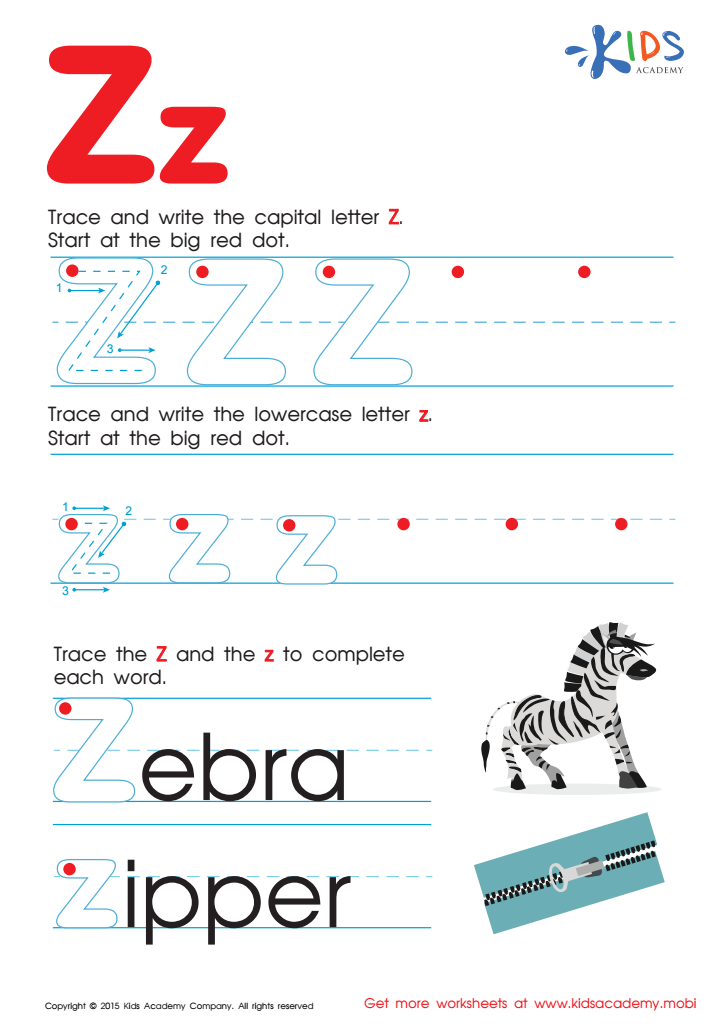
Letter Z Tracing Page
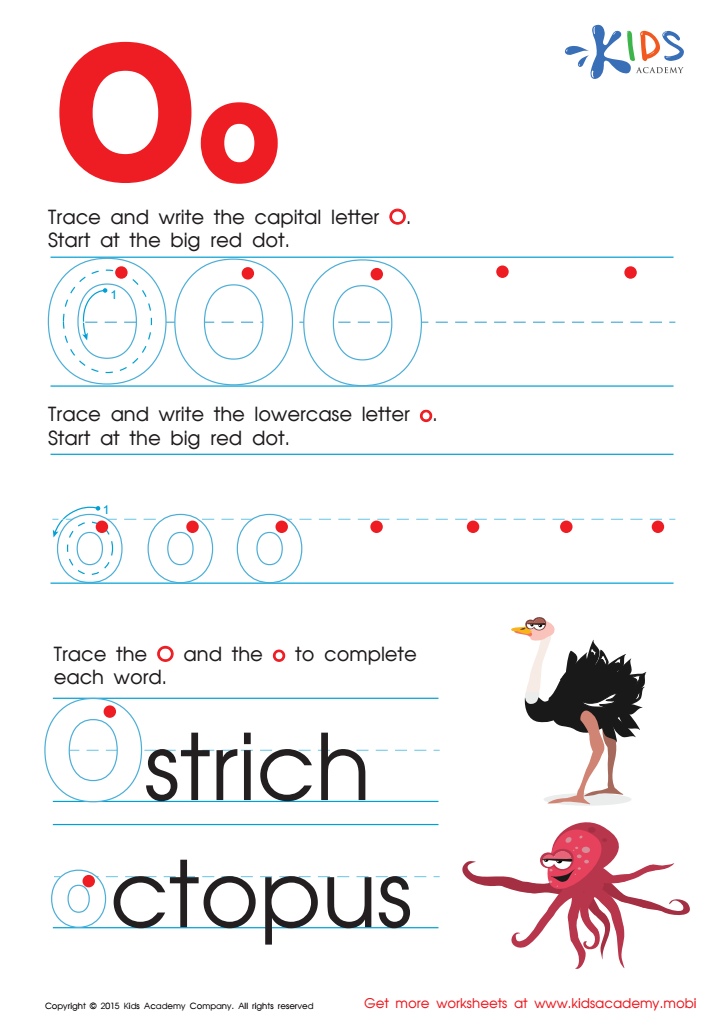
Letter O Tracing Page
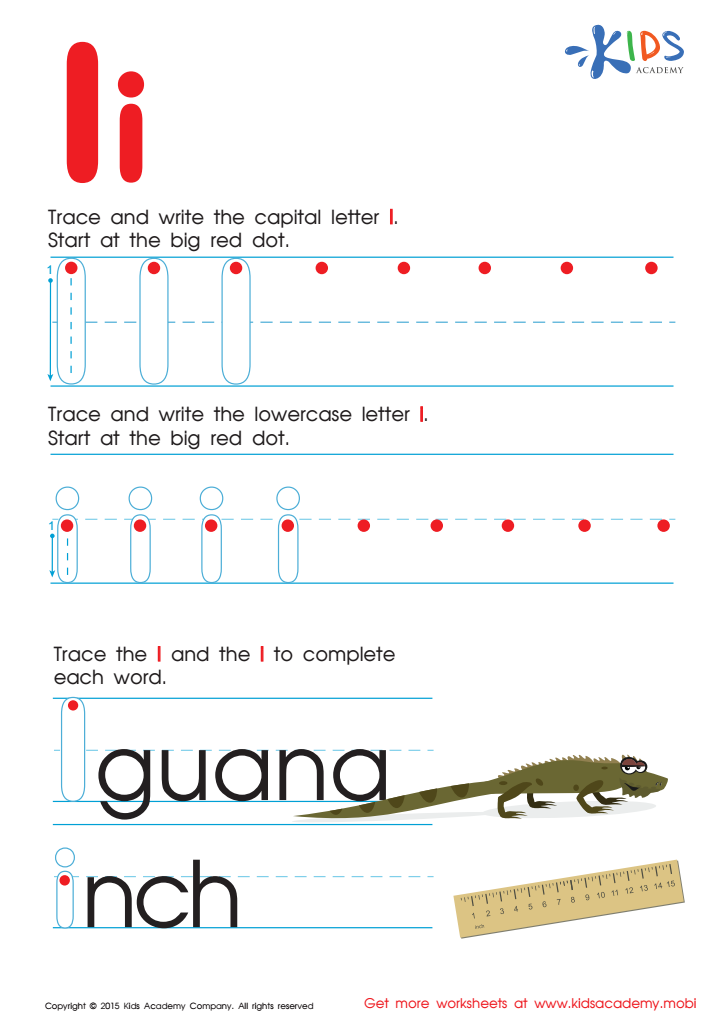
Letter I Tracing Page
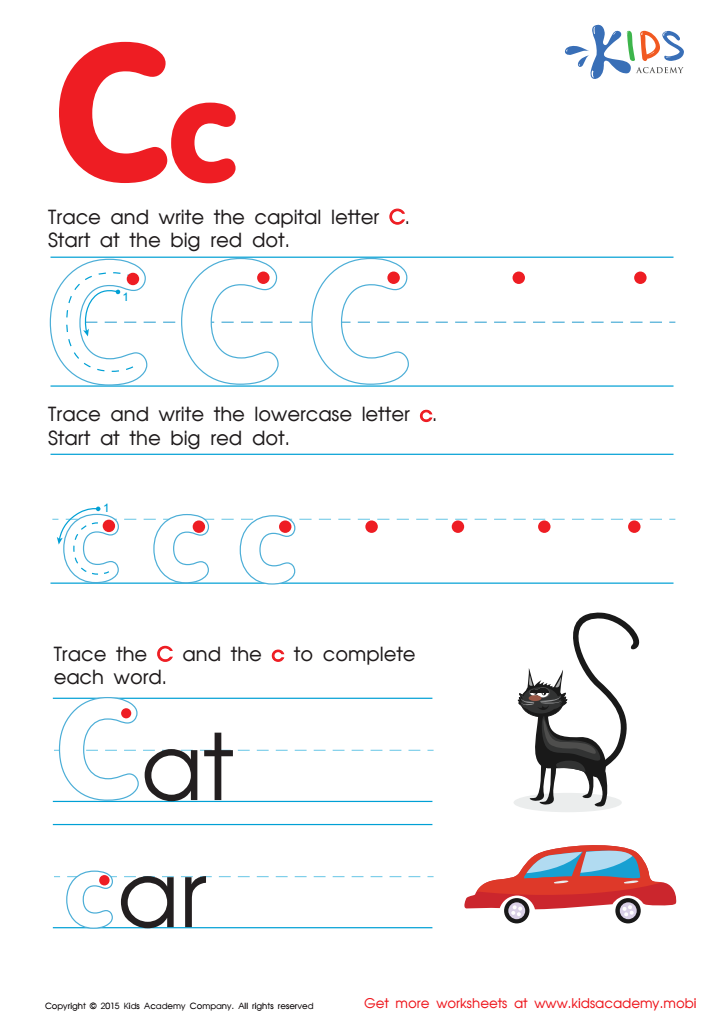
Letter C Tracing Page
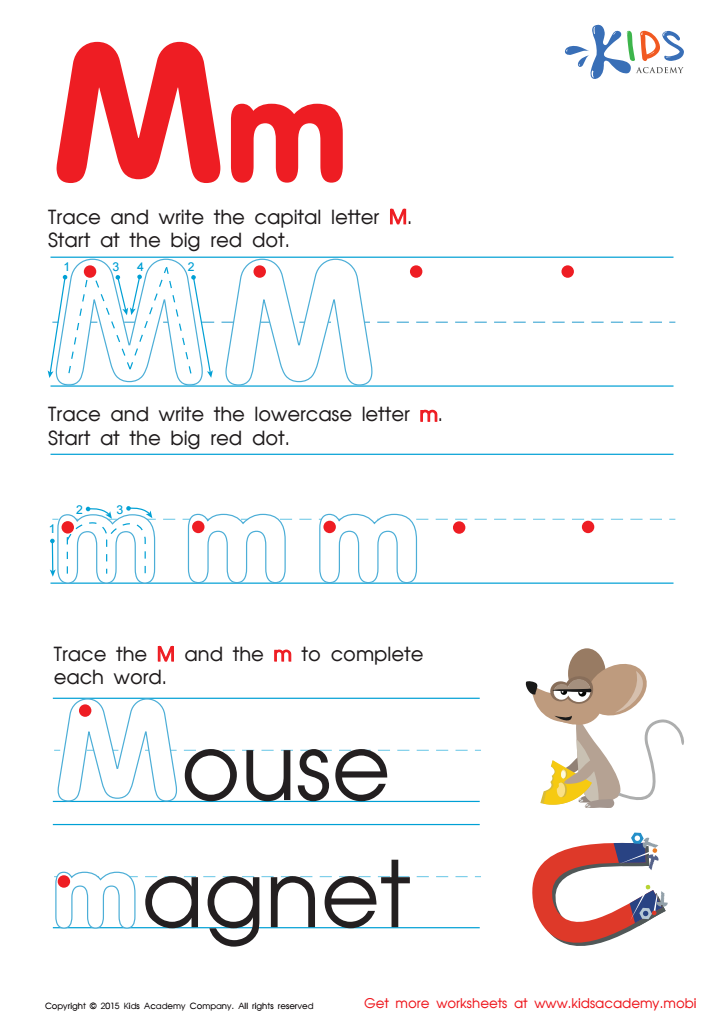
Letter M Tracing Page
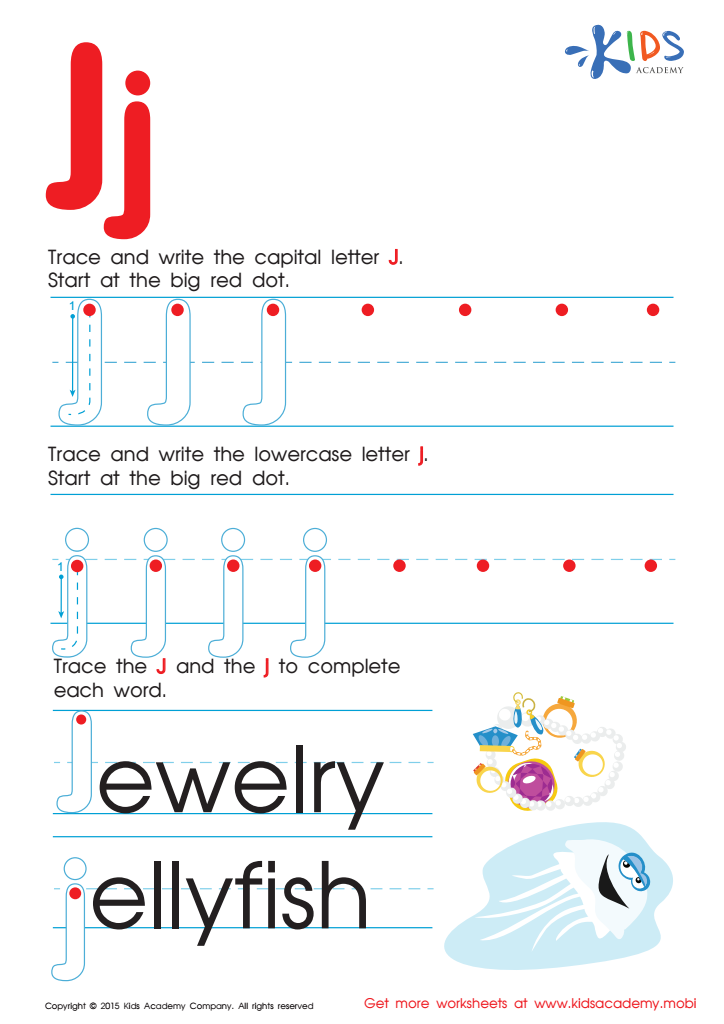
Letter J Tracing Page
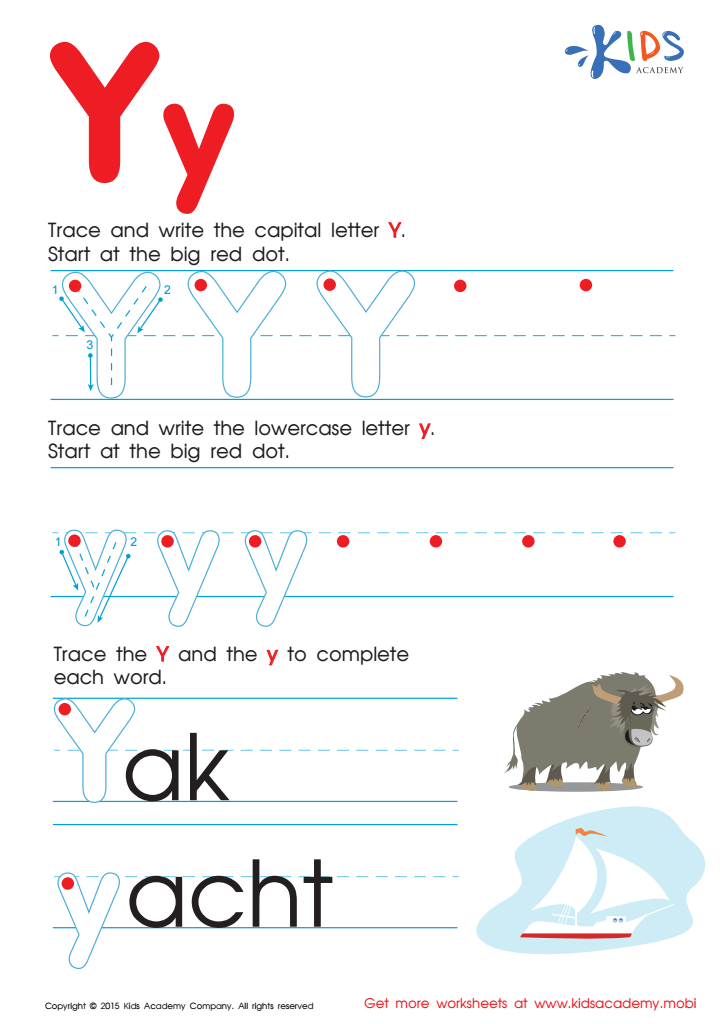
Letter Y Tracing Page
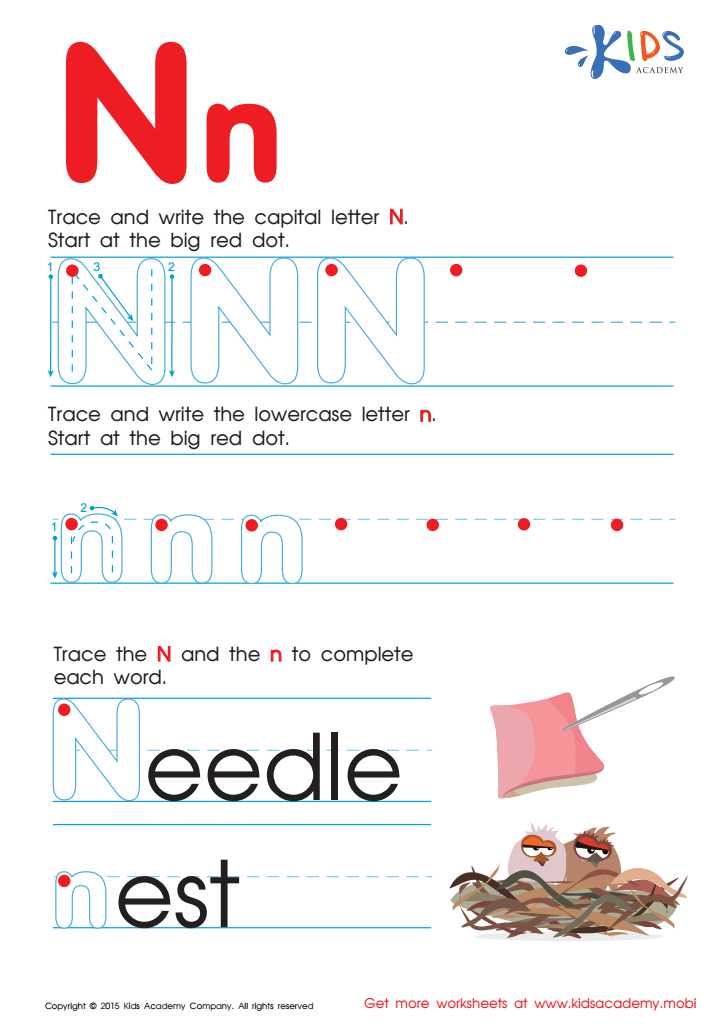
Letter N Tracing Page
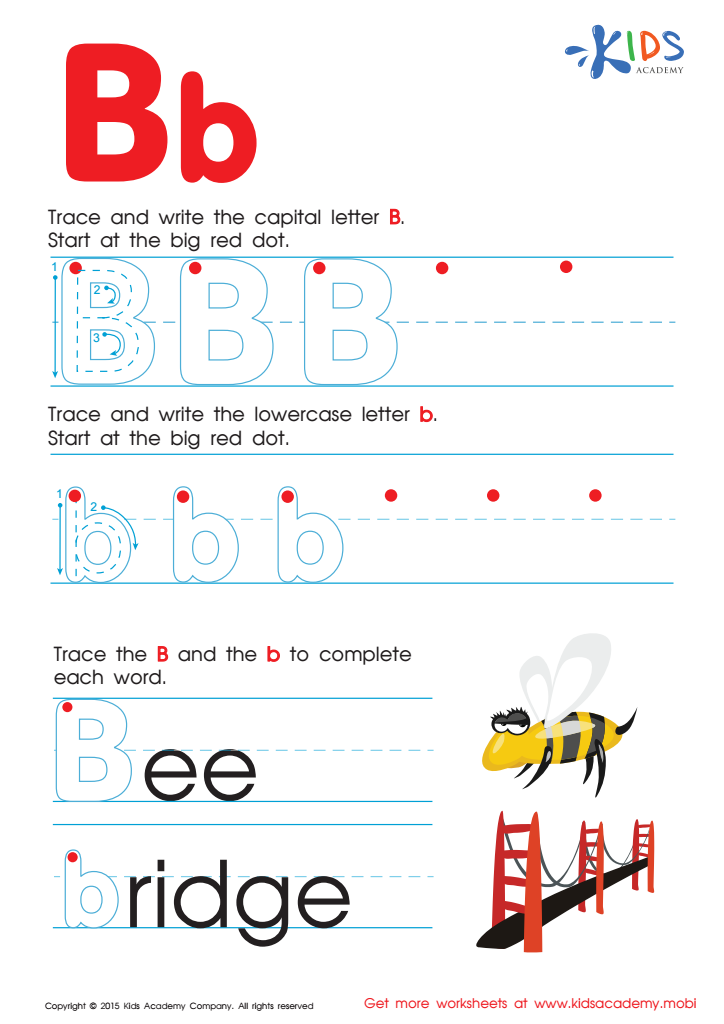
Letter B Tracing Page
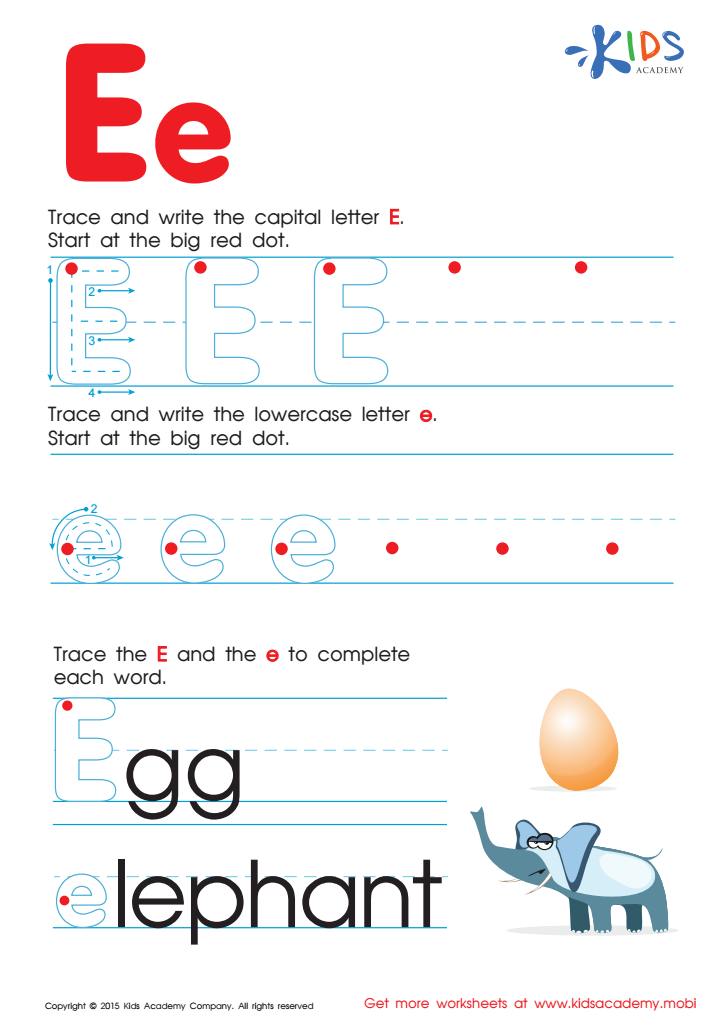
Letter E Tracing Page








Alphabet recognition in ABC order is a foundational skill for children aged 3-4 that significantly impacts their early literacy development. Understanding the alphabet helps children recognize letters, which is crucial for reading, writing, and communication. At this age, children are naturally curious and absorb information rapidly, making it an ideal time to introduce them to letter recognition.
When children learn the ABC order, they become familiar with the sequence of letters, enhancing their ability to manipulate and use language. This skill supports word formation, spelling, and phrasing, contributing to their overall communication abilities. Proficiency in alphabet recognition lays a strong groundwork for future literacy skills such as phonics, vocabulary development, and reading comprehension.
Moreover, manipulating letters in order can encourage cognitive skills such as memory, pattern recognition, and sequencing. For parents and teachers, incorporating fun and interactive teaching methods—like songs, games, and crafts—engages children and makes the learning process enjoyable.
Ultimately, investing time in teaching alphabet recognition helps foster a love for learning and provides children with the essential tools they need for academic success. Parents and teachers play a crucial role in this development, guiding them toward early literacy achievements that will benefit them throughout their education.