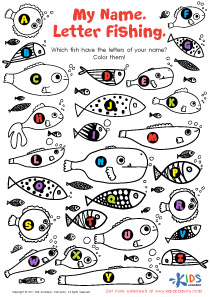
Alphabet understanding ABC Order Worksheets for Ages 3-4
3 filtered results
Difficulty Level
Grade
Age
-
From - To
Subject
Activity
Standards
Discover our engaging "Alphabet Understanding ABC Order Worksheets" designed specifically for children ages 3-4! These worksheets provide a fun and interactive way for young learners to explore the alphabet and develop their understanding of letter sequencing. With colorful illustrations and easy-to-follow activities, kids will enjoy sorting, tracing, and identifying letters in alphabetical order. Our resources not only enhance literacy skills but also promote fine motor development and critical thinking. Perfect for home or classroom use, these worksheets make learning the alphabet enjoyable and effective. Help your little ones build a solid foundation in language skills with our delightful ABC order activities today!
Favorites
With answer key
Interactive
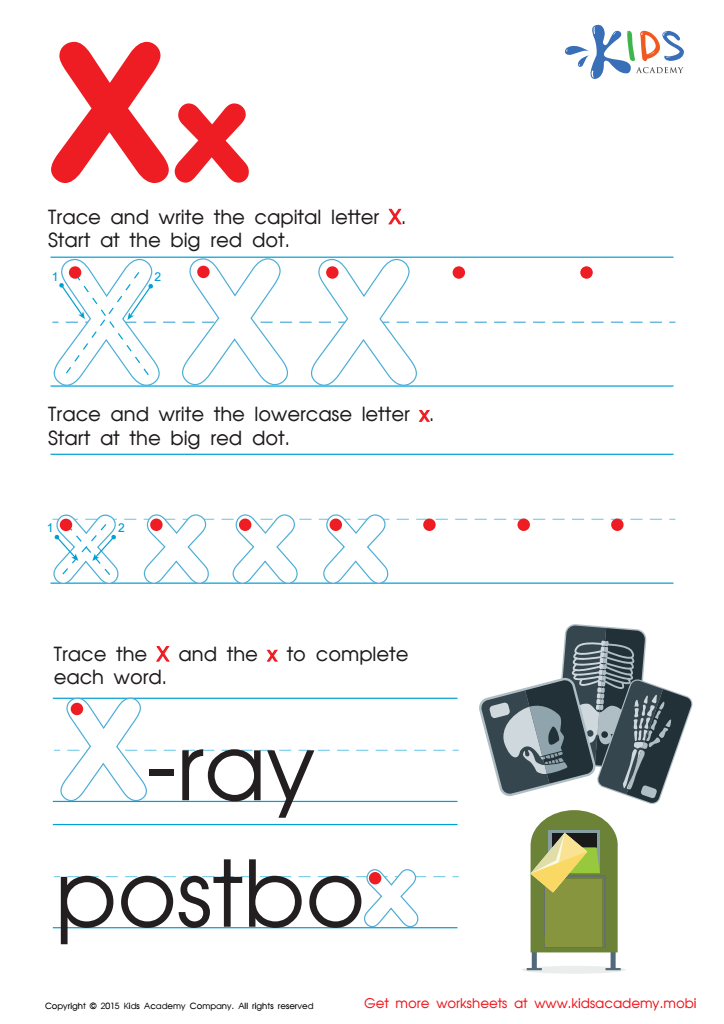
Letter X Tracing Page
Trace the uppercase letter "X" to learn, then write it yourself and practice. Then do the same with the lowercase "x" before completing the words "X-ray" and "postbox". Enjoy our alphabet printables!
 Assign to My Students
Letter X Tracing Page
Worksheet

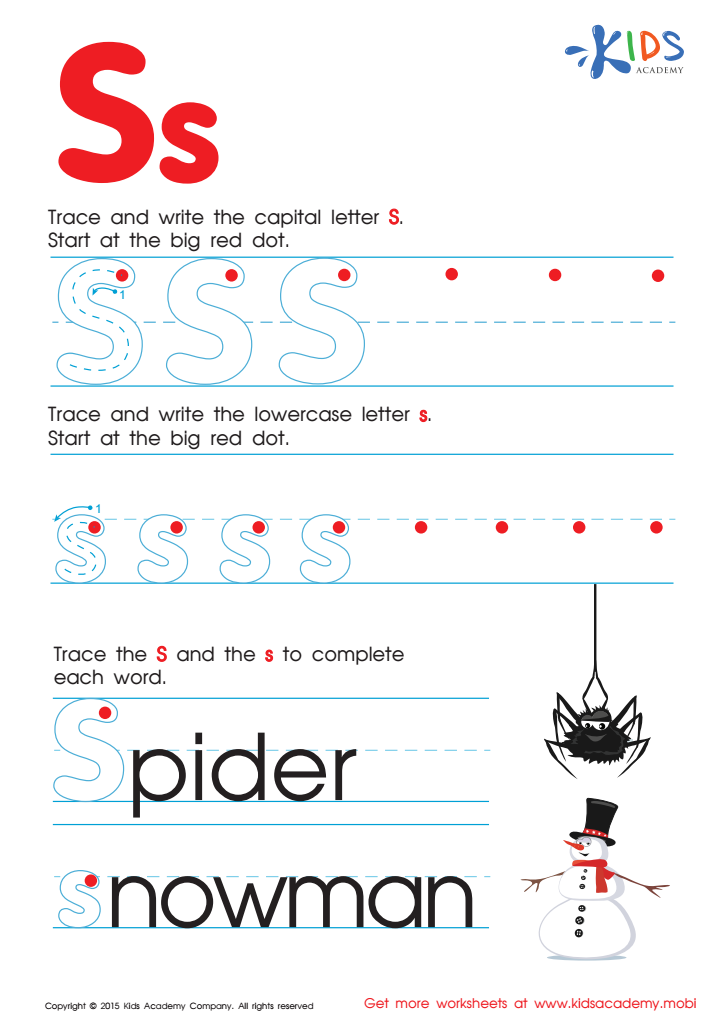
Letter S Tracing Page
Trace and write the capital and lowercase "S" on this ABC worksheet for kindergarten. Start with the big red dot and be careful. When you finish, help the spider and snowman in the pictures restore their words with the capital and lowercase letters. Continue learning the alphabet with Kids Academy.
Letter S Tracing Page
Worksheet
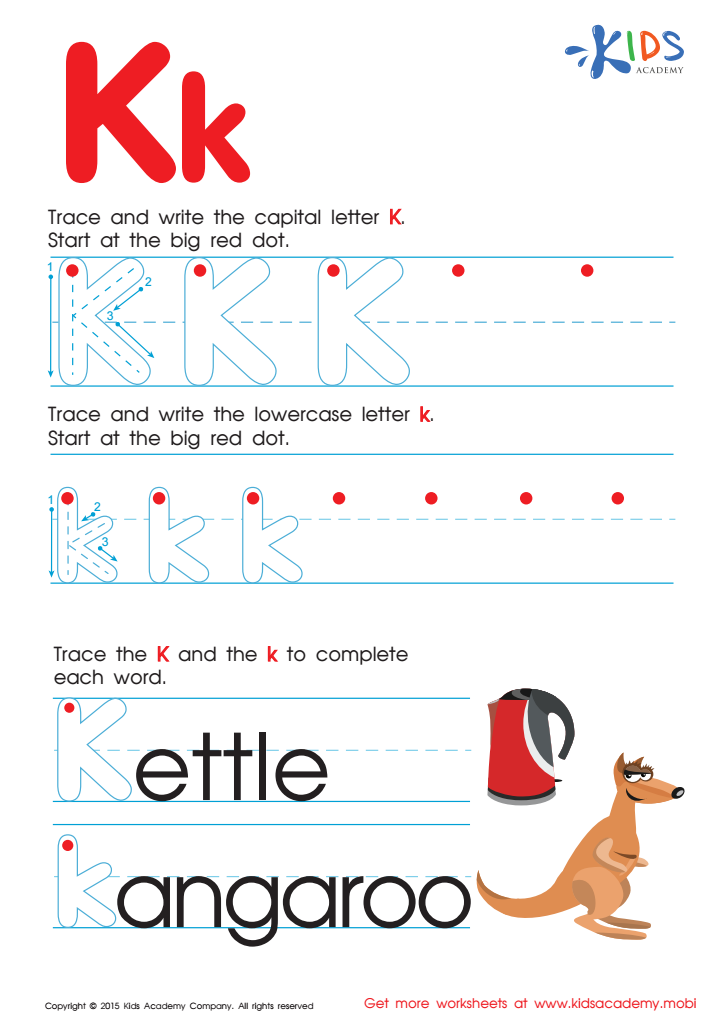
Letter K Tracing Page
Trace and write the letter K; start at the big red dot. Use it to complete words like "Kettle" and "Kangaroo". Visit Kids Academy for more free alphabet worksheets for kindergarten.
Letter K Tracing Page
Worksheet
Join Kids Academy for Free
Who is primarily going to use this learning content?







Alphabet understanding and recognizing ABC order is crucial for children aged 3-4 because it lays a foundational skill for literacy and learning overall. At this early stage, children are developing language skills, and familiarizing them with the alphabet enhances their vocabulary and phonetic awareness, which are essential for reading. Recognizing the order of letters helps them learn to identify familiar words and begin spelling, crucial steps toward gaining confidence in reading.
Furthermore, understanding ABC order promotes cognitive skills such as memory and sequencing, which are beneficial in math and critical thinking. When children learn to organize letters alphabetically, they develop the ability to categorize and analyze information, skills that enhance their academic performance later on.
Additionally, empowering children with alphabet knowledge fosters independent learning and ignites their curiosity about books and written language, encouraging a lifelong love for reading. Engaging in activities that promote alphabet understanding, such as singing the alphabet song, reading picture books, and playing letter-based games, can strengthen their learning experience. Both parents and teachers play a vital role in nurturing this skill, as consistent exposure and positive reinforcement significantly influence children’s interest and proficiency in language development.