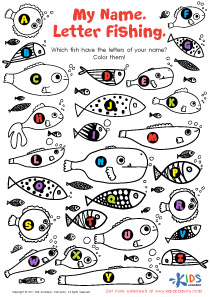
Hand-eye Coordination ABC Order Worksheets for Ages 3-4
5 filtered results
-
From - To
Boost your toddler's development with our Hand-eye Coordination ABC Order Worksheets designed for ages 3-4! These engaging and educational worksheets help young learners enhance their hand-eye coordination while practicing alphabetical order. Perfectly suited for small hands, each worksheet challenges kids to match, trace, and arrange letters. Ideal for both classroom settings and at-home activities, our vibrant, easy-to-follow sheets make learning fun and interactive. Set the foundation for lifelong literacy and motor skills by incorporating these expertly crafted tools into your child's routine today! Explore, play, and learn with Kids Academy worksheets.
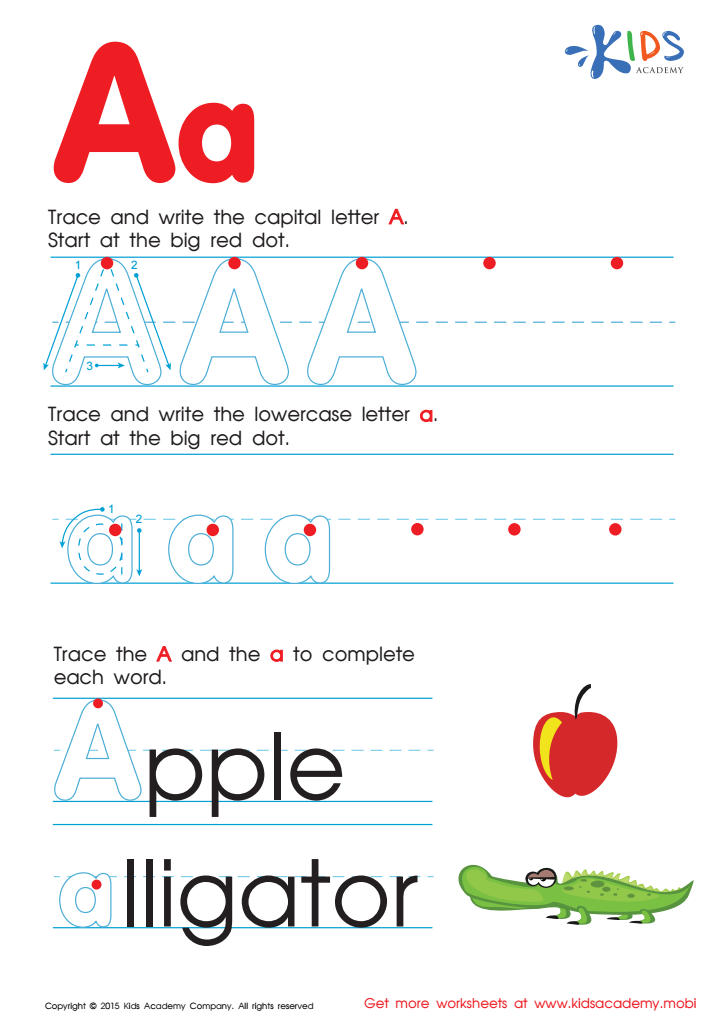
Letter A Tracing Page
 Assign to My Students


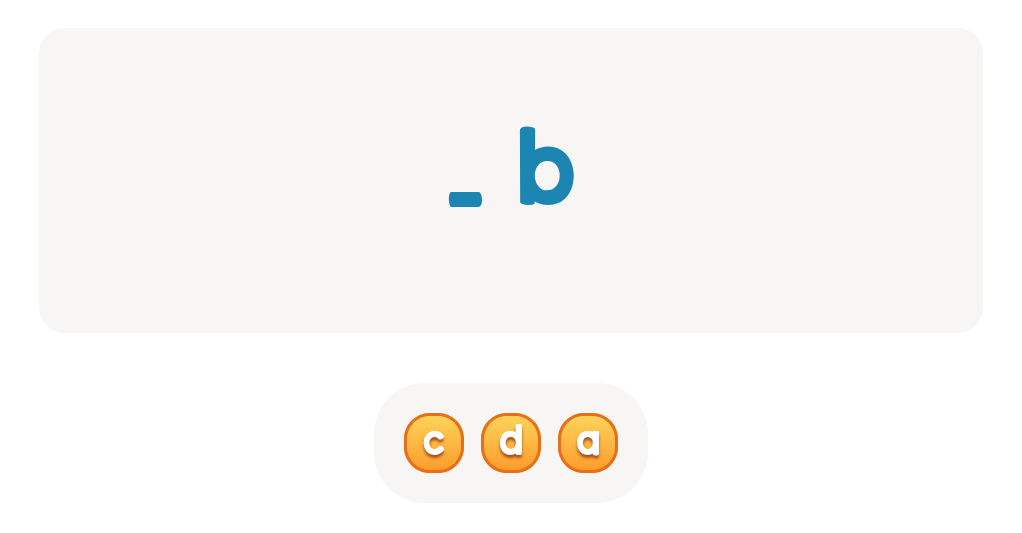




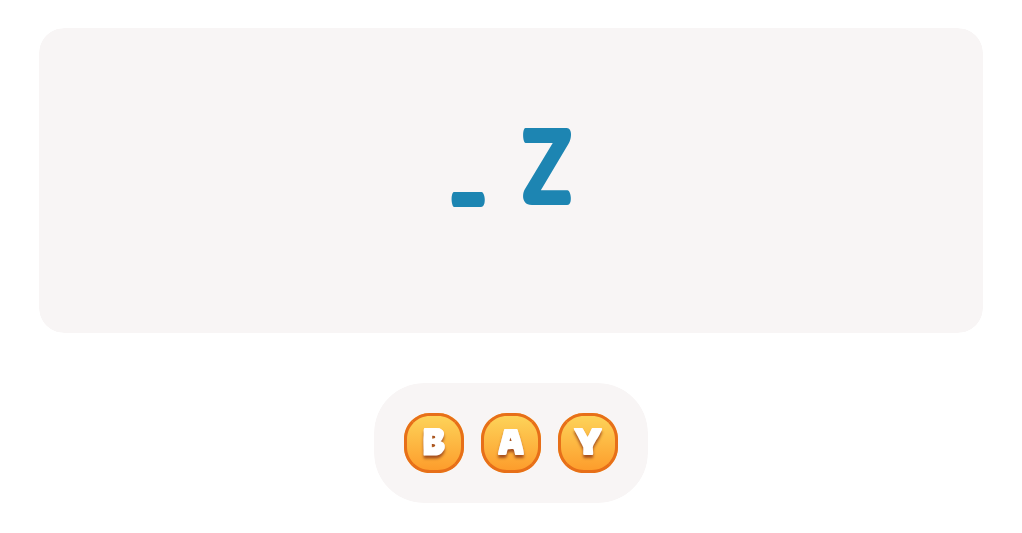



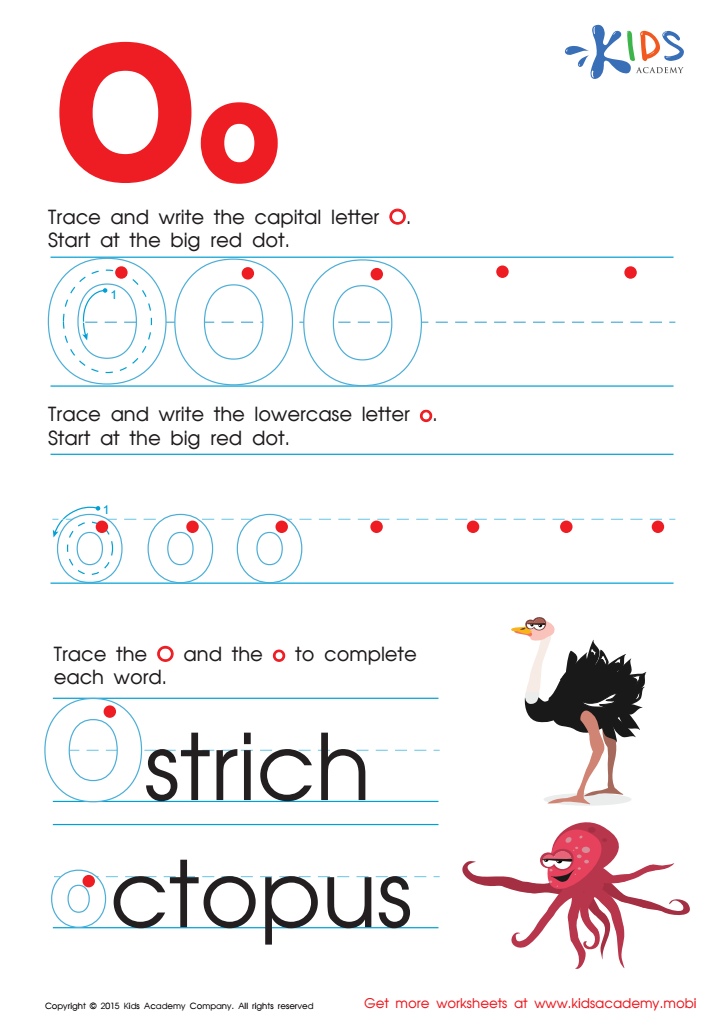
Letter O Tracing Page
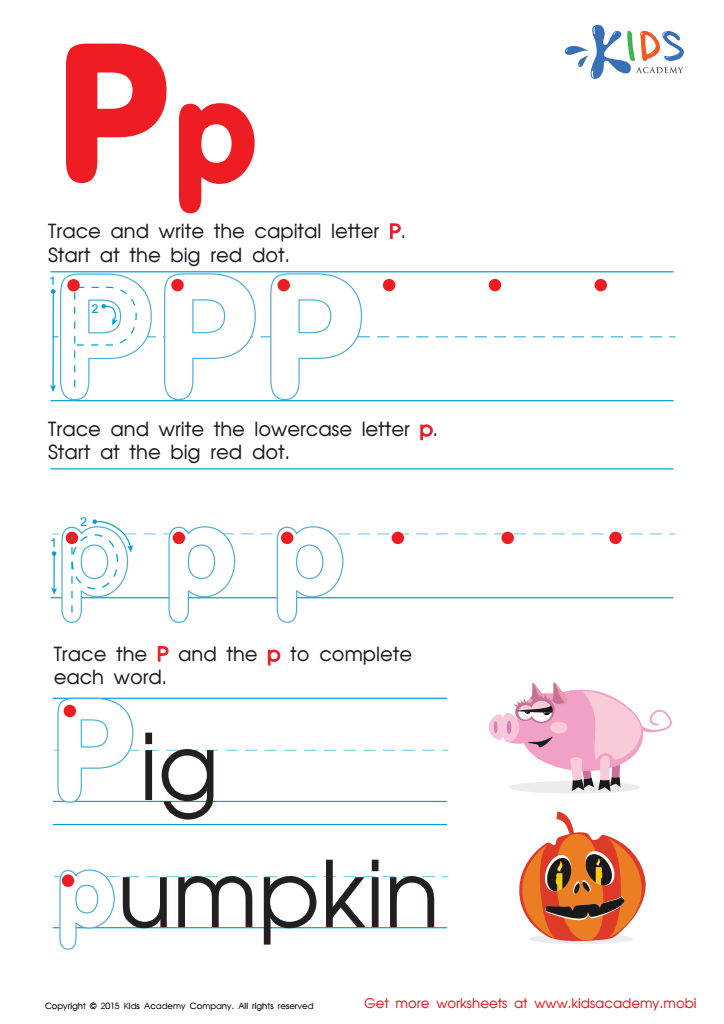
Letter P Tracing Page

Letter H Tracing Page

Letter D Tracing Page







Hand-eye coordination and learning alphabet order are crucial developmental milestones for children aged 3-4. Parents and teachers should prioritize activities that enhance these skills to promote cognitive and motor growth. Hand-eye coordination tasks, such as catching a ball or stringing beads, improve the ability to synchronize visual input with physical movements. This skill is foundational for writing, as it helps children control pencils and form letters.
Learning ABC order lays the groundwork for literacy. When children recognize and arrange letters, they develop strong visual discrimination and sequencing skills, which are essential for reading and spelling. Familiarity with the alphabet also boosts children's confidence, making the transition to more complex literacy tasks smoother.
By focusing on hand-eye coordination and alphabet knowledge simultaneously, parents and teachers provide a holistic approach to early childhood education. Activities like stacking alphabet blocks or using magnetic letters on a board intertwine motor skills and letter recognition, making learning engaging and effective. These experiences lay a robust foundation for future educational success, fostering an environment in which children can thrive both academically and physically. Hence, caring about these developmental areas contributes to well-rounded growth, setting the stage for lifelong learning and skill acquisition.