Phonics Skills Consonants Worksheets for Ages 3-4
5 filtered results
-
From - To
Introduce your little learners to the world of phonics with our engaging "Phonics Skills Consonants Worksheets for Ages 3-4." Designed to support early literacy, these worksheets help children recognize, sound out, and write consonants. Each activity is tailored to be fun and interactive, encouraging children to practice their phonics skills through a variety of engaging exercises. From tracing letters to identifying consonant sounds in words, our resources foster a strong foundation for reading. Perfect for parents and educators, these worksheets make learning enjoyable and effective. Download now to boost your child’s phonics abilities today!
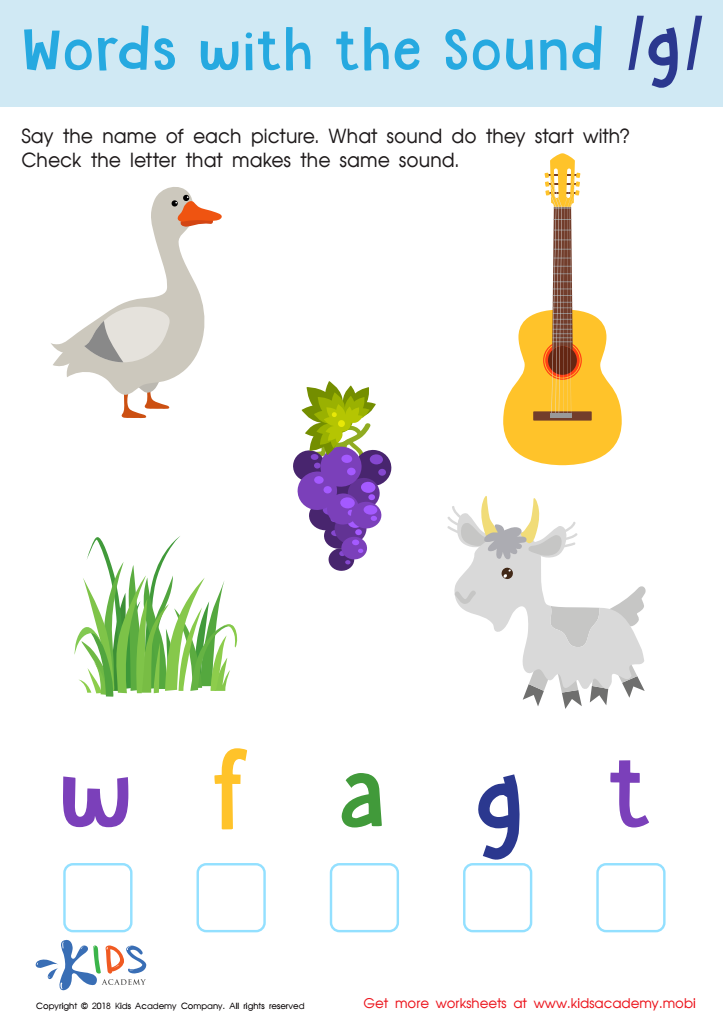
Words with sound g Reading Worksheet
 Assign to My Students
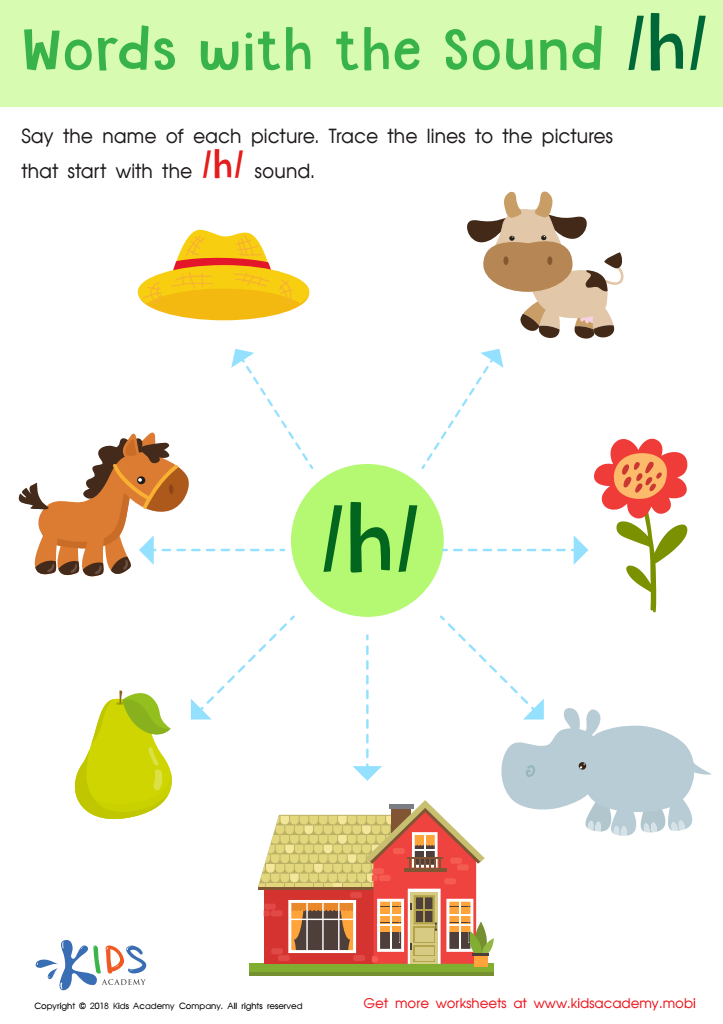
Words with sound h Reading Worksheet
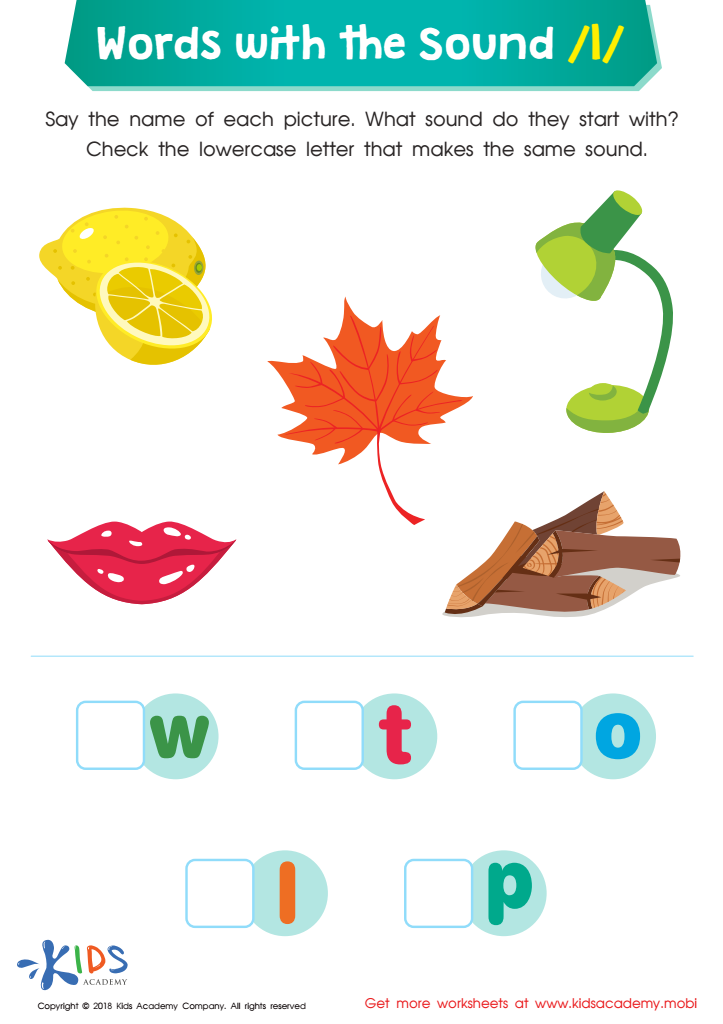
Words with Sound L Reading Worksheet
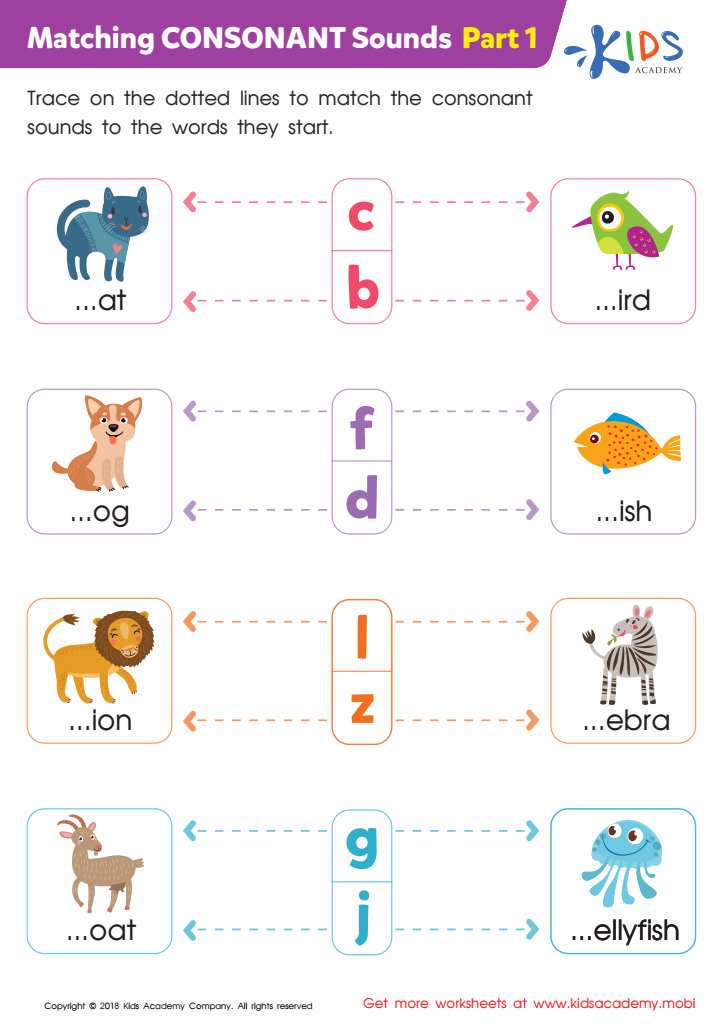
Matching Consonant Sounds: Part 1 Worksheet
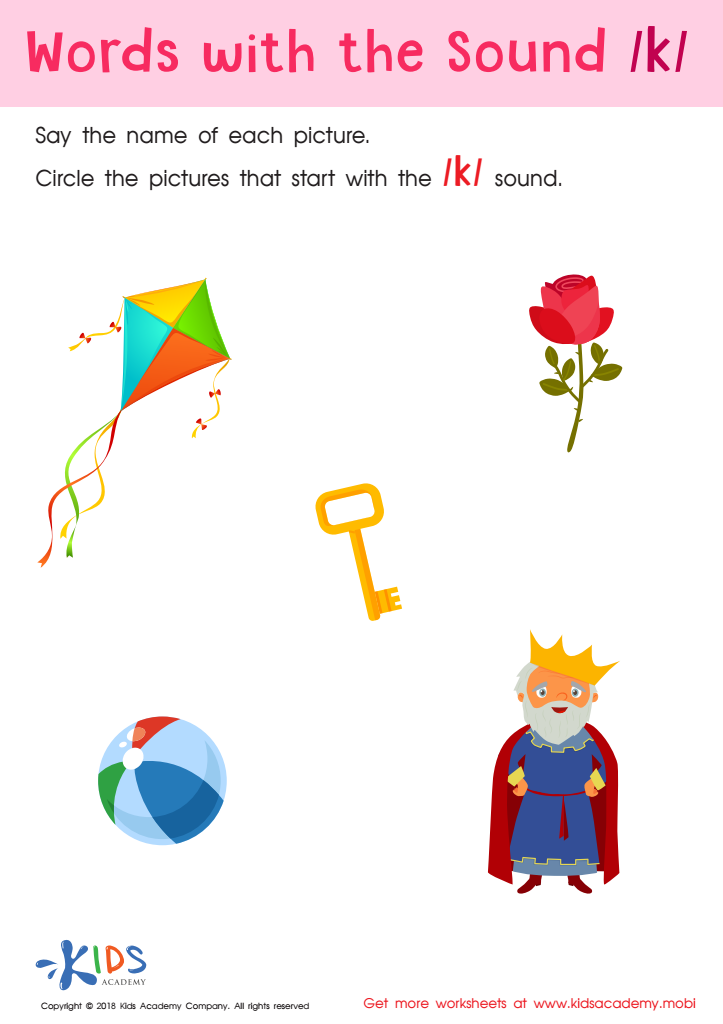
Words with sound k Reading Worksheet



Phonics skills, particularly concerning consonants, are crucial for children aged 3-4 as they lay the foundation for reading and language development. At this age, children are beginning to explore sounds and letters, which are essential building blocks for successful literacy. Understanding consonant sounds helps kids develop phonemic awareness, the ability to hear, identify, and manipulate sounds, which is key for decoding words in early reading.
Parents and teachers should prioritize phonics skills because they significantly impact children's vocabulary and comprehension. Early mastery of consonant sounds enables children to blend them into words and enhances their ability to segment sounds, which is vital for spelling. Furthermore, engaging in phonics activities can foster a love for language and reading by making it fun and interactive, thereby promoting life-long literacy.
Additionally, children with strong phonics skills often experience greater confidence in their reading abilities, leading to improved academic performance as they grow. Investing time and resources in developing these skills at this early age can pave the way for more complex reading and writing tasks, ultimately supporting a child's overall educational success. Encouraging consonant sound mastery is, therefore, not just an academic activity, but a critical part of holistic childhood development.







