Vocabulary expansion Elementary Phonics Worksheets for Ages 3-4
5 filtered results
-
From - To
Discover an engaging collection of Vocabulary Expansion Elementary Phonics Worksheets designed specifically for ages 3-4! These interactive resources help young learners build essential vocabulary while enhancing their phonetic skills. Our thoughtfully crafted worksheets incorporate fun activities that encourage children to recognize letters, sounds, and words, making learning enjoyable and effective. Perfect for preschoolers and kindergarteners, these worksheets support early literacy development in a playful manner. As children explore various themes, they’ll improve their reading and spelling abilities, preparing them for future academic success. Dive into our vibrant worksheets today and give your child the gift of language mastery!
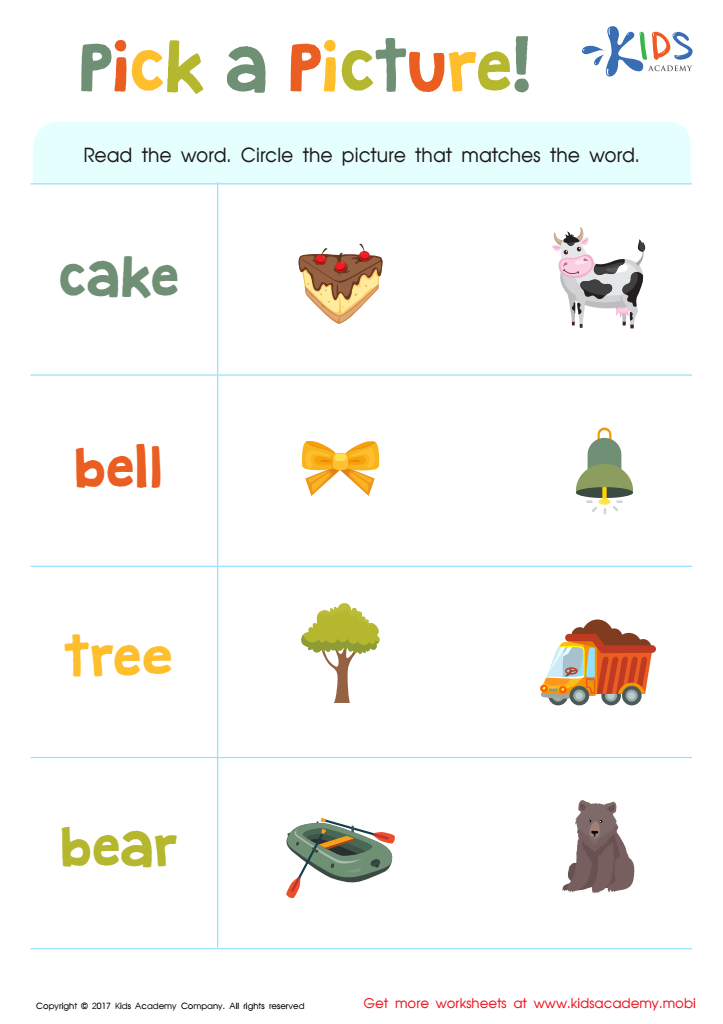
Pick a Picture Word Recognition Worksheet
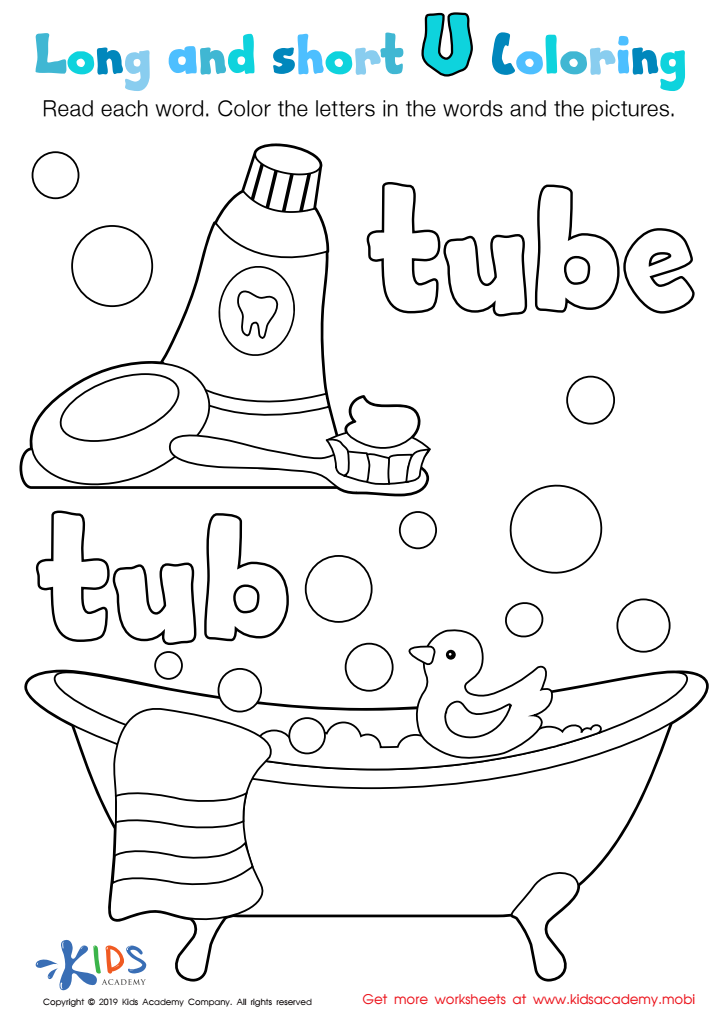
Long and Short U Worksheet
 Assign to My Students
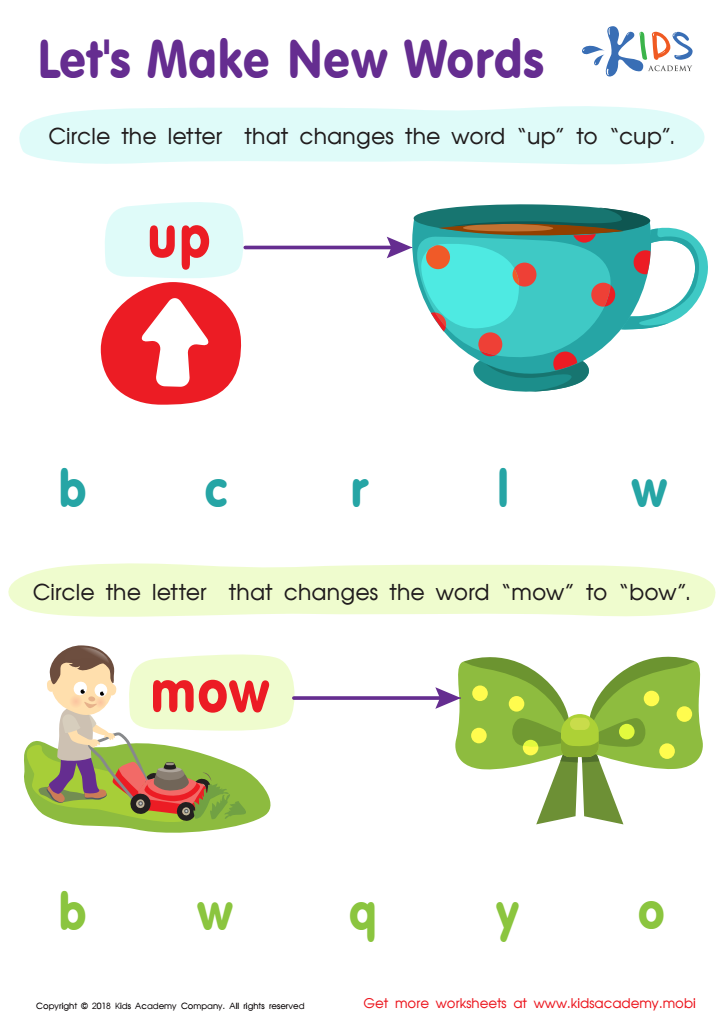
Let's Make New Words Worksheet
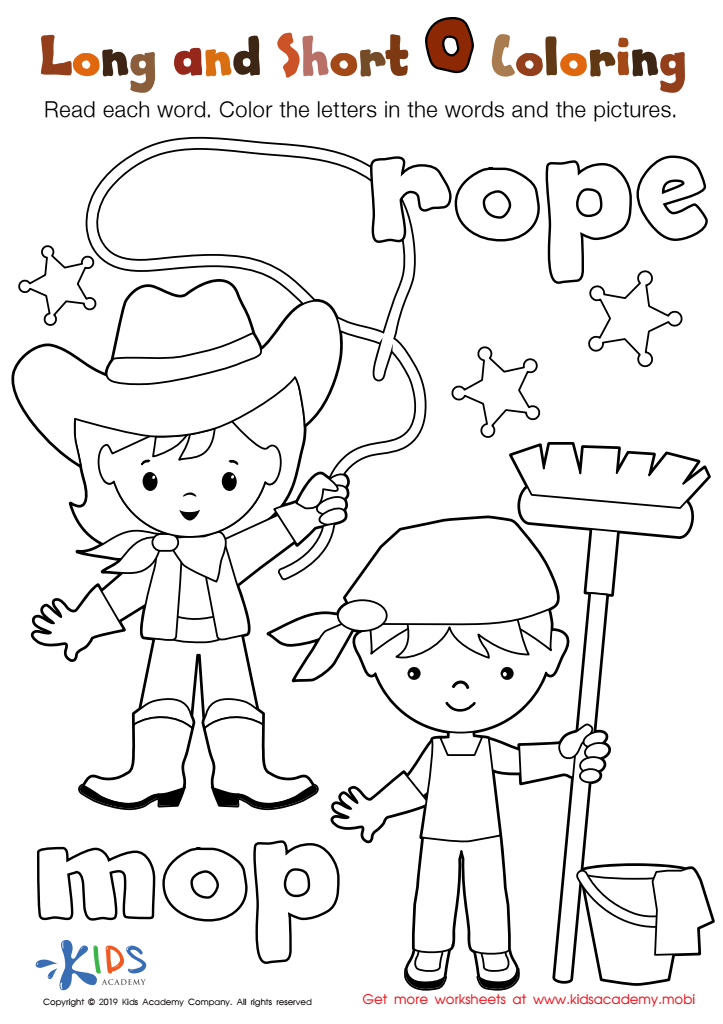
Long and Short O Worksheet
Assign to My Students
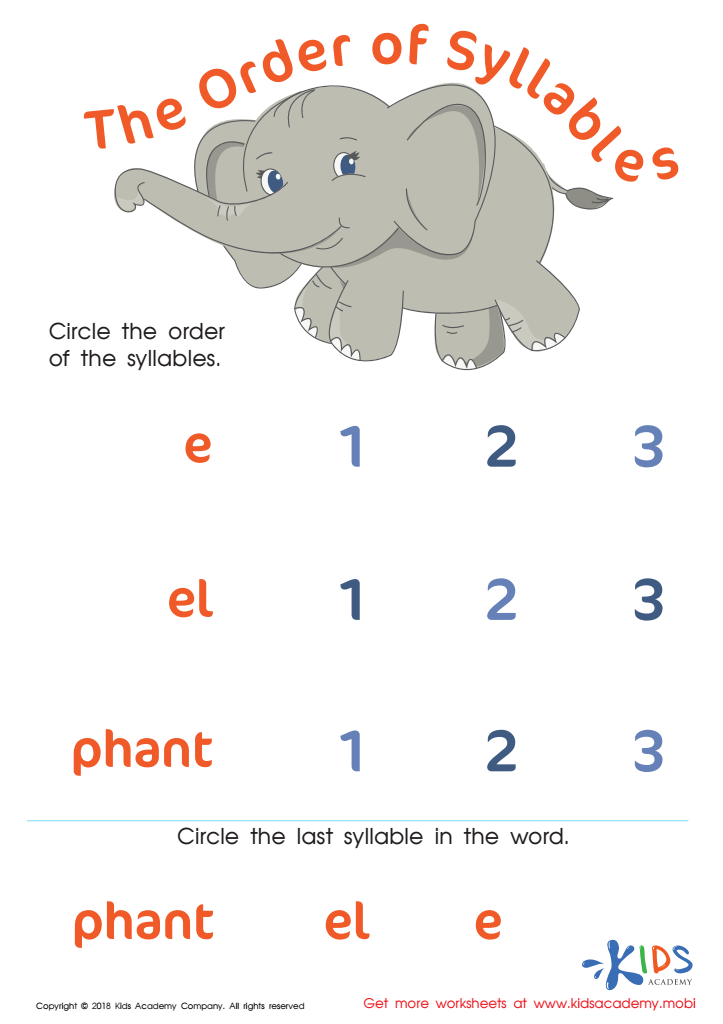
The Order of Syllables Worksheet




Vocabulary expansion and phonics development for children ages 3-4 are crucial for their early reading success and overall language growth. At this age, children's brains are exceptionally pliable, making it an ideal time to introduce new words and sounds. Expanding vocabulary promotes not only better communication skills but also enhances comprehension abilities, laying a strong foundation for future learning. When children learn to recognize and produce the sounds associated with letters, they become more confident readers and speakers.
By incorporating phonics into early learning, parents and teachers equip young learners with the skills to decode words. This skill is essential as it links sounds to letters, which is a fundamental part of literacy development. Phonics instruction also nourishes children's curiosity about language, encouraging them to explore words and their meanings.
Moreover, a robust vocabulary supports cognitive development, as children learn to categorize and connect concepts. Engaging in phonics activities during this formative stage fosters a love for reading, increasing the likelihood that children will pursue books and other educational materials later on. Ultimately, prioritizing vocabulary expansion and phonics in early education profoundly impacts children's academic trajectories and lifelong learning journey.