Filters

55 filtered results

Clear all filters
Favorites
With answer key
Interactive

55 filtered results

Difficulty Level

Grade


Check out this FREE Trial Lesson on Alphabet for age 3-4!

N

Favorites
With answer key
Interactive
  • 3-4
  • Handwriting practice
  • Alphabet
Lowercase Letters g h i Worksheet

Lowercase Letters g h i Worksheet

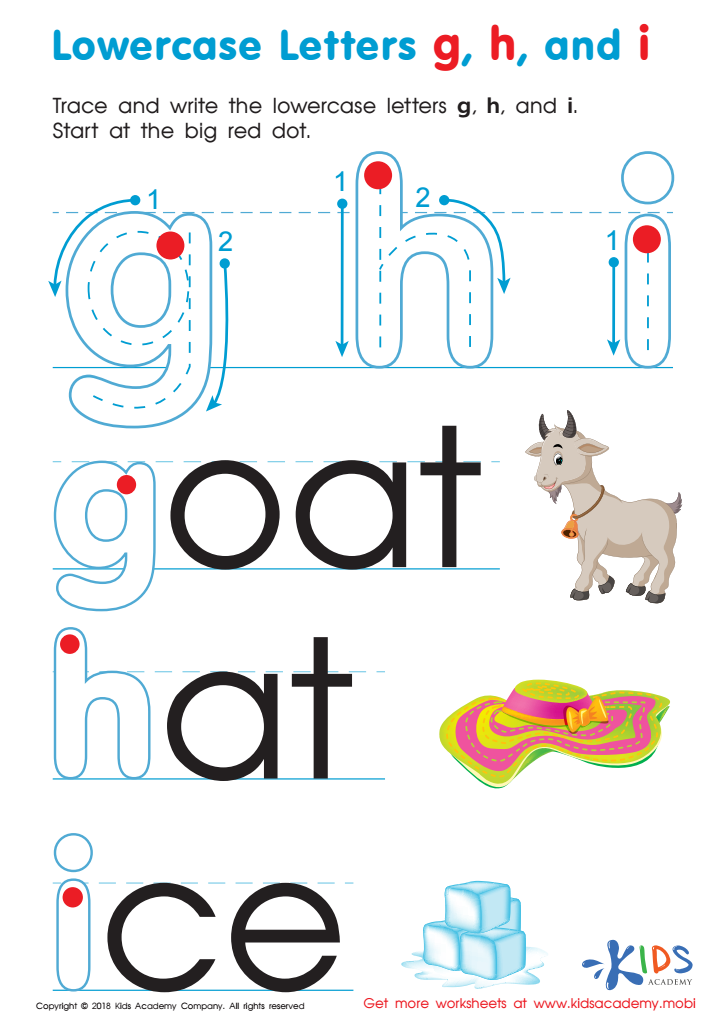
Learning is fun for your youngster with color and an enjoyable exercise. Help them build their understanding of the alphabet by starting at the big red dot drawn on each letter and carefully following the dotted lines to draw g, h, and i.
Lowercase Letters g h i Worksheet
Worksheet
Lowercase Letters a b c Worksheet

Lowercase Letters a b c Worksheet

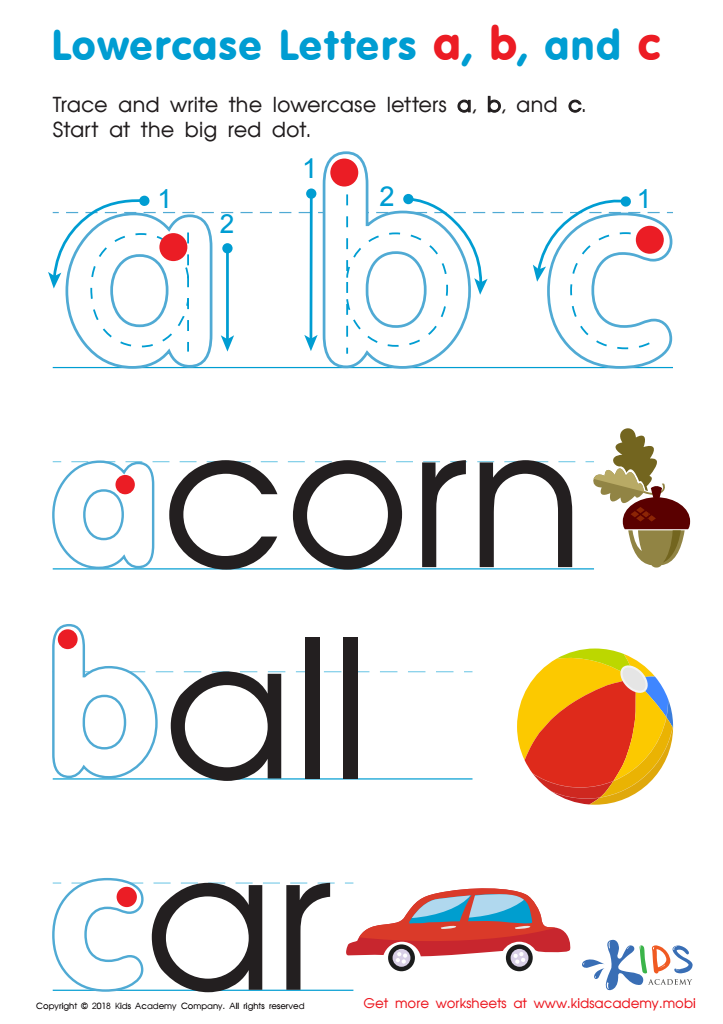
Help your child trace and write the lowercase letters of the alphabet with this fun worksheet. Start by following the arrows and directions from the red dot, and watch them improve their writing skills! Vibrant illustrations make it easy and enjoyable.
Lowercase Letters a b c Worksheet
Worksheet
Lowercase Letters v w x Worksheet

Lowercase Letters v w x Worksheet

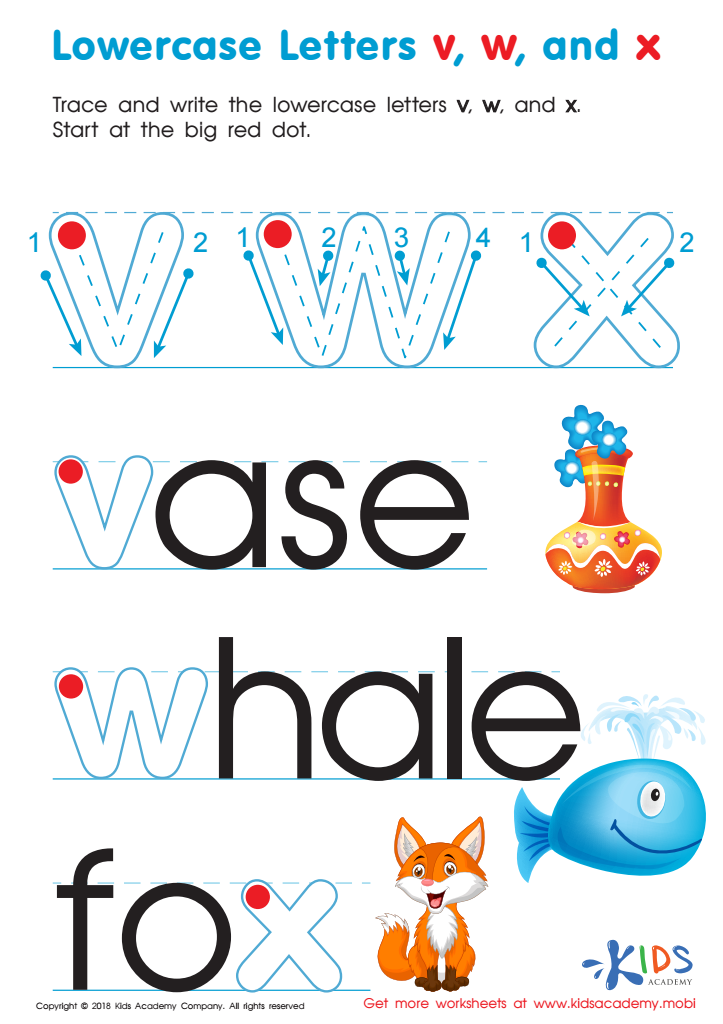
Help your child learn to write lowercase letters v, w, and x, starting at the big red dot. This activity will help them develop writing skills and correctly identify the letters. Guide them as they trace the letters and enjoy watching them improve!
Lowercase Letters v w x Worksheet
Worksheet
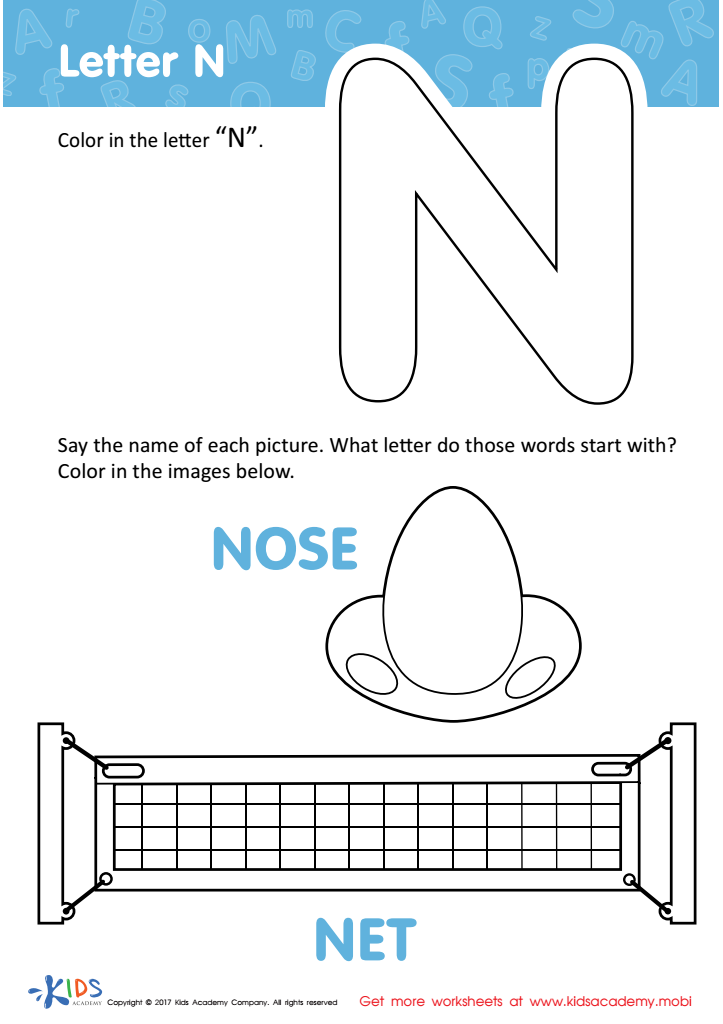
Letter N Coloring Page

Letter N Coloring Sheet

Let your child get creative and learn the alphabet with this letter "N" coloring page! It's a fun way to recognize the letter, featuring a body part all kids know. Coloring and reinforcing recognition of "N" will help your child have fun while learning!
Download (PDF)
Assign to My Students
Letter N Coloring Sheet
Worksheet
My Name: Cheerful Balloons Worksheet

My Name: Cheerful Balloons Worksheet

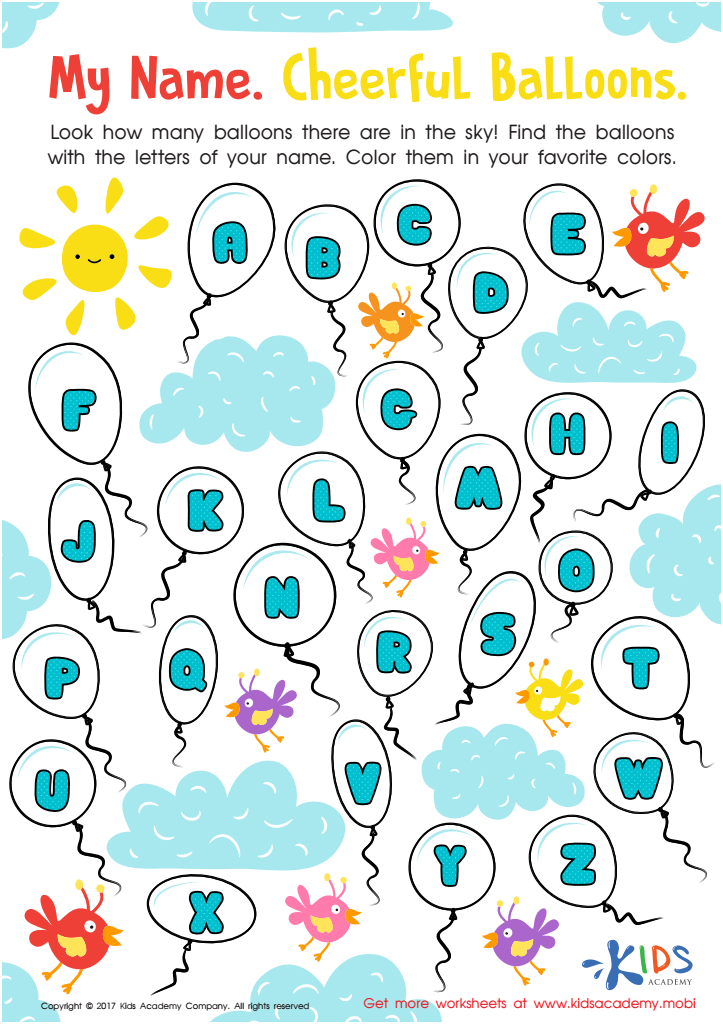
Encourage toddlers and preschoolers to soar with this fun worksheet! Find the letters in the balloons and help your child find the letters of their name. Then, fill in each balloon with their favorite colors and turn the paper over to write their name on the back. A great way to give imaginations wings!
Download (PDF)
Assign to My Students
My Name: Cheerful Balloons Worksheet
Worksheet
Letter D and E Sounds Worksheet

Letter D and E Sounds Worksheet

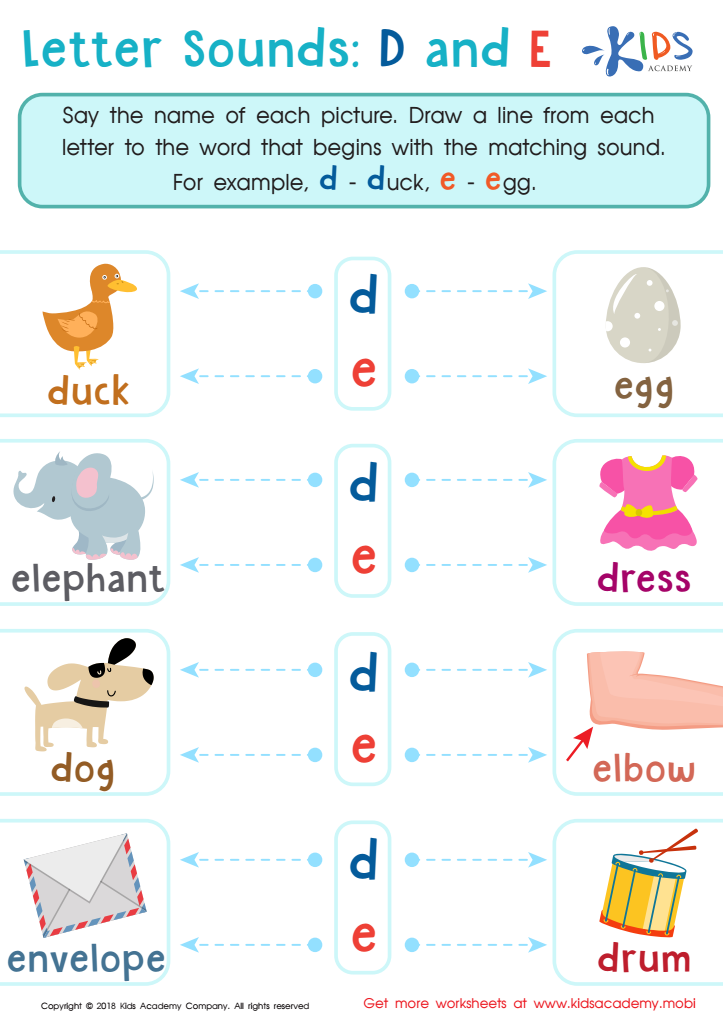
Kids can use picture clues and visual discrimination to name cheerful pics and isolate the beginning sound. This free PDF worksheet will help them develop phonological awareness, differentiate between "D" and "E", and hone fine-motor skills. It'll also boost their confidence as they become readers.
Letter D and E Sounds Worksheet
Worksheet
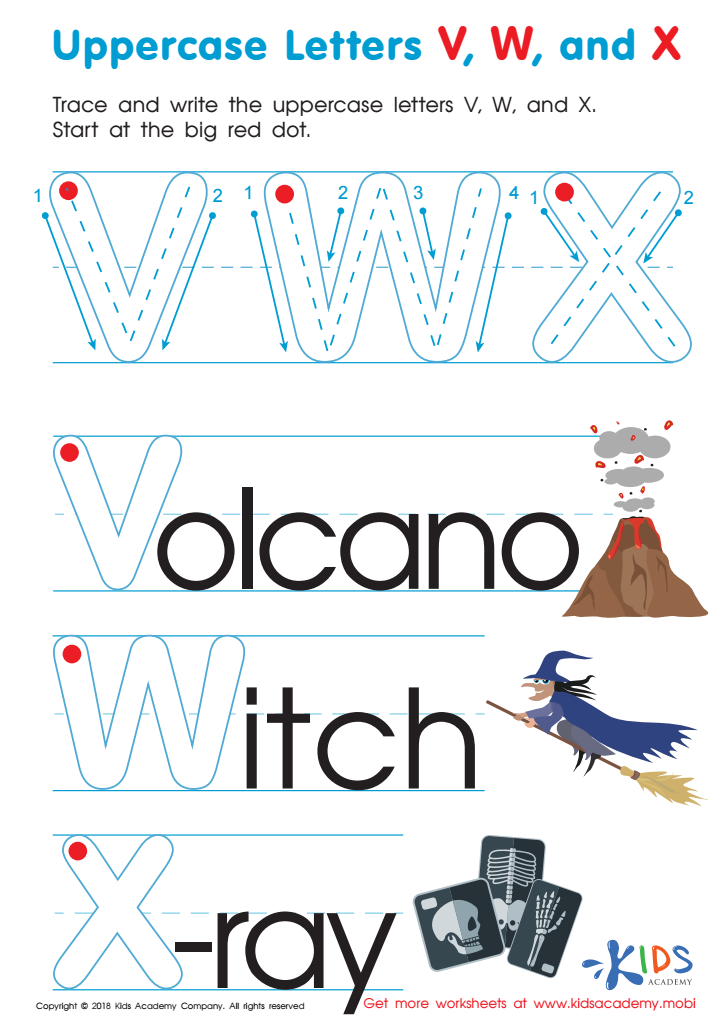
Uppercase Letters V, W, and X Worksheet


Uppercase Letters V, W, and X Worksheet

This worksheet is perfect for kids struggling to write uppercase letters V, W, and X. Warm up their brains first by having them name words starting with these letters. Then, help them trace and write each letter from the big red dot. With your assistance, they will quickly sharpen their writing skills.
Uppercase Letters V, W, and X Worksheet

Worksheet


... 2 3

Handwriting practice for children ages 3-4 is crucial as it lays the foundation for effective communication and literacy skills. At this early age, children are developing fine motor skills, which are vital for a range of activities beyond writing, including self-care tasks and playing. By practicing handwriting, children learn to control their movements, enhancing hand-eye coordination and dexterity.

Moreover, introducing alphabet writing at this stage encourages letter recognition and phonemic awareness, both of which are essential for reading success. When children engage in writing letters, they not only learn to identify them but also begin to understand sounds associated with each letter, creating a strong relationship between writing and phonics.

Handwriting practice also fosters creativity and self-expression. Children can convey thoughts and ideas through written letters or words, helping them build confidence in their communication abilities. Additionally, engaging in handwriting activities can be a bonding experience between parents and children or teachers and students, reinforcing learning in a supportive environment.

In summary, handwriting practice for young learners is fundamental for physical skills, cognitive development, literacy acquisition, and emotional confidence, making it essential for parents and teachers to prioritize this activity.