Motor skills development Alphabet Worksheets for Ages 3-4
5 filtered results
-
From - To
Enhance your child's motor skills and literacy with our engaging Alphabet Worksheets designed for ages 3-4. These interactive worksheets promote fine motor development through activities that encourage tracing, writing, and recognizing letters. Our carefully crafted exercises are perfect for preschoolers, combining fun and education as they explore the alphabet. As kids practice gripping pencils and controlling movement, they build vital skills that lay the foundation for writing and communication. Each worksheet features vibrant illustrations and age-appropriate designs to keep young learners motivated and excited. Download our Motor Skills Development Alphabet Worksheets today and watch your child's confidence soar!

Letter H Tracing Page
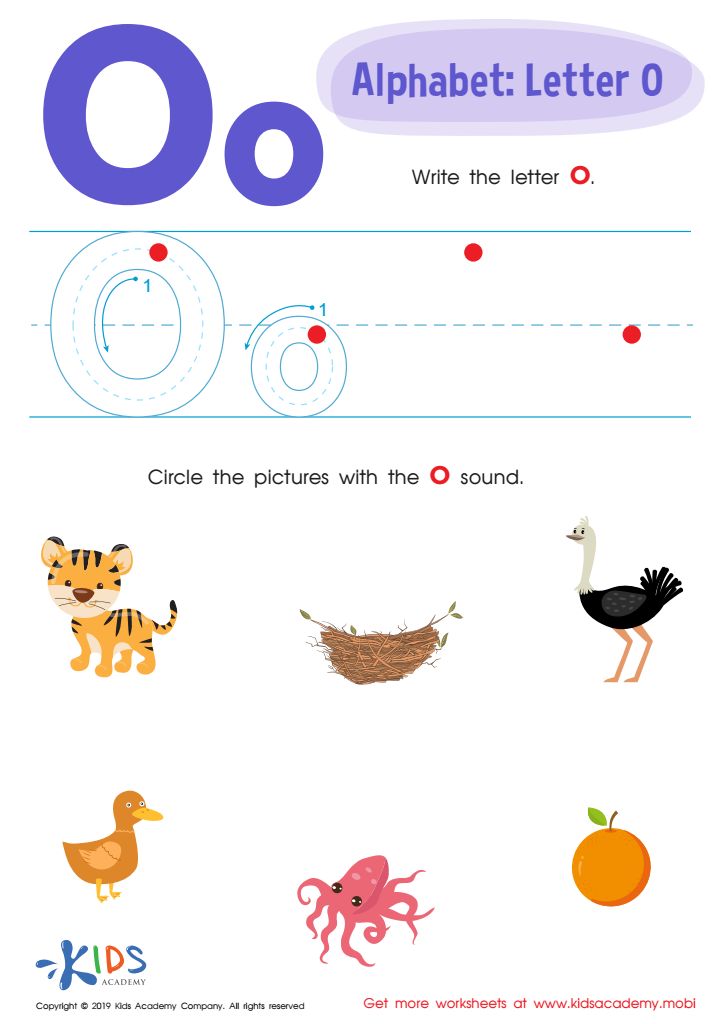
Letter O Tracing Worksheet
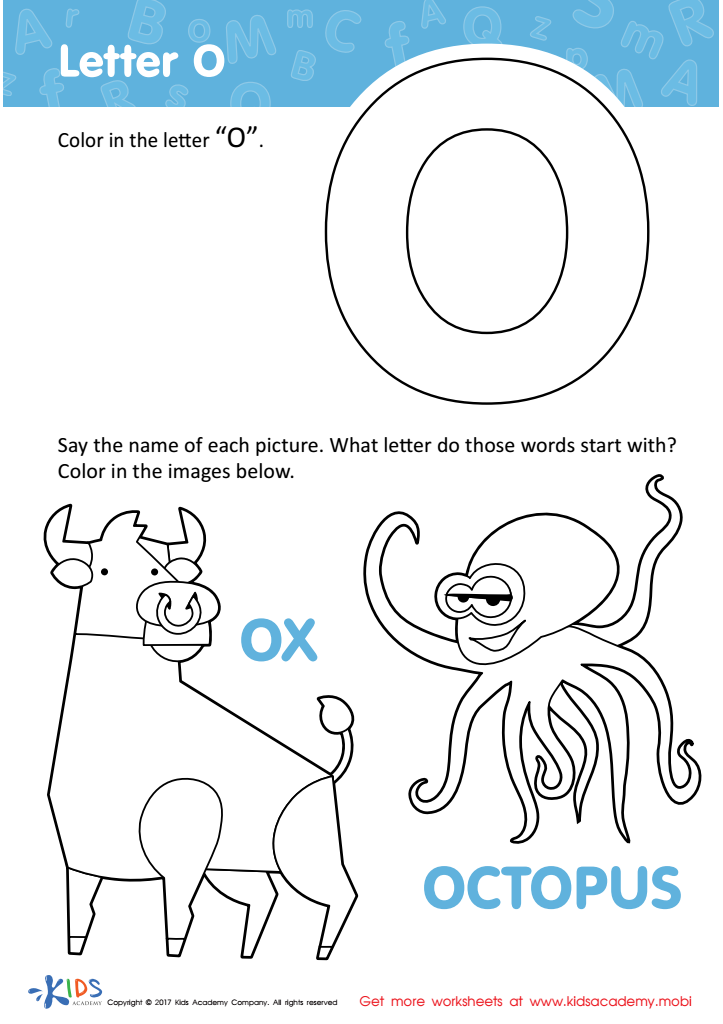
Letter O Coloring Sheet
 Assign to My Students

Letter B Tracing Page
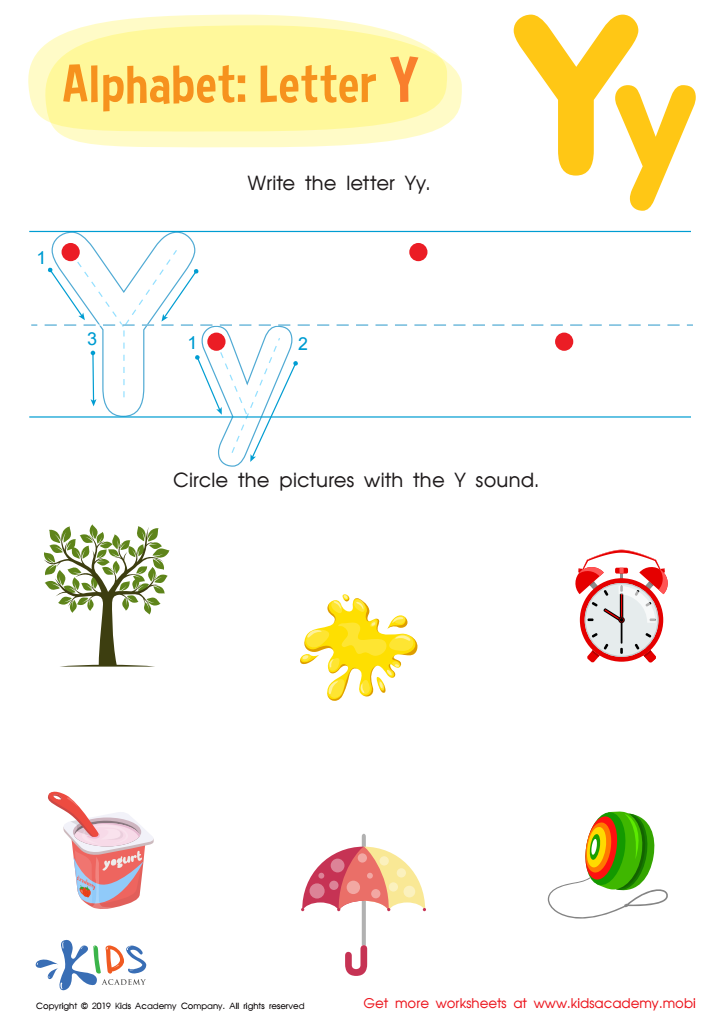
Letter Y Tracing Worksheet







Motor skills development is crucial for children aged 3-4, as it lays the foundation for their overall physical, cognitive, and social growth. Parents and teachers should care about this aspect of development because fine and gross motor skills directly affect a child's ability to perform everyday tasks.
Fine motor skills, which involve small muscle movements, are essential for activities like drawing, writing, and self-care routines such as buttoning clothing or using utensils. Encouraging motor skill development at this age enhances hand-eye coordination and dexterity, vital for academic success in preschool.
Gross motor skills, involving larger muscle groups, are equally important as they support activities like running, jumping, and climbing. Developing these skills fosters physical fitness, coordination, and confidence. Engaging children in active play and structured activities helps build strength, balance, and agility.
Moreover, a well-rounded approach to motor skills development promotes social skills. Children often learn to share, take turns, and build teamwork skills during group play. When parents and teachers prioritize motor skill development, they are not only supporting physical health but also enhancing children's emotional well-being and social interactions, setting the stage for their future learning and success.







