Phonics Skills Alphabet Worksheets for Ages 3-4 - Page 2
28 filtered results
-
From - To
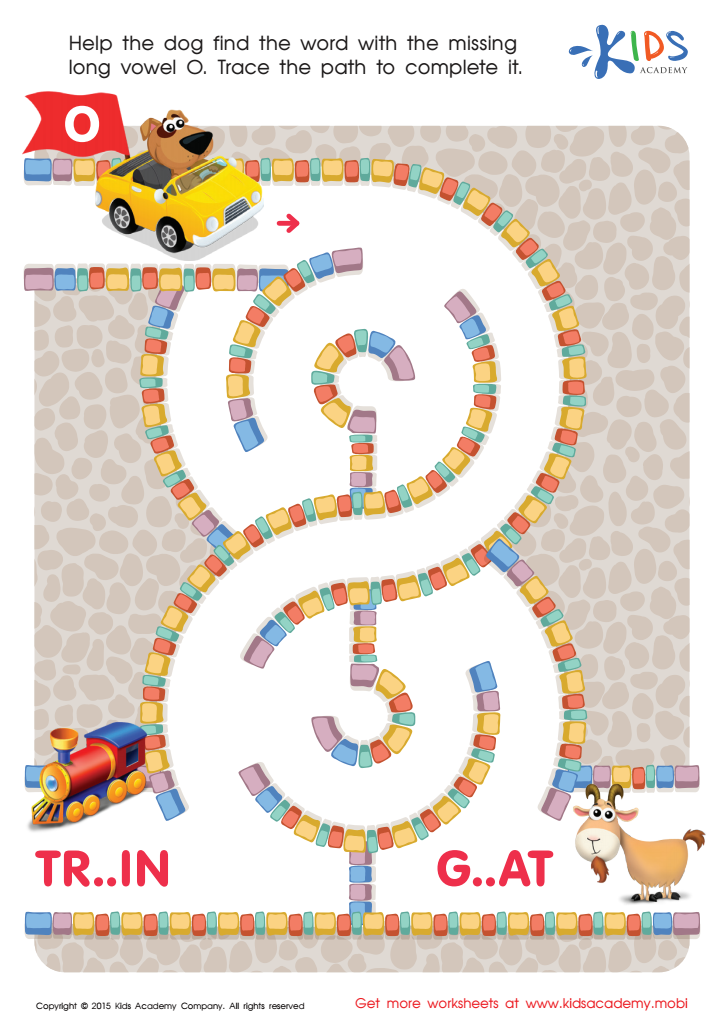
Long Vowel Sound O Worksheet
 Assign to My Students
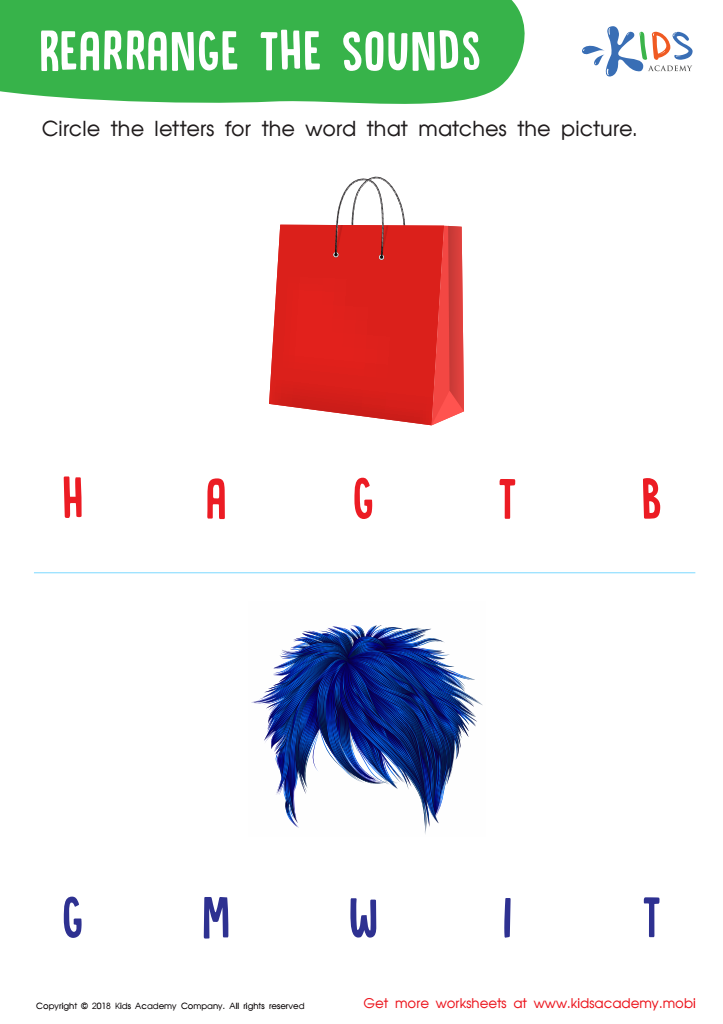
Rearrange the Sounds Worksheet
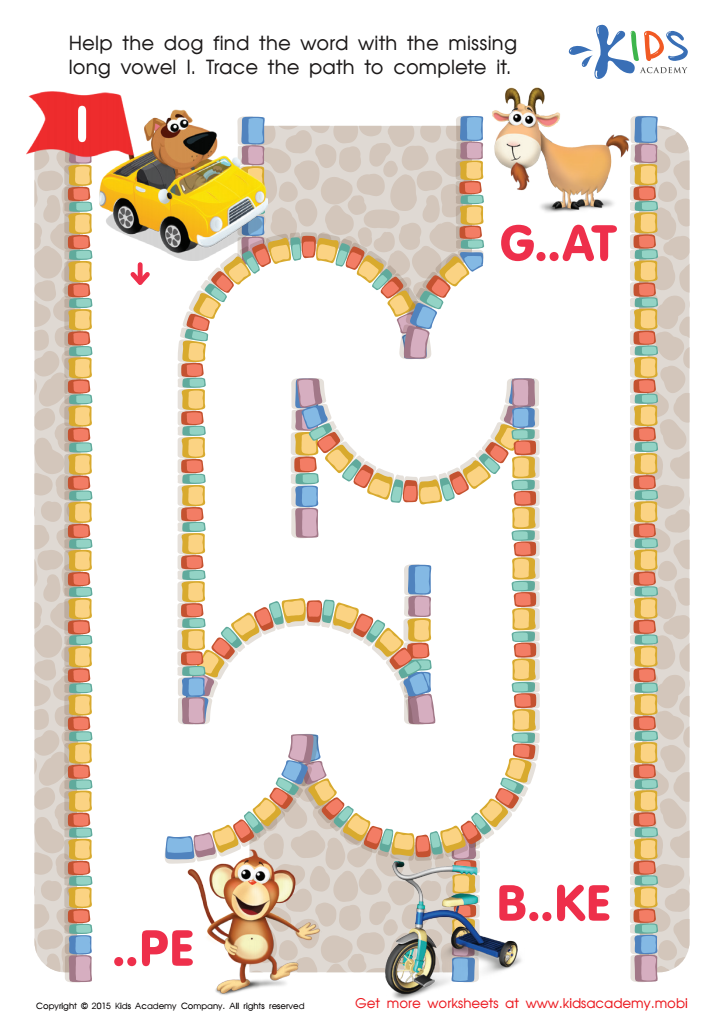
Long Vowel Sound I Worksheet
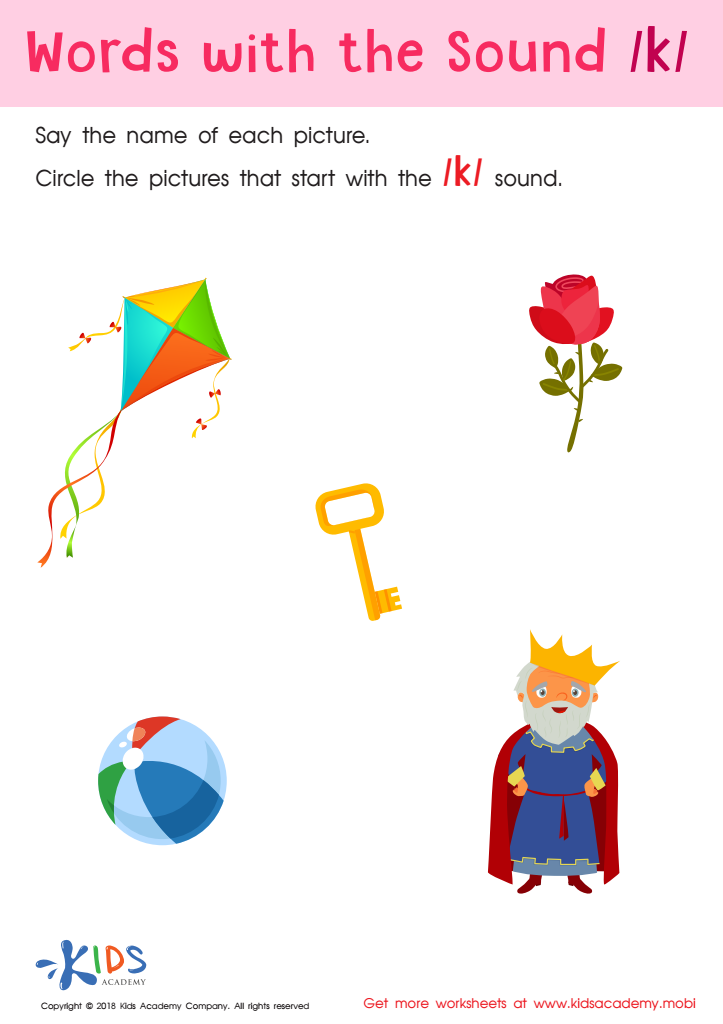
Words with sound k Reading Worksheet


.jpg)





Phonics skills are foundational for early literacy development, making them critical for children aged 3-4. At this age, children begin to develop the ability to recognize letters, understand their sounds, and connect those sounds to form words. By introducing phonics skills, parents and teachers help young learners make essential connections between spoken and written language, which enhances reading comprehension and written communication down the line.
Caring about phonics skills also nurtures a child's enthusiasm for reading. Engaging with phonics through playful activities promotes interest and confidence, inviting children to explore books more actively. Moreover, these early skills create a strong basis for more complex language tasks, such as decoding unfamiliar words, which is vital as children advance in their education.
Investing time and effort into developing phonics at this early stage can have lifelong benefits. Strong phonics skills can lead to better academic performance, reduced literacy difficulties, and a clearer path toward lifelong learning. Ultimately, parents and teachers play a significant role in establishing these skills, ensuring that young children receive the support and encouragement they need to thrive in their literacy journey.







