Reading skills development Alphabet Worksheets for Ages 3-4
5 filtered results
-
From - To
Unlock your child's potential with our engaging Reading Skills Development Alphabet Worksheets designed specifically for ages 3-4! These carefully crafted worksheets provide a fun and interactive way for young learners to familiarize themselves with letters and sounds. Through a variety of playful activities and exercises, kids will enhance their reading and phonetic skills while building essential literacy foundations. Each worksheet encourages fine motor skills development, letter recognition, and sound association, ensuring an enriching learning experience. Perfect for home or classroom use, our resources make early reading enjoyable and rewarding. Start your child's literacy journey today with our delightful alphabet worksheets!
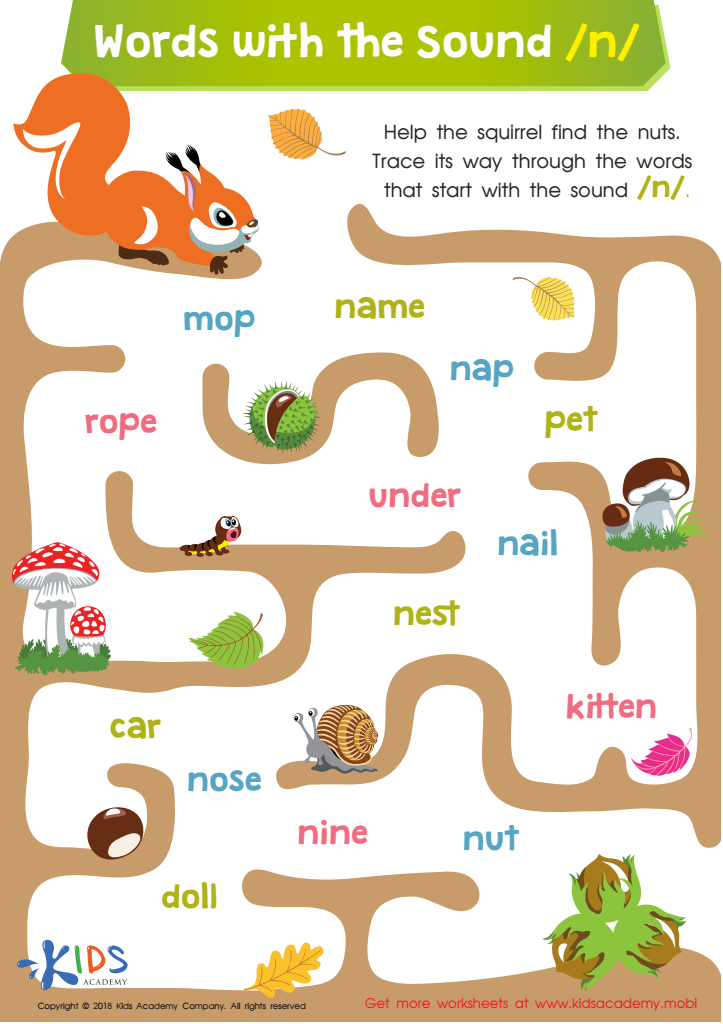
Words with Sound N Reading Worksheet
 Assign to My Students
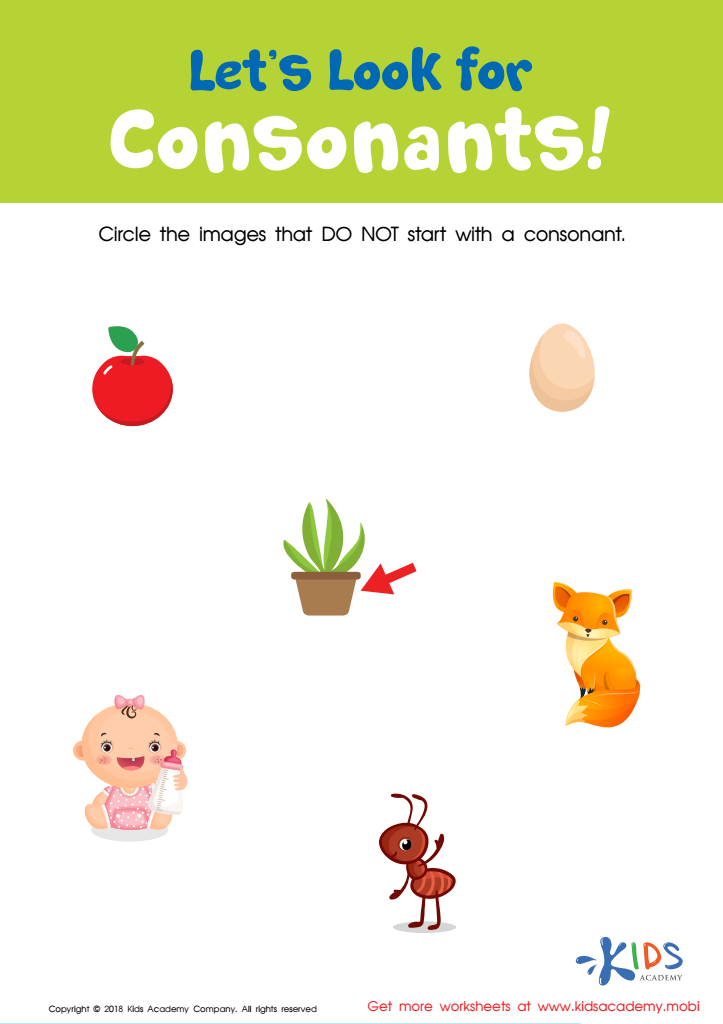
Let's Look for Consonants Worksheet
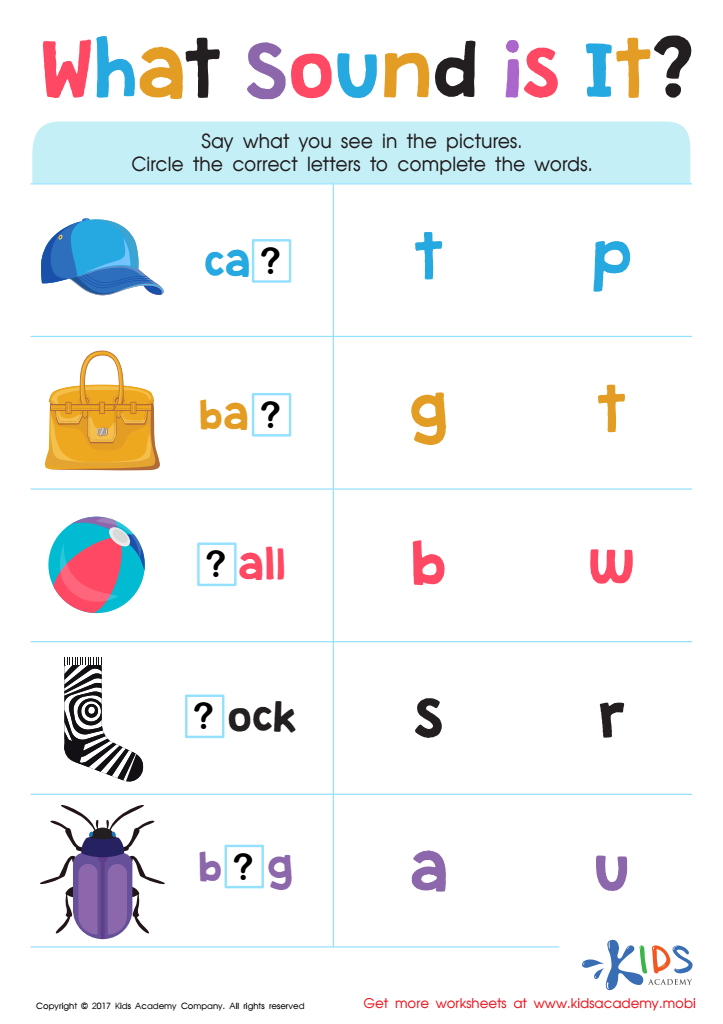
What Sound Is it? Worksheet
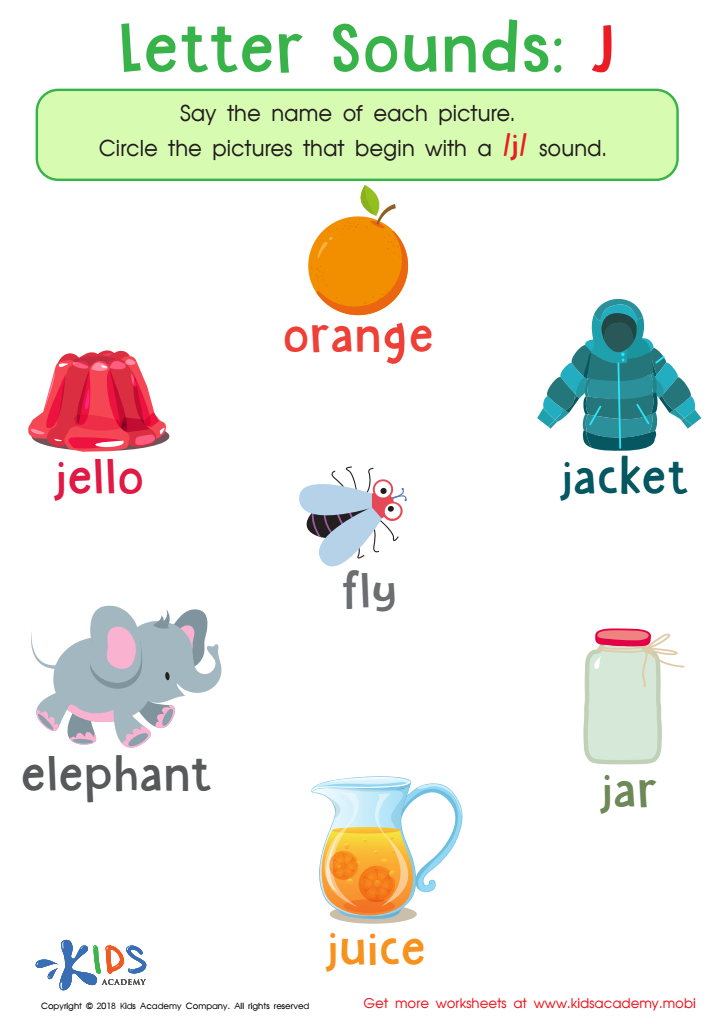
Letter Sounds: J Printable Worksheet
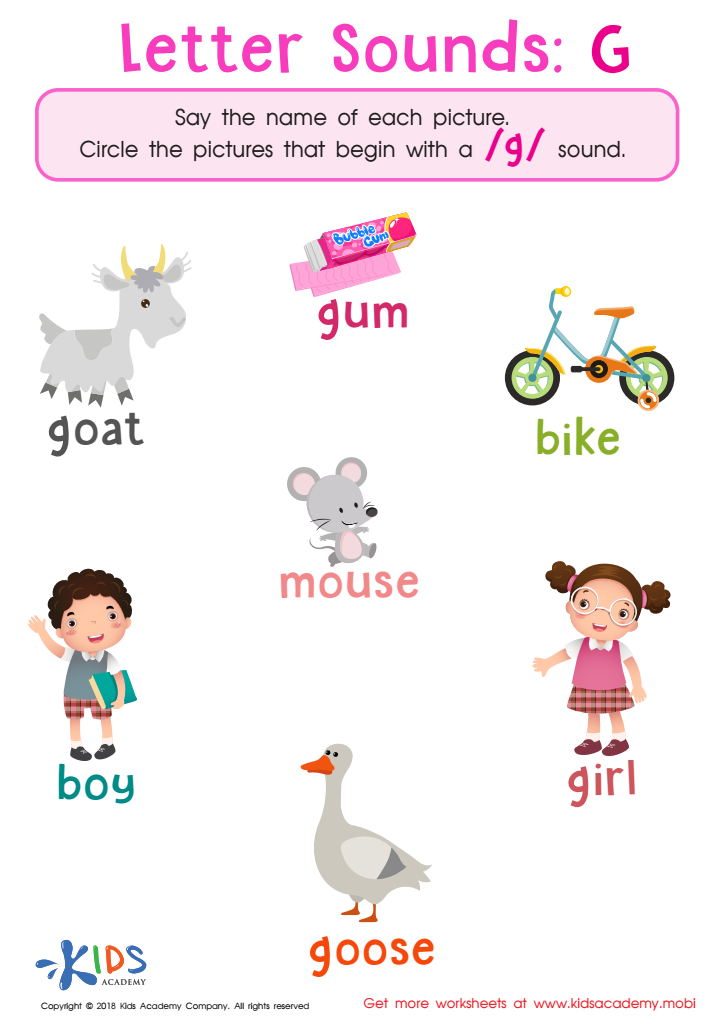
Letter G Sounds Worksheet







Reading skills development, particularly focusing on the alphabet for ages 3-4, is crucial for several reasons. During these formative years, children’s brains are highly receptive to learning new information, making it an opportune time to introduce foundational literacy skills. Recognizing letters and their sounds lays the groundwork for reading comprehension and fluency in the future.
When children learn the alphabet, they begin to understand that letters represent sounds, leading to early phonemic awareness—a vital skill for decoding words as they progress in reading. This understanding is fundamental for effective communication and literacy in their educational journey.
Moreover, reading skills contribute significantly to cognitive development and critical thinking. Engaging with letters and words stimulates curiosity and enhances vocabulary, which are essential for academic success.
Teachers and parents play a pivotal role in this phase. By nurturing an environment rich in language through reading aloud, singing songs, and playing letter games, they can foster a love for reading that lasts a lifetime. Ultimately, investing time in alphabet development not only prepares children for school readiness but also equips them with the confidence to express themselves and engage with the world around them.







