Sentence structure Alphabet Worksheets for Ages 3-4
3 filtered results
-
From - To
Discover our engaging Sentence Structure Alphabet Worksheets designed specifically for children ages 3-4! These interactive worksheets help young learners explore the foundations of sentence formation while familiarizing themselves with the alphabet. Each activity encourages creativity and critical thinking, as children manipulate letters and words to craft simple sentences. Our worksheets are perfect for enhancing literacy skills, promoting vocabulary development, and fostering a love for language at an early age. Parents and educators will find these resources invaluable for supporting early childhood education while making learning enjoyable. Download our Sentence Structure Alphabet Worksheets today and watch your child's confidence in writing soar!
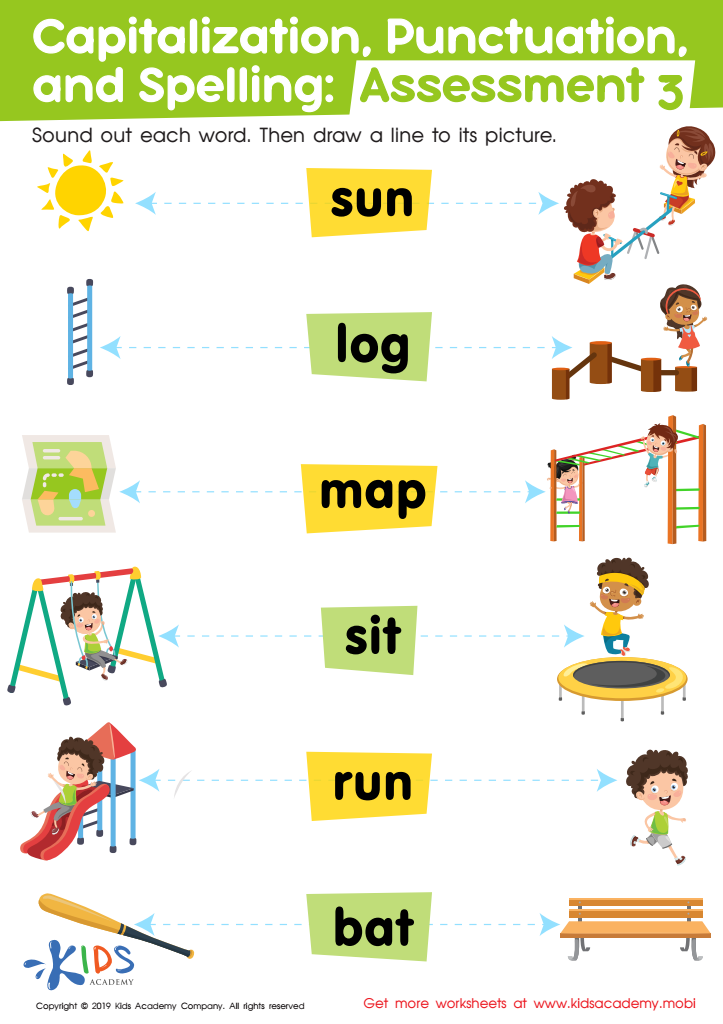
Capitalization. Punctuation. Spelling. Assessment 3 Worksheet
 Assign to My Students
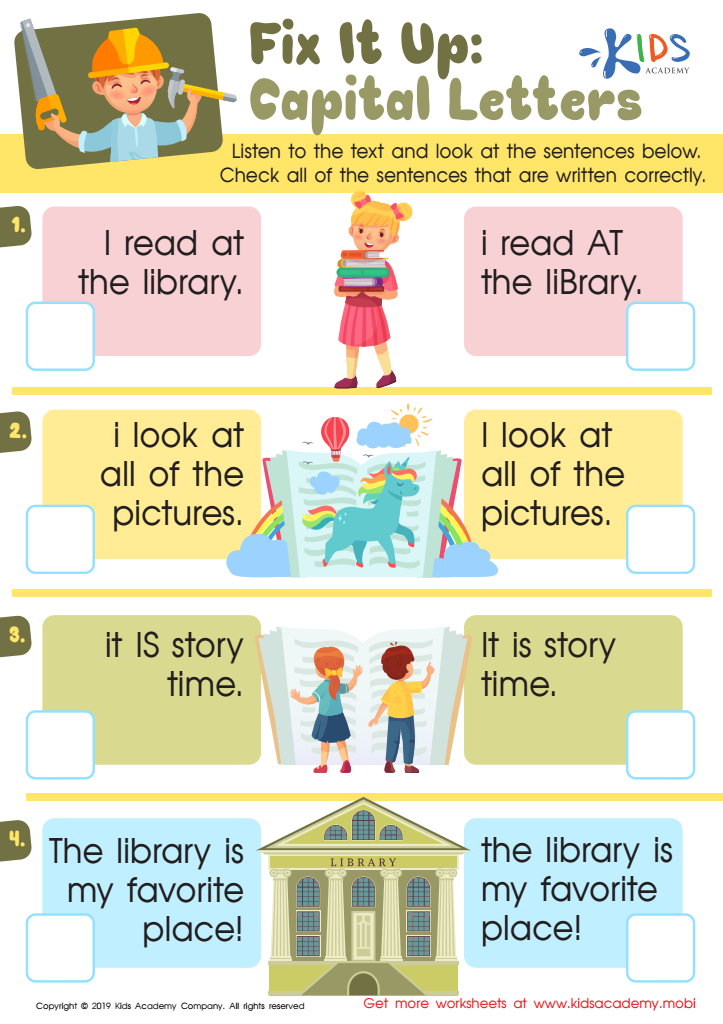
Fix Capital Letters Worksheet
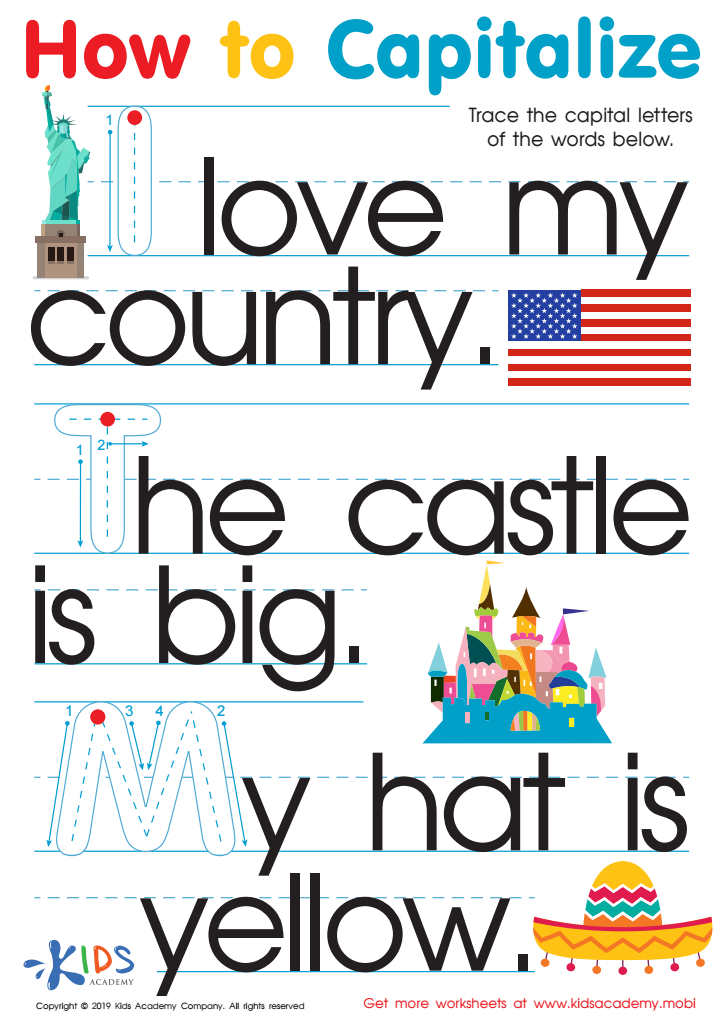
How to Capitalize Worksheet







Parents and teachers should care about the Sentence Structure Alphabet for ages 3-4 because it serves as a foundational literacy tool that nurtures early language development. At this critical stage, children are beginning to explore language and understand how to express their thoughts. The Sentence Structure Alphabet helps young learners grasp the basics of sentence formation, enabling them to construct meaningful sentences through engaging activities and playful interaction.
Introducing sentence structures through an alphabet format makes learning accessible and fun. It allows children to visualize language components, understand the relationships between words, and build confidence as they experiment with different sentences. Additionally, it encourages critical thinking and compositional skills by fostering creativity and self-expression.
Moreover, early familiarity with sentence structures significantly influences later academic success. Children who strengthen their sentence-building skills tend to become better readers and writers. By investing in tools like the Sentence Structure Alphabet, parents and teachers are giving children the opportunity to develop crucial communication skills that will serve them well throughout their educational journey and beyond. Ultimately, supporting early language acquisition in this way ensures that children are better equipped for school readiness and lifelong learning.







