Motor skills development Letter Recognition Worksheets for Ages 3-4
5 filtered results
-
From - To
Enhance your child's motor skills and letter recognition with our engaging worksheets designed specifically for ages 3-4! These printable activities combine fun and learning, helping young learners sharpen their fine motor skills while exploring the world of letters. Each worksheet incorporates colorful graphics and interactive tasks, making learning captivating and enjoyable. As children practice tracing, matching, and identifying letters, they gain confidence in their writing abilities and start to recognize key letters. Perfect for at-home learning or classroom use, our motor skills development letter recognition worksheets are a fantastic resource to foster early literacy and prep little ones for future success!

Letter H Tracing Page
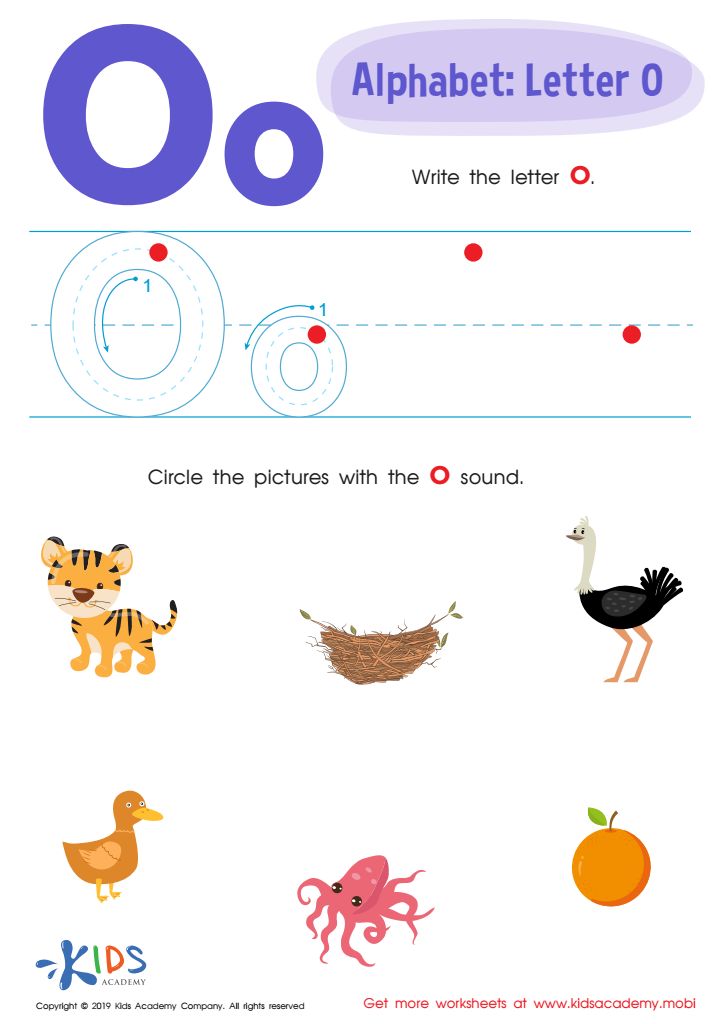
Letter O Tracing Worksheet
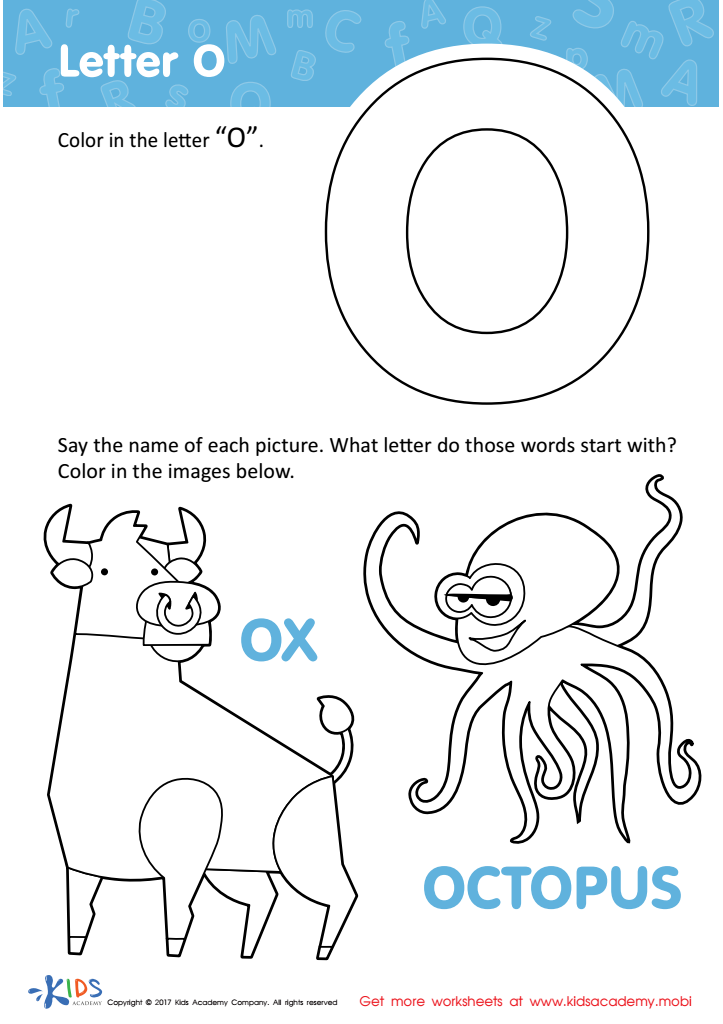
Letter O Coloring Sheet
 Assign to My Students
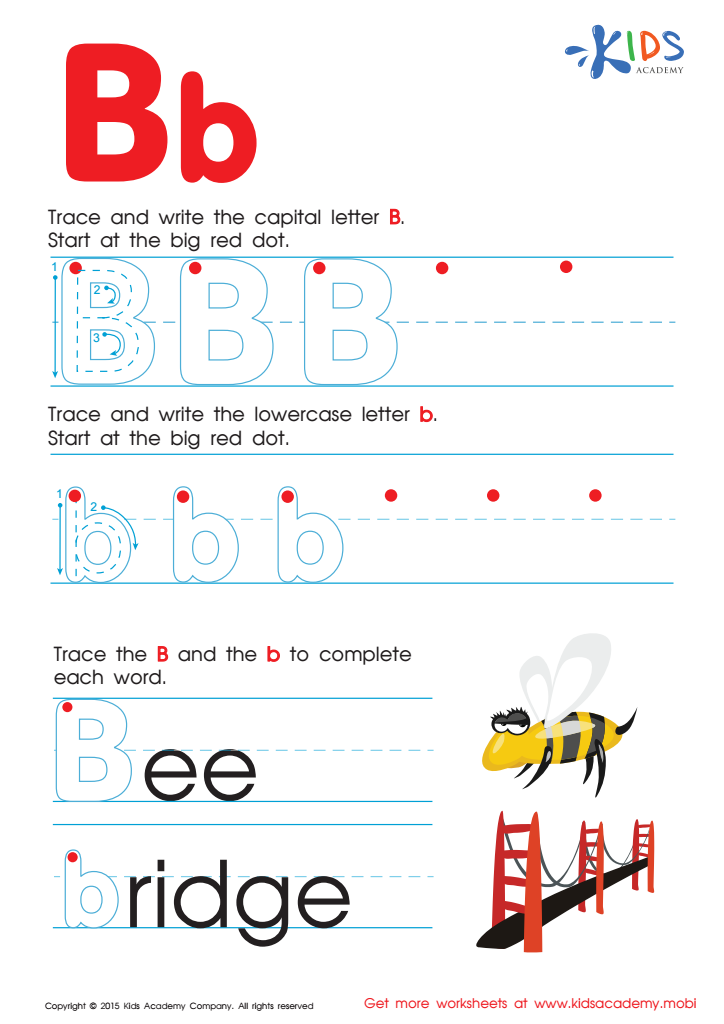
Letter B Tracing Page
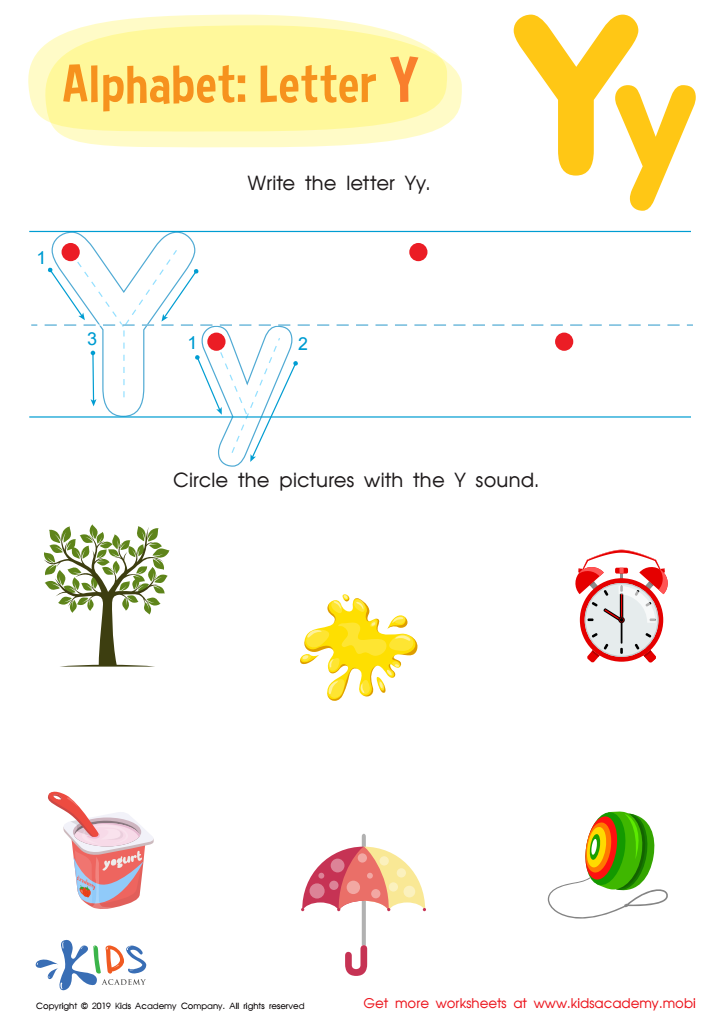
Letter Y Tracing Worksheet








Motor skills development and letter recognition are crucial components of early childhood education, particularly for children aged 3-4. Parents and teachers should care about these areas because they lay the foundation for future learning and cognitive growth.
Motor skills, both fine and gross, are essential for a child's ability to interact with their environment. Fine motor skills, such as grasping a pencil or manipulating small objects, are necessary for writing and other academic tasks. By helping children refine these skills, adults enable them to become more confident and independent learners.
Letter recognition is equally important at this age. It not only aids in the development of literacy but also fosters a love for reading and writing. Recognizing letters helps children understand that written language carries meaning, enhancing their vocabulary and comprehension skills.
Developing motor skills while engaging in activities that promote letter recognition—like tracing letters in sand or crafting with playdough—makes learning enjoyable and effective. Together, these skills encourage curiosity and a positive attitude toward education, setting the stage for lifelong learning. By prioritizing motor skills and letter recognition, parents and teachers nurture well-rounded, capable children ready to thrive in school and beyond.







