Phonics practice Letter Recognition Worksheets for Ages 3-4
3 filtered results
-
From - To
Enhance your child's early literacy skills with our Phonics Practice Letter Recognition Worksheets designed specifically for ages 3-4! These engaging worksheets promote letter recognition, sound association, and phonemic awareness through fun and interactive activities. Each worksheet includes colorful illustrations and playful challenges that make learning enjoyable. Perfect for home or classroom use, these resources help young learners develop a strong foundational understanding of the alphabet, paving the way for future reading success. Download our printable worksheets today and support your child's journey to becoming a confident reader through the magic of phonics! Start building essential skills and make learning fun!
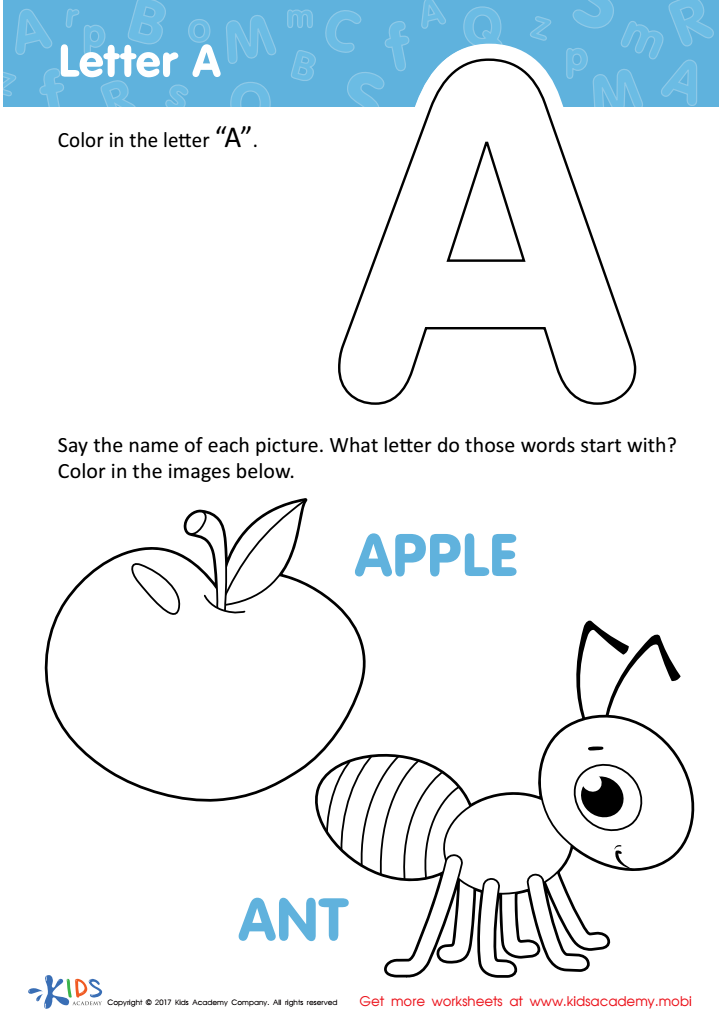
Letter A Coloring Sheet
 Assign to My Students
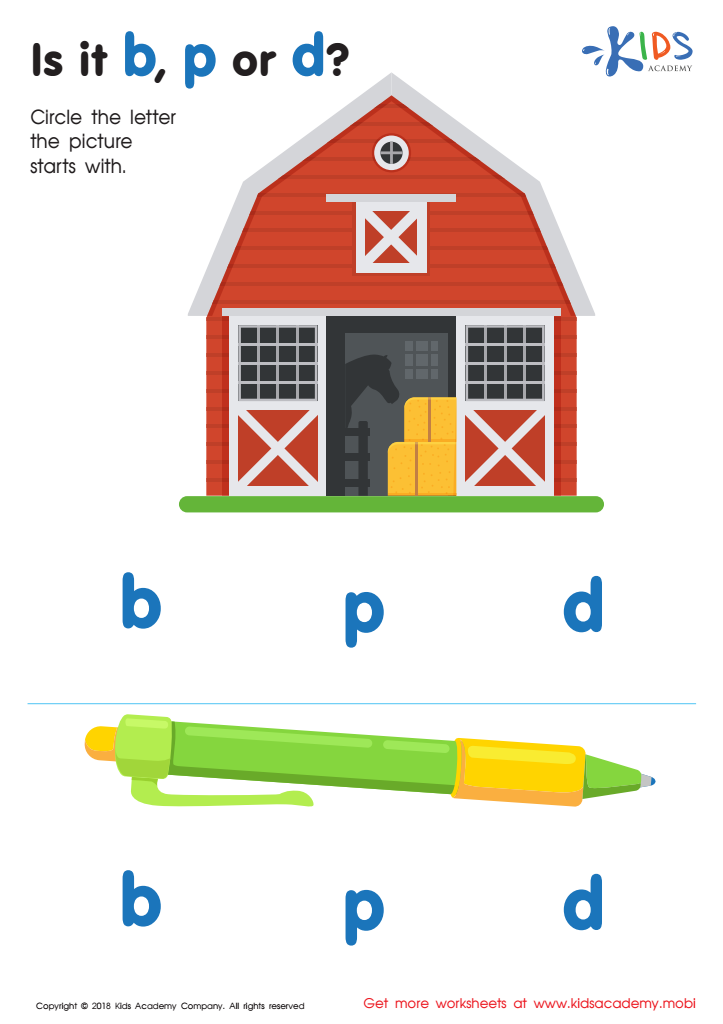
Is it b, p or d? Worksheet
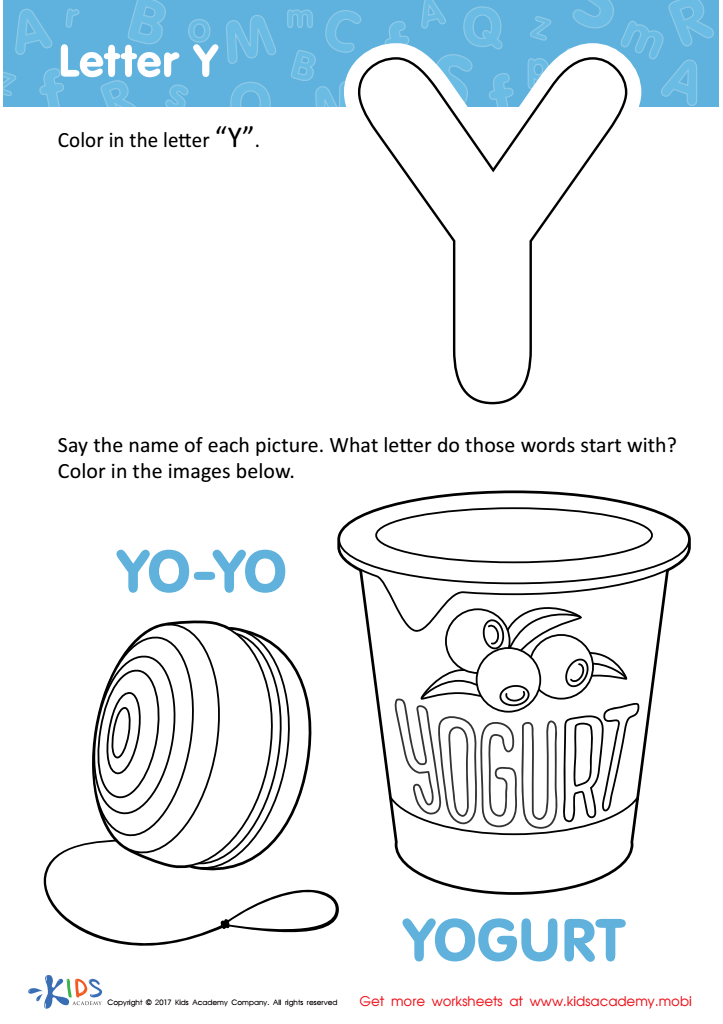
Letter Y Coloring Sheet
Assign to My Students








Phonics practice and letter recognition are essential foundations for early literacy in children aged 3-4. During this critical developmental stage, children are beginning to make connections between sounds and letters, which is fundamental for reading and writing.
Understanding letter recognition helps children identify and differentiate letters, an important skill that aids in developing their reading abilities. Engaging in phonics practice enhances their ability to hear individual sounds and understand how these sounds correlate with letters, which paves the way for decoding words later on.
Moreover, early phonics and letter recognition lead to increased confidence in young learners. When children recognize letters and sounds, they become enthusiastic readers and writers, fostering a love for literacy that will benefit them throughout their education and life.
Parents and teachers should prioritize phonics practice because it helps to improve vocabulary, language skills, and overall cognitive development. It encourages critical thinking as children begin to form words and sentences, building essential communication skills. Additionally, establishing strong literacy skills at this tender age supports later academic success, ensuring that children are well-prepared for more complex reading and writing tasks as they grow older. Investing time in phonics and letter recognition during these formative years yields significant long-term benefits.







