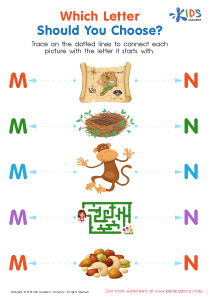
Fine Motor Skills Lowercase/Small Letters Worksheets for Ages 3-4
14 filtered results
-
From - To
Discover our engaging Fine Motor Skills Lowercase/Small Letters Worksheets designed for ages 3-4! These thoughtfully crafted worksheets help young learners strengthen their fine motor skills while familiarizing them with lowercase letters. Perfect for home or classroom use, each activity encourages children to practice tracing, coloring, and identifying letters through fun, hands-on exercises. By integrating essential motor skill development with letter recognition, our worksheets offer a holistic approach to early learning. Boost your child's confidence and creativity as they embark on their alphabet journey! Explore our collection and watch your little ones thrive as they develop key skills for future success.
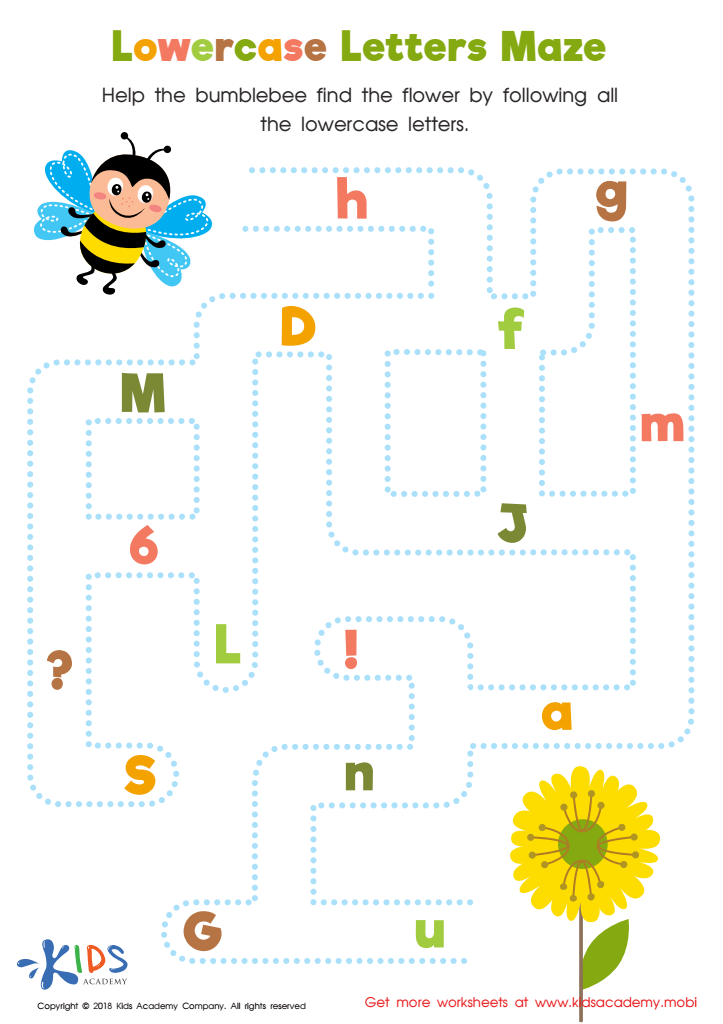
Lowercase Letters Maze Worksheet
 Assign to My Students
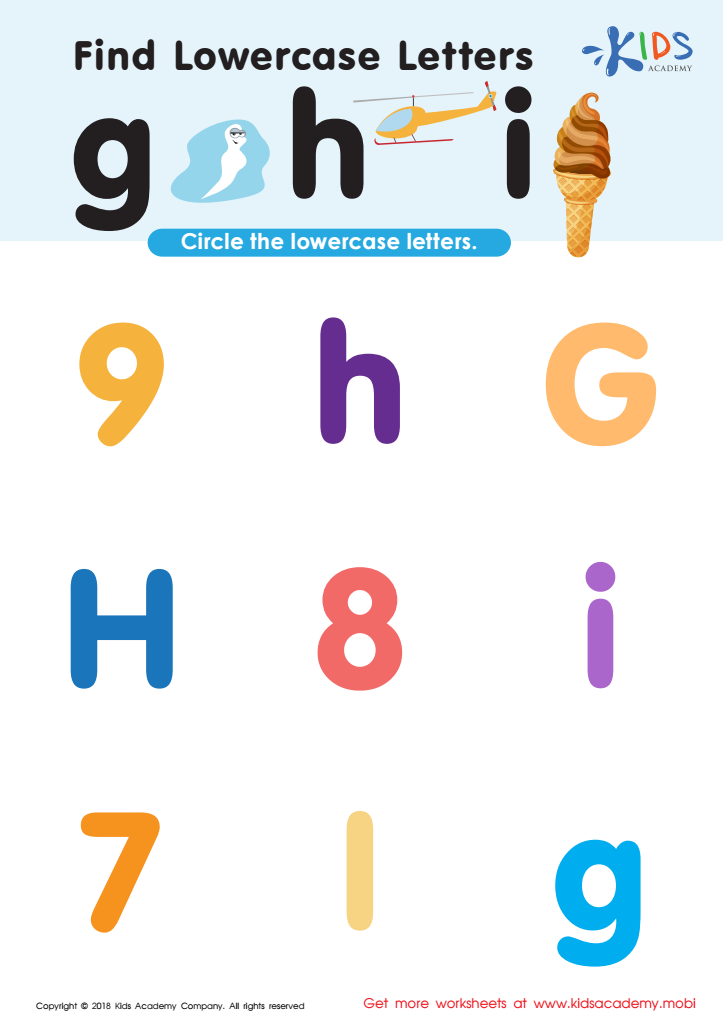
Find Lowercase Letters g h i Worksheet
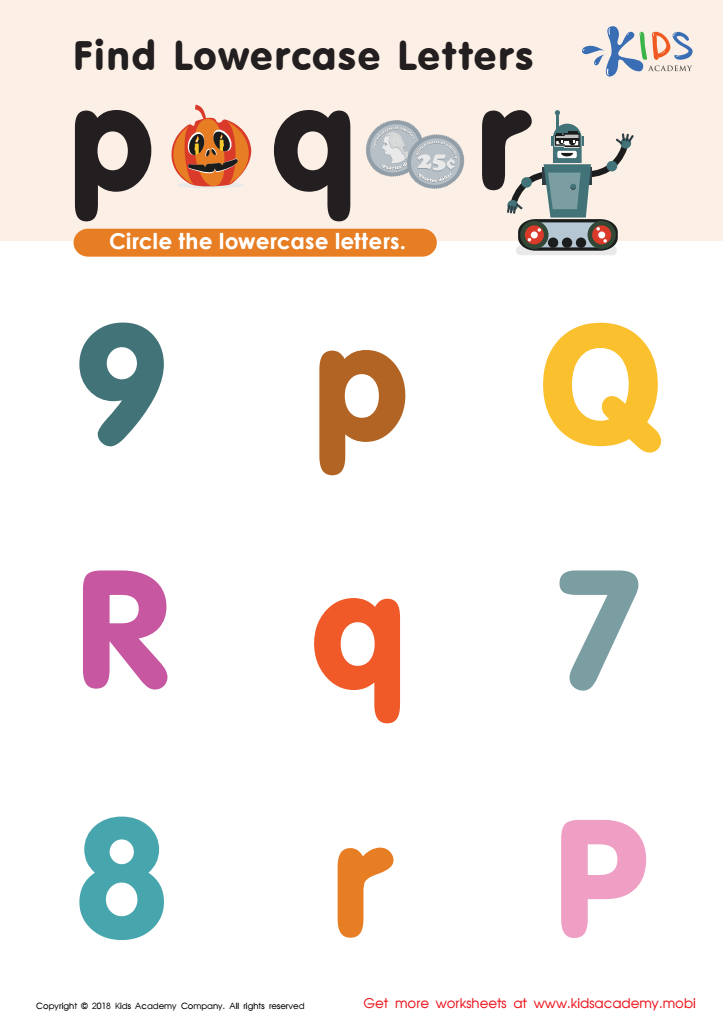
Find lowercase Letters p q r Worksheet
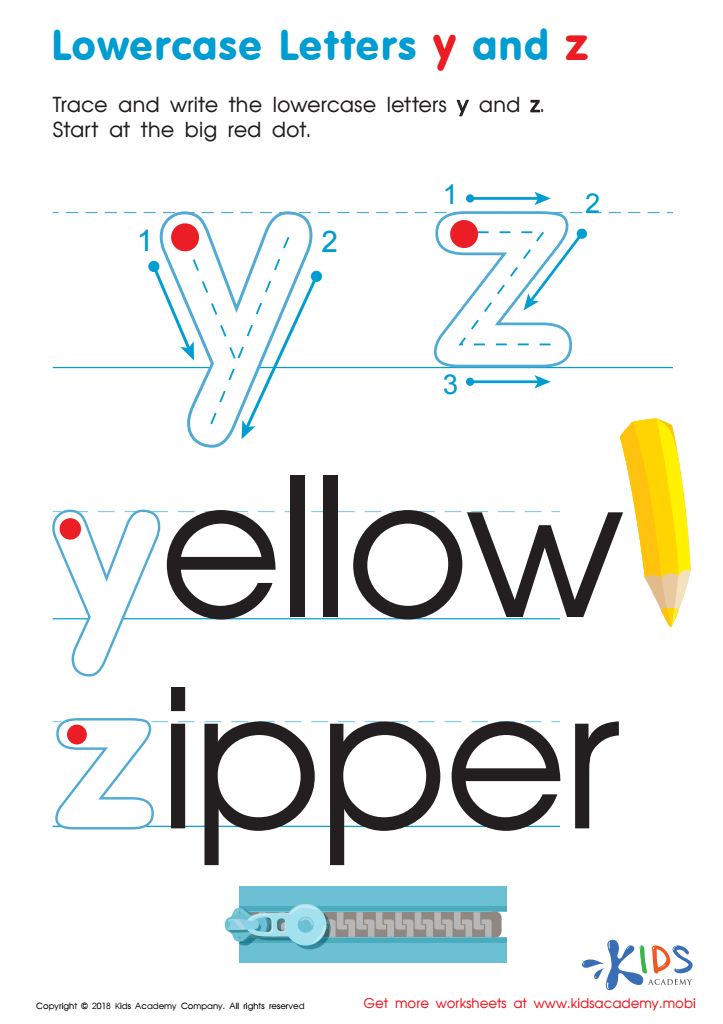
Lowercase Letters y z Worksheet
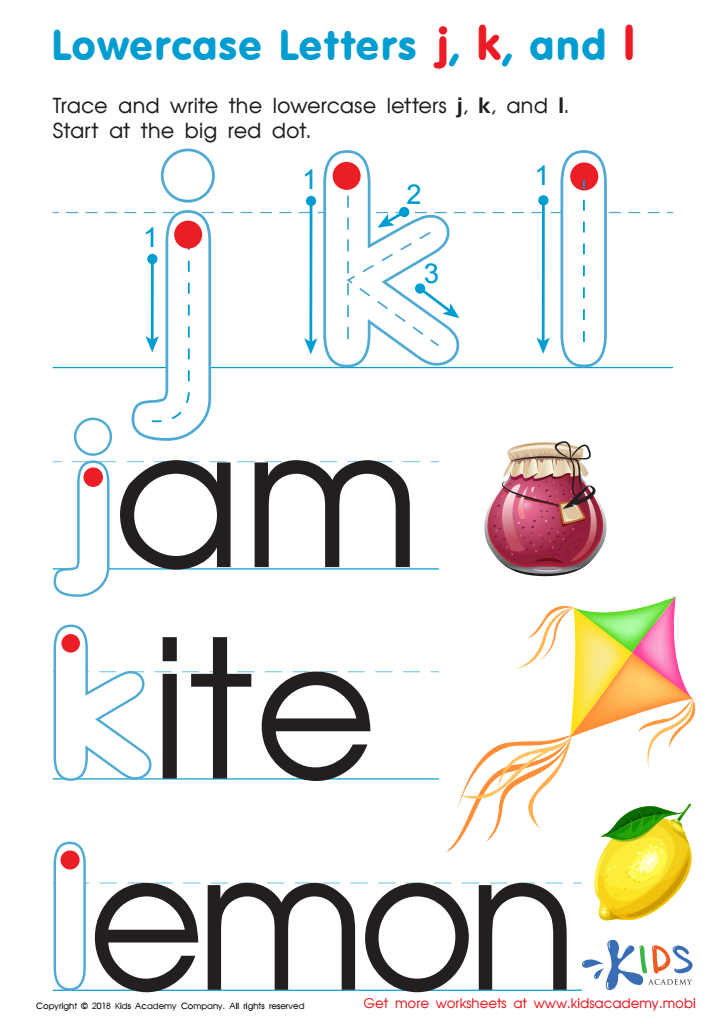
Lowercase Letters j k l Worksheet

Find lowercase Letters s t u Worksheet
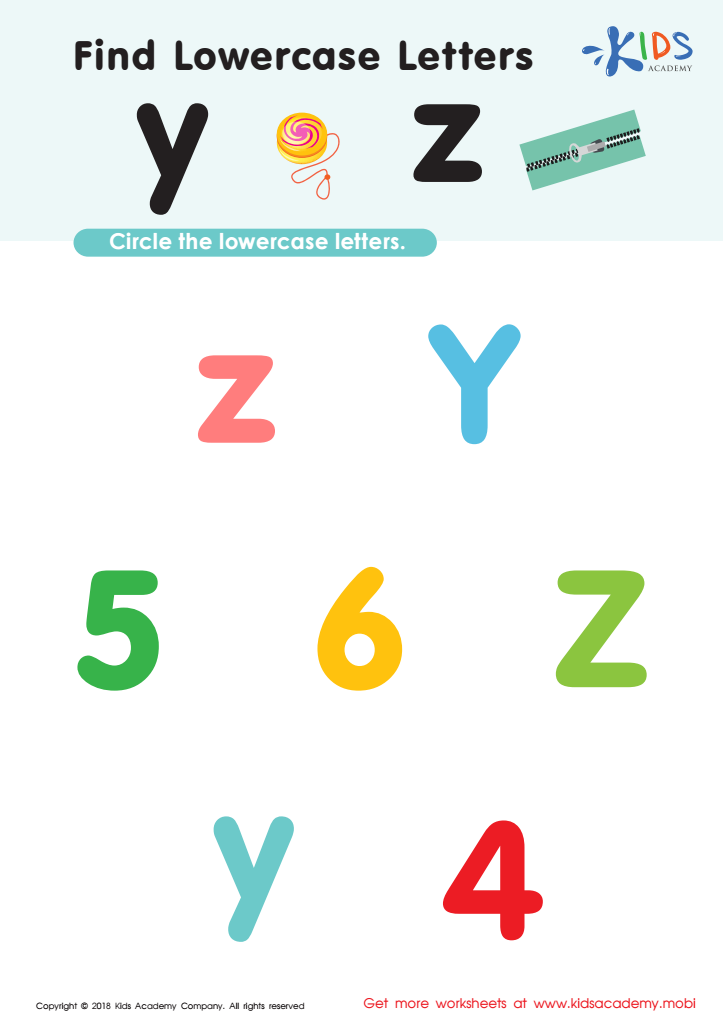
Find Lowercase Letters y z Worksheet
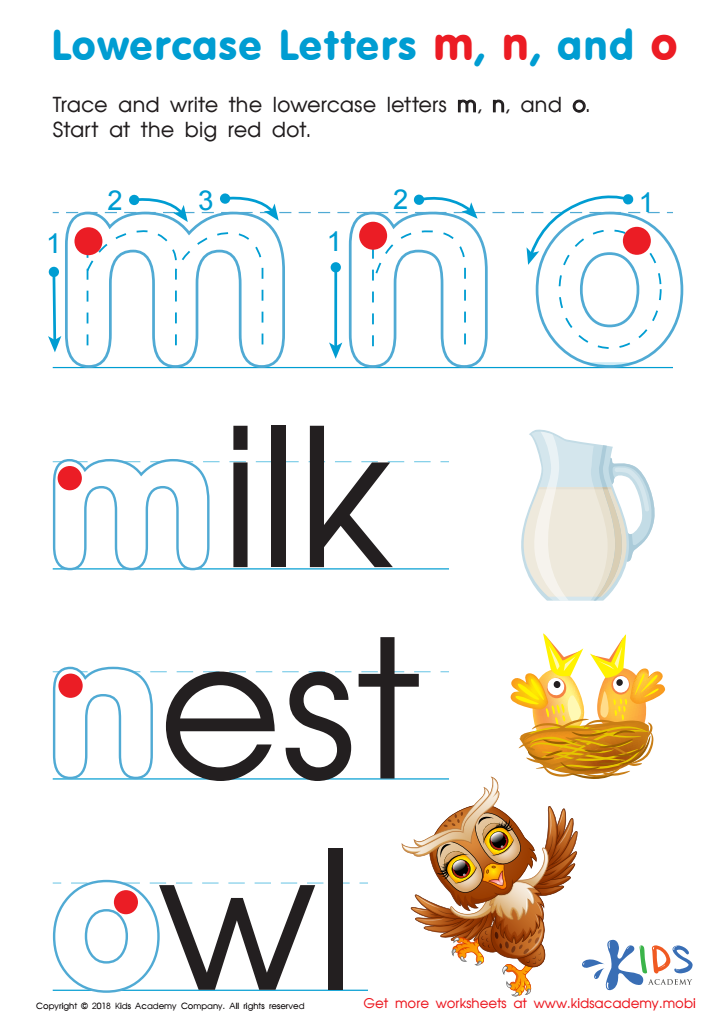
Lowercase Letters m n o Worksheet
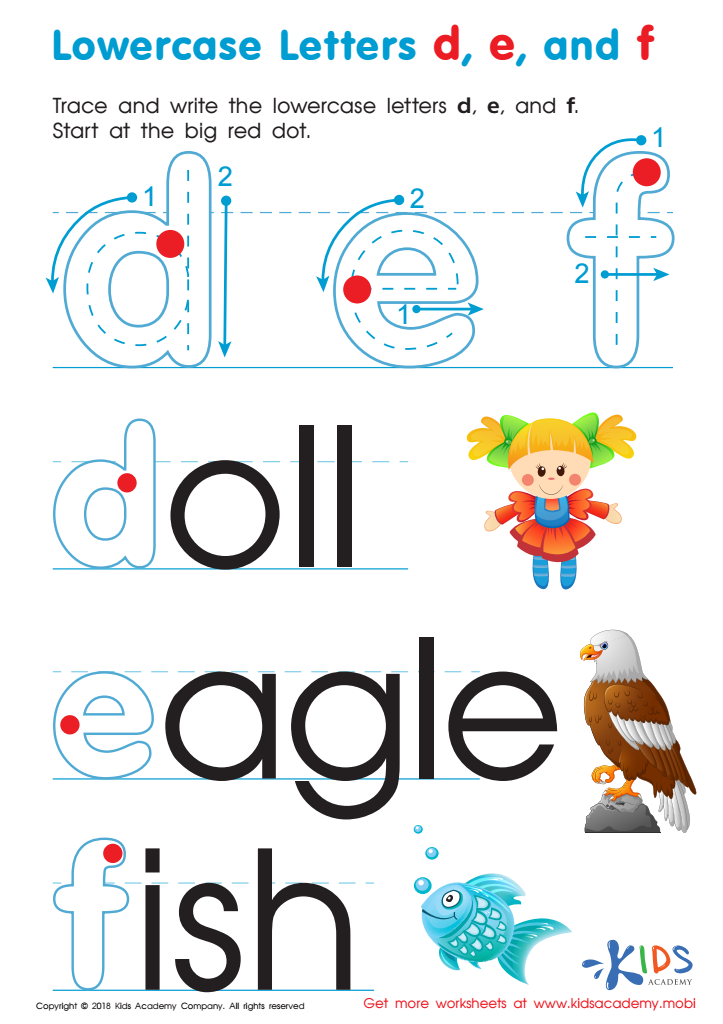
Lowercase Letters d e f Worksheet
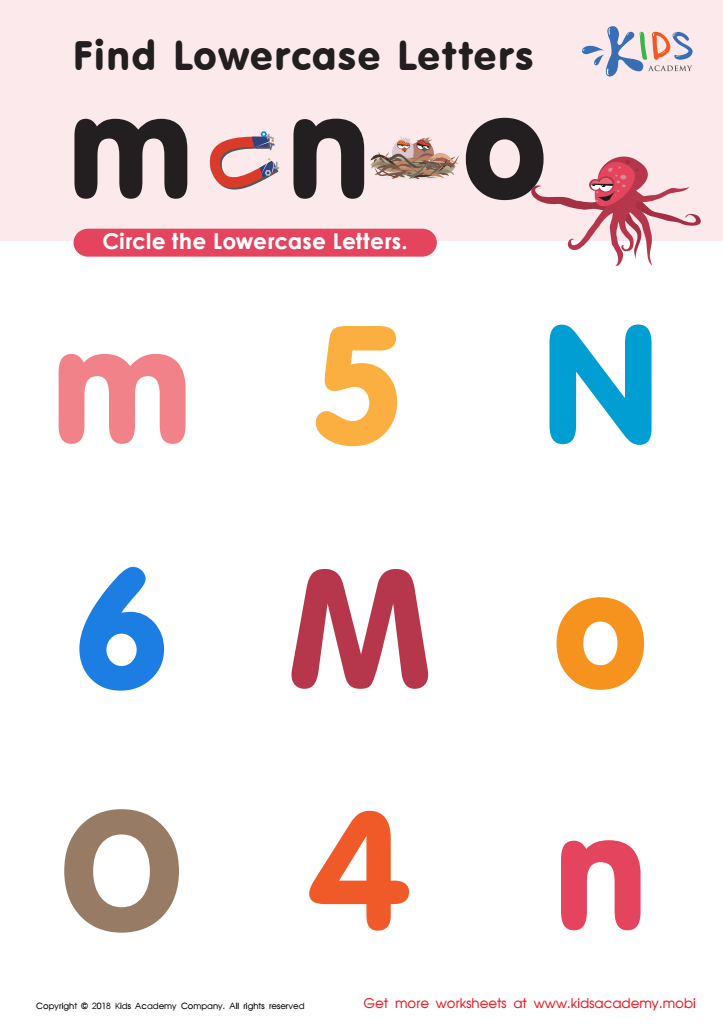
Find Lowercase Letters m n o Worksheet

Find lowercase letters a b c Worksheet
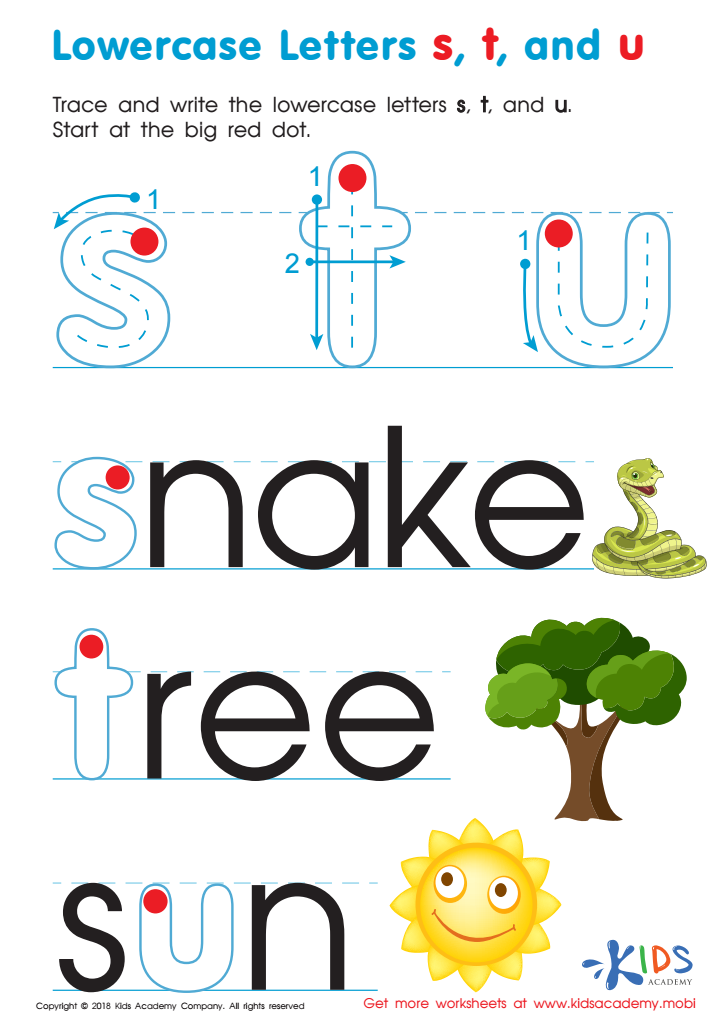
Lowercase Letters s t u Worksheet
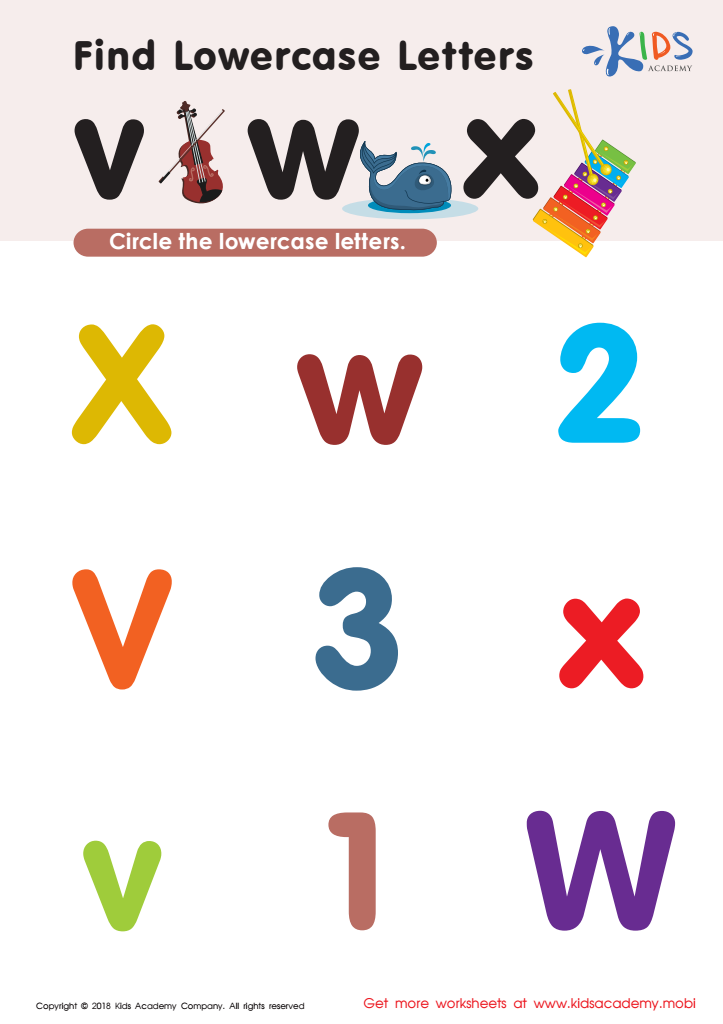
Find Lowercase Letters v w x Worksheet
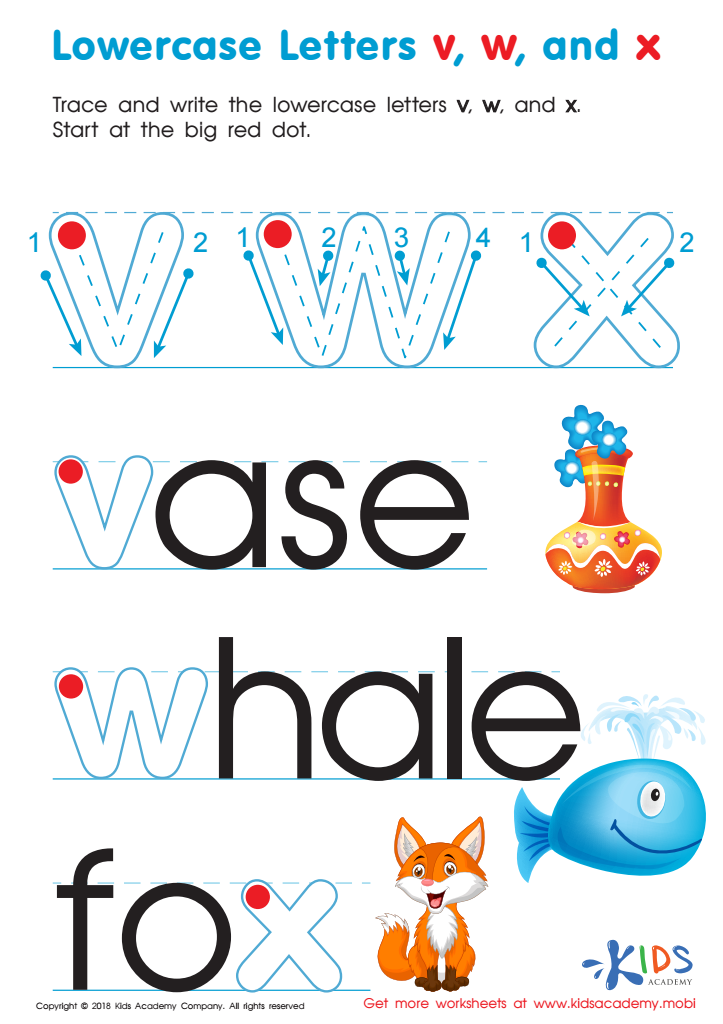
Lowercase Letters v w x Worksheet


Fine motor skills, especially in the context of writing lowercase or small letters, are critical for children aged 3-4. At this developmental stage, children are honing their hand-eye coordination, finger dexterity, and control, which play a vital role in pre-writing skills. When parents and teachers prioritize fine motor skills, they help children develop a strong foundation for literacy and practical everyday tasks.
Engaging in activities that enhance fine motor skills, such as tracing and forming letters with hands-on materials like playdough or sand, fosters cognitive connections associated with letter recognition and writing. This practice not only boosts confidence and independence in the classroom but also encourages creativity and self-expression.
Moreover, solid fine motor skills prevent frustration during more complex tasks later on, ensuring a smoother transition as children progress to larger writing tasks in kindergarten and beyond. Parents and teachers who focus on developing these skills promote not just academic success but also support social-emotional development, as children enjoy the satisfaction of mastering new abilities. Investing time and resources in fine motor skill development can lead to improved writing, better communication, and a lifelong love of learning. Ultimately, promoting early fine motor skills creates a sturdy foundation for future academic achievement.