
Letter-sound association Upper & Lowercase Letters Worksheets for Ages 3-4
3 filtered results
Difficulty Level
Grade
Age
-
From - To
Subject
Activity
Standards
Unlock early reading skills with our engaging Letter-Sound Association Upper & Lowercase Letters Worksheets for ages 3-4! Designed to cultivate foundational literacy, these colorful, interactive worksheets help young learners seamlessly associate letters with their corresponding sounds while distinguishing between uppercase and lowercase forms. Perfect for preschoolers, each activity is thoughtfully crafted to inspire a love for reading through playful learning. Spark curiosity and boost confidence in your child's alphabet mastery. Visit Kids Academy today to download and explore a world of educational fun, setting the stage for future success in reading and writing.
Let's help your child learn and grow!
Favorites
With answer key
Interactive
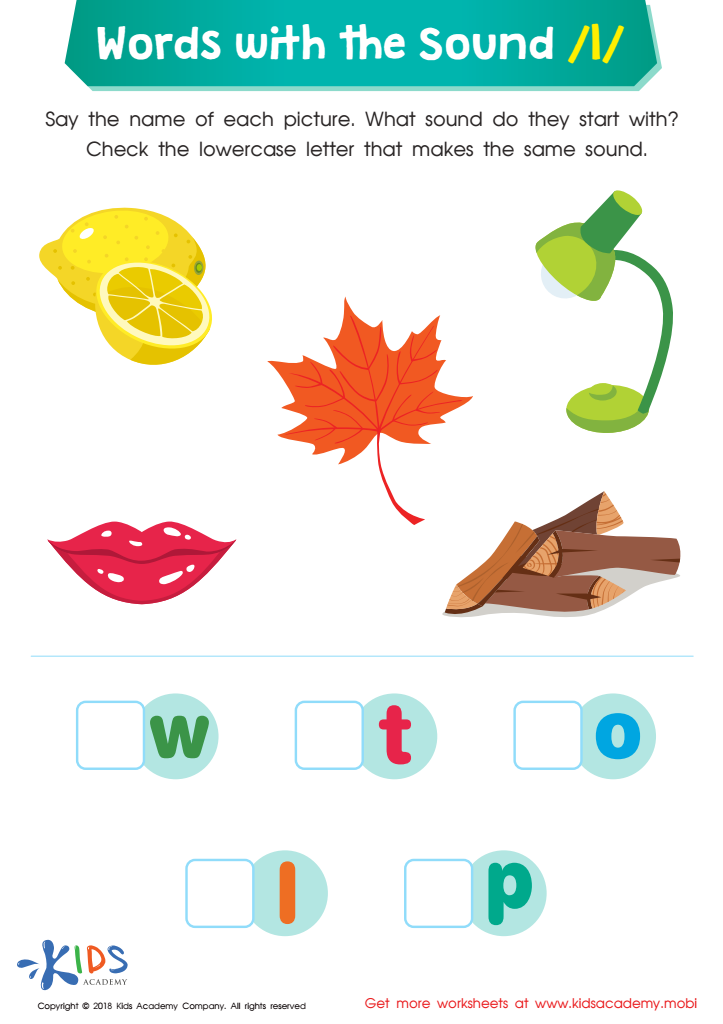
Words with Sound L Reading Worksheet
This PDF worksheet is great for helping emerging readers isolate initial sounds. Kids name familiar pictures, then identify the correct letter for the "l" sound. This worksheet strengthens fine motor skills, plus builds visual discernment. It's fun and colorful too!
 Assign to My Students
Words with Sound L Reading Worksheet
Worksheet

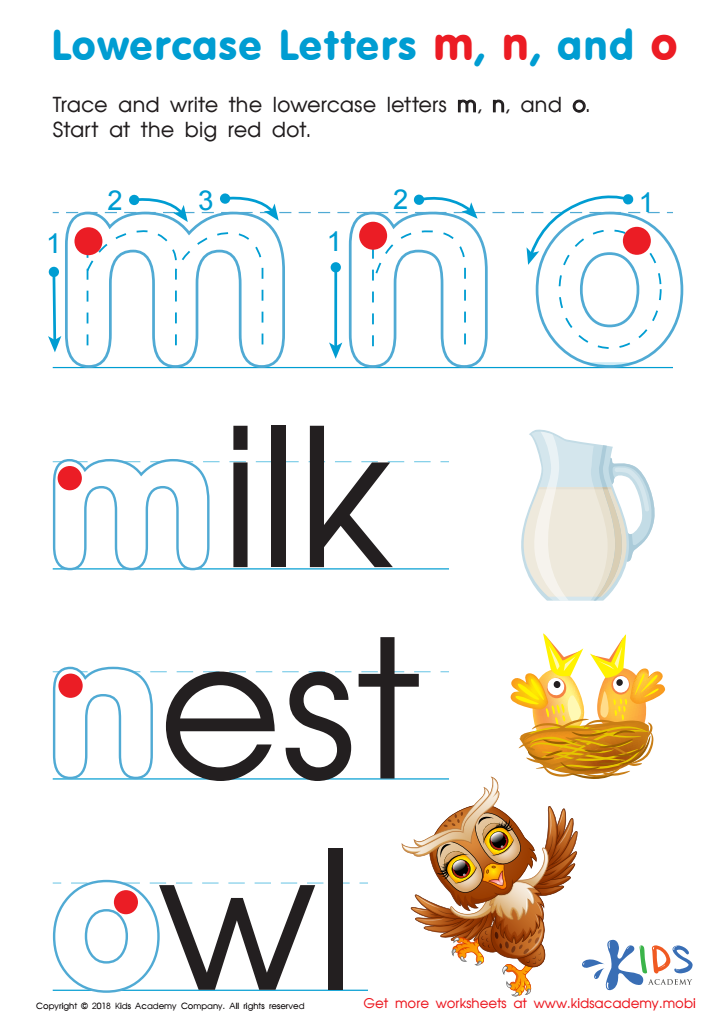
Lowercase Letters m n o Worksheet
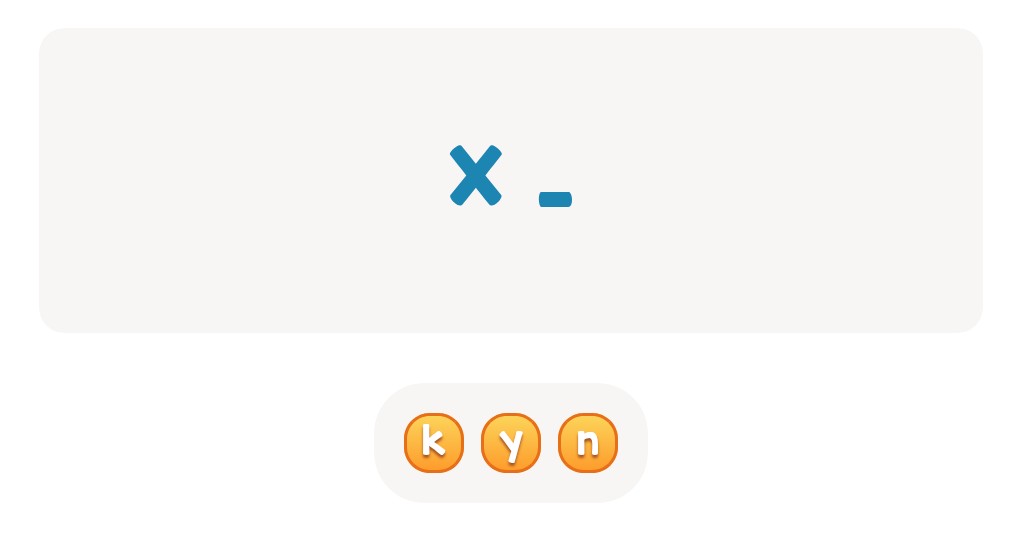
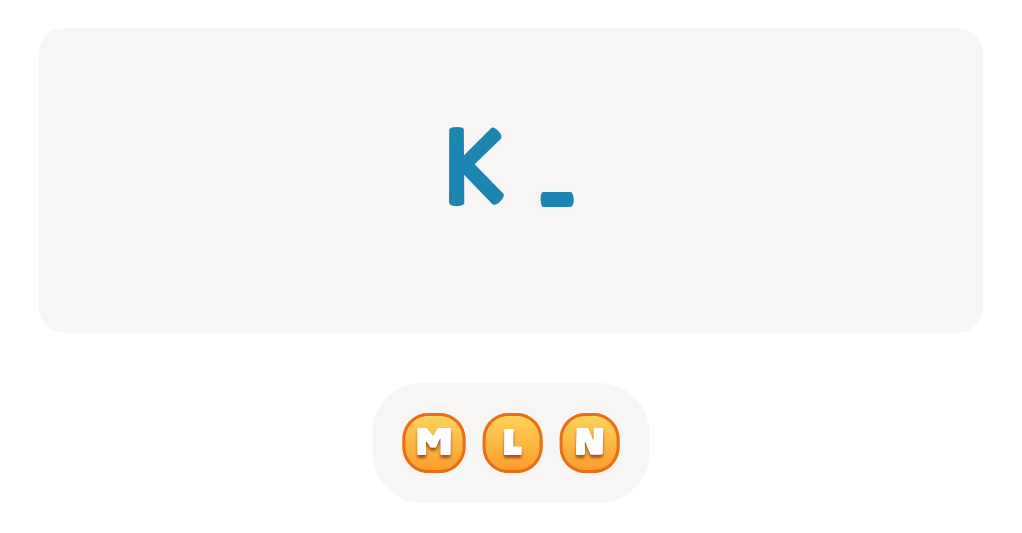
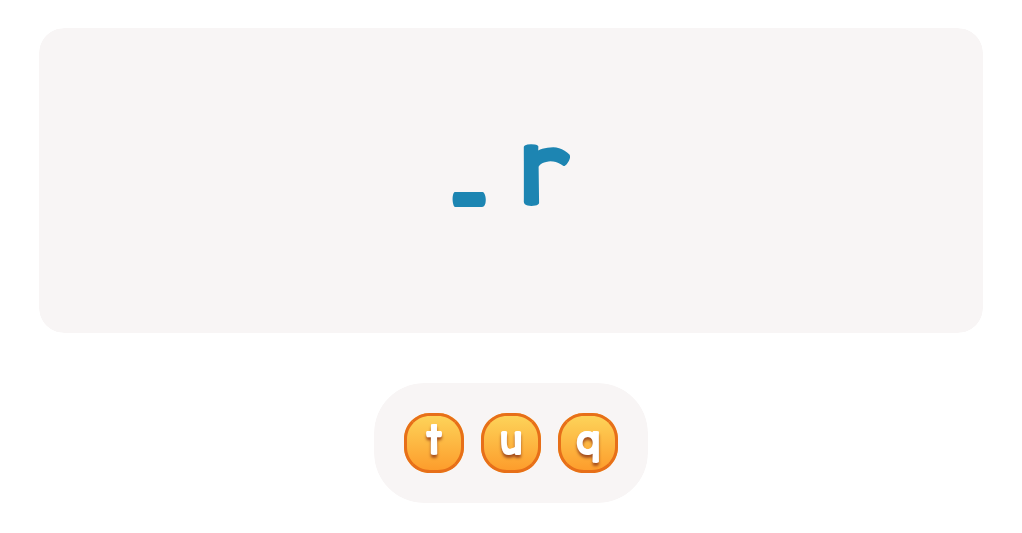
Help your child learn the alphabet with letter tracing. Show them the difference between uppercase and lowercase letters by working through this free worksheet, tracing and writing lowercase m, n and o.
Lowercase Letters m n o Worksheet
Worksheet
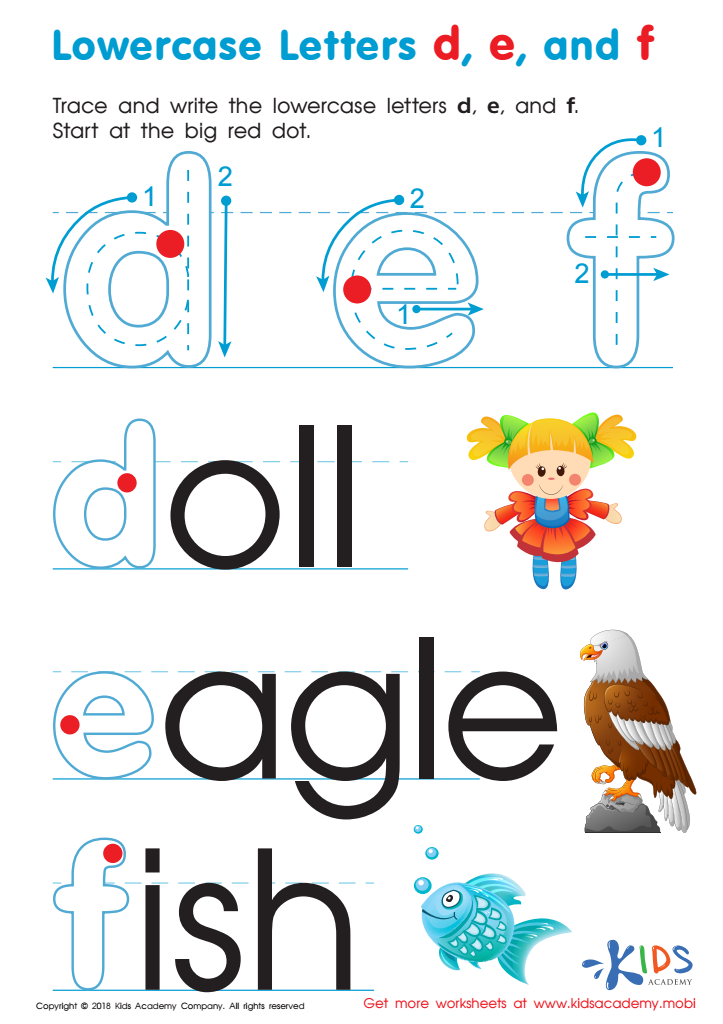
Lowercase Letters d e f Worksheet
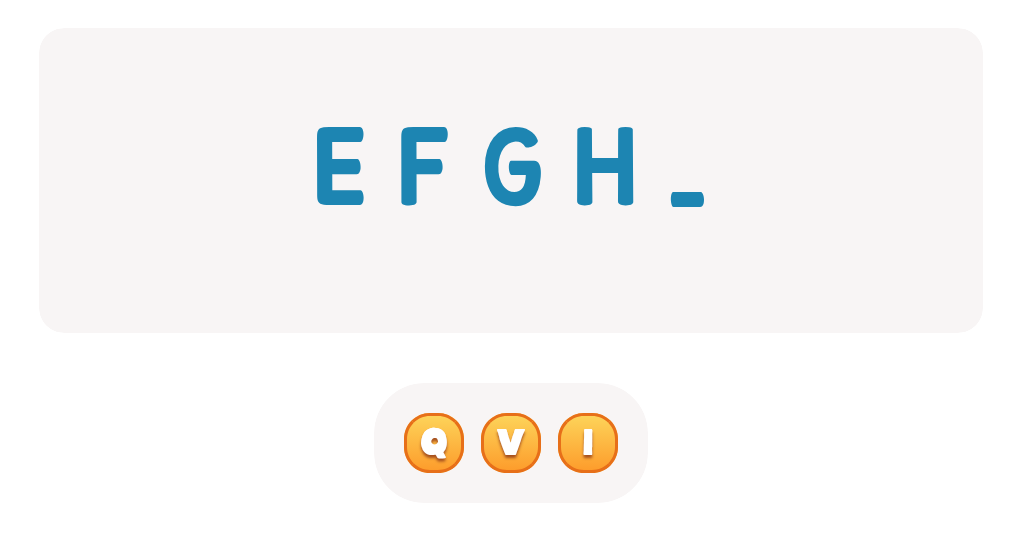
Help your child learn the alphabet letters by tracing and writing the lowercase letters d, e, and f. Begin at the big red dot and follow the dots. This worksheet will help your little one gain a better understanding of the letters.
Lowercase Letters d e f Worksheet
Worksheet
Join Kids Academy for Free
Who is primarily going to use this learning content?






Understanding letter-sound associations and recognizing both uppercase and lowercase letters are crucial developmental milestones for children aged 3-4. At this tender age, kids are in their "sensitive period" for language acquisition, absorbing information rapidly. Knowing the association between letters and sounds, termed phonemic awareness, forms the foundation for reading and writing skills.
When children learn that letters represent sounds, they begin to understand that written text is more than just symbols on a page; it carries meaning. This knowledge supports word recognition and spelling, essential skills for early literacy. Learning both uppercase and lowercase letters ensures children can read a variety of texts since they will encounter both in reading and writing.
Parents and teachers who emphasize these skills help children build confidence and curiosity about written language. This foundation leads to improved vocabulary, better communication skills, and a lifelong love for reading. Additionally, early literacy skills are closely linked to academic success in later years. In an increasingly literate and information-rich world, mastery of these basic skills enables children to navigate and succeed more easily.
Investing time in alphabet knowledge sets children on a path to becoming competent, confident readers, sparking a trajectory of learning and success that extends far beyond the early years.







