Vocabulary development Vowels Worksheets for Ages 3-4
4 filtered results
-
From - To
Unlock the magic of language with our engaging "Vocabulary Development Vowels Worksheets" designed specifically for ages 3-4! These interactive worksheets focus on helping young learners recognize and understand vowel sounds, enhancing their vocabulary skills in a fun and playful way. Children will explore vibrant illustrations and simple activities that encourage phonetic awareness and word recognition. By integrating vowels into imaginative exercises, kids will strengthen their language foundation, preparing them for future reading and writing success. Join us in fostering a love for learning as your little ones embark on their exciting vocabulary journey! Perfect for home or classroom use!
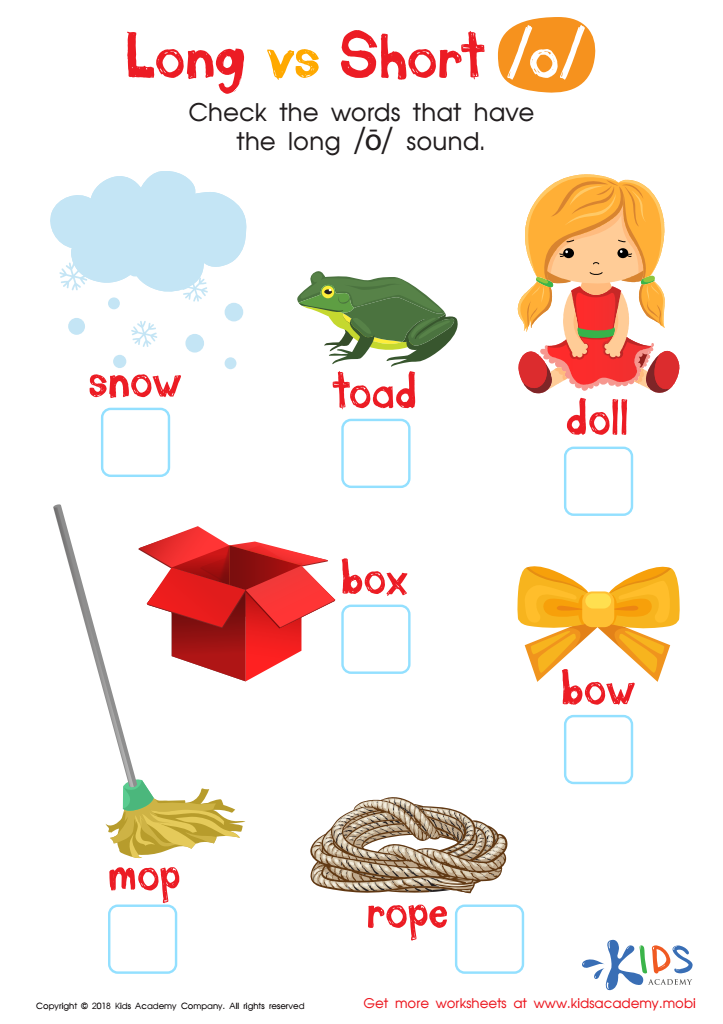
Long vs Short O Reading Worksheet
 Assign to My Students
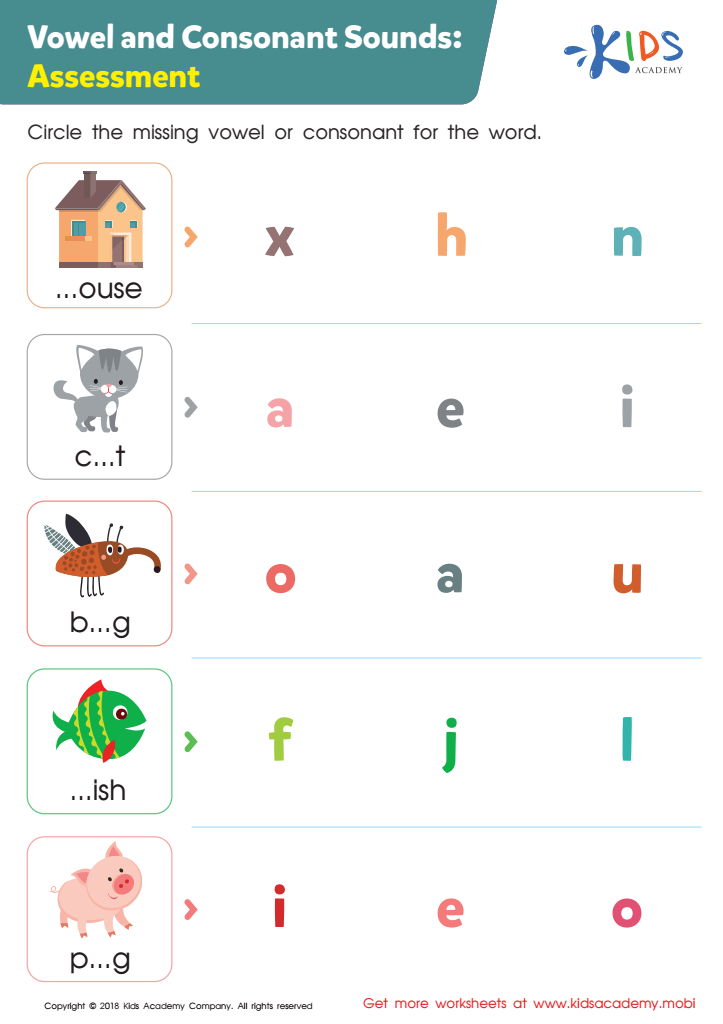
Vowel and Consonant Sounds: Assessment Worksheet
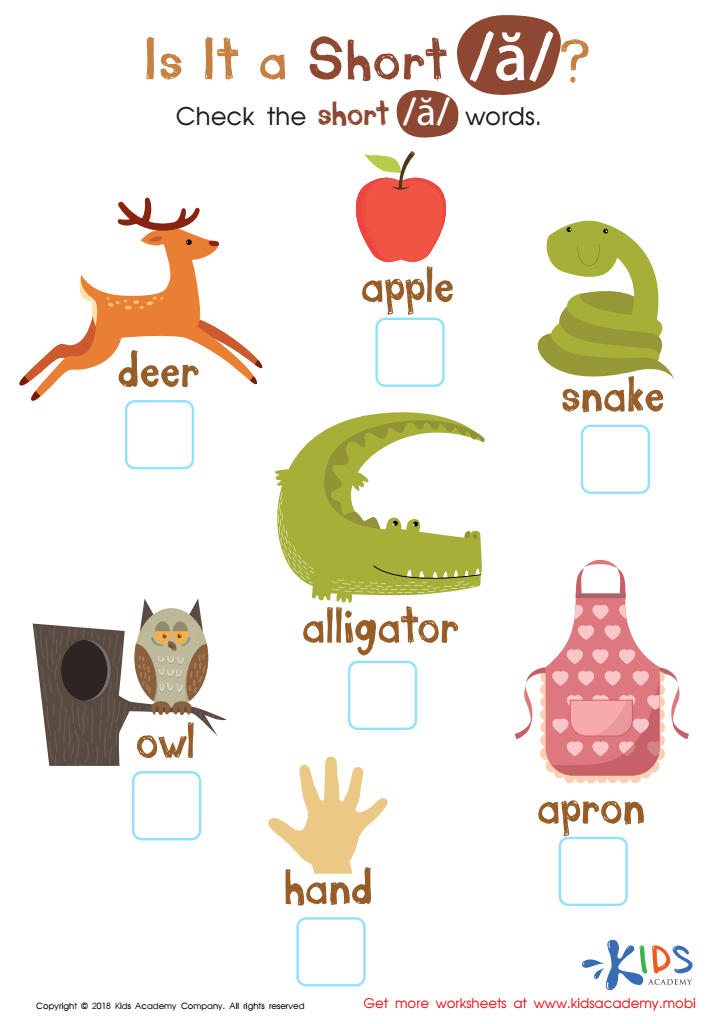
Is It Short A? Reading Worksheet
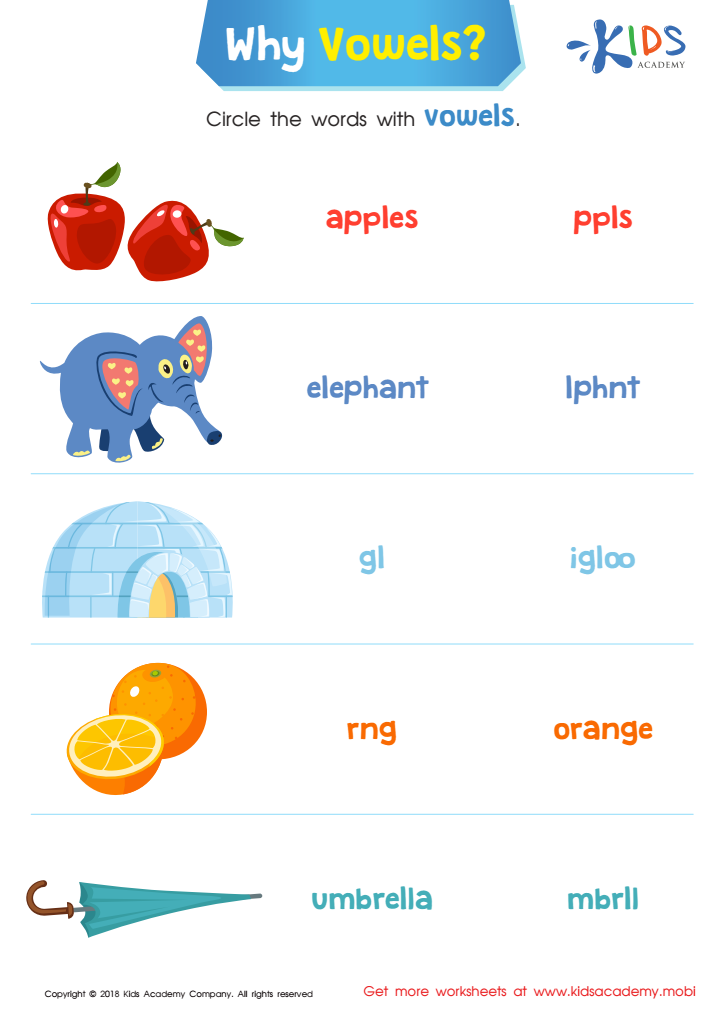
Why Vowels? Reading Worksheet





Vocabulary development, particularly focusing on vowels, is crucial for children aged 3-4 because it lays the foundational skills for literacy and communication. At this age, children are naturally curious, constantly absorbing language from their environment. Engaging with vowels— the building blocks of words— encourages young learners to explore the sounds and structures of language, making it easier for them to formulate words and sentences.
Vowel sounds are vital for phonemic awareness, which significantly impacts reading and writing abilities later on. By helping children recognize and articulate vowel sounds, parents and teachers enable them to better decode words, enhancing their overall language skills. This is especially important as young children learn to differentiate between similar sounding words and develop the ability to manipulate sounds—a key precursor to reading.
Moreover, fostering vocabulary development at this stage enhances listening and comprehension skills, opening the door to richer conversations and storytelling. Encouraged interactions, such as singing songs, reading aloud, and playing vowel-focused games, can make learning enjoyable and effective. Parents and teachers who invest in vocabulary and phonics at this early age set children on a path toward academic success and effective communication. Ultimately, nurturing these skills helps children build confidence and a love for language.







