History knowledge 4th of July Worksheets for Ages 3-4
3 filtered results
Difficulty Level
Grade
Age
-
From - To
Subject
Activity
Standards
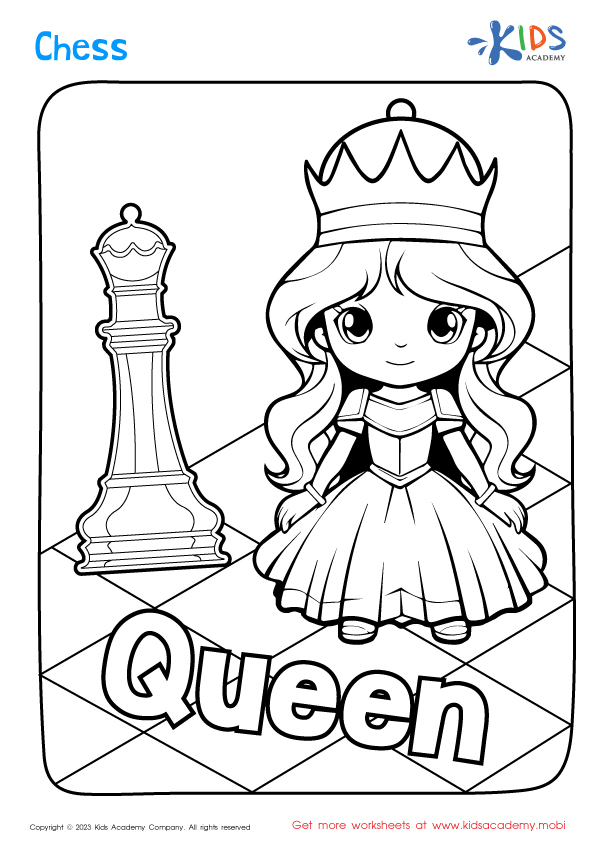
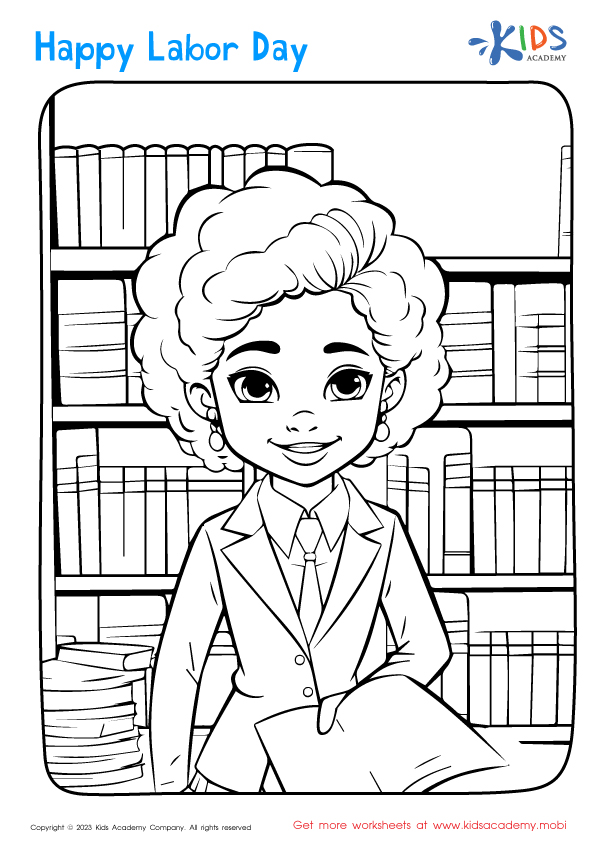
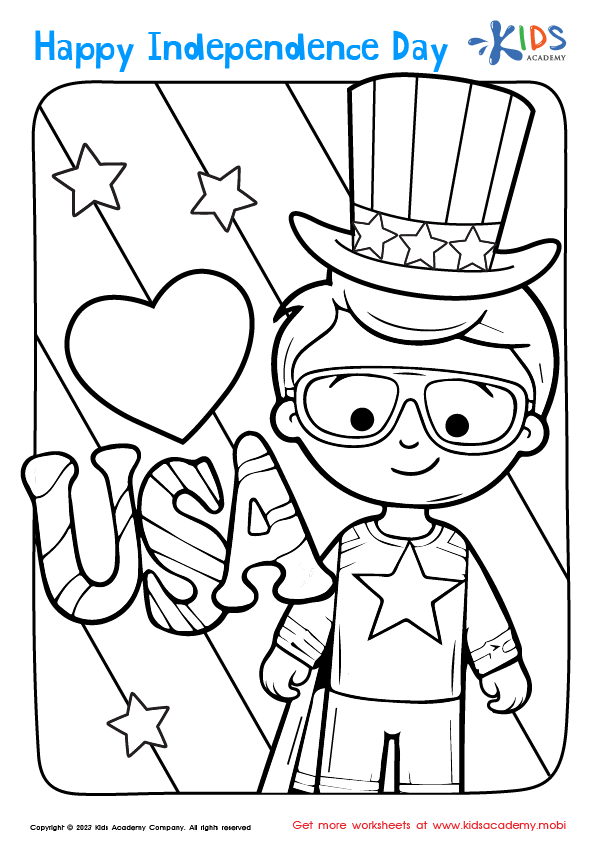
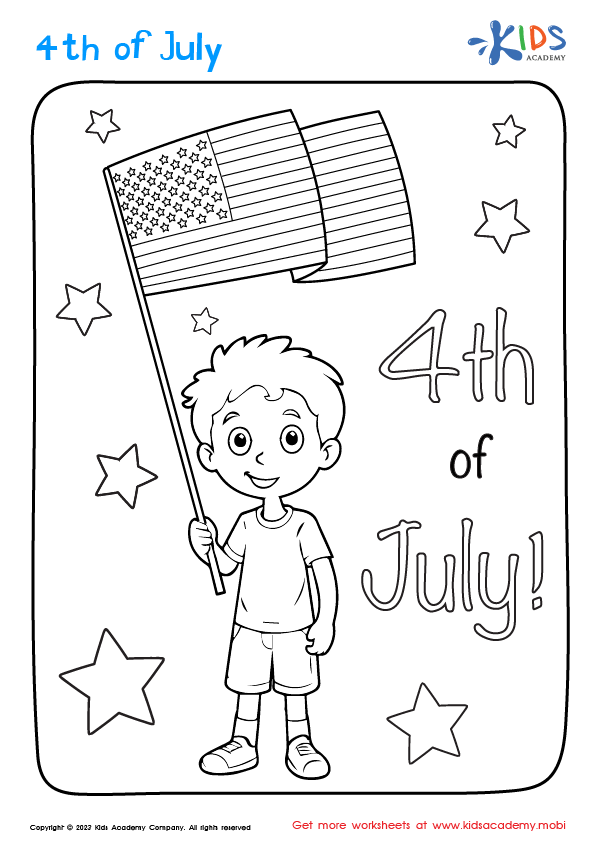
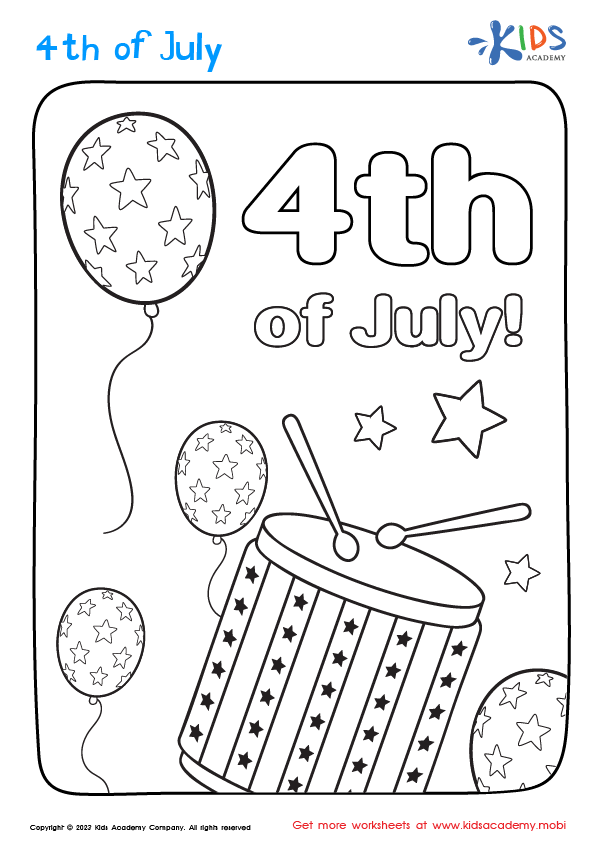
Explore our engaging History Knowledge 4th of July Worksheets designed specifically for ages 3-4! These fun, interactive activities introduce young learners to the significance of Independence Day in a creative and age-appropriate way. With vibrant coloring pages and simple games, children will develop early history skills while celebrating this important holiday. Our worksheets encourage curiosity and discussions about freedom and national pride, making learning enjoyable and meaningful. Perfect for parents and teachers alike, these resources are an excellent way to instill a love for history in your little ones. Celebrate the 4th of July with learning and creativity today!
Favorites
With answer key
Interactive
Join Kids Academy for Free
Who is primarily going to use this learning content?



Teaching young children about the 4th of July is essential for several reasons. Firstly, it introduces them to the concepts of independence, freedom, and national pride in a way that's accessible and engaging. For preschoolers aged 3-4, stories, songs, and simple art activities can convey the meaning of independence in a fun and relatable manner. By discussing this holiday, teachers and parents can foster a sense of belonging and identity among young children, helping them understand their place within a larger community and nation.
Moreover, learning about historical events like the 4th of July lays the groundwork for future education. It teaches kids the importance of sharing stories that shape their culture and experiences. Understanding history nurtures curiosity, allowing children to ask questions and seek answers, which builds critical thinking skills. Additionally, it encourages discussions about values such as respect, equality, and justice—important lessons for lifelong citizenship.
Engaging children in these conversations also strengthens the parent-child or teacher-child bond. Through shared activities and storytelling, adults can instill a sense of wonder about the world around them, fostering a love for learning that will benefit them throughout their educational journey.