Vocabulary development Coloring Pages Worksheets for Ages 3-4
4 filtered results
Difficulty Level
Grade
Age
-
From - To
Subject
Activity
Standards
Discover our engaging Vocabulary Development Coloring Pages and Worksheets designed specifically for children ages 3-4! These resources intertwine creativity and learning, allowing young learners to explore new words while enjoying the fun of coloring. Each worksheet encourages children to associate images with words, enhancing their understanding and retention of vocabulary. Colorful illustrations and interactive activities promote cognitive development, making language acquisition enjoyable and effective. Ideal for parents, teachers, and caregivers seeking to enrich early literacy skills, our coloring pages make learning a delightful experience. Help your little ones build a strong vocabulary foundation while they express their artistic talents!
Favorites
With answer key
Interactive
Easter: a Bunny and a Lamb Worksheet
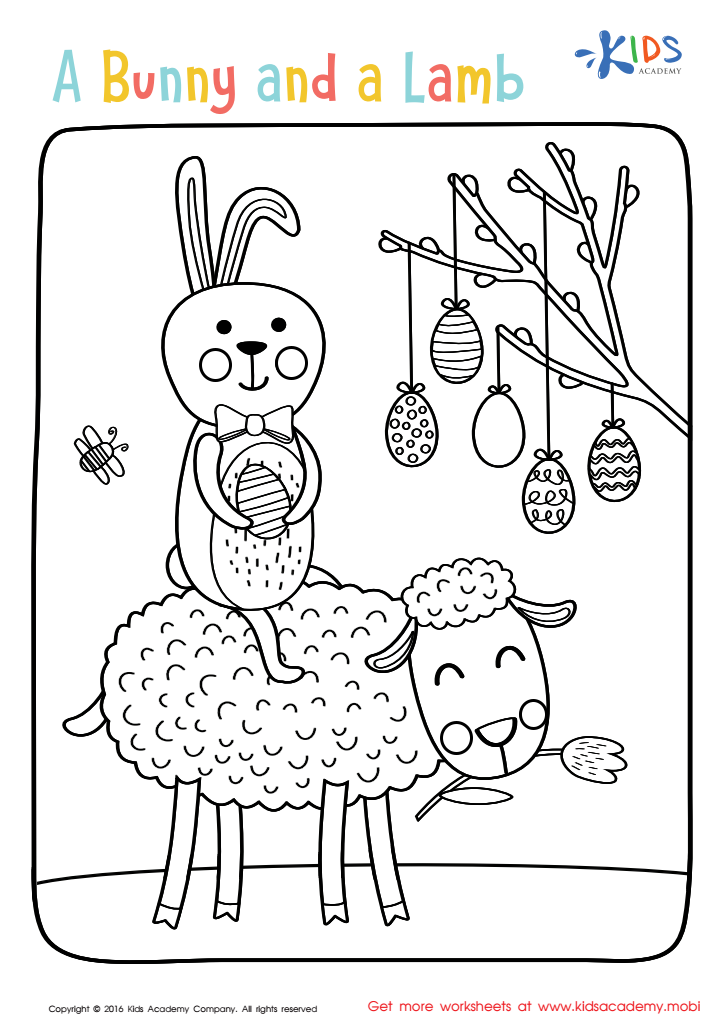
Kids can celebrate Easter with this bunny coloring page, learning about springtime customs and religious symbolism. The cute cuddly animals symbolize fertility, new life, and rebirth - perfect topics for an important lesson in world culture. Get creative and use this page for a fun and educational Easter experience.
Download (PDF)
 Assign to My Students
Assign to My Students
Easter: a Bunny and a Lamb Worksheet
Worksheet
Turkey Thanksgiving Day Worksheet
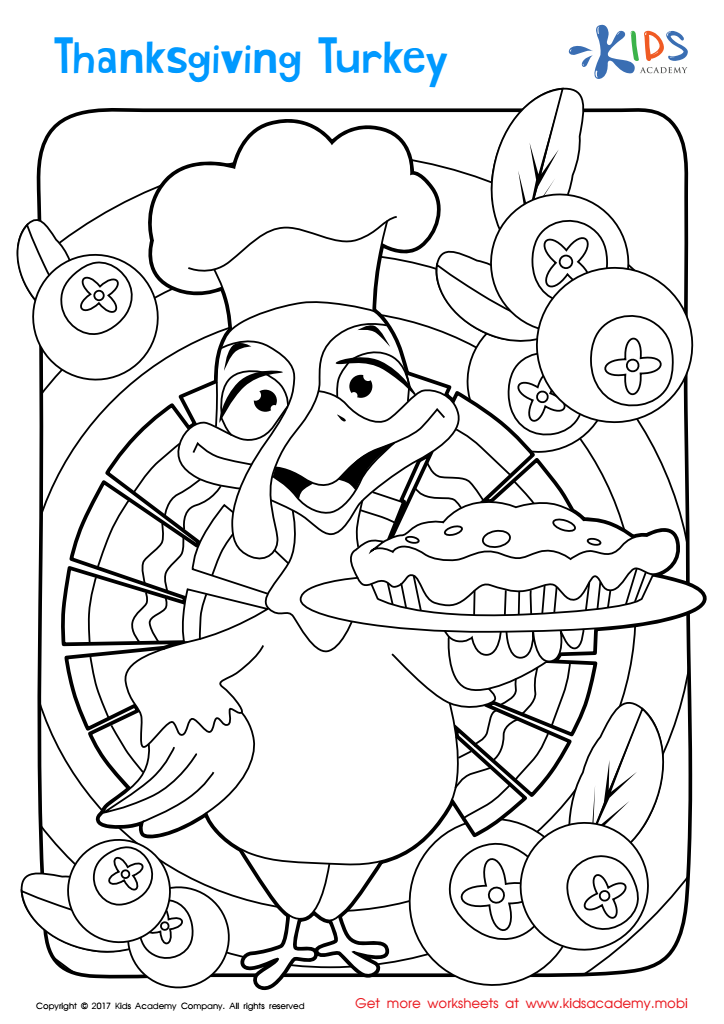
Keep them occupied with a turkey-themed coloring page. Give them the opportunity to show off their creativity with colors related to the season. Make the car ride more enjoyable by letting them color as you travel. Let their imaginations soar!
Download (PDF)
Assign to My Students
Assign to My Students
Turkey Thanksgiving Day Worksheet
Worksheet
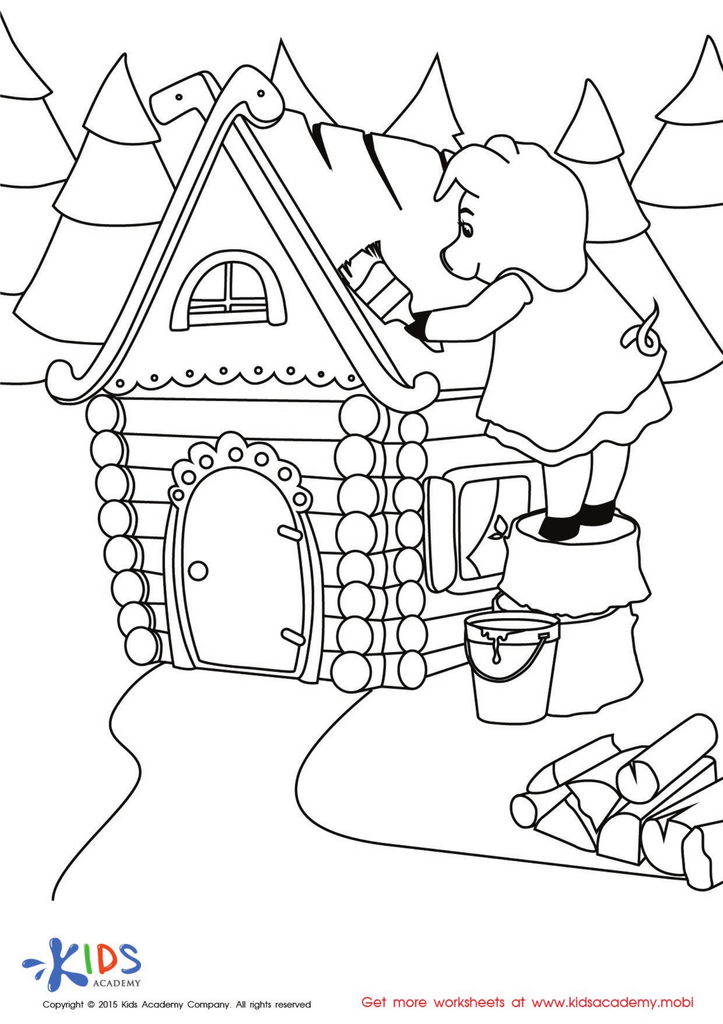
The Three Little Pigs Worksheet
Print out this fun coloring page and unleash your creativity! It features a cute little pig painting her new sticks house. What color will you choose? Work those fine motor muscles and enjoy the picture come to life! See what happens next to the three little pigs.
The Three Little Pigs Worksheet
Worksheet
Join Kids Academy for Free
Who is primarily going to use this learning content?



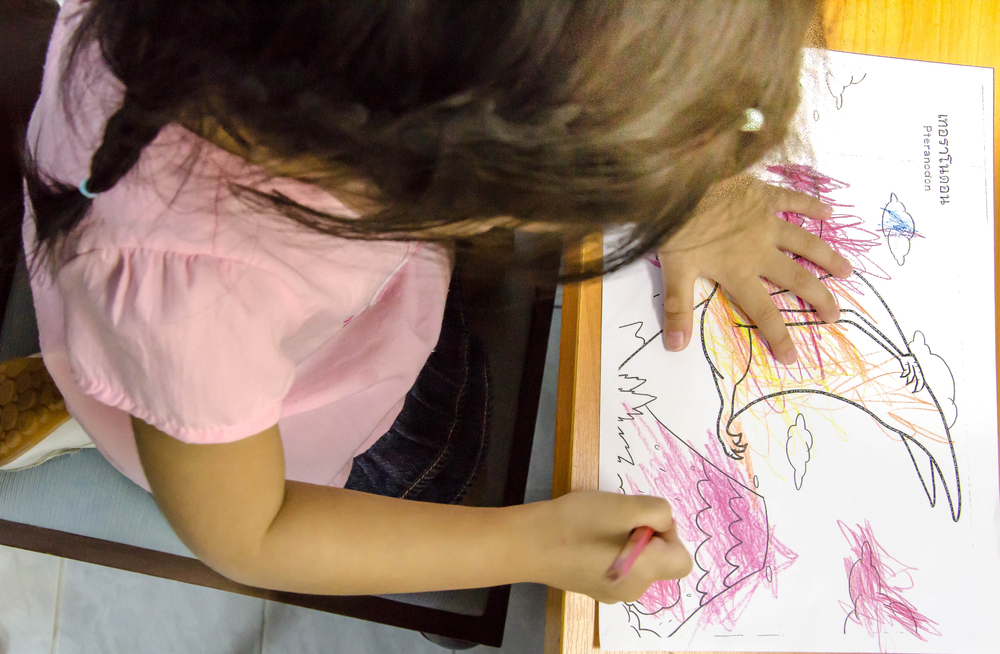



Vocabulary development is crucial in the early stages of a child’s learning journey, particularly between ages 3-4 when language skills expand rapidly. Vocabulary development coloring pages serve as an engaging and interactive tool that can significantly enhance a child’s linguistic abilities while fostering creativity.
Firstly, using coloring pages featuring vocabulary words introduces children to new terms visually and contextually. As they color, they associate the images with the words, reinforcing their understanding and retention. This multi-sensory approach supports varied learning styles and helps in cementing concepts.
Moreover, these coloring pages encourage parents and teachers to participate actively in the learning process. By discussing the words and images, adults can model language use, offer definitions, and prompt discussions, leading to richer language exposure.
Additionally, vocabulary development lays the foundation for reading and comprehension skills, making it essential for future academic success. When children build a solid vocabulary base, they become more confident in expressing their thoughts and feelings.
In conclusion, vocabulary development coloring pages for ages 3-4 are not only fun but also beneficial tools that engage children, build language skills, and promote collaborative learning between parents and teachers. Investing time in these activities nurtures more linguistically adept and expressive individuals.