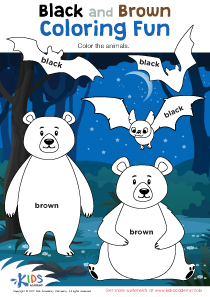
Alphabet Learning English for Beginners Worksheets for Ages 3-4
3 filtered results
-
From - To
Welcome to our "Alphabet Learning English for Beginners Worksheets" for children aged 3-4! Designed to foster early literacy skills, these engaging worksheets introduce young learners to the English alphabet through fun activities and colorful illustrations. Each worksheet is aimed at building letter recognition, phonemic awareness, and basic writing skills, ensuring a solid foundation for future language development. Ideal for both classroom and home use, our resources encourage interactive learning, keeping children motivated and eager to master their ABCs. Empower your little ones with the gift of language—start their alphabet adventure today! Explore our collection and watch them thrive!
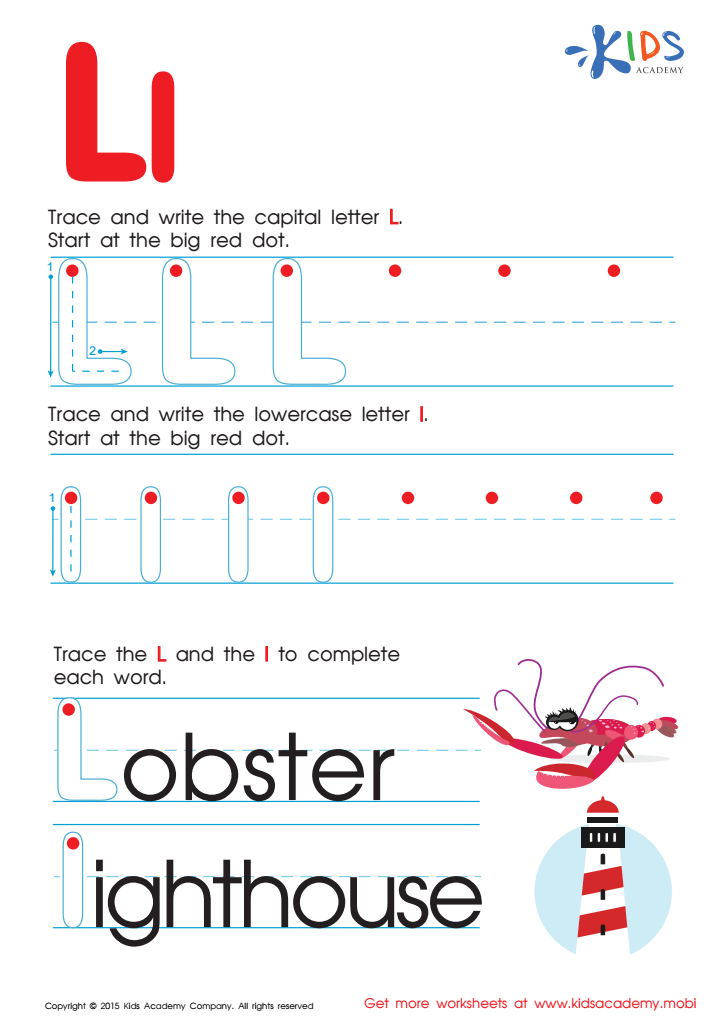
Letter L Tracing Page
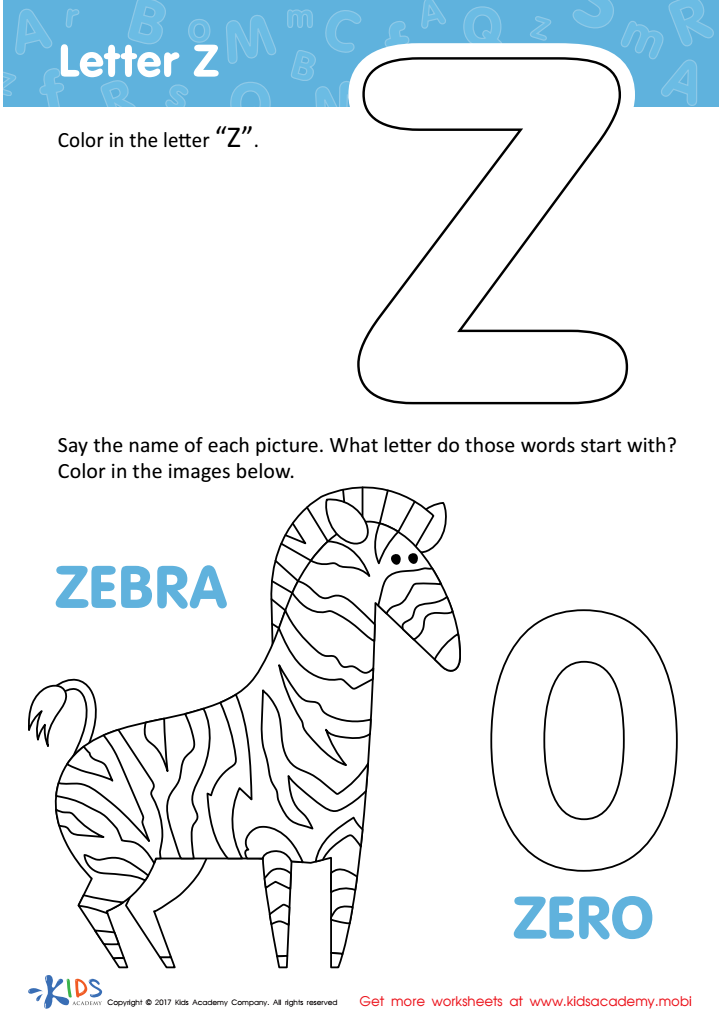
Letter Z Coloring Sheet
 Assign to My Students
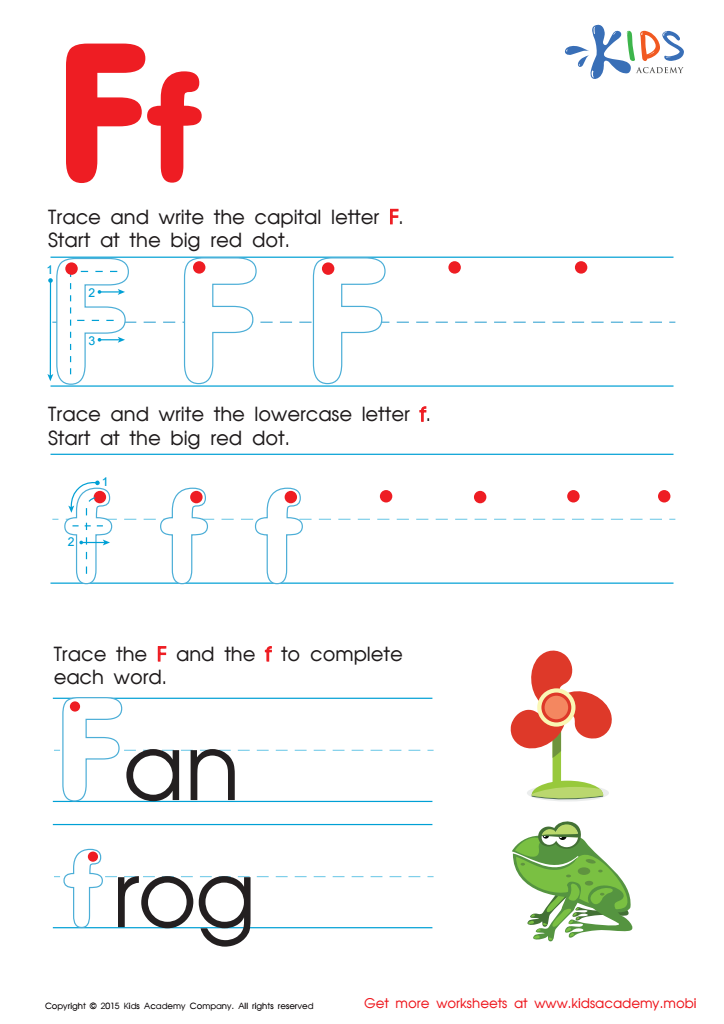
Letter F Tracing Page





Alphabet learning is a foundational step in early literacy that significantly impacts a child's future academic success. For children ages 3-4, mastering the alphabet not only builds their recognition of letters but also enhances their phonemic awareness and vocabulary development. Parents and teachers should prioritize this learning phase as it lays the groundwork for reading and writing skills later on.
At this age, children are naturally curious and eager to explore language. Engaging them with fun, interactive activities such as songs, games, and visual aids can make learning letters enjoyable. This not only fosters a love for learning but also encourages critical thinking and communication skills.
Moreover, understanding the alphabet supports children's cognitive development by helping them make connections between sounds and symbols, promoting neural growth. Encouraging letter recognition through daily routines helps children make meaning from their environment, reinforcing what they learn at home and in the classroom.
Finally, investing time in alphabet learning creates a supportive learning atmosphere. This engagement helps children feel confident as they progress to more complex literacy tasks in the future, ultimately setting them up for lifelong success in their educational endeavors.