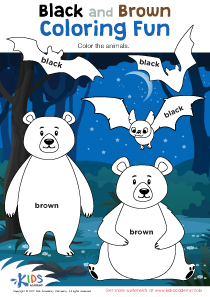
Letter recognition English for Beginners Worksheets for Ages 3-4 - Page 2
39 filtered results
-
From - To
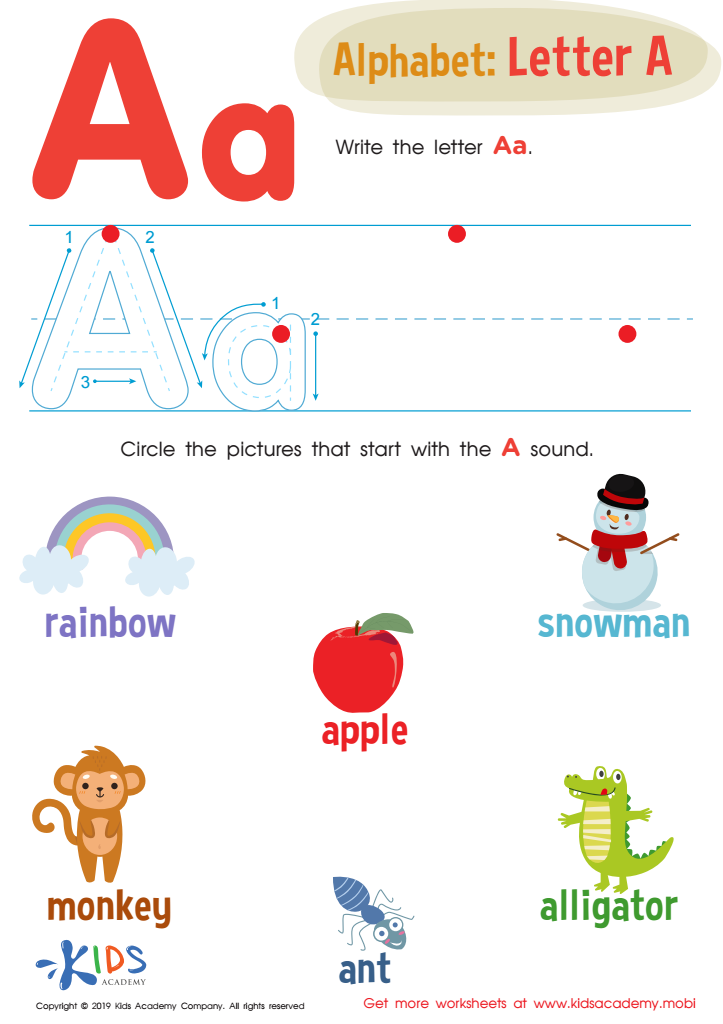
Letter A Tracing Worksheet
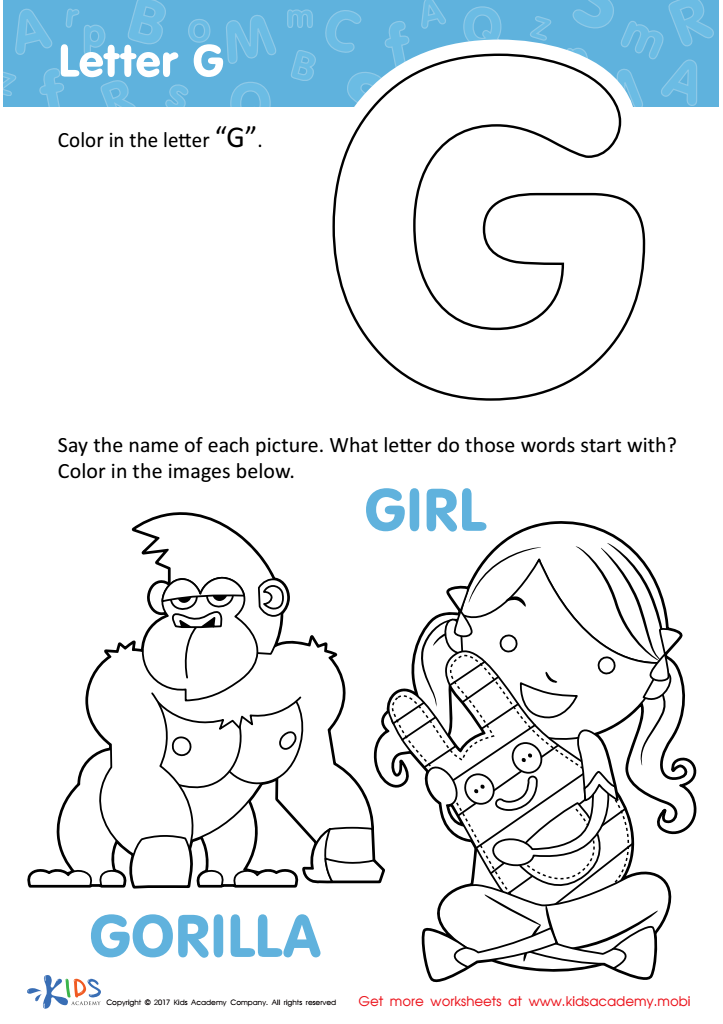
Letter G Coloring Sheet
 Assign to My Students
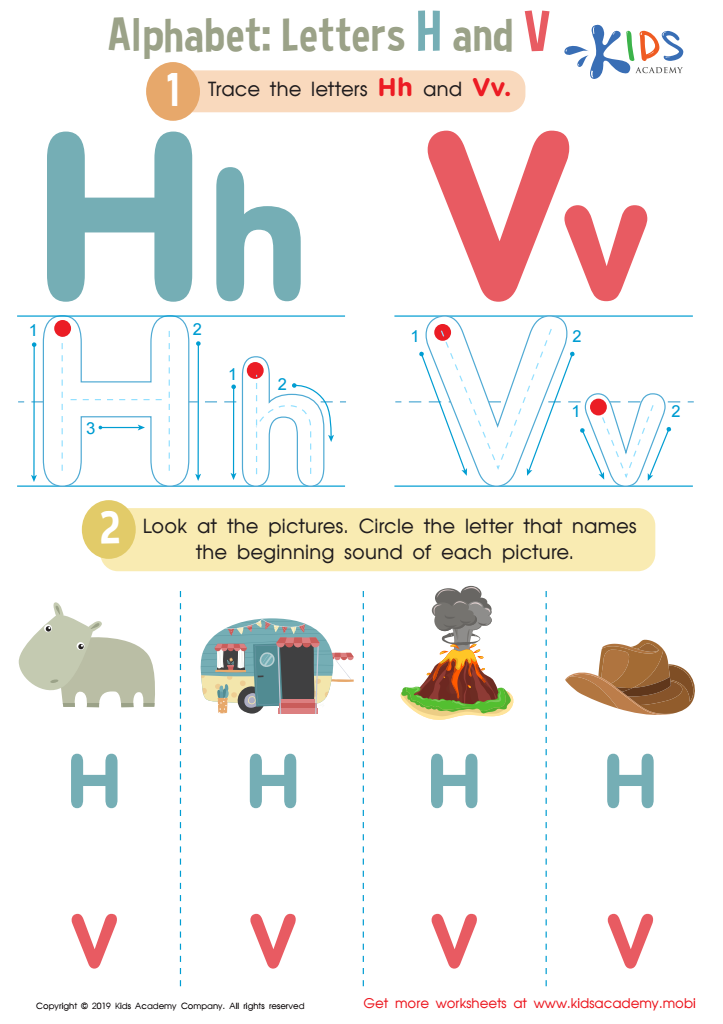
Letters H and V Tracing Worksheet
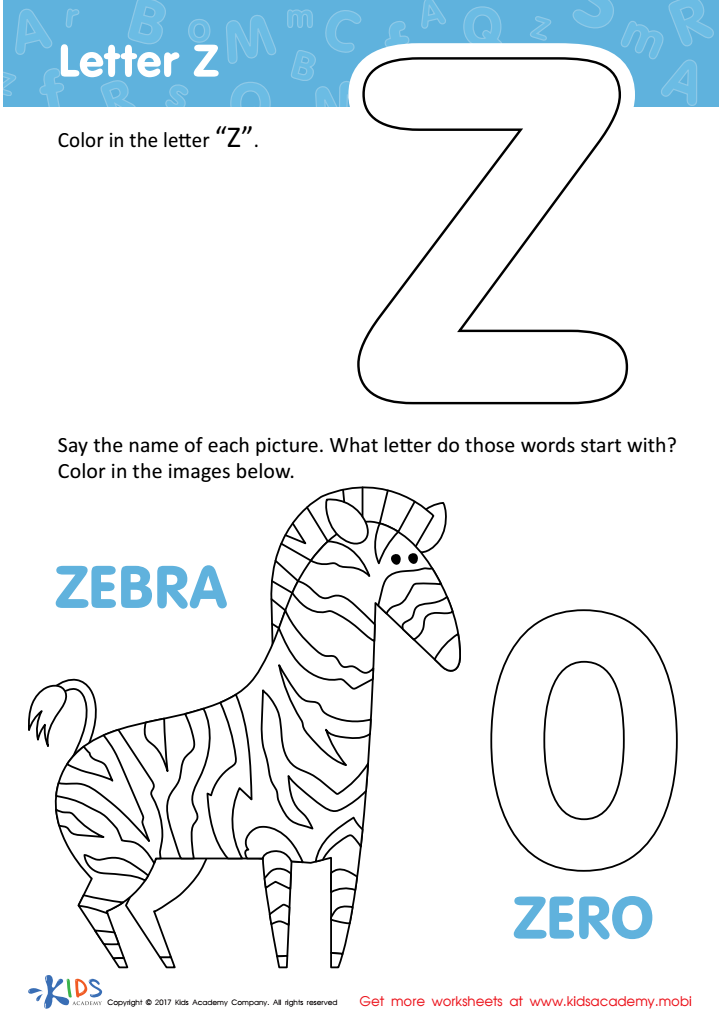
Letter Z Coloring Sheet
Assign to My Students
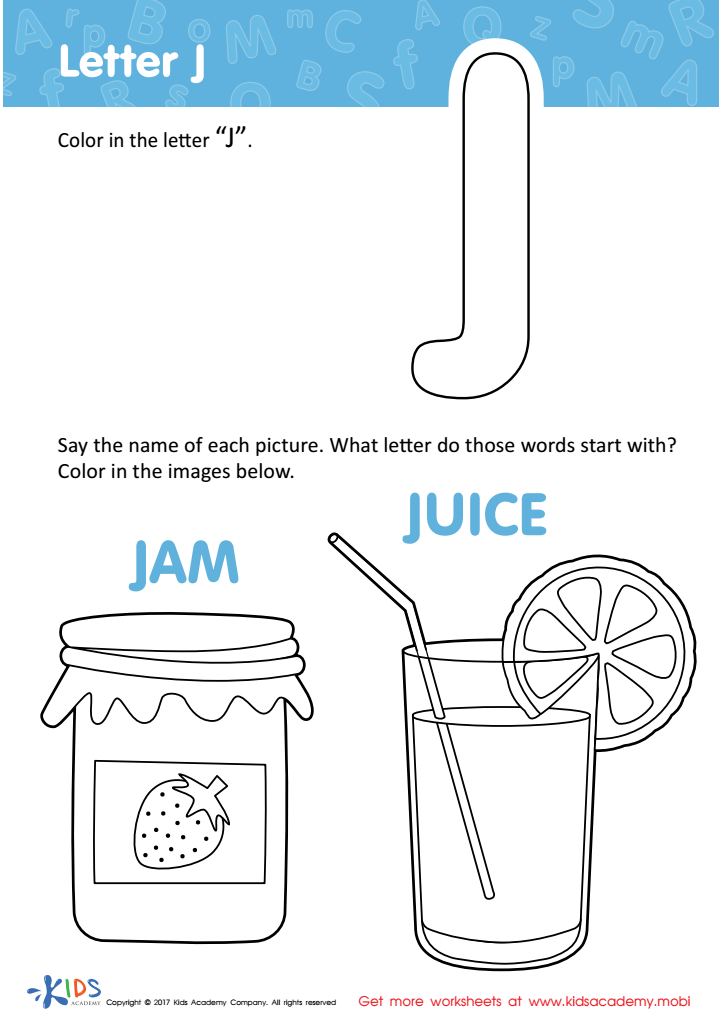
Letter J Coloring Sheet
Assign to My Students
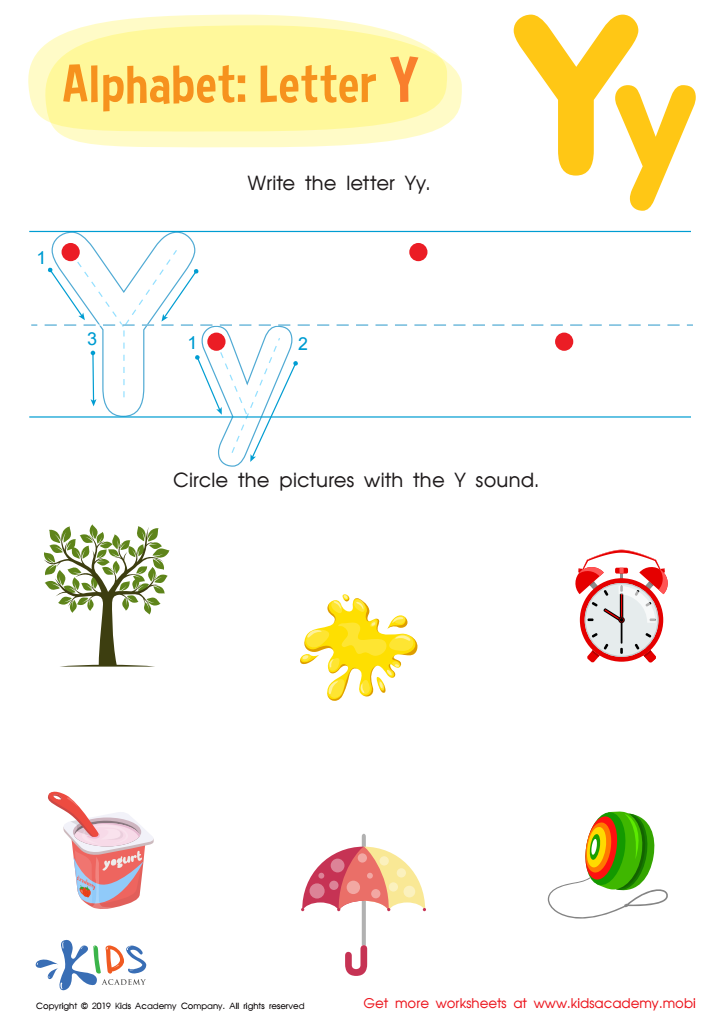
Letter Y Tracing Worksheet
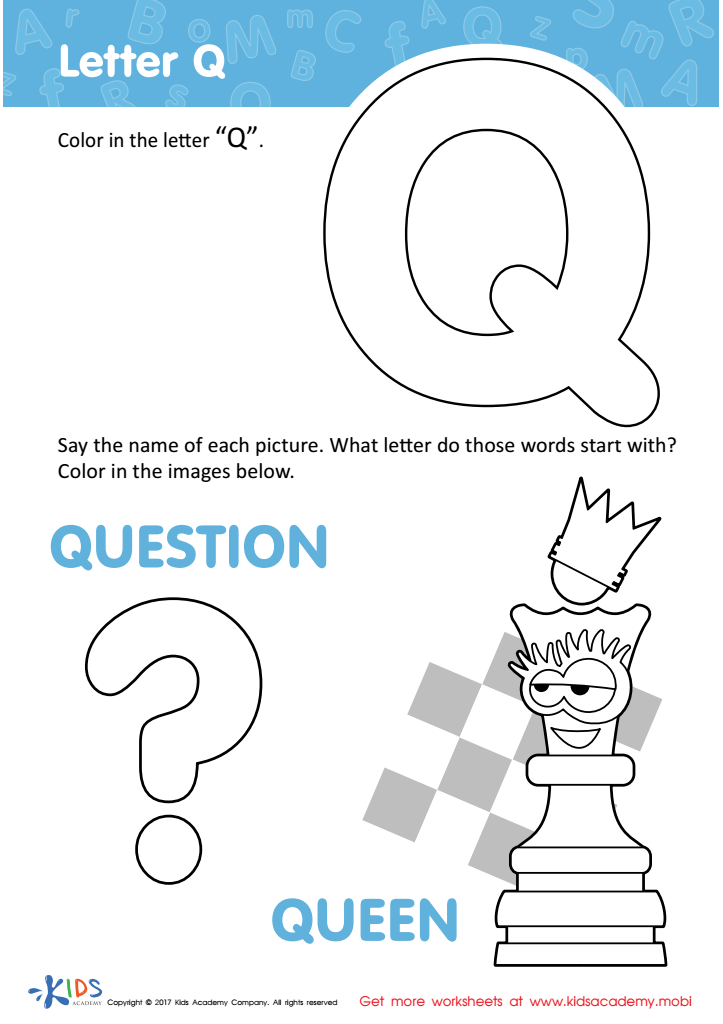
Letter Q Coloring Sheet
Assign to My Students
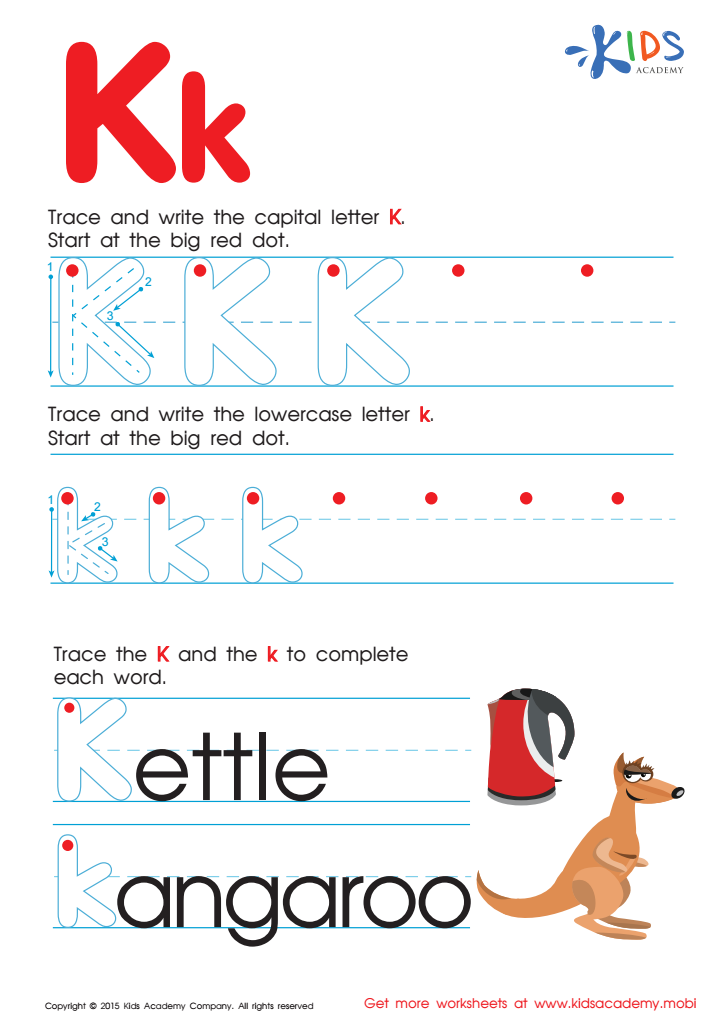
Letter K Tracing Page
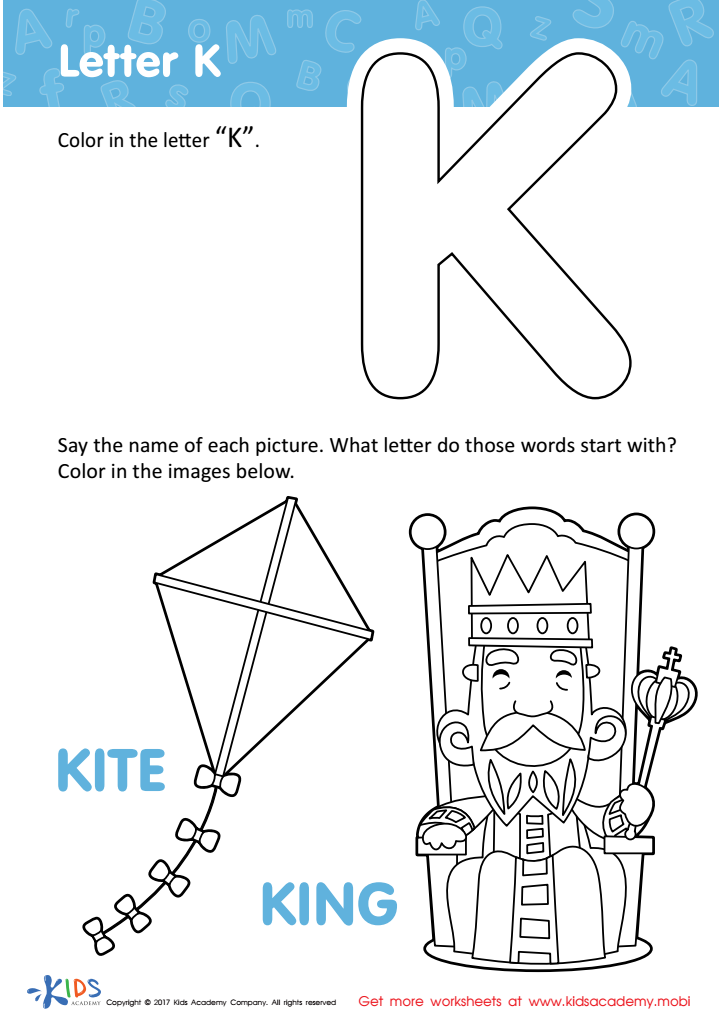
Letter K Coloring Sheet
Assign to My Students
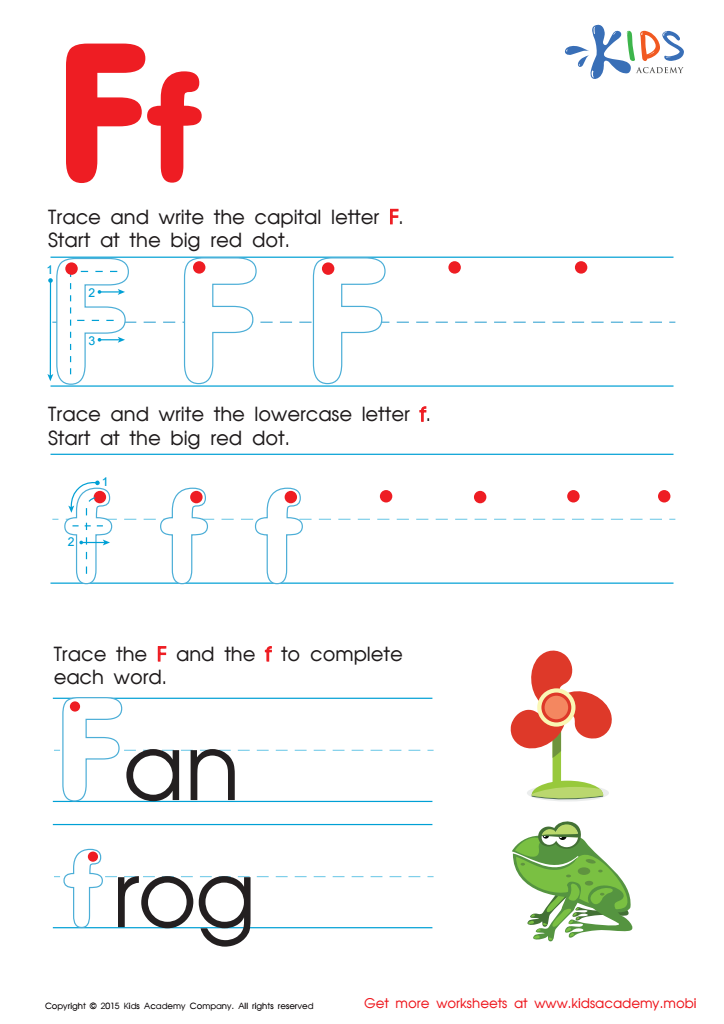
Letter F Tracing Page
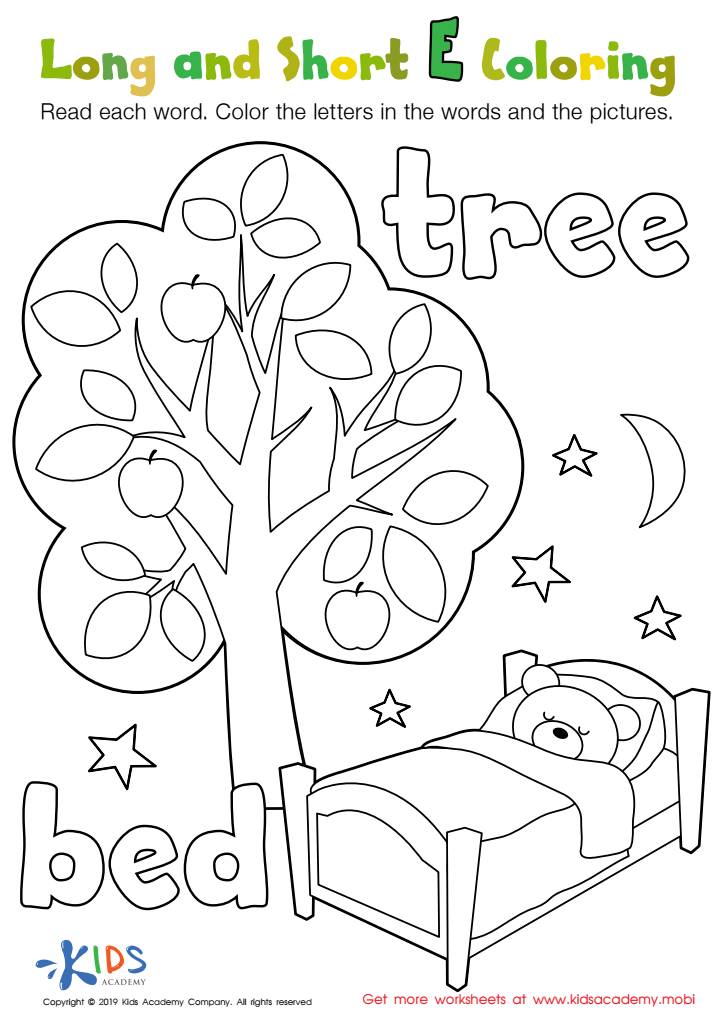
Long and Short E Worksheet
Assign to My Students
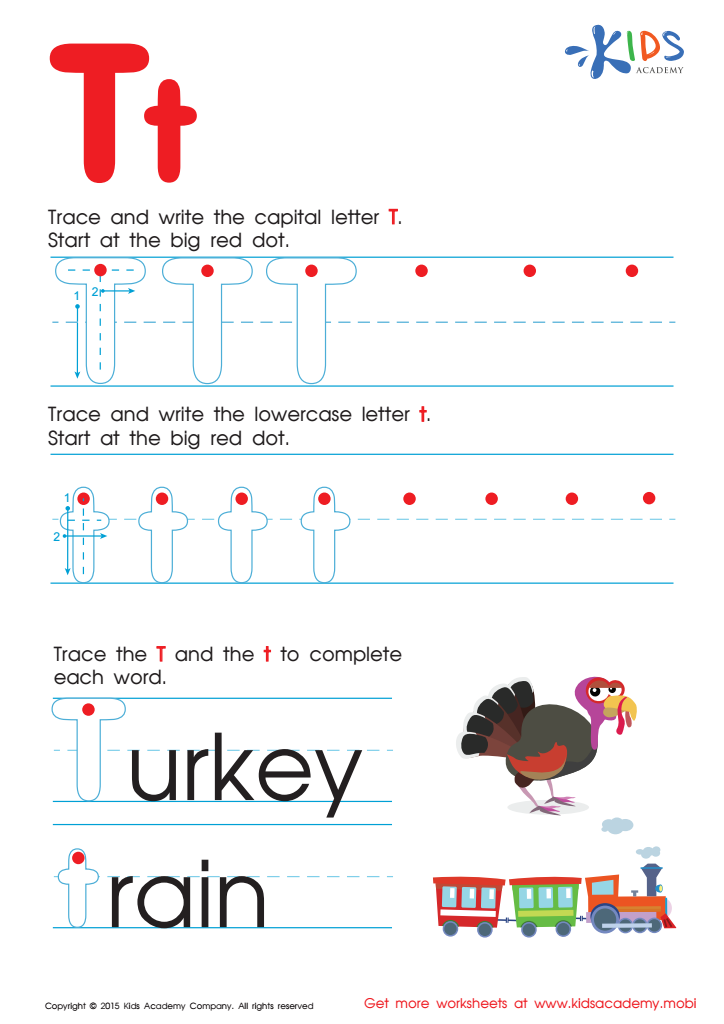
Letter T Tracing Page
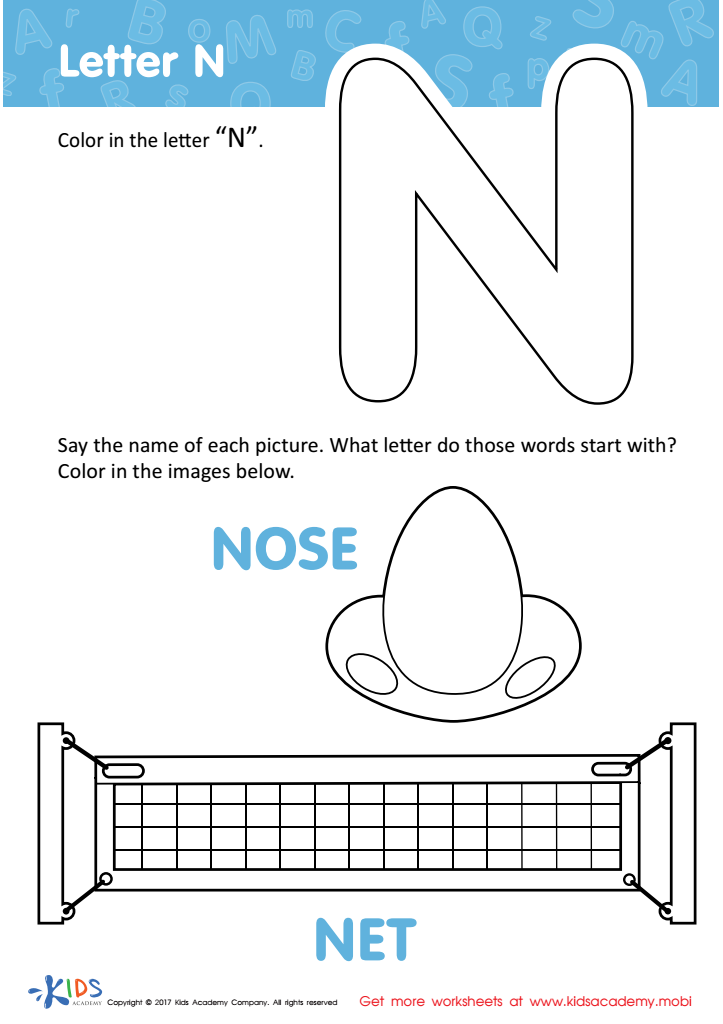
Letter N Coloring Sheet
Assign to My Students
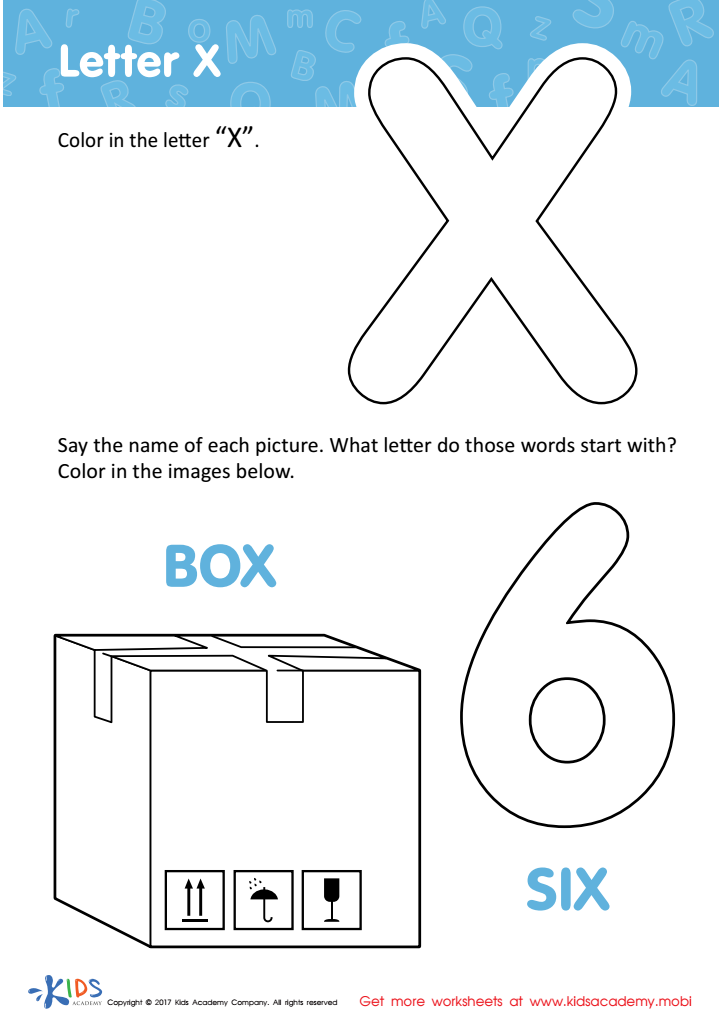
Letter X Coloring Sheet
Assign to My Students

Letter D Tracing Page





Letter recognition is an essential foundational skill for young children, particularly those aged 3-4, as it sets the groundwork for future literacy and language development. Understanding letters helps children to recognize their shapes, names, and sounds, which are critical in learning how to read and write.
For parents and teachers, fostering letter recognition in this formative stage can enhance a child's confidence and enthusiasm toward reading. When children can identify and articulate letters, they are more likely to engage with books and printed materials, building a love for reading early on. This passion can contribute to improved vocabulary, cognitive skills, and better communication.
Moreover, incorporating letter recognition activities can promote bonding experiences during play and learning, enriching the child’s social-emotional development. Simple games, songs, and storytelling focused on letters can make learning enjoyable, helping to maintain children’s attention and curiosity.
Overall, prioritizing letter recognition empowers children with critical tools they need for academic success, cultivating essential skills that serve them throughout their educational journey. For teachers and parents alike, recognizing the importance of this early literacy skill is crucial for nurturing confident, skilled learners ready to take on the challenges of reading and writing.