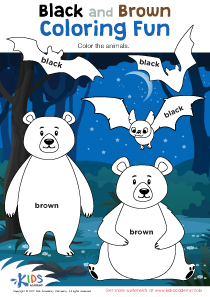
Motor skills development English for Beginners Worksheets for Ages 3-4
7 filtered results
-
From - To
Introduce your young learners to the world of English with our "Motor Skills Development English for Beginners Worksheets for Ages 3-4". Carefully crafted to blend language learning with physical dexterity, these worksheets help children develop essential fine and gross motor skills while picking up basic English. Each activity is designed to be engaging and fun, ensuring that kids remain interested while practicing tracing, coloring, and matching. Ideal for preschoolers and early learners, these worksheets provide a foundation for language skills and motor coordination, setting the stage for future academic success. Unlock your child's potential with our dynamic learning tools today!
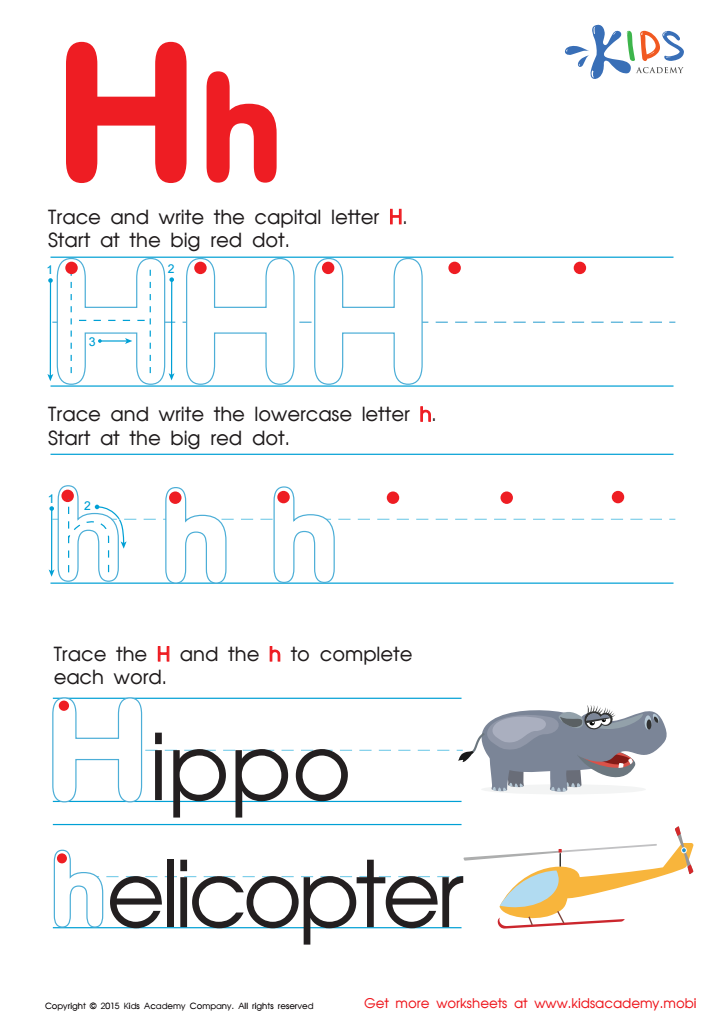
Letter H Tracing Page
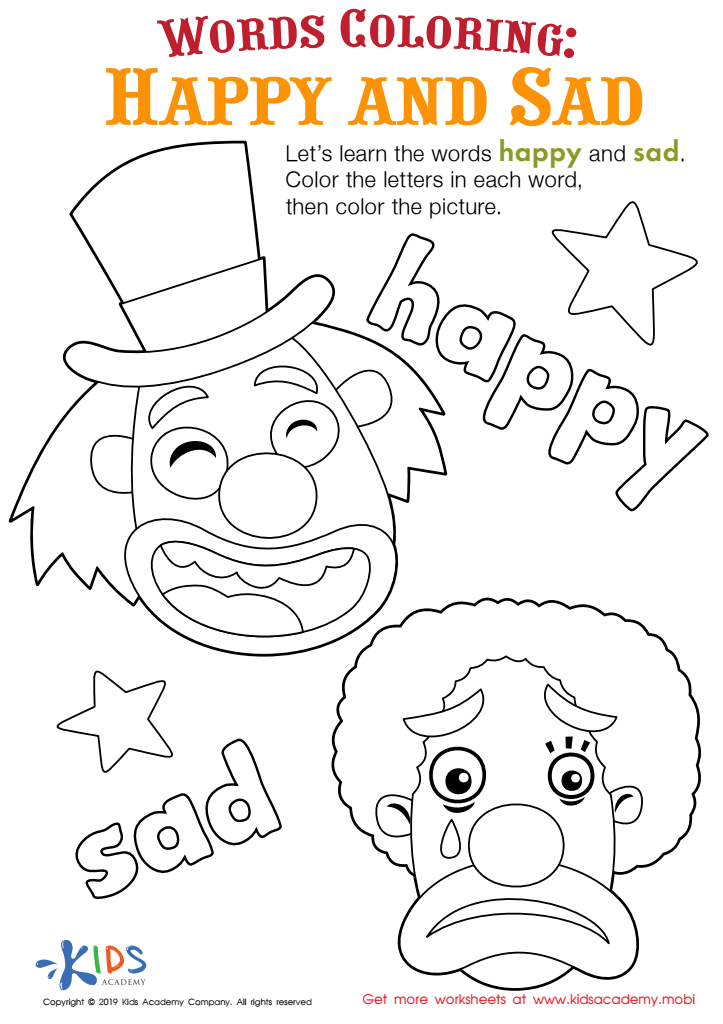
Happy and Sad Words Coloring Worksheet
 Assign to My Students
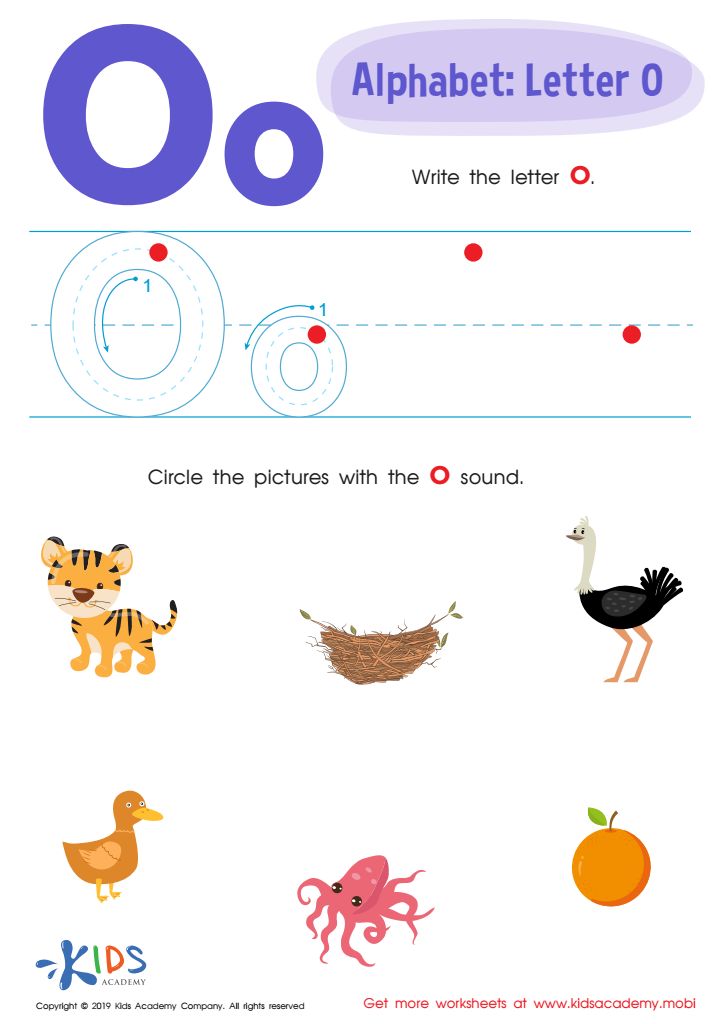
Letter O Tracing Worksheet
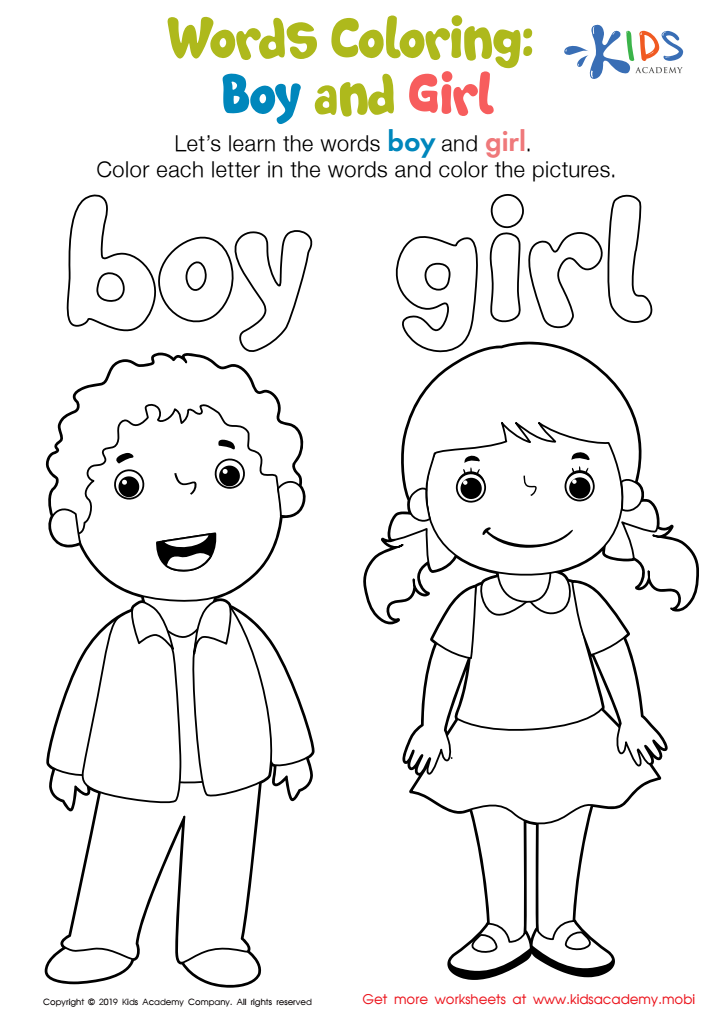
Boy and Girl Words Coloring Worksheet
Assign to My Students
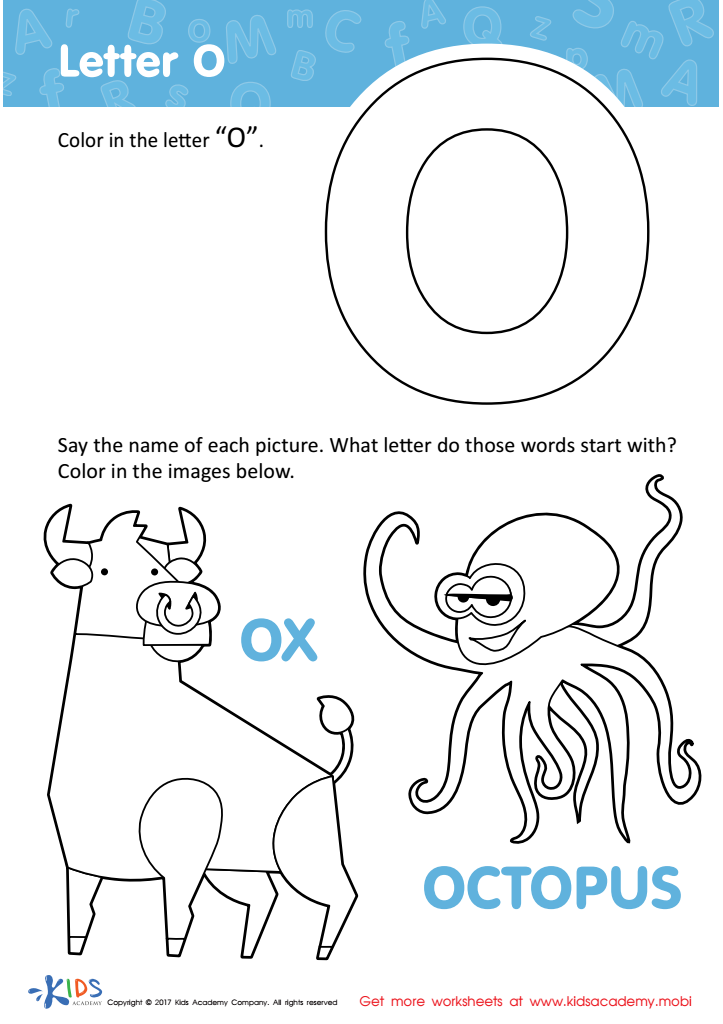
Letter O Coloring Sheet
Assign to My Students
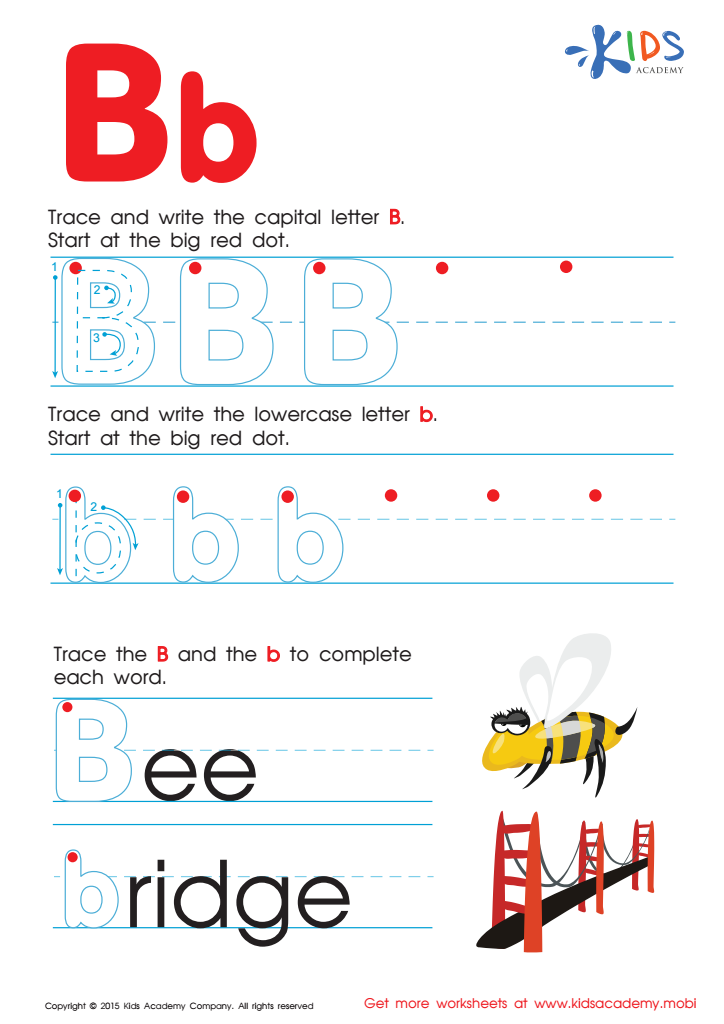
Letter B Tracing Page
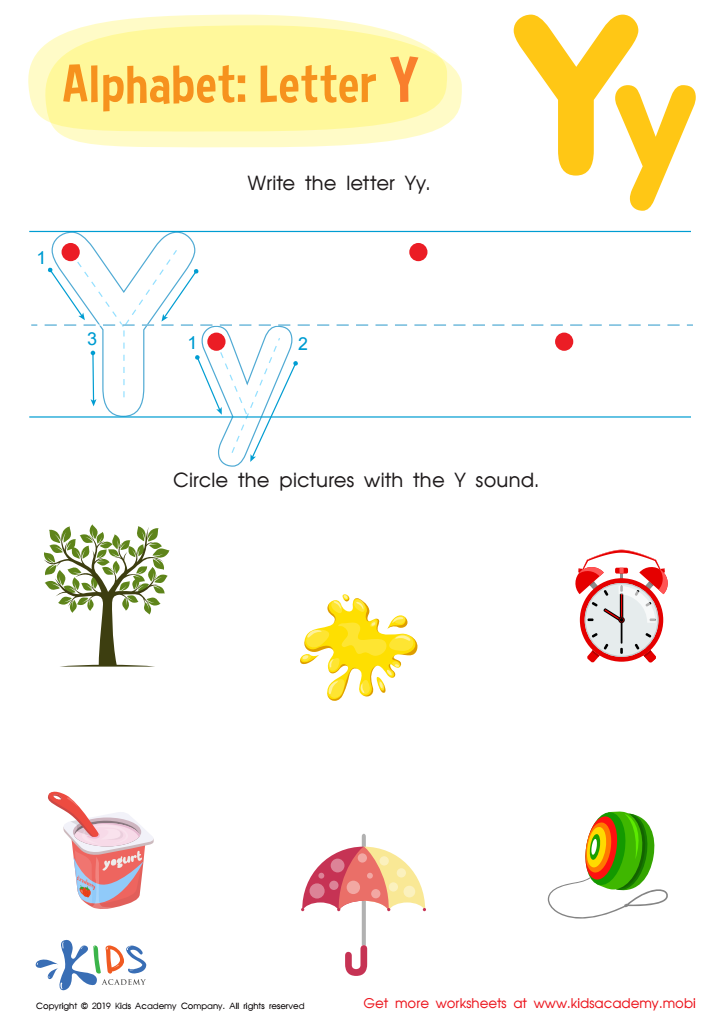
Letter Y Tracing Worksheet




Motor skills development is a fundamental aspect of early childhood education, particularly for children aged 3-4. Fine and gross motor skills empower children to perform essential tasks, from manipulating objects with their hands to moving their entire bodies proficiently. As parents and teachers, investing in this growth phase is critical for several reasons.
Firstly, motor skill development enhances coordination and control. Activities like drawing, jumping, and running sharpen children's reflexes and foster independence. This direct improvement in physical abilities elevates their capability to interact with the environment meaningfully.
Meanwhile, engaging in activities designed to build motor skills can significantly bolster cognitive development. Movement is intricately linked to brain development; hence, activities that involve problem-solving, sequencing, and hand-eye coordination contribute to foundational academic skills, such as counting and recognizing letters.
More so, success in motor skills build self-confidence among young learners. Children who can run and climb alongside their peers experience less frustration and are more likely to join in group activities, fostering essential social skills.
Finally, these activities lay down the foundations for lifelong healthy habits. As children find joy in being active, they are more likely to continue participating in physical activities, ensuring better health outcomes in the long run.
Investing early in motor skills development reaps holistic benefits, from cognitive and social growth to long-term health.