Alphabet tracing Worksheets for Ages 3-4
8 filtered results
-
From - To
Unlock your child's early writing potential with our engaging Alphabet Tracing Worksheets designed for ages 3-4! These fun, printable resources help preschoolers develop essential fine motor skills while learning to recognize and trace letters A-Z. Each worksheet focuses on specific letters, featuring playful illustrations and dotted lines to guide little hands. By practicing letter formation, young learners build confidence in their writing abilities, preparing them for future academic success. Ideal for home or classroom use, our worksheets are perfect for fostering creativity and making learning an enjoyable adventure. Download and watch your child's excitement for letters grow!
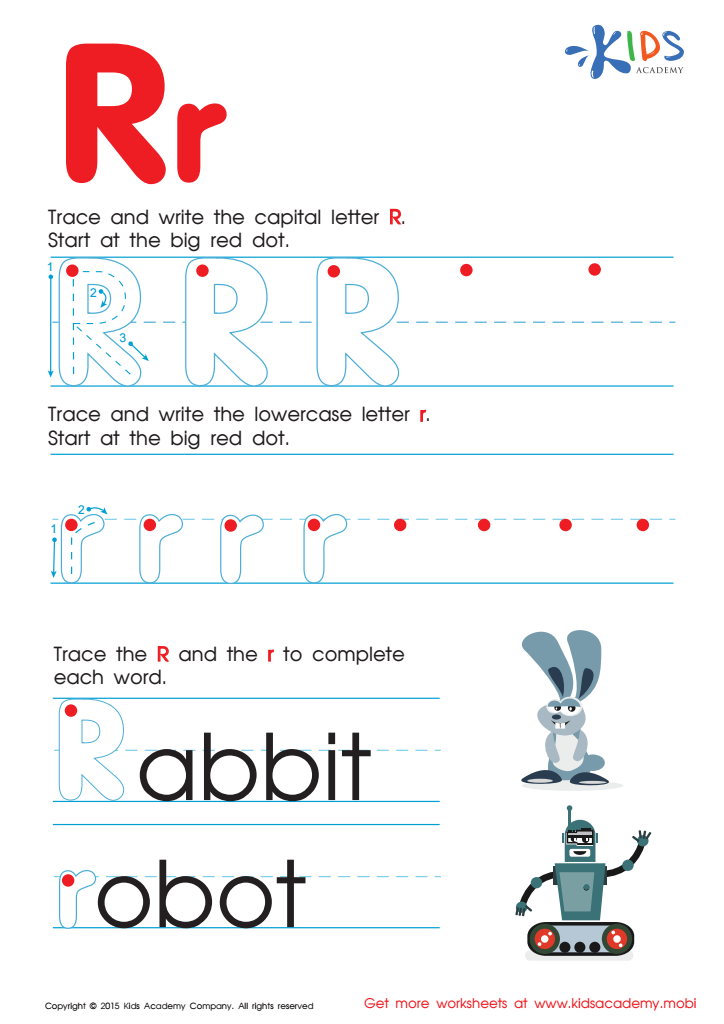
Letter R Tracing Page
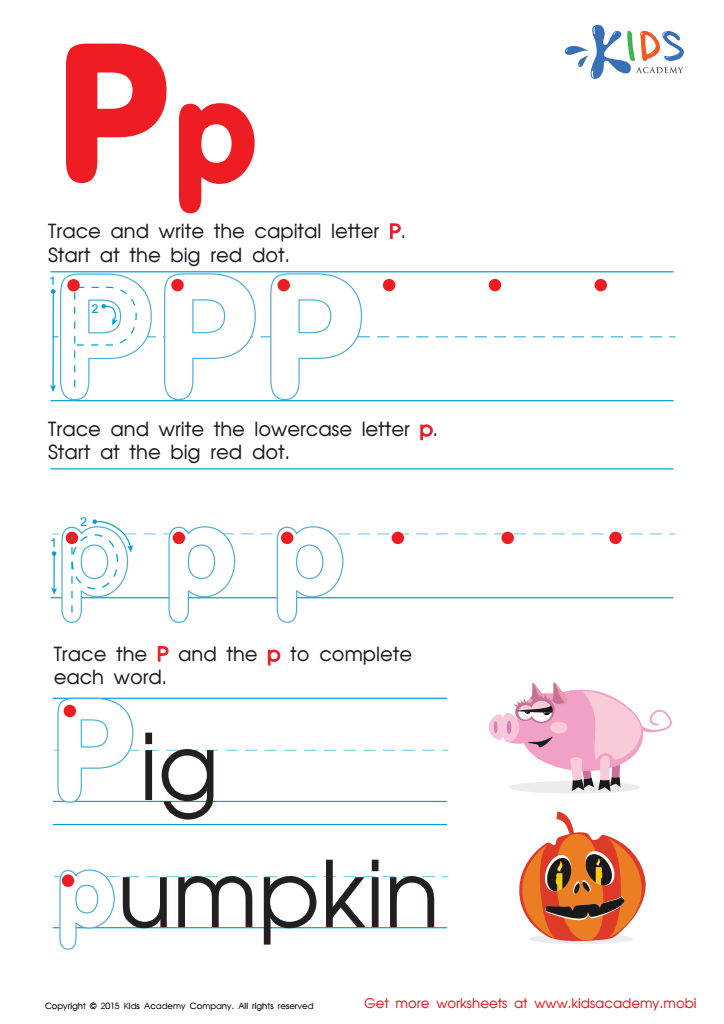
Letter P Tracing Page
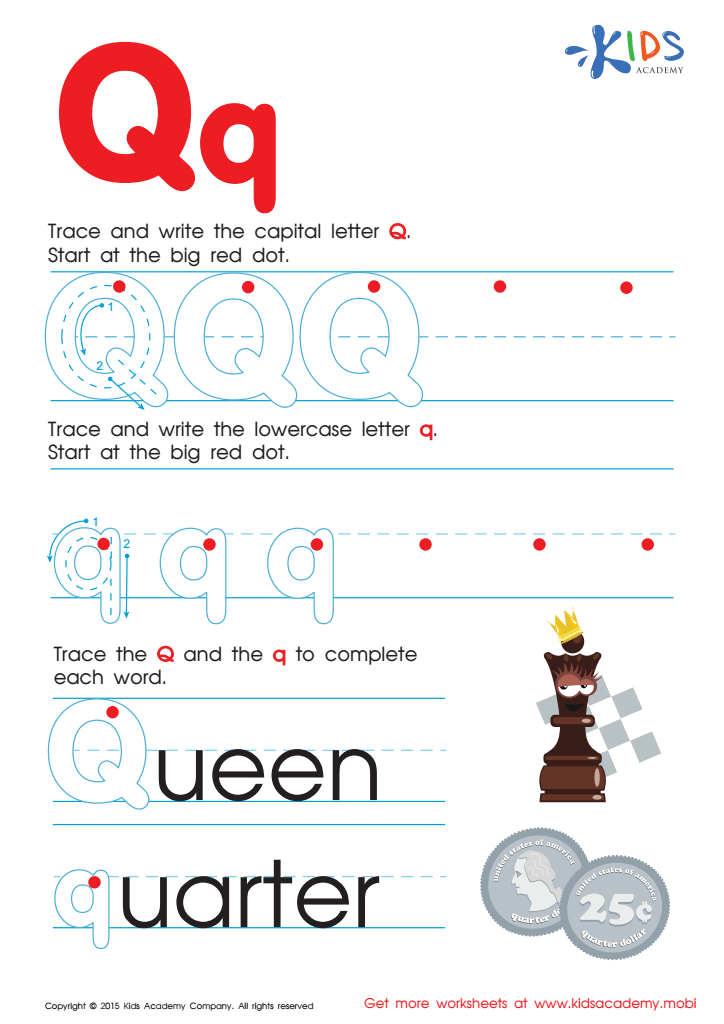
Letter Q Tracing Page
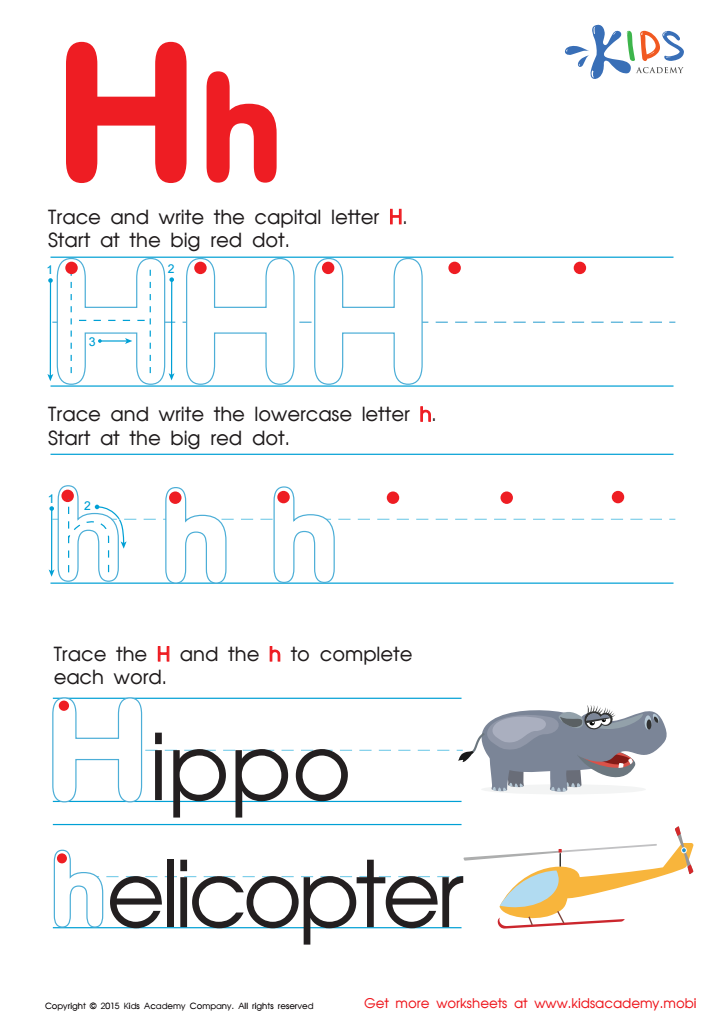
Letter H Tracing Page
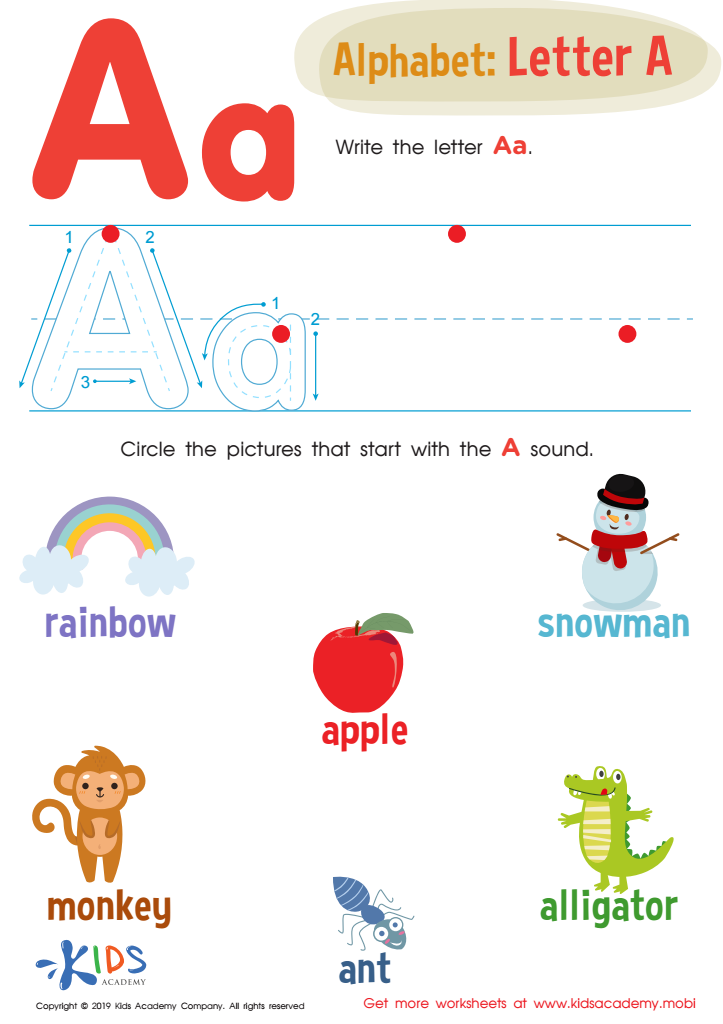
Letter A Tracing Worksheet

Letter T Tracing Page
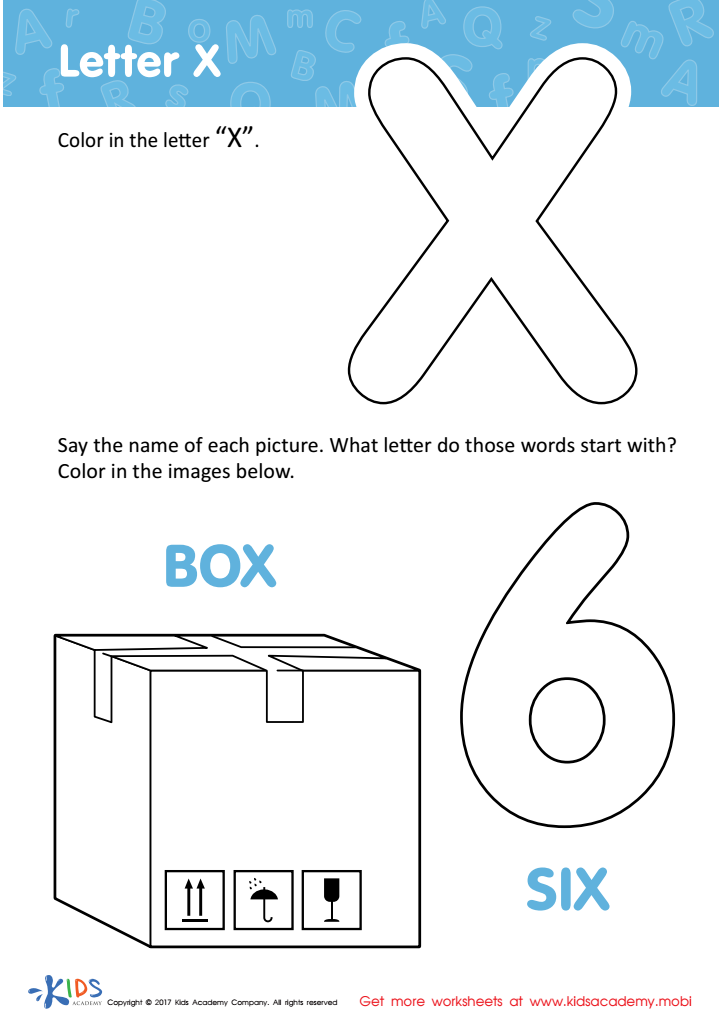
Letter X Coloring Sheet
 Assign to My Students

Letter D Tracing Page








Alphabet tracing is a foundational activity for children aged 3-4 that significantly impacts their early literacy and motor skills development. Parents and teachers should care about this practice for several reasons.
Firstly, tracing helps children familiarize themselves with the shapes and sounds of letters, reinforcing their understanding of the alphabet. This early exposure is crucial, as recognizing letters is a stepping stone to reading and writing.
Secondly, tracing activities improve fine motor skills. As children practice controlling their pencil or crayon while following letter shapes, they enhance their hand-eye coordination and dexterity, essential skills for more complex tasks like writing.
Additionally, engaging in alphabet tracing can foster critical cognitive skills. As children focus on tracing, they learn about patterns, directionality, and spatial awareness, contributing to their overall cognitive development.
Finally, tracing provides a tactile and sensory learning experience that can enhance engagement and enjoyment in learning. The interactive and hands-on nature of tracing helps keep children interested, making learning fun rather than a chore.
In summary, alphabet tracing is a multifaceted activity that supports literacy, motor skills, and cognitive development, making it a vital practice for young learners. Parents and teachers play an essential role in facilitating this enriching experience.








