
Artistic creativity Worksheets for Ages 3-4
4 filtered results
Difficulty Level
Grade
Age
-
From - To
Subject
Activity
Standards
Unlock your child's imagination with our Artistic Creativity Worksheets for ages 3-4! These printables are expertly designed to nurture creativity and fine motor skills in young learners. Engaging and fun, each worksheet offers a variety of activities that encourage children to explore colors, shapes, and patterns through drawing, coloring, and simple crafts. Perfect for preschoolers, these materials not only spark artistic expression but also enhance cognitive and emotional development. Make learning an adventure as your little one creates, discovers, and grows with our thoughtfully crafted artistic worksheets. Start fostering a lifelong love for art today!
Favorites
With answer key
Interactive

Happy Diwali Printable
Explore India this Diwali! Learn about India's most significant holiday, Diwali, with this fun-filled printable activity for kids. Your child can gain an appreciation for Indian culture with this Diwali dot to dot worksheet.
Happy Diwali Printable
Worksheet
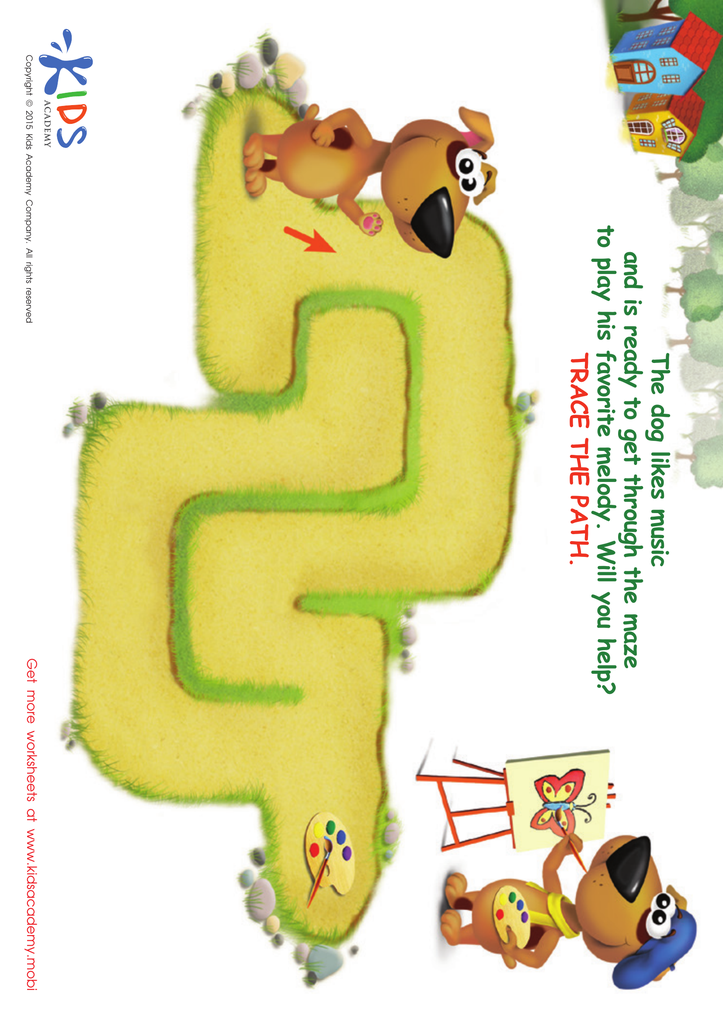
Artist Maze Worksheet
Try this new maze worksheet to help your child develop problem-solving skills. Let the pup traverse the path and create a masterpiece with the brush and paints on the other side! Give it a go now.
Artist Maze Worksheet
Worksheet
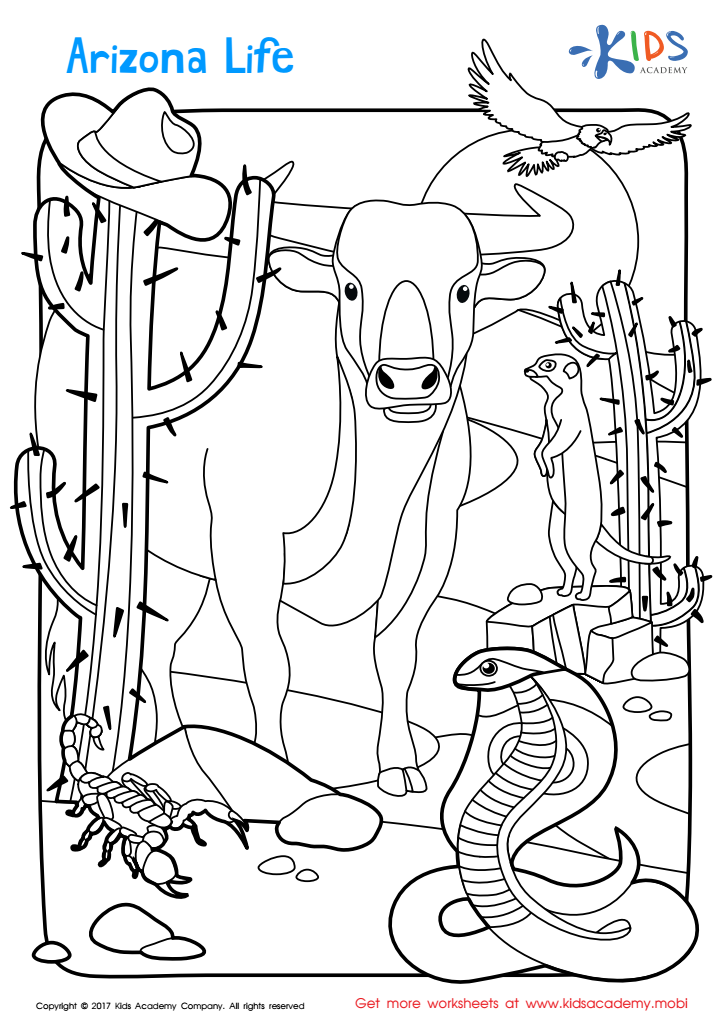
Arizona Coloring Page Worksheet
Heading to Arizona with this fun coloring page! Your kid will have a great time coloring the rattle snake and cacti, and learn about Arizona's distinct climate and wildlife along the way.
Download (PDF)
 Assign to My Students
Assign to My Students
Arizona Coloring Page Worksheet
Worksheet
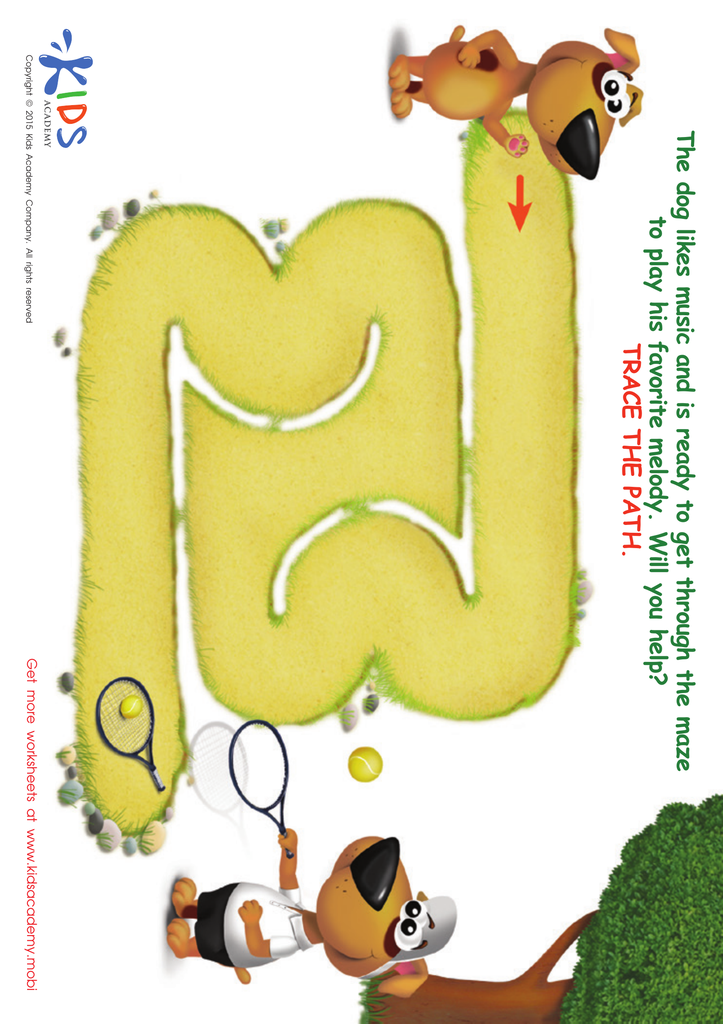
Tennis Player Maze Worksheet
Get them now and play together with your kids! Trace paths and help the dog find the racquets and balls. Fun and learning await.
Tennis Player Maze Worksheet
Worksheet
Join Kids Academy for Free
Who is primarily going to use this learning content?








Artistic creativity in children aged 3-4 is crucial as it promotes not only the development of motor skills but also cognitive, emotional, and social growth. At this tender age, engaging in creative activities such as drawing, painting, and crafting helps refine fine motor skills through the control of brushes, crayons, and scissors, crucial for future writing and daily tasks. Moreover, artistic endeavors foster cognitive development by encouraging children to think, plan, and problem-solve, enhancing their ability to understand concepts and patterns.
Emotionally, creative expressions offer an outlet for children to communicate feelings and experiences they may not yet have the words to express. This cathartic process can boost self-esteem and build resilience. Socially, group creative activities encourage cooperation, sharing, and turn-taking, essential skills for building healthy relationships and social integration.
Additionally, nurturing artistic creativity stimulates imagination and wonder, setting a foundation for innovative thinking and adaptability in later years. For parents and teachers, supporting artistic creativity fosters an environment where children feel valued and understood, cultivating a lifelong love for learning and expression. Overall, recognizing and nurturing artistic creativity during these formative years can lead to well-rounded, emotionally intelligent, and resourceful individuals.








