Basic Math understanding Worksheets for Ages 3-4
10 filtered results
-
From - To
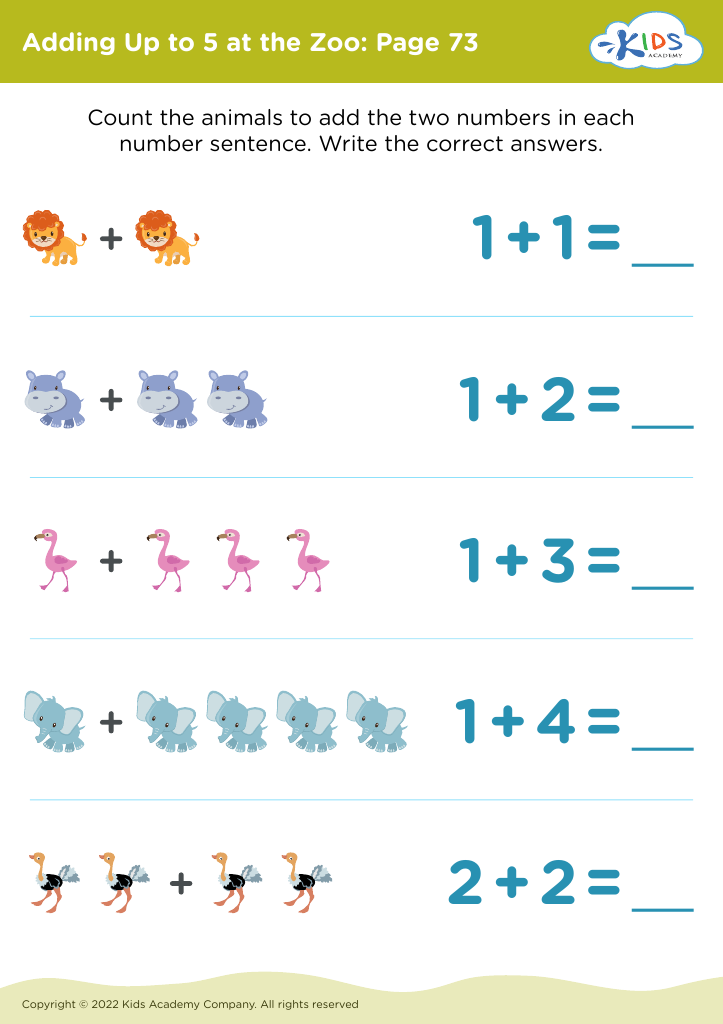
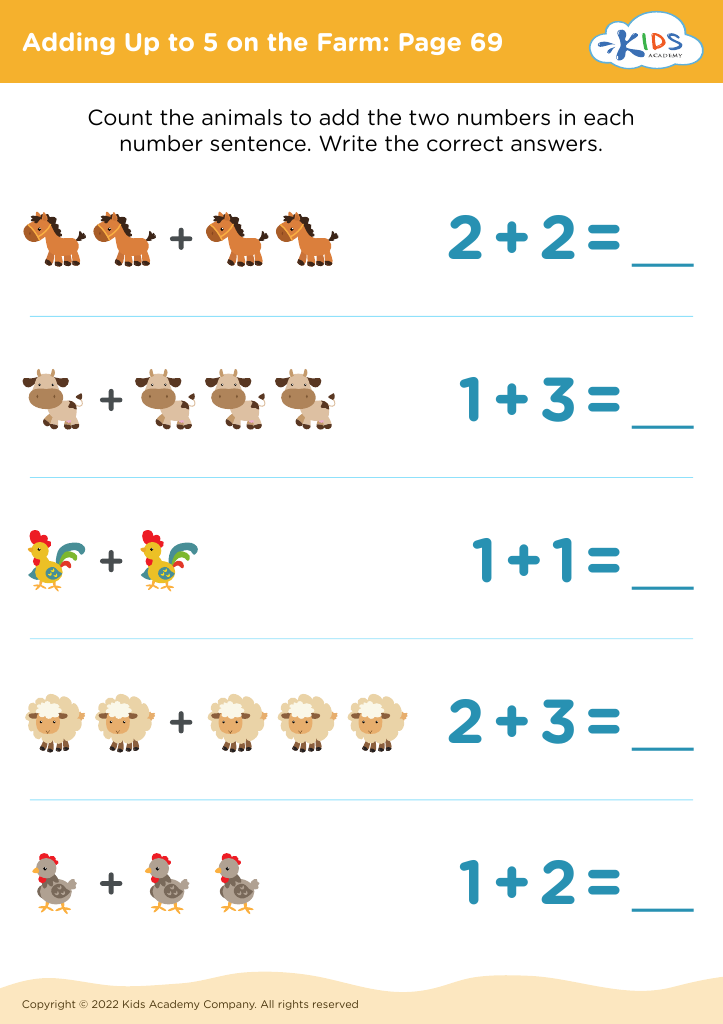
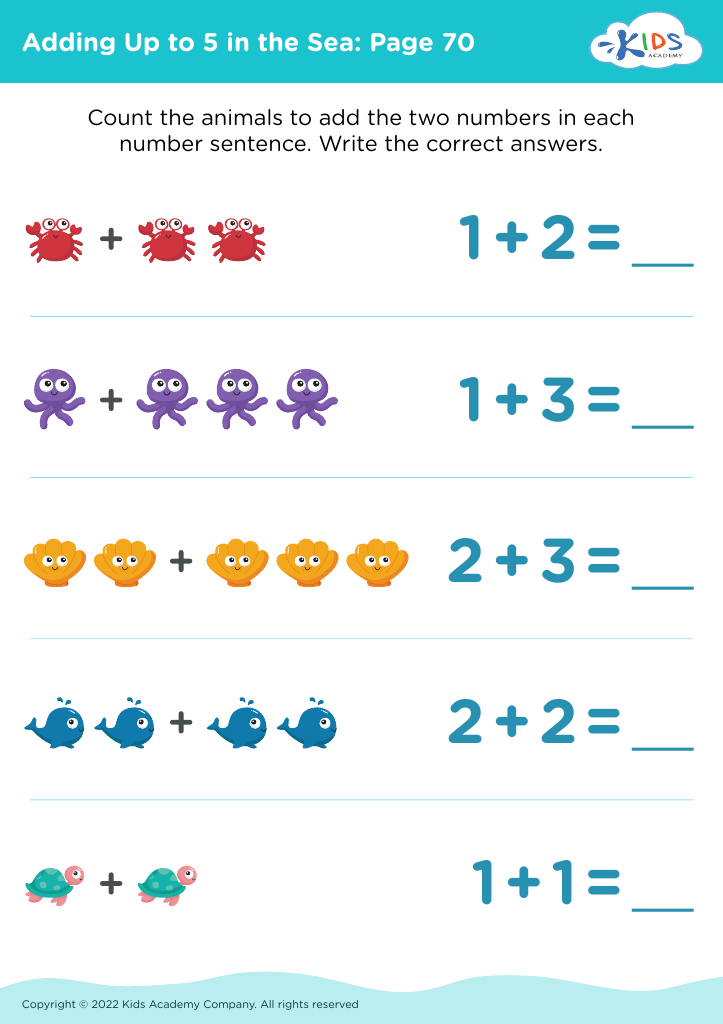
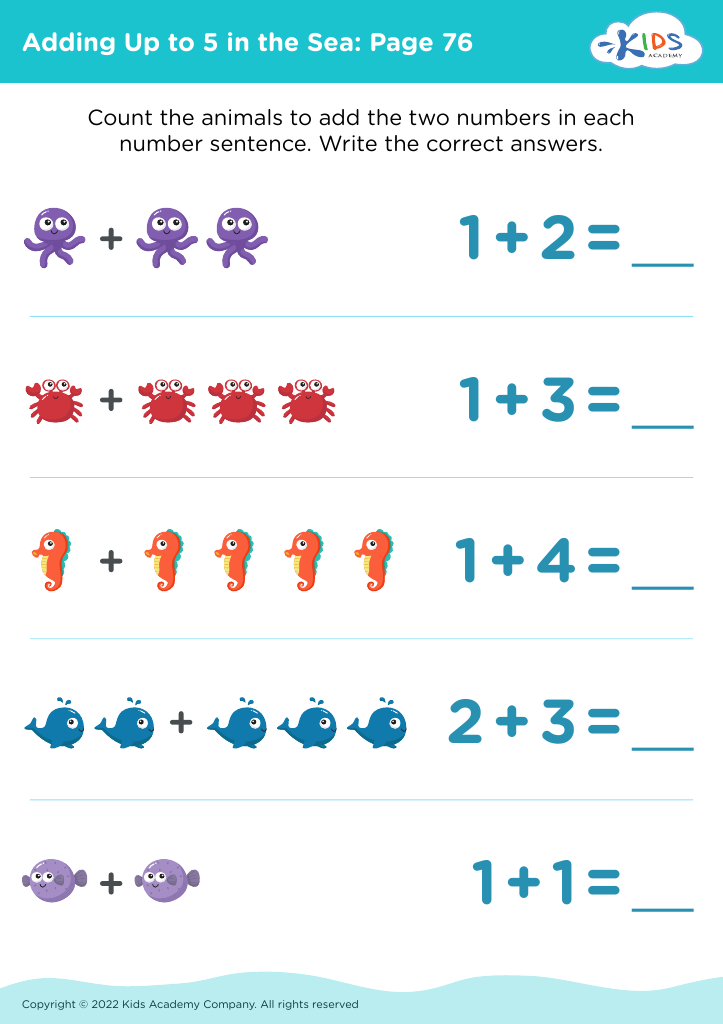
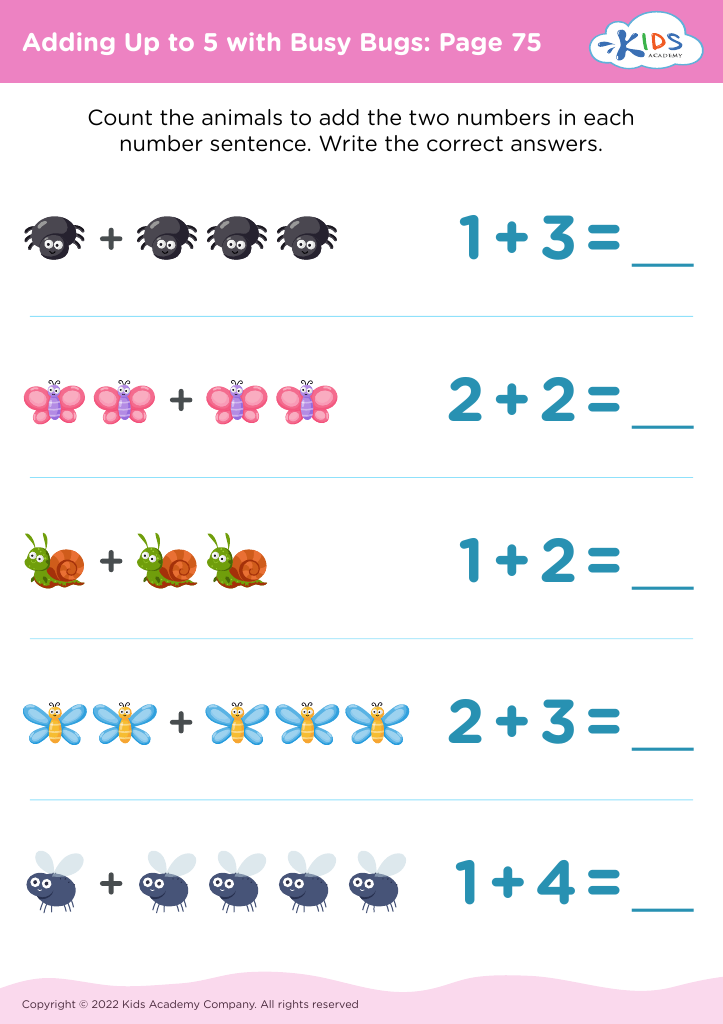
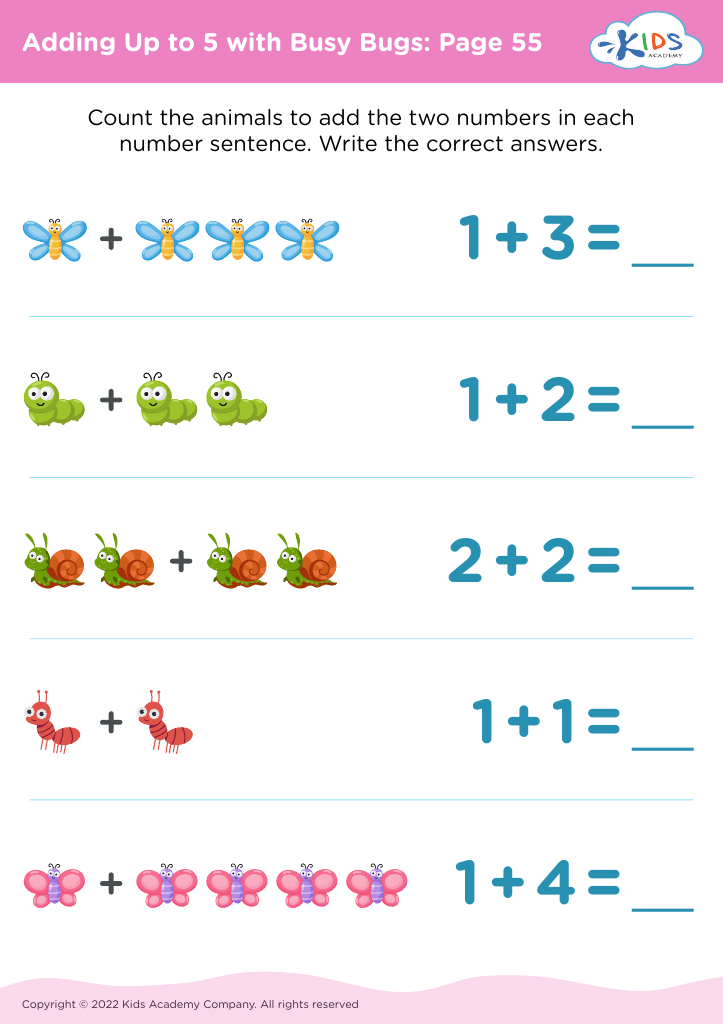
Discover our engaging Basic Math Understanding Worksheets designed specifically for children ages 3 to 4! These worksheets introduce young learners to essential math concepts through fun activities that promote early number recognition, basic counting, and simple addition and subtraction. Each worksheet is crafted to nurture foundational math skills while encouraging critical thinking and problem-solving. Perfect for homeschooling, daycare, or supplemental learning, these resources make math enjoyable and interactive. Build your child's confidence and excitement for math with our colorful, age-appropriate worksheets that make learning a delightful adventure. Start your child’s math journey today with Kids Academy’s carefully curated materials!
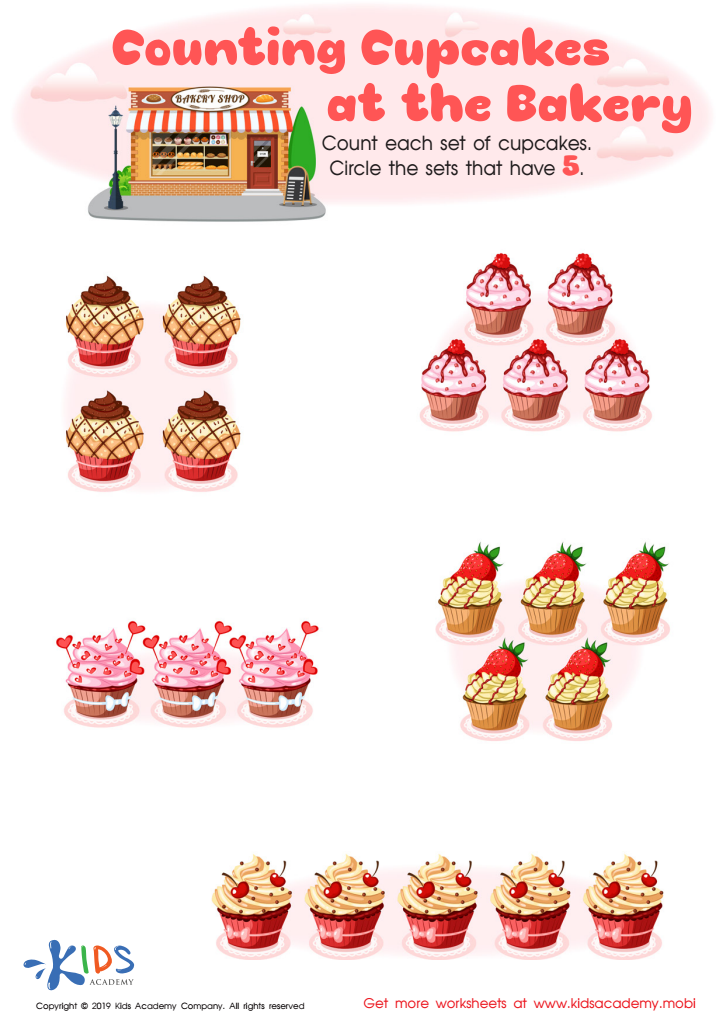
Counting Cupcakes Worksheet
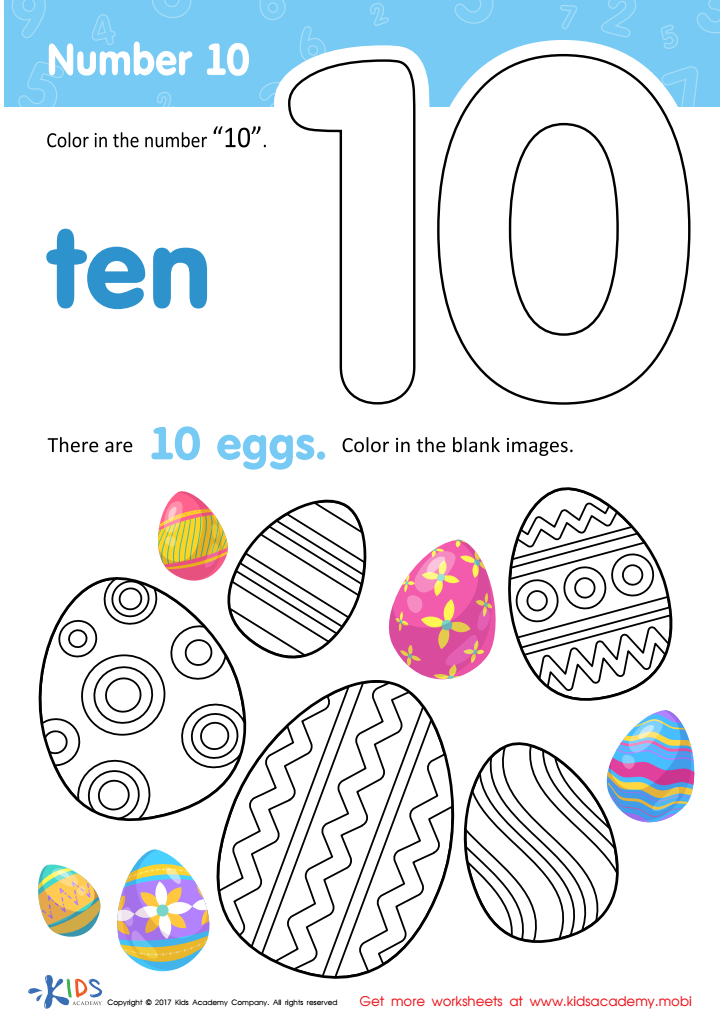
Number 10 Printable
 Assign to My Students
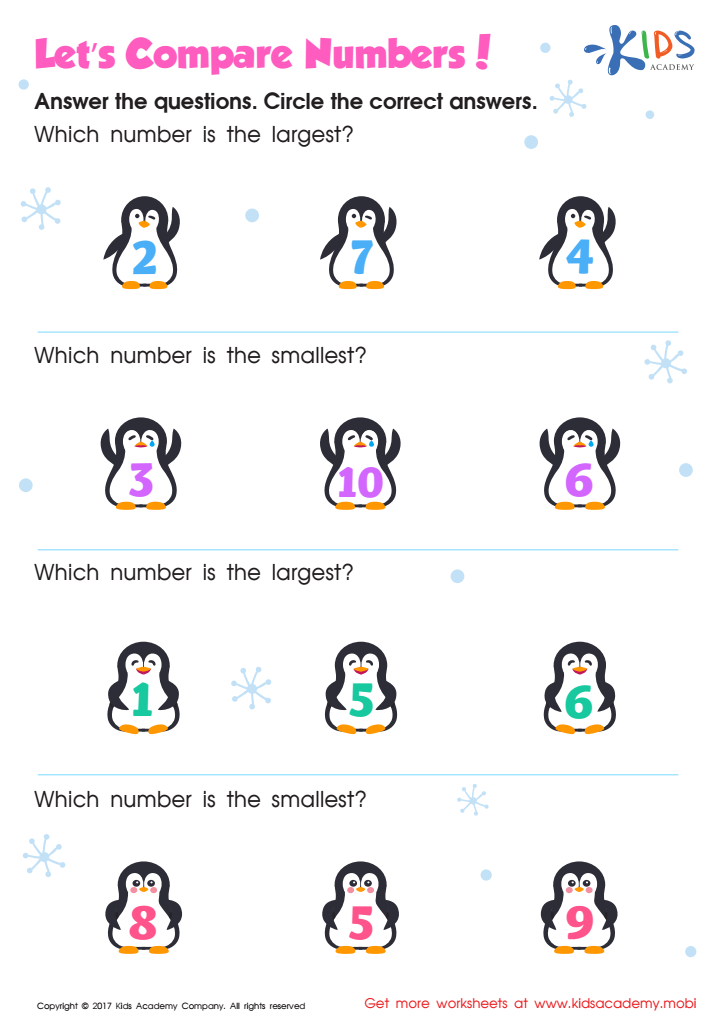
Comparing Numbers 1–10 Worksheet Kindergarten
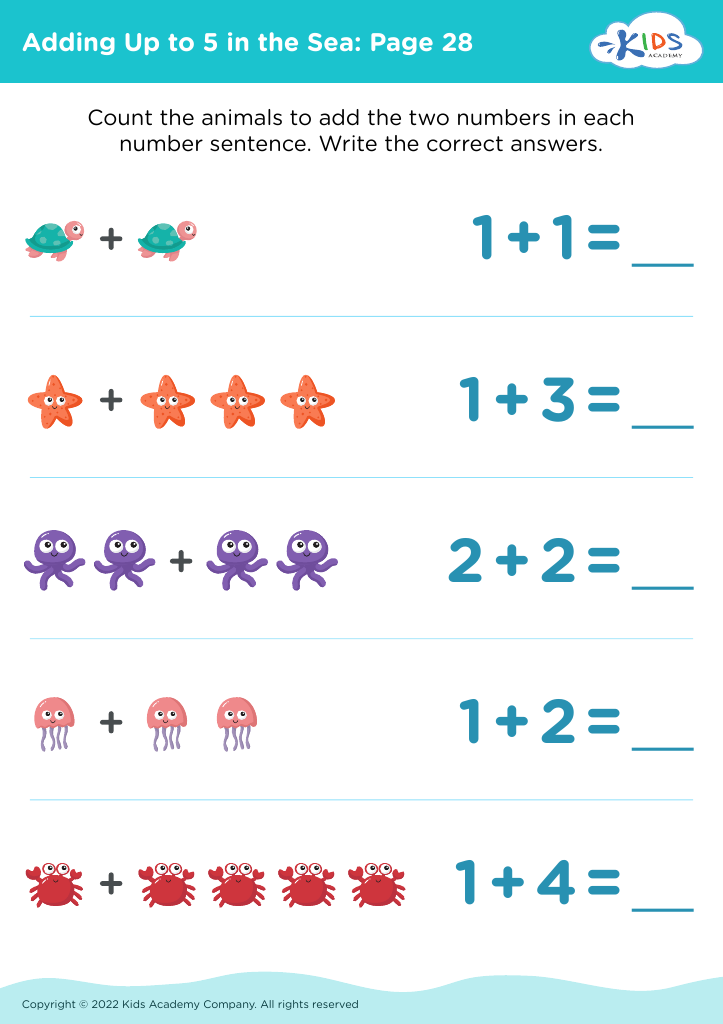





.jpg)

.jpg)
Basic math understanding for children ages 3-4 lays the foundation for future learning and problem-solving skills. During this critical developmental stage, young learners are naturally curious and receptive to new concepts. Engaging them with fundamental math ideas, such as counting, recognizing shapes, and understanding simple patterns, helps enhance their cognitive skills and promotes logical thinking.
Incorporating math into daily activities fosters a love for learning and enhances language skills, as children learn to articulate their thoughts through numerical relationships. Teachers and parents should recognize that early math skills also encourage perseverance and resilience, vital traits for tackling challenges later in life.
Furthermore, children who engage in math-related activities often develop strong critical-thinking abilities, equipping them for both academic pursuits and real-world situations. Supported by structured learning and playful exploration, these early experiences can significantly influence a child's confidence and willingness to tackle more complex concepts as they progress through their education.
In essence, nurturing basic math understanding in early childhood enriches a child's development, ensuring they are better prepared for future learning milestones and everyday problem-solving. Emphasizing these early skills in a playful and supportive environment resonates throughout a child's educational journey.








