Comparing Fractions Worksheets for Ages 3-4
17 filtered results
-
From - To
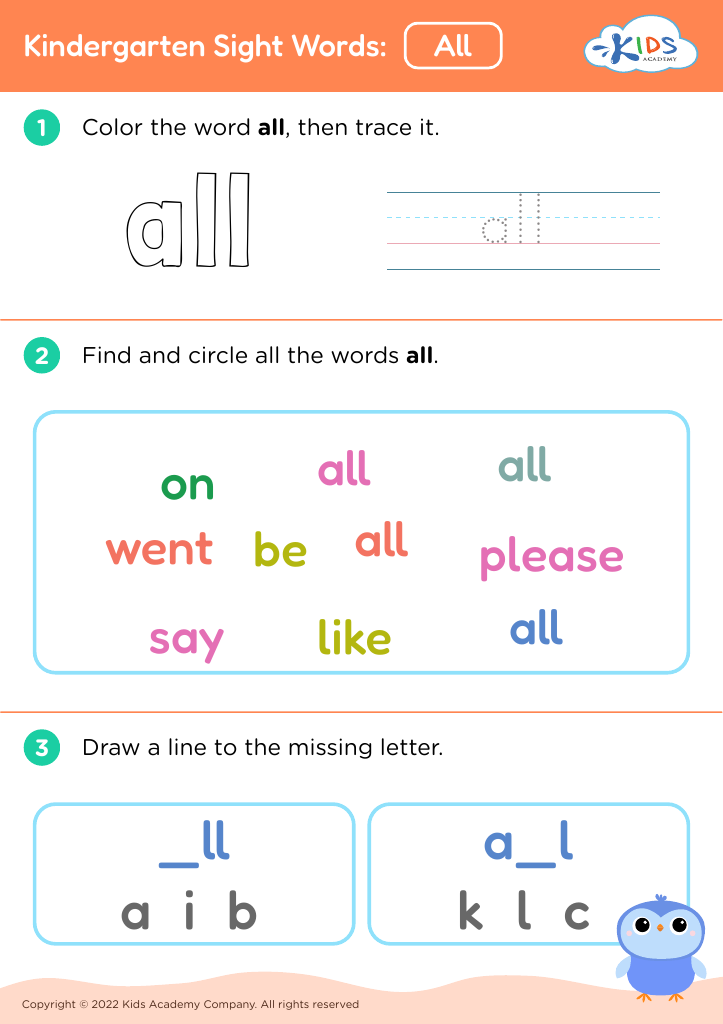
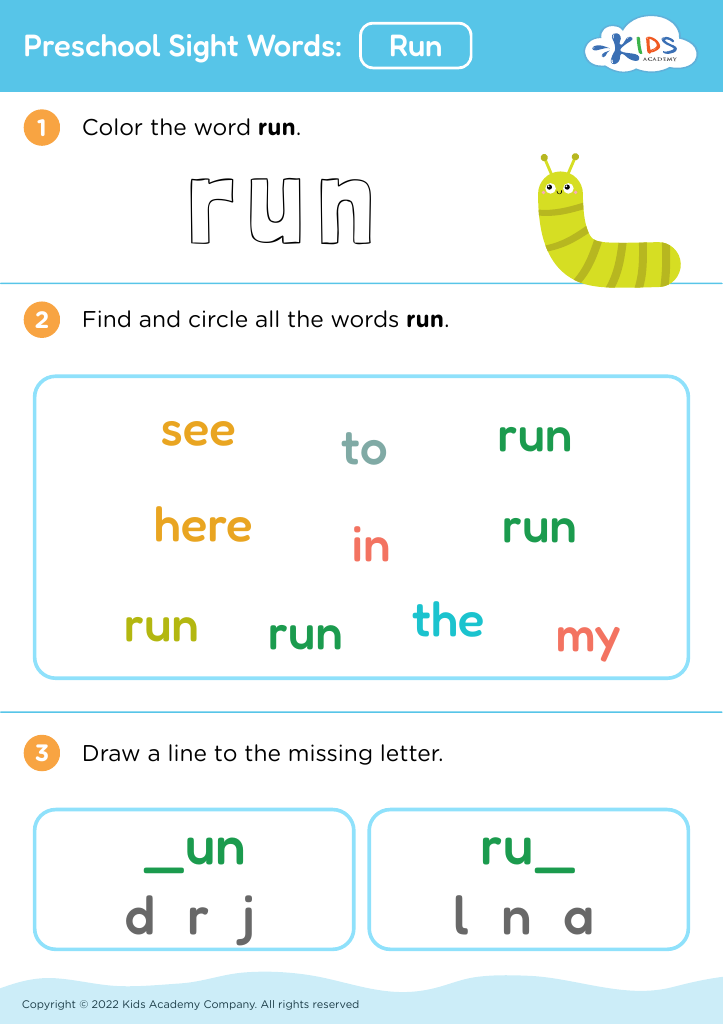
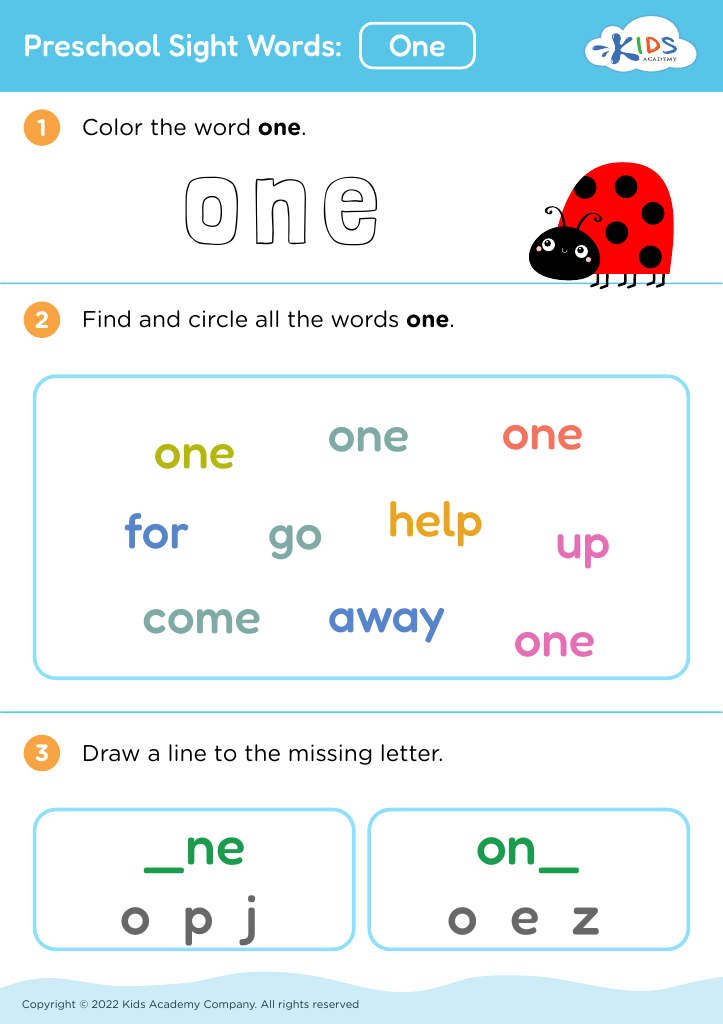
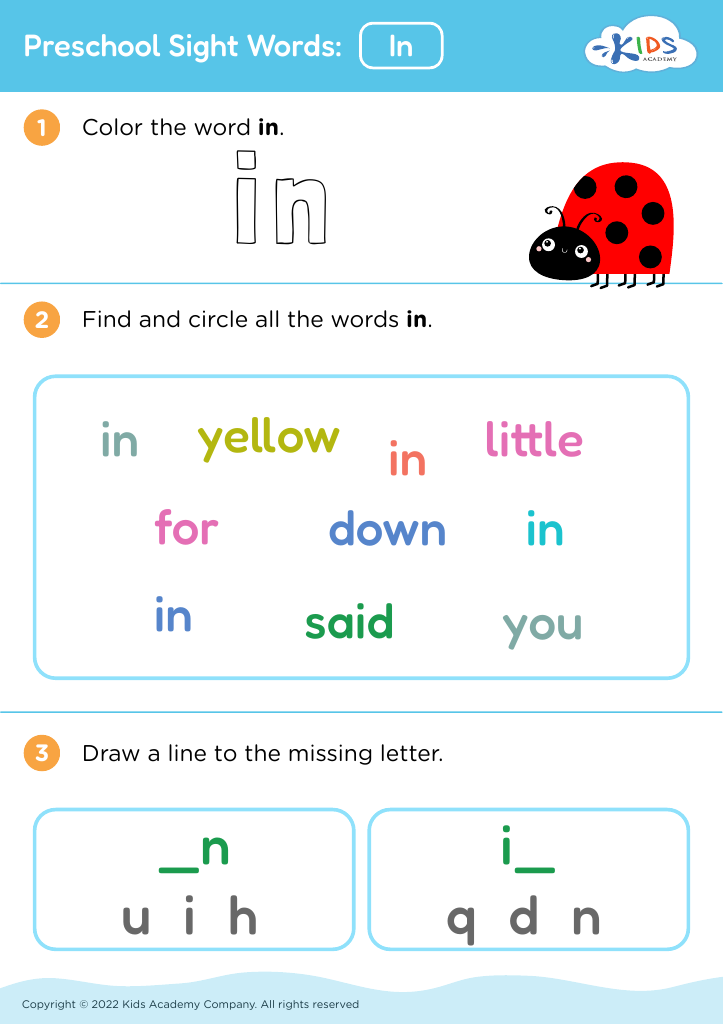
Welcome to our Comparing Fractions Worksheets for Ages 3-4! Designed specifically for young learners, these engaging and colorful worksheets introduce the foundational concept of fractions through fun activities. Children will explore the idea of comparing parts using visuals, interactive exercises, and playful scenarios that make learning enjoyable. Our resources are perfect for parents and educators seeking to build early math skills while fostering critical thinking and problem-solving abilities. Join us on this exciting journey to help your little ones understand fractions in a relatable and simple way! Explore our printable worksheets to start making math a delightful experience today.
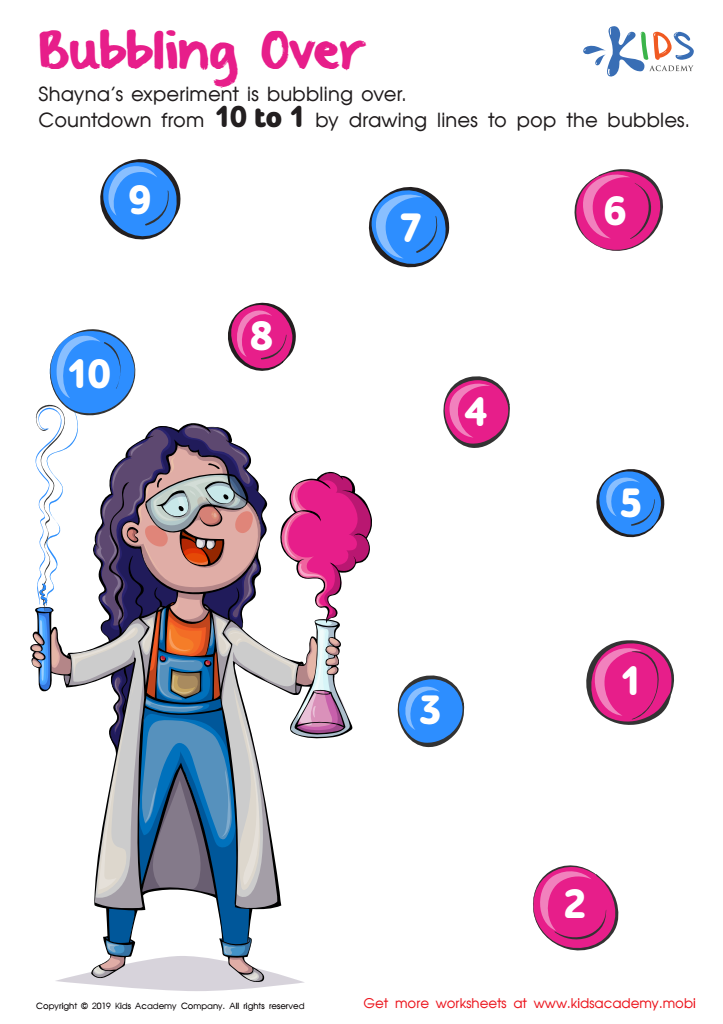
Bubbling Over Worksheet
 Assign to My Students
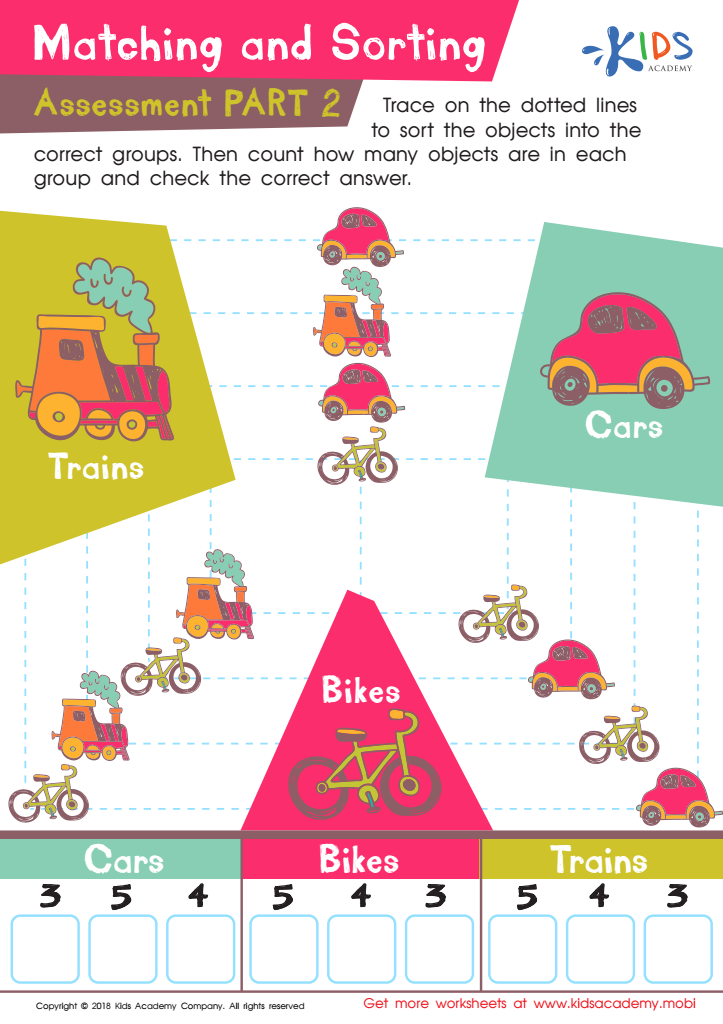
Matching and Sorting for Kindergarten: Assessment 2 Worksheet
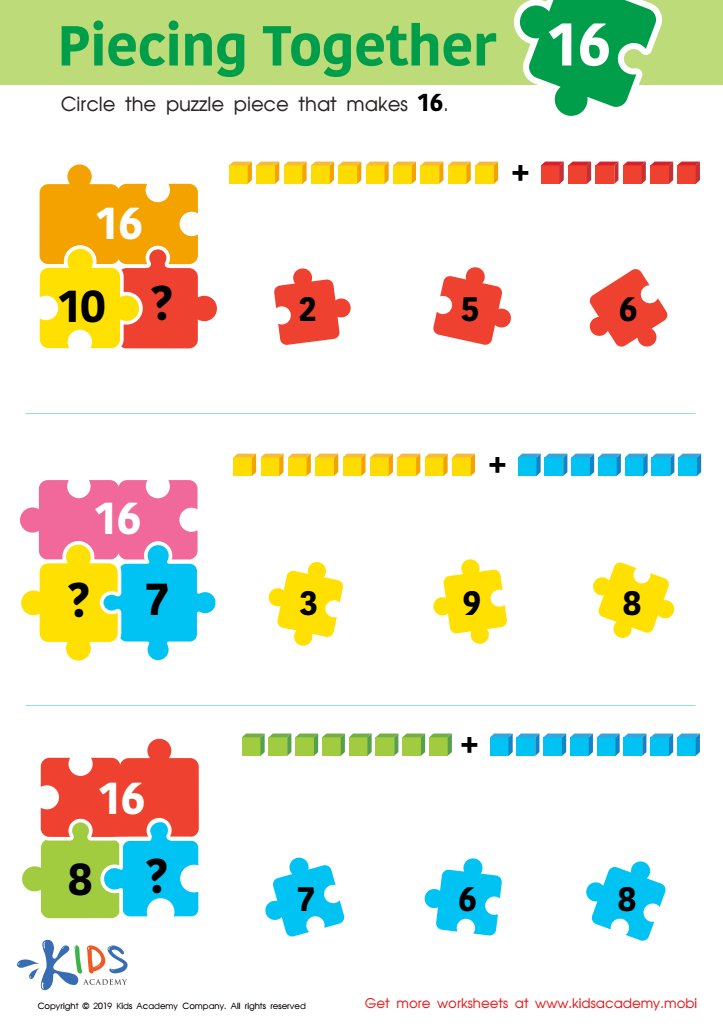
Piecing Together 16 Worksheet
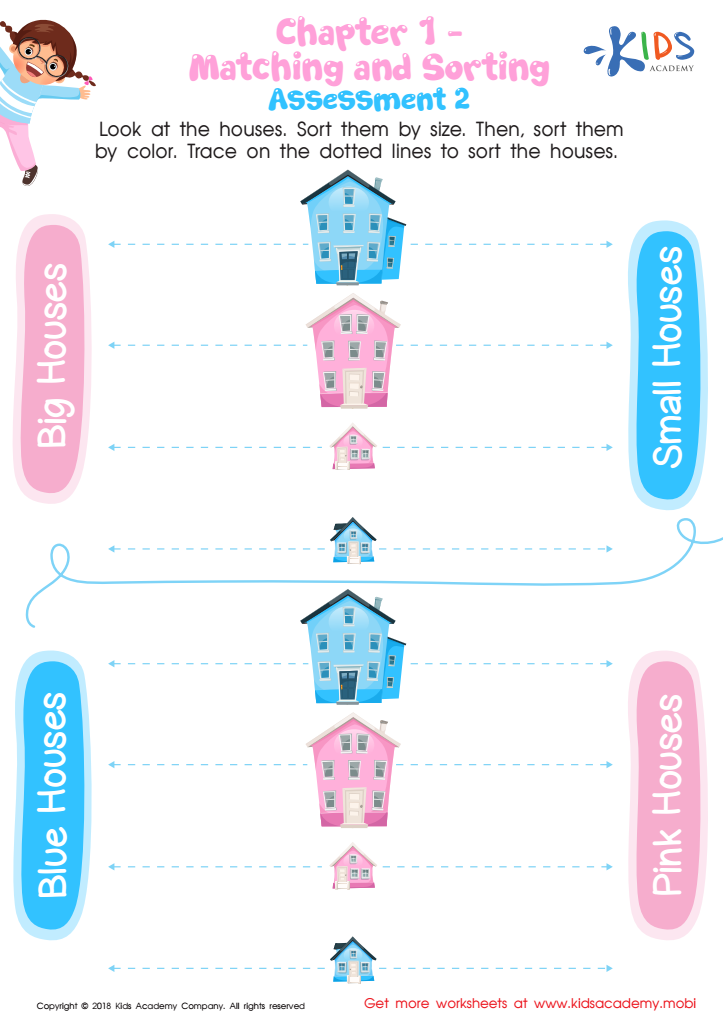
Matching and Sorting for Preschool: Assessment 2 Worksheet
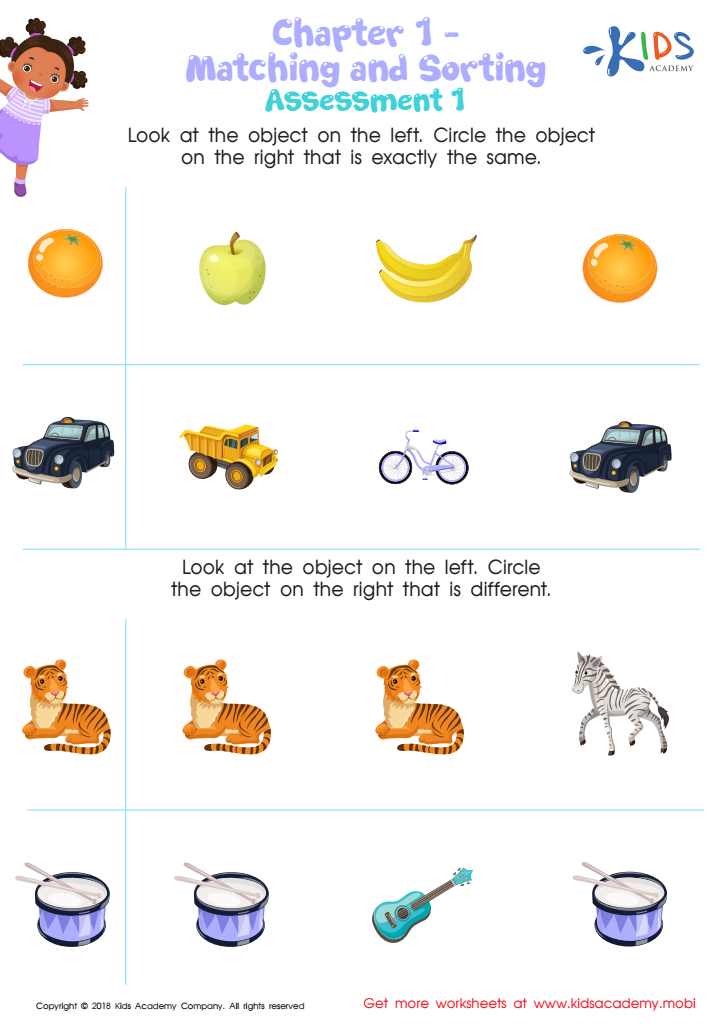
Matching and Sorting for Preschool: Assessment 1 Worksheet





.jpg)
Teaching young children to compare fractions is essential for building a solid foundation in mathematics. For ages 3-4, this skill introduces concepts of size, quantity, and relation. While young learners may not grasp formal fractions yet, they can understand basic ideas of parts of a whole through play and exploration with tangible items, such as toys, snacks, or blocks.
By engaging in this activity early, parents and teachers encourage critical thinking and problem-solving skills. Comparing fractions, even in a rudimentary form, helps children develop reasoning; they begin to recognize how different parts compare, establishing foundational knowledge for more complex mathematical concepts later on.
Additionally, this early exposure promotes spatial awareness and enhances communication skills as children articulate their understanding and reasoning. Activities that involve comparing fractions also foster cooperation and social interaction when working in groups or pairs, appetizing an exciting learning environment.
Moreover, these fraction comparisons seamlessly connect to everyday life, making mathematics feel relevant and relatable. Whether sharing a pizza or dividing toys, children learn how to appreciate the value of sharing and fairness. Thus, comparing fractions lays the groundwork for confident, competent mathematicians while nurturing valuable life skills.








