Developing observation skills Worksheets for Ages 3-4
4 filtered results
-
From - To
Enhance your child's learning with our "Developing Observation Skills Worksheets" designed specifically for ages 3-4. These engaging worksheets encourage young learners to sharpen their attention to detail, promote critical thinking, and improve their ability to notice differences and similarities. Each activity is crafted to captivate little minds while fostering essential observation skills through playful challenges. From spotting the difference in pictures to engaging in fun matching games, these resources make learning enjoyable. Perfect for parents and educators alike, our worksheets serve as a wonderful addition to any preschool curriculum, laying the groundwork for future academic success. Download now and inspire exploration!
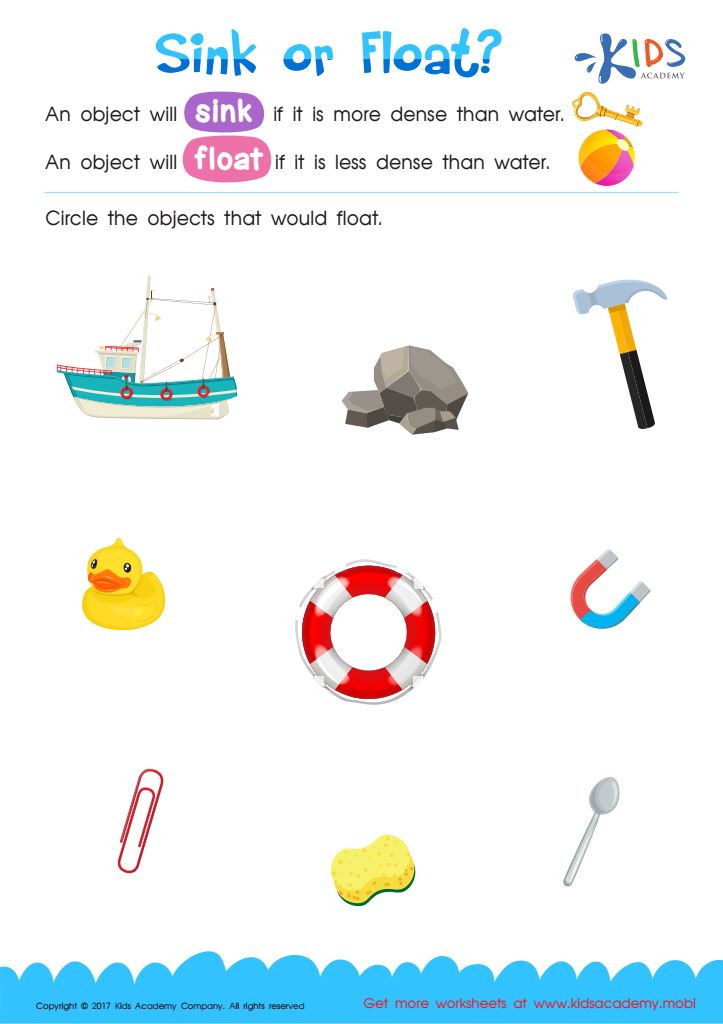
Sink or Float Printable
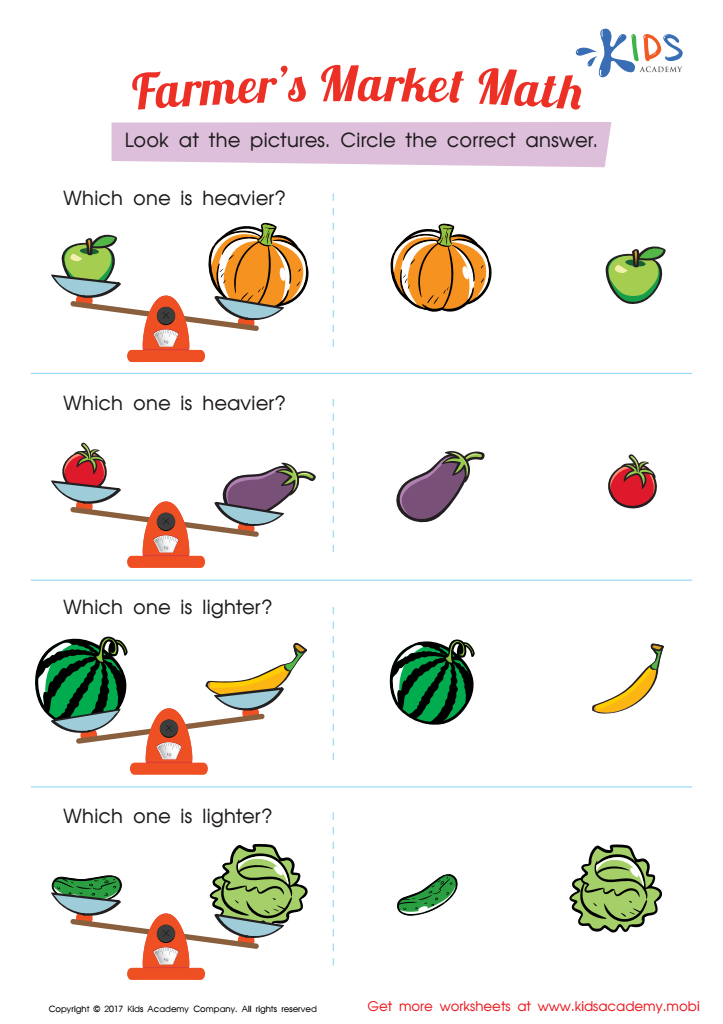
Which One Is Heavier Worksheet
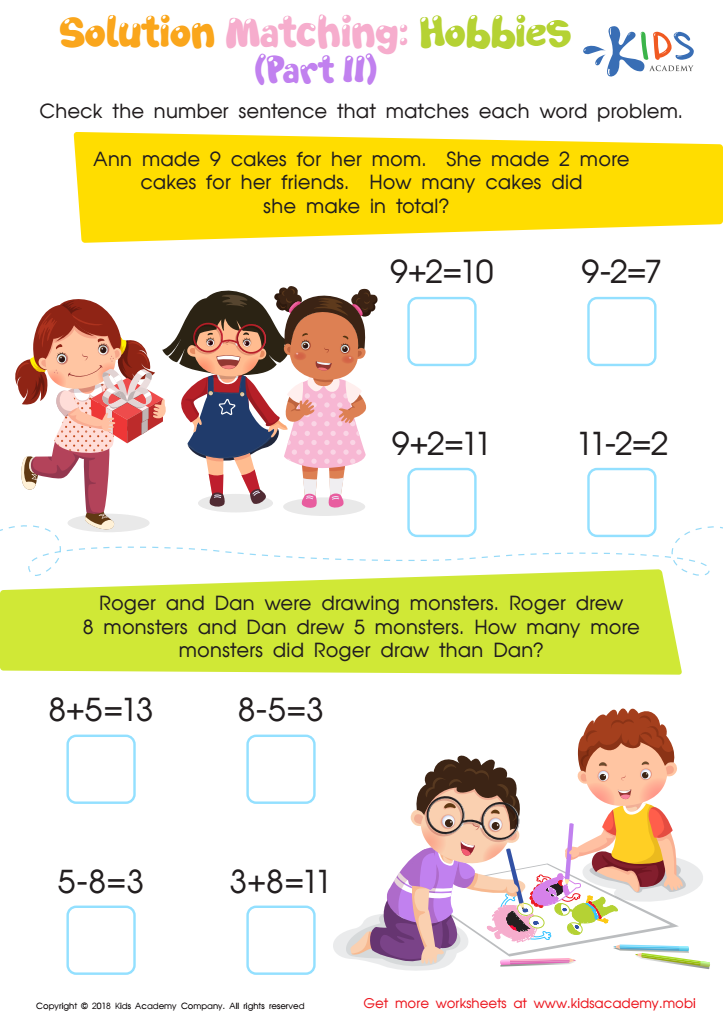
Solution Matching: Hobbies. Part 2 Worksheet
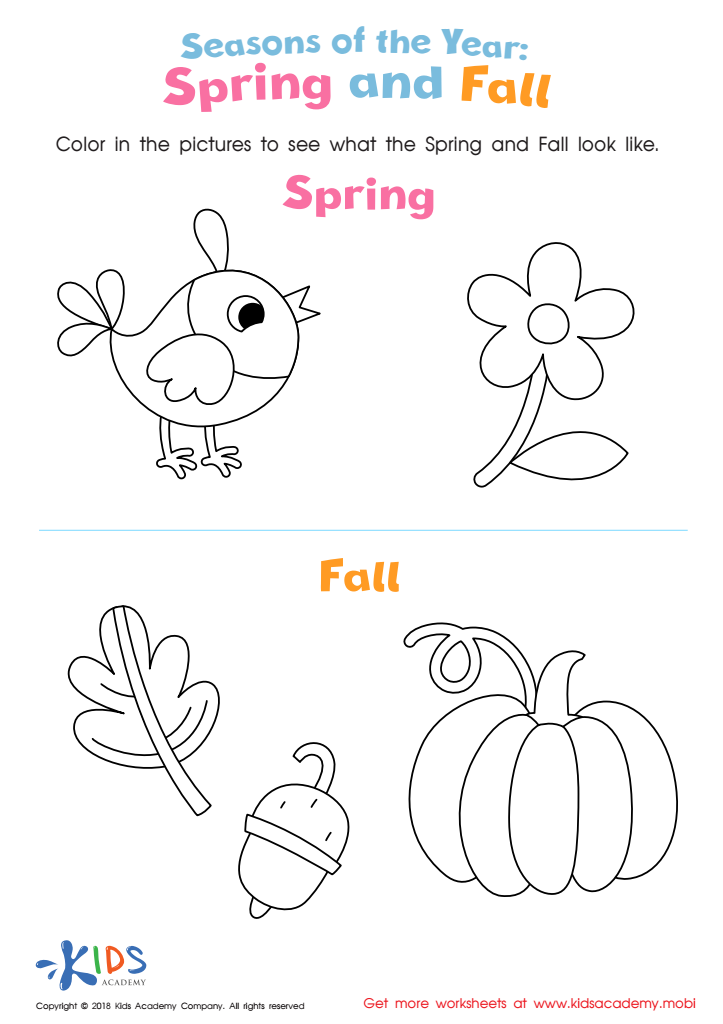
Spring and Fall Worksheet
 Assign to My Students








Developing observation skills in children aged 3-4 is essential for their cognitive, social, and emotional growth. At this developmental stage, children are naturally curious about their surroundings, and honing their ability to observe helps enhance critical thinking. Observation skills enable children to notice patterns, make connections, and engage more meaningfully with the world around them.
For parents and teachers, fostering these skills is vital because they lay the groundwork for effective learning. Young children who learn to observe closely are better equipped to understand concepts in literacy, math, and science. Additionally, observation helps children develop empathy and social skills, as they learn to recognize and interpret the emotions and behaviors of their peers.
By nurturing observation skills, adults also promote independence and confidence, encouraging children to explore, ask questions, and interact with their environment. Activities like nature walks, storytelling, or simple games can be integrated into daily routines to make learning intuitive and enjoyable. Ultimately, paying attention to early developmental milestones in observation can inspire lifelong skills in critical thinking and problem-solving, enriching not only their educational journey but also their future interpersonal relationships.








