Developing problem-solving skills Worksheets for Ages 3-4
3 filtered results
-
From - To
Welcome to our “Developing Problem-Solving Skills Worksheets for Ages 3-4” page! Our engaging, interactive worksheets are designed to foster essential problem-solving abilities in young learners. Tailored specifically for preschoolers, these activities incorporate games, puzzles, and visual challenges that captivate their imagination while promoting critical thinking. Through enjoyable exercises, children will enhance their logical reasoning, decision-making, and analytical skills in a fun, accessible manner. These worksheets serve as a wonderful resource for parents and educators seeking to nurture confidence and independence in their little ones. Start fostering your child's problem-solving skills today and watch them thrive in their learning journey!
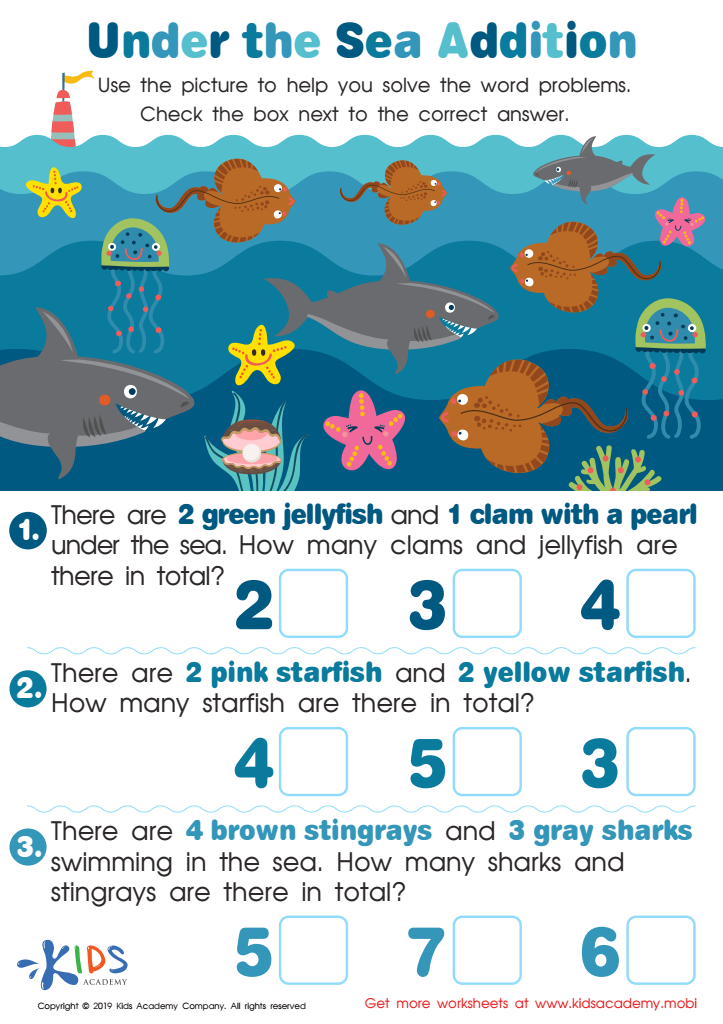
Under the Sea Addition Worksheet
 Assign to My Students
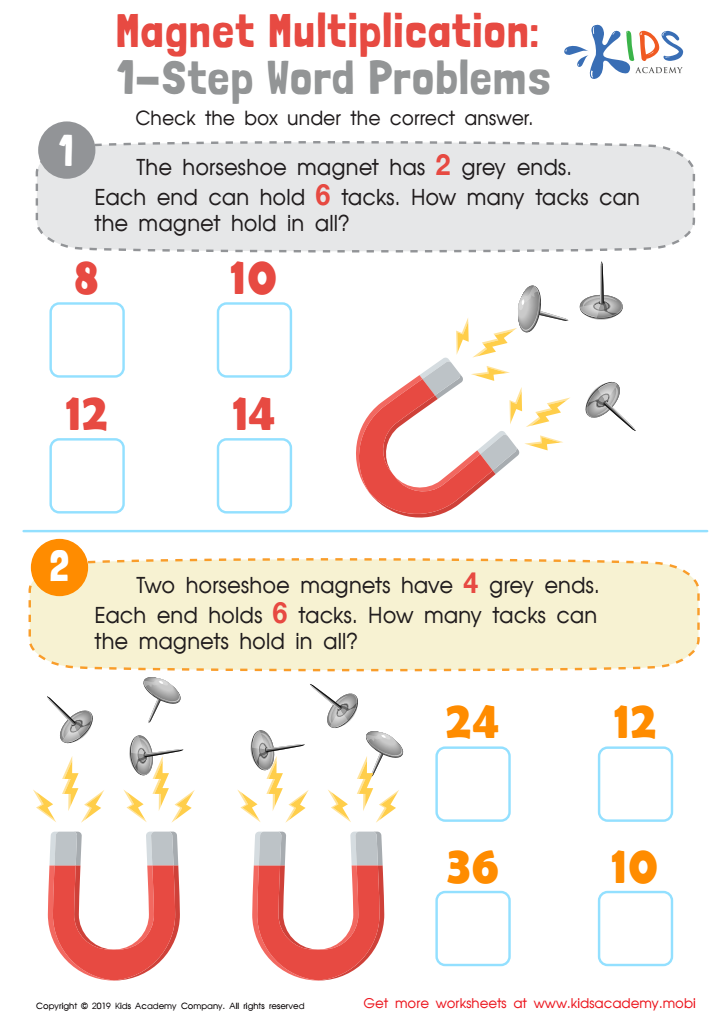
Magnet Multiplication: 1-Step Word Problems Worksheet
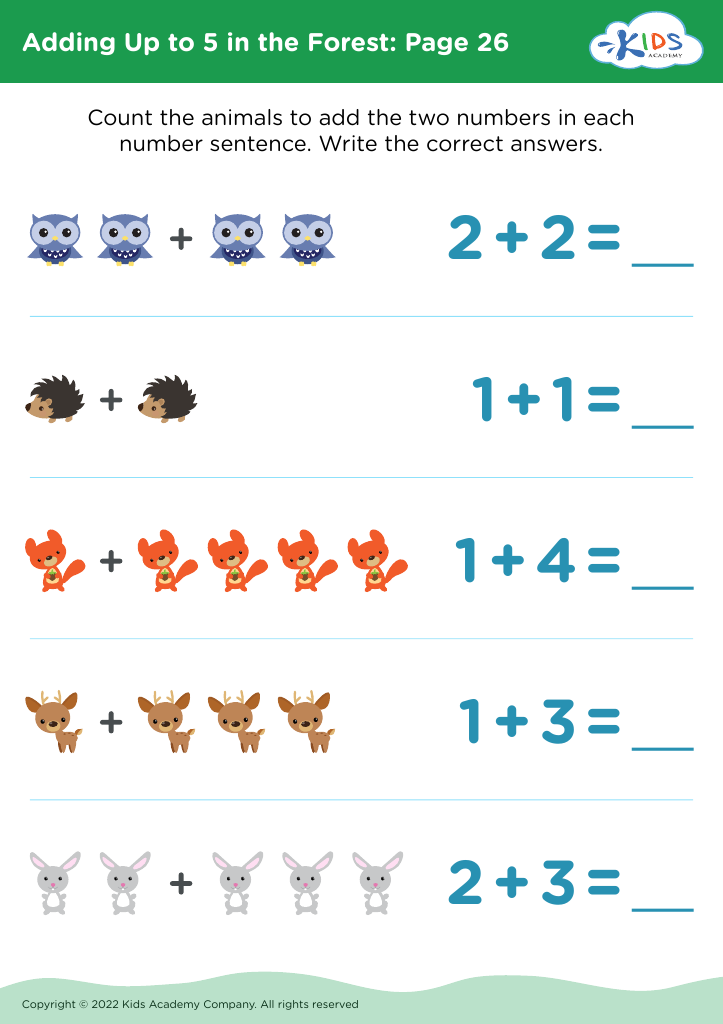








Developing problem-solving skills in children aged 3-4 is crucial for their overall growth and future success. At this age, children are naturally curious and eager to explore their surroundings. Encouraging problem-solving helps them make sense of their world and promotes cognitive development. It fosters critical thinking, allowing children to understand cause and effect relationships, which lays the groundwork for more complex reasoning later on.
When parents or teachers actively engage in problem-solving activities, they create a nurturing environment that promotes resilience and adaptability. Young children learn to tackle challenges, which builds their confidence and independence. For instance, when faced with a puzzle, a child will practice perseverance, experimentation, and patience as they work through the pieces.
Additionally, problem-solving supports essential social skills. Collaborating with peers during activities helps children learn to communicate their ideas, listen to others, and negotiate solutions, fostering camaraderie and empathy.
Incorporating problem-solving activities, such as games, hands-on tasks, or open-ended questions, not only strengthens these vital skills but also makes learning enjoyable. As children navigate problems, they develop a sense of accomplishment, igniting a lifelong love for learning and exploration. Through purposeful engagement, adults play a pivotal role in shaping capable, innovative thinkers for the future.








