Identifying objects Worksheets for Ages 3-4
5 filtered results
-
From - To
Discover our engaging "Identifying Objects Worksheets" designed specifically for ages 3-4! These worksheets provide a fun and interactive way for young learners to explore their environment and recognize everyday objects. With vibrant images and easy-to-follow prompts, children will develop essential visual discrimination skills as they learn to identify and match various items. Perfect for both home and classroom use, these resources foster cognitive development while providing a playful learning experience. Encourage your child’s curiosity and boost their confidence in recognizing objects around them. Dive into our worksheets and watch your little ones thrive in their early learning journey!
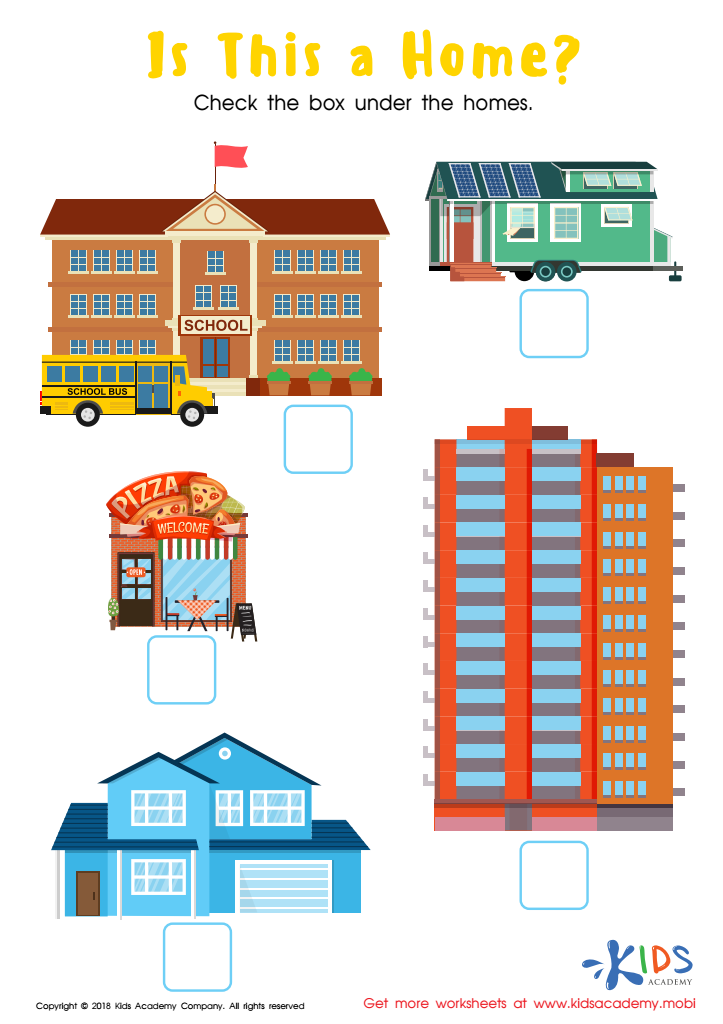
Is this a Home? Worksheet
 Assign to My Students
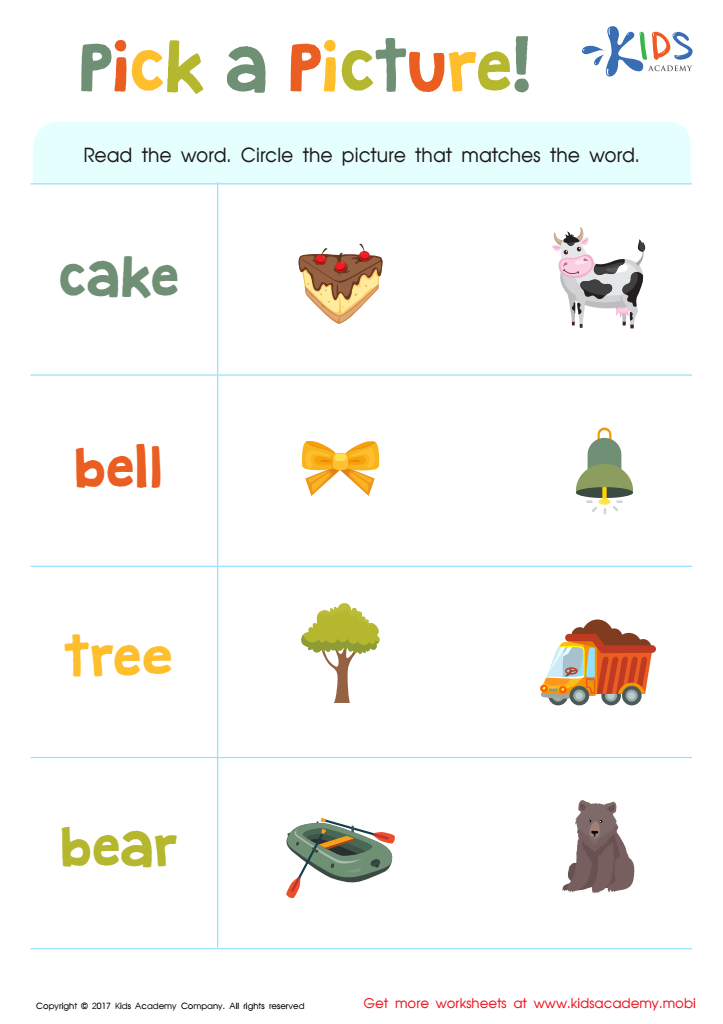
Pick a Picture Word Recognition Worksheet
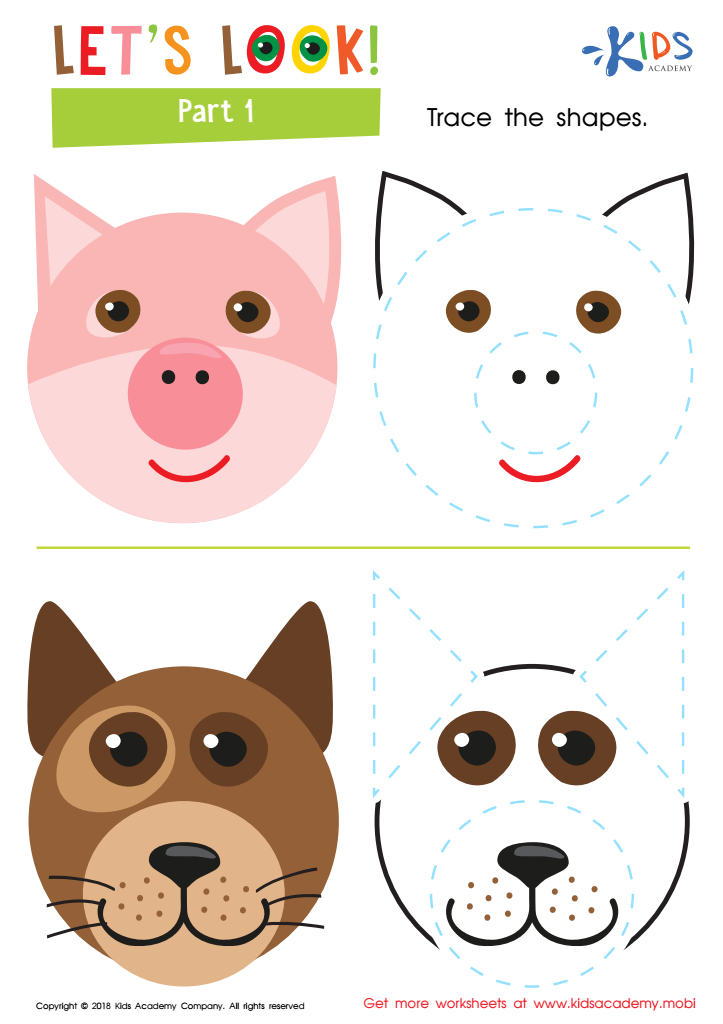
Let's Look! Part 1 Worksheet
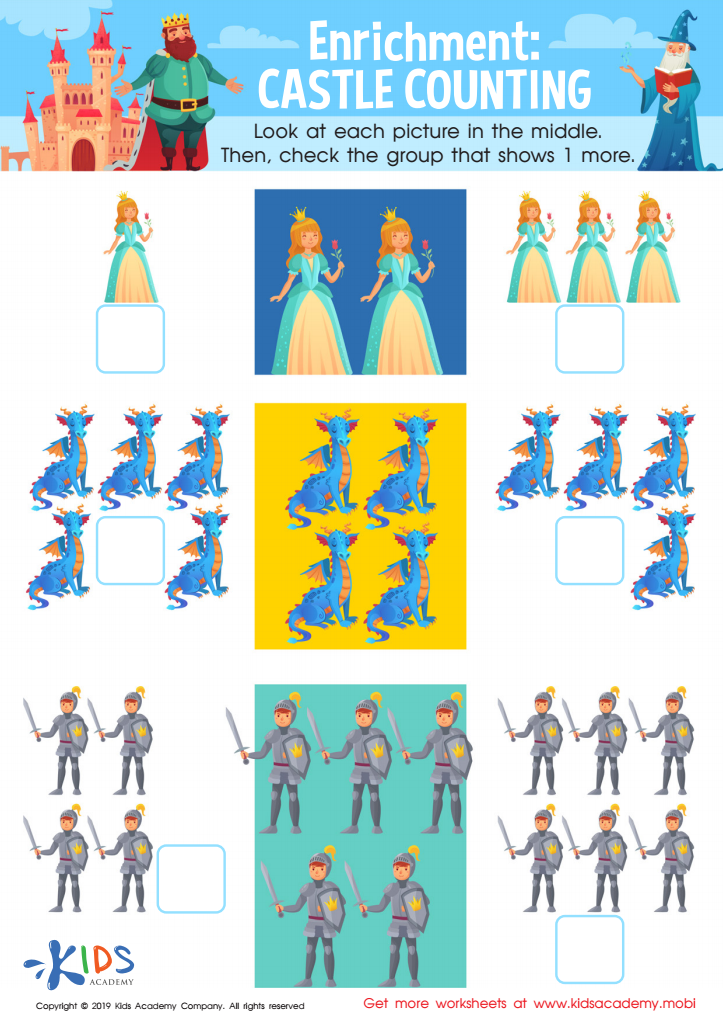
Enrichment: Castle Counting Worksheet
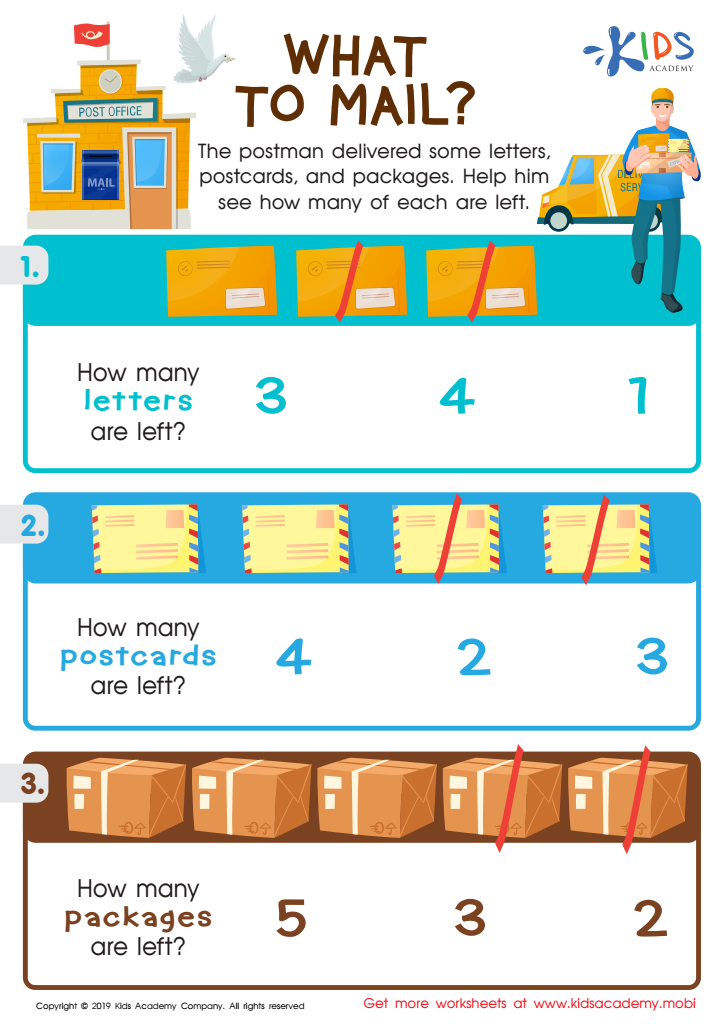
What to Mail? Worksheet


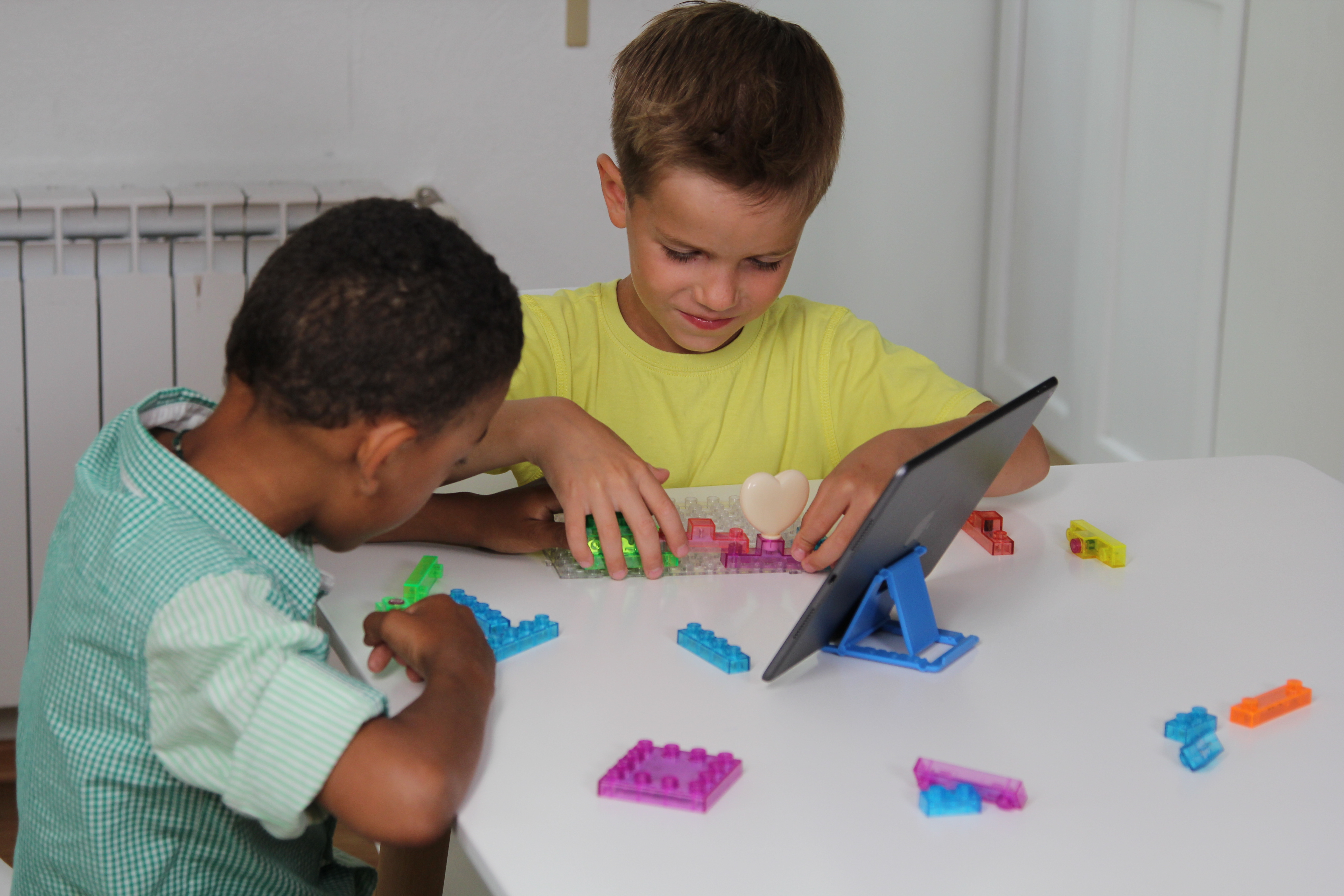

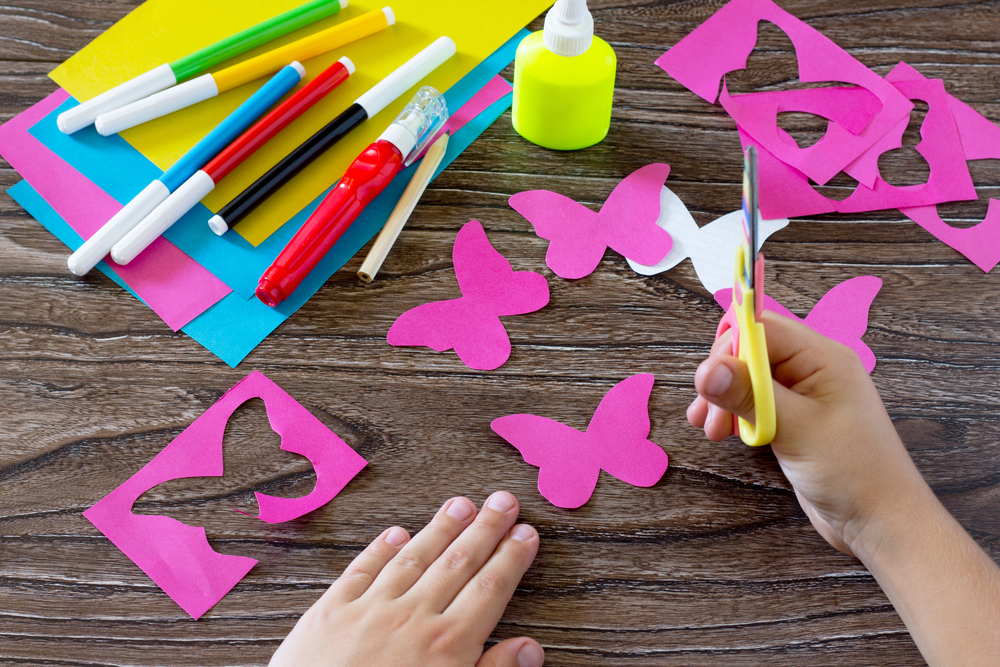
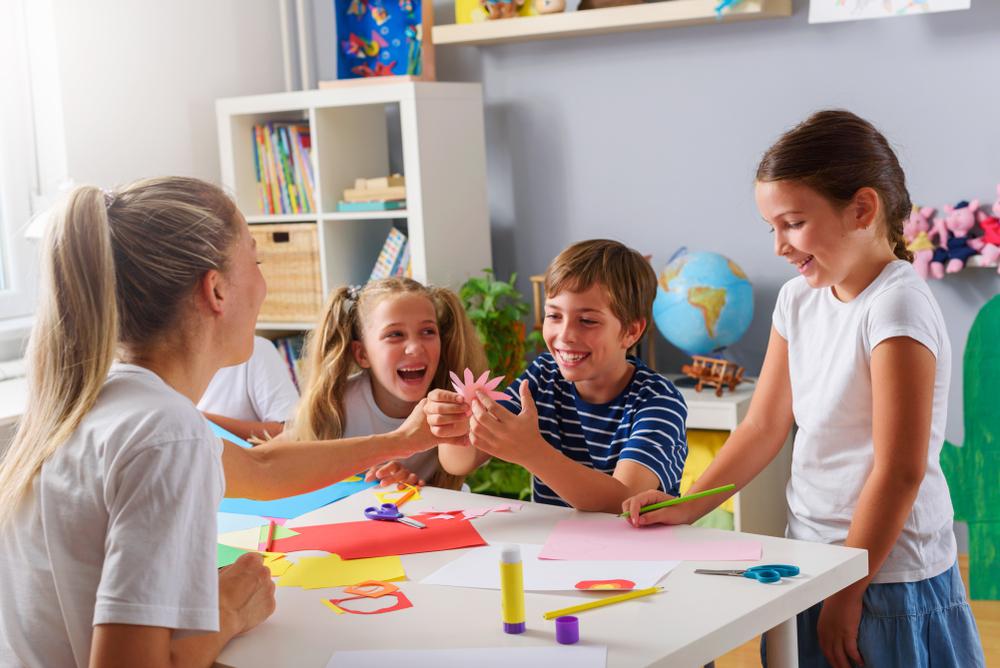

Identifying objects is a crucial developmental milestone for children aged 3-4, and both parents and teachers should prioritize it for several reasons. At this stage, children are rapidly developing their cognitive, language, and fine motor skills. By encouraging object identification, adults can enhance a child’s vocabulary and comprehension, as they learn to label and categorize the world around them.
Recognizing objects also fosters critical thinking and cognitive development. When children identify and classify objects, they begin to develop problem-solving skills as they learn how different items relate to one another. Furthermore, object identification aids in strengthens memory as children connect names to things, enhancing recall and retention.
Additionally, this skill supports social development; children build communication skills as they talk about objects with peers and adults, fostering relationships and collaboration. Fun, interactive activities—like matching games or scavenger hunts—can make learning enjoyable, motivating children to engage and explore.
In essence, emphasizing object identification not only builds foundational skills essential for language and cognitive development but also encourages a child's curiosity and interest in learning, positively impacting their overall growth and school readiness. Supporting this endeavor will prepare children for future academic success and nurtures a lifelong love of learning.








