Improve vocabulary Worksheets for Ages 3-4
4 filtered results
-
From - To
Discover our "Improve Vocabulary Worksheets for Ages 3-4" at Kids Academy. These engaging, expertly designed worksheets are tailored to help young learners develop their vocabulary skills in a fun and interactive way. Our activities feature colorful images and simple tasks aimed at teaching new words, enhancing language comprehension, and building a strong foundation for future reading success. Perfect for preschool and early kindergarten students, these resources support both at-home learning and classroom instruction. Give your child the tools they need to communicate effectively and confidently with our age-appropriate vocabulary worksheets. Start your learning journey today at Kids Academy!

Homes Worksheet
 Assign to My Students
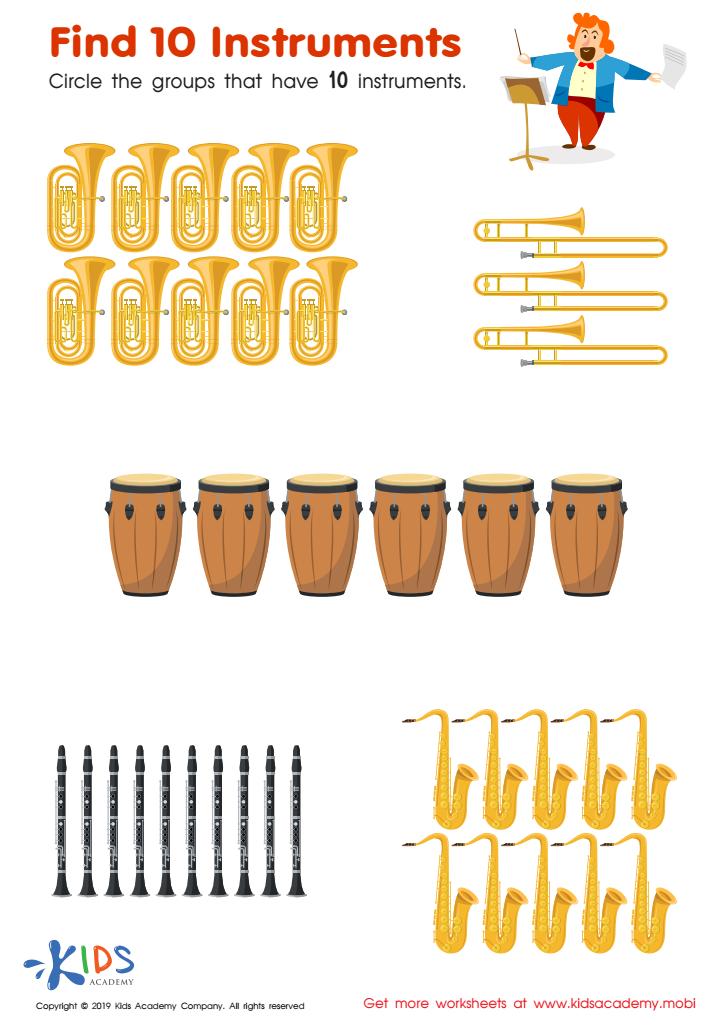
Find 10 Instruments Worksheet
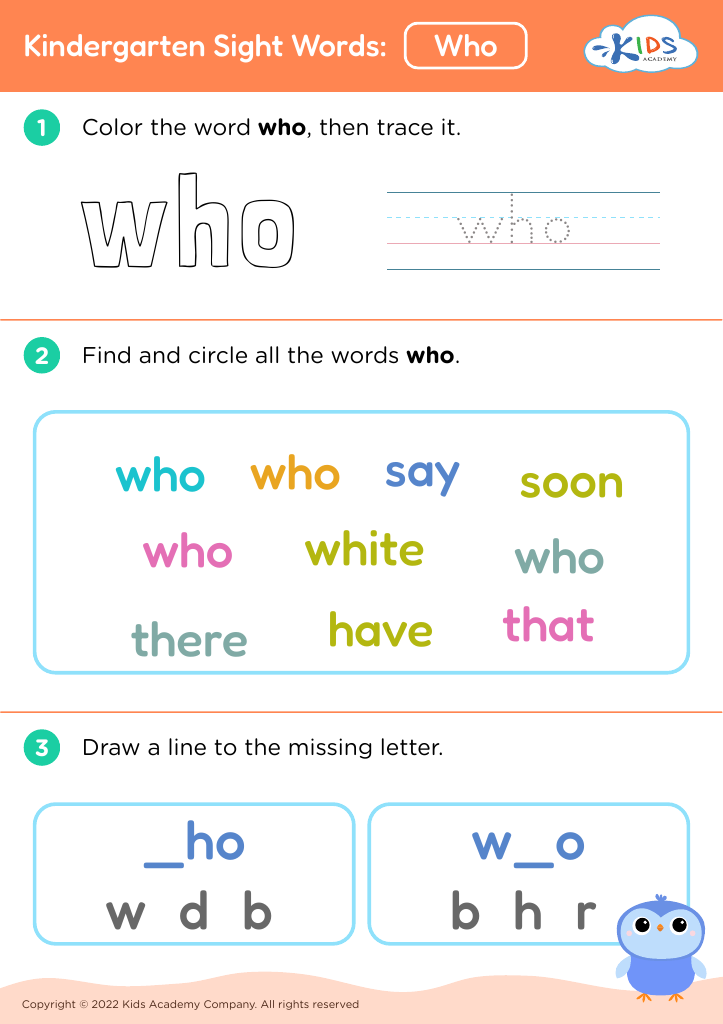







Improving vocabulary for children aged 3-4 is crucial for several vital developmental reasons. At this formative stage, language acquisition is at its peak, and a rich vocabulary helps in the cognitive, social, and emotional growth of a young mind. Firstly, a robust vocabulary paves the way for better communication skills. When children can express their needs, thoughts, and emotions clearly, it reduces frustration and behavioral issues. It also encourages positive social interactions with peers and adults.
Secondly, vocabulary growth is closely linked to future reading success. Understanding more words enables children to comprehend stories, follow instructions, and engage with their environment effectively, which lays a strong foundation for academic success. Furthermore, enriched vocabulary supports critical thinking and problem-solving, as children with more words at their disposal can better understand concepts and articulate solutions.
Lastly, early vocabulary development has long-term impacts on a child's educational trajectory and self-esteem. Children versed in a wide array of words are more likely to participate in classroom activities, understand new subjects quickly, and exhibit confidence in their abilities. Therefore, parents and teachers investing in vocabulary development ensures holistic growth, setting the stage for lifelong learning and emotional well-being.








