Boost your child's language development with our "Improving Vocabulary Worksheets for Ages 3-4." These engaging worksheets are designed to enhance vocabulary skills through fun and interactive activities. Tailored specifically for young learners, they include colorful illustrations and simple exercises that make learning enjoyable. Kids will explore new words, match pictures to terms, and participate in creative exercises that foster an early love for language. Perfect for parents and educators, these worksheets help build a solid foundation in communication while encouraging curiosity. Download our free resources today and watch your toddler thrive as they expand their vocabulary in a playful way!

Check out this FREE "Improving vocabulary" Trial Lesson for age 3-4!

Make Connections to Text and Self

Favorites
With answer key
Interactive
  • 3-4
  • Improving vocabulary
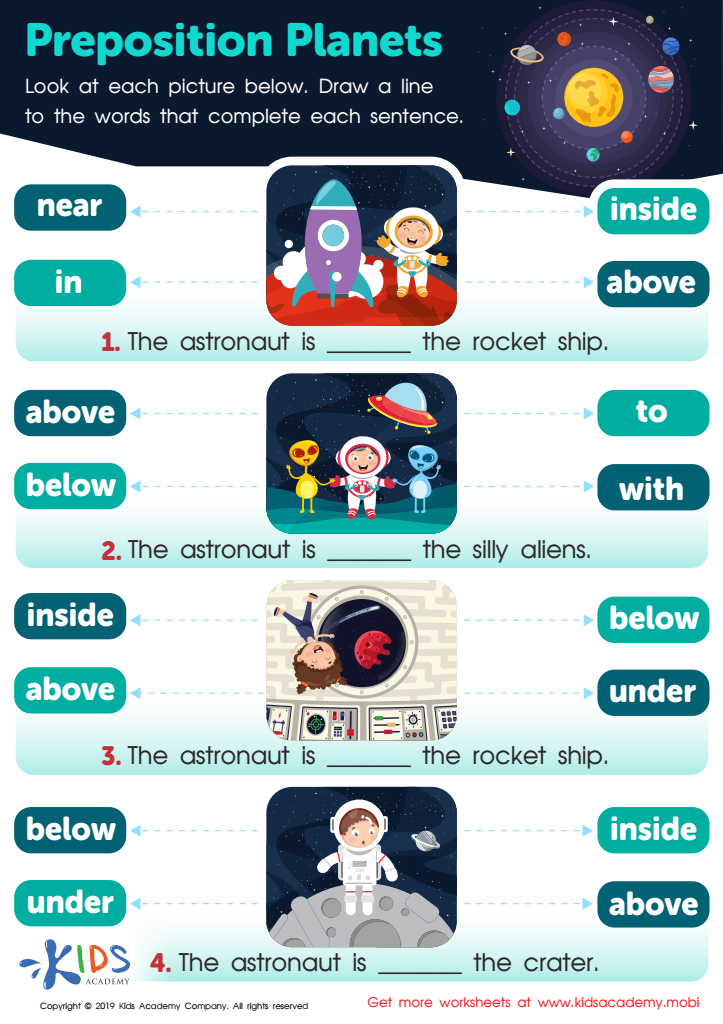
Preposition Planets Worksheet

Preposition Planets Worksheet

Remind your child about outer space: which planet do we live on, and who travels there for research? Explain that prepositions show location, direction, and time. Look at the worksheet with colorful pictures of astronauts. Help your kids draw lines to the words that complete each sentence.
Preposition Planets Worksheet
Worksheet
Itsy Bitsy Spider and Me Worksheet

Itsy Bitsy Spider and Me Worksheet

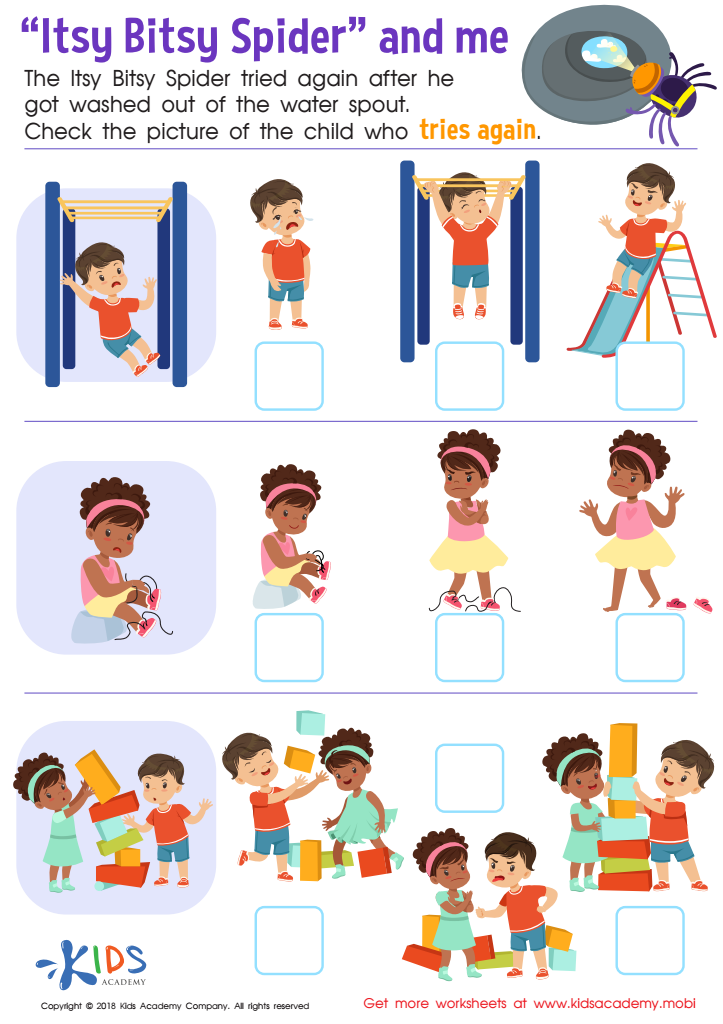
Ensure your child's success - teach them determination and perseverance! Introduce them to the Itsy-Bitsy spider and this fun worksheet. It shows kids working hard and teaches them to 'try again.' Have them identify scenes and check the box for those who succeeded.
Itsy Bitsy Spider and Me Worksheet
Worksheet
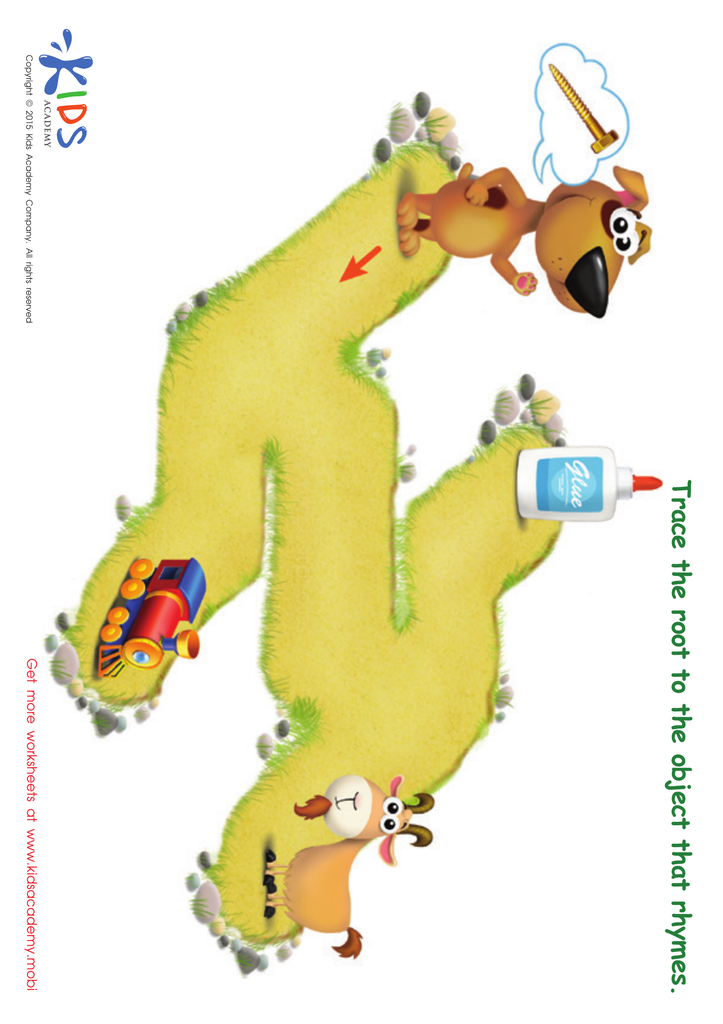
Rhyming Words PDF Worksheets, Screw

Screw Rhyming Words Worksheet

Try Kids Academy for free printable worksheets and fun activities!
Screw Rhyming Words Worksheet
Worksheet
Preposition Pencils Worksheet

Preposition Pencils Worksheet

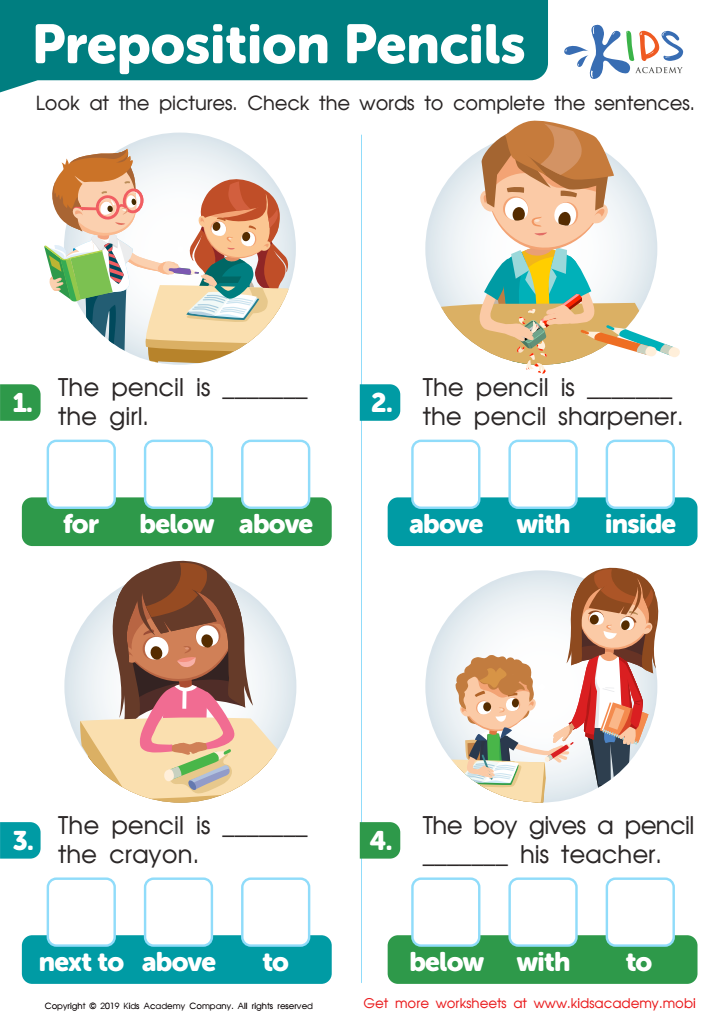
Constructing sentences follows rules. Parts of speech like nouns, verbs, adverbs, pronouns, and prepositions help. This worksheet focuses on prepositions. Explain prepositions to your child, then examine the pictures together and help them complete the sentences.
Preposition Pencils Worksheet
Worksheet
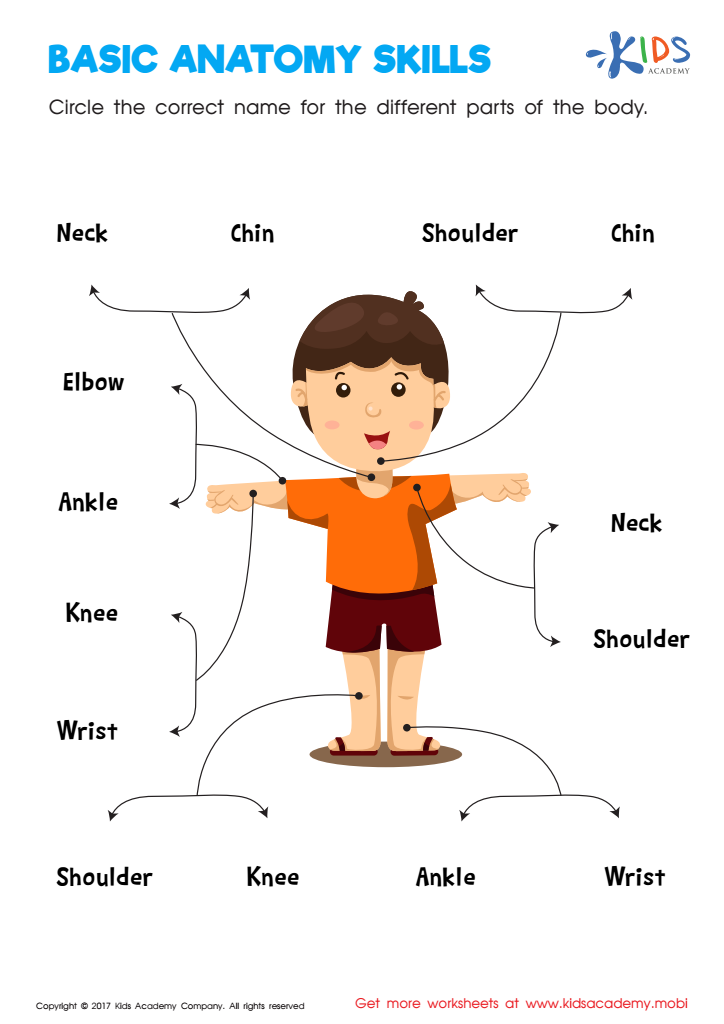
Basic Anatomy Worksheet

Basic Anatomy Skills Printable
Introduce your child to basic anatomy with this worksheet! It will help him learn essential body part names, differentiate between them, recognize and label them. This will give him the tools to better communicate his feelings and become self-aware.
Basic Anatomy Skills Printable
Worksheet
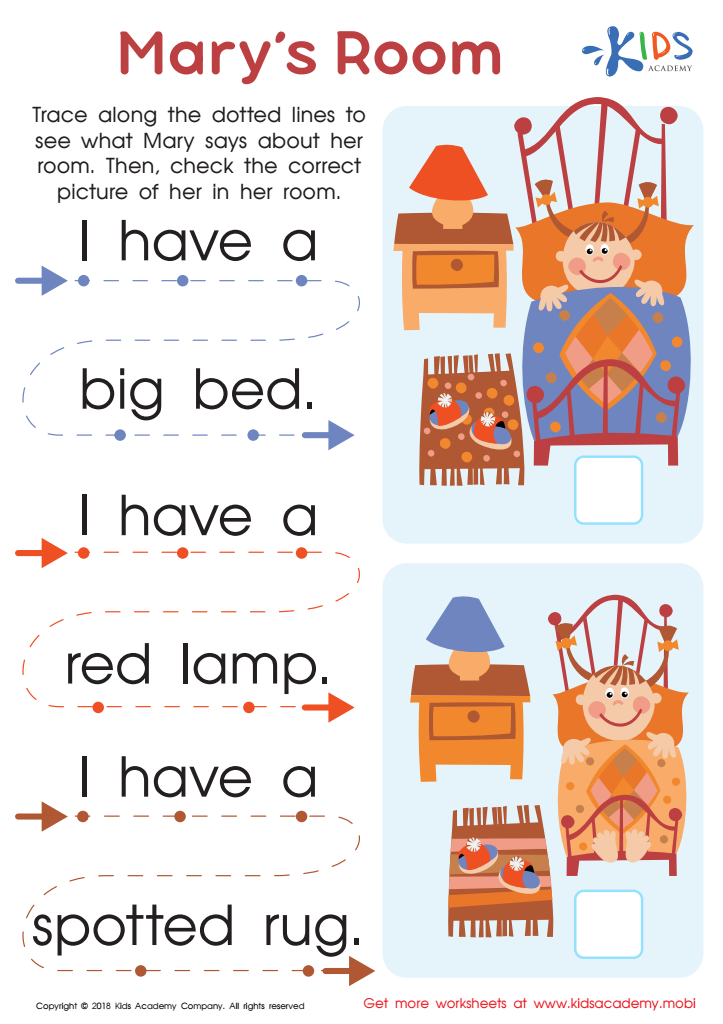
Mary's Room Worksheet

Mary's Room Worksheet

This cute PDF worksheet is a great way to help your young reader build their comprehension and directionality skills in a fun way. They'll use the images and clues to determine which room belongs to Mary. Following the traceable lines can give them a sense of being a detective, and help with directionality and fine motor skills too. Let them have fun and enjoy the activity - their skills will thank you!
Mary's Room Worksheet
Worksheet
Water World Worksheet


Water World Worksheet

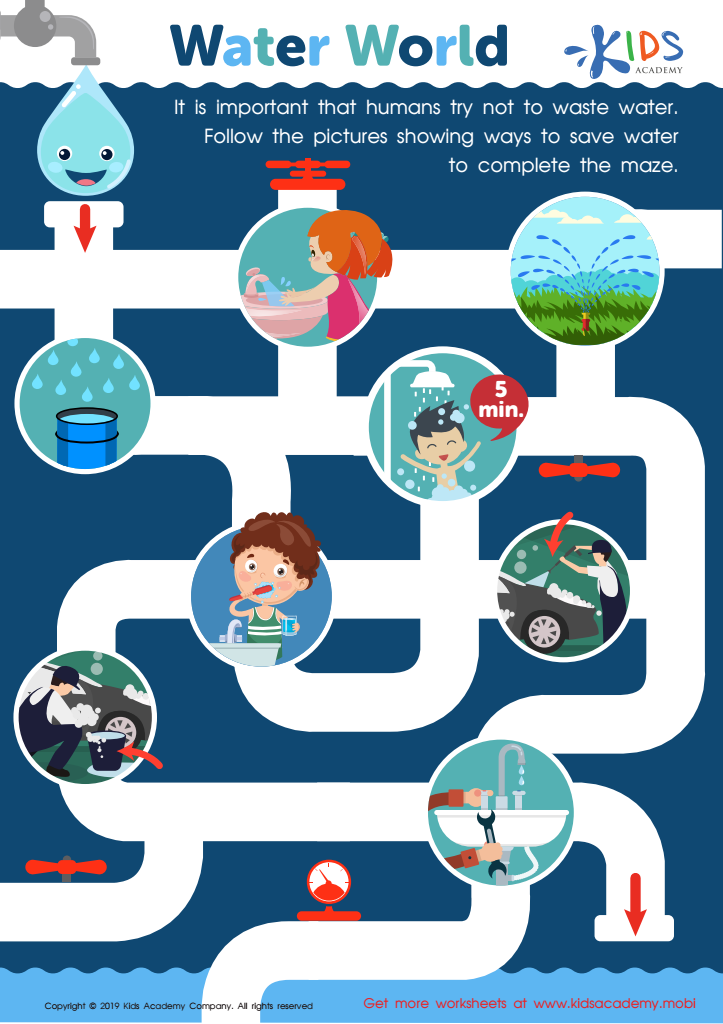
Water is a vital necessity for living. Our bodies depend on it to stay healthy and survive. When we don't drink enough water, we become thirsty and run the risk of getting sick. Luckily, our planet is full of water and natural sources to stay hydrated. To prevent water waste, use this worksheet to teach your students how to conserve it and complete the maze.
Water World Worksheet
Worksheet


Improving vocabulary for children aged 3-4 is crucial for their overall development and lifelong learning. During this formative stage, children are like sponges, absorbing new information and language skills rapidly. A rich vocabulary enhances their ability to express thoughts and emotions, fostering effective communication. When parents and teachers prioritize vocabulary development, they set the foundation for academic success. Children with varied vocabulary demonstrate better literacy skills, as language comprehension is fundamental for reading and writing proficiency later on.

Furthermore, strong vocabulary knowledge is linked to increased cognitive development. Engaging children in conversations, reading aloud, and introducing new words through playful interactions ignite their curiosity and encourage critical thinking. It also aids in emotional and social development, as children learn to articulate feelings and engage with peers more effectively.

Moreover, investing in vocabulary skills starts building confidence. A child who can express themselves well is more likely to participate in classroom discussions and social interactions, promoting a positive self-image. By fostering an environment rich in language experiences—through songs, stories, and conversations—parents and teachers play an instrumental role in shaping eager, confident, and communicative learners prepared for future challenges. Ultimately, enhancing vocabulary is an investment in a child's future.