Letter formation Worksheets for Ages 3-4
10 filtered results
-
From - To
Discover our engaging Letter Formation Worksheets designed specifically for children aged 3-4. These interactive resources help young learners develop essential handwriting skills while having fun! Our worksheets feature brightly colored, age-appropriate activities that guide children through the shapes and strokes of each letter. Through tracing, coloring, and playful exercises, little ones will build their fine motor skills and boost their confidence in writing. Ideal for early learners at home or in preschool settings, our worksheets provide a solid foundation for future literacy success. Explore and download today to make letter formation an enjoyable adventure for your child!
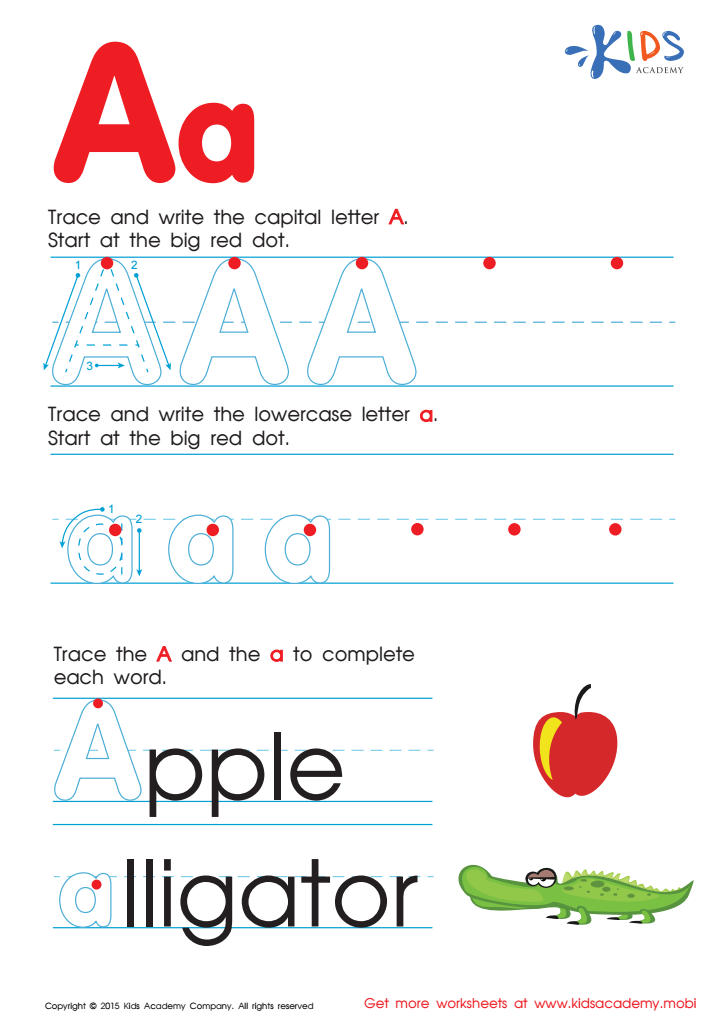
Letter A Tracing Page
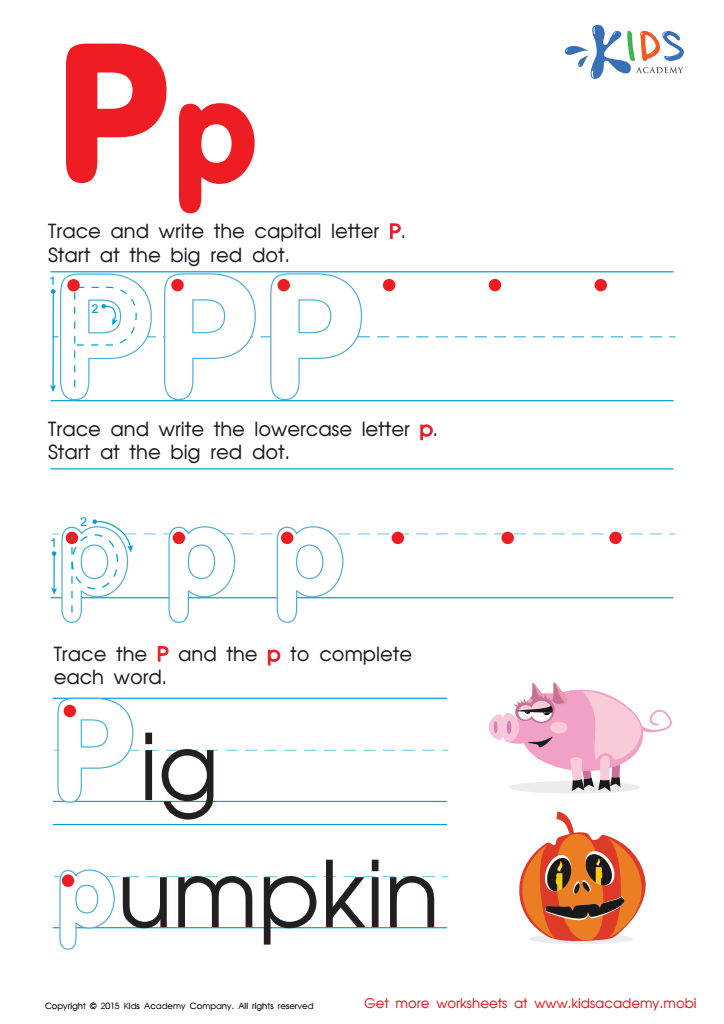
Letter P Tracing Page
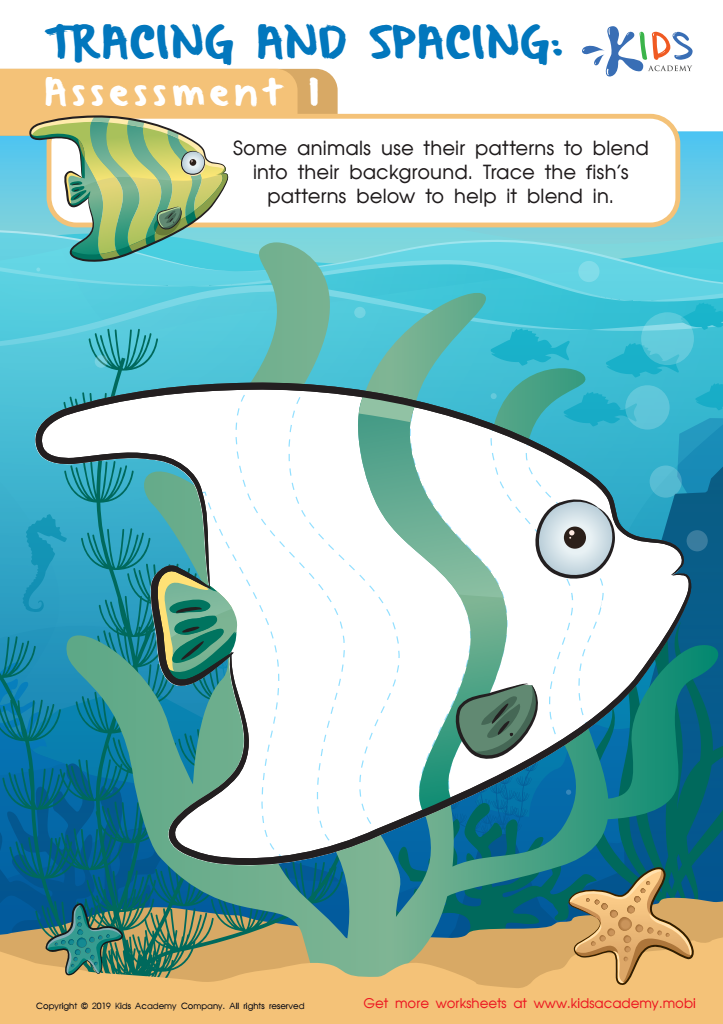
Tracing and Spacing: Assessment 1 Worksheet
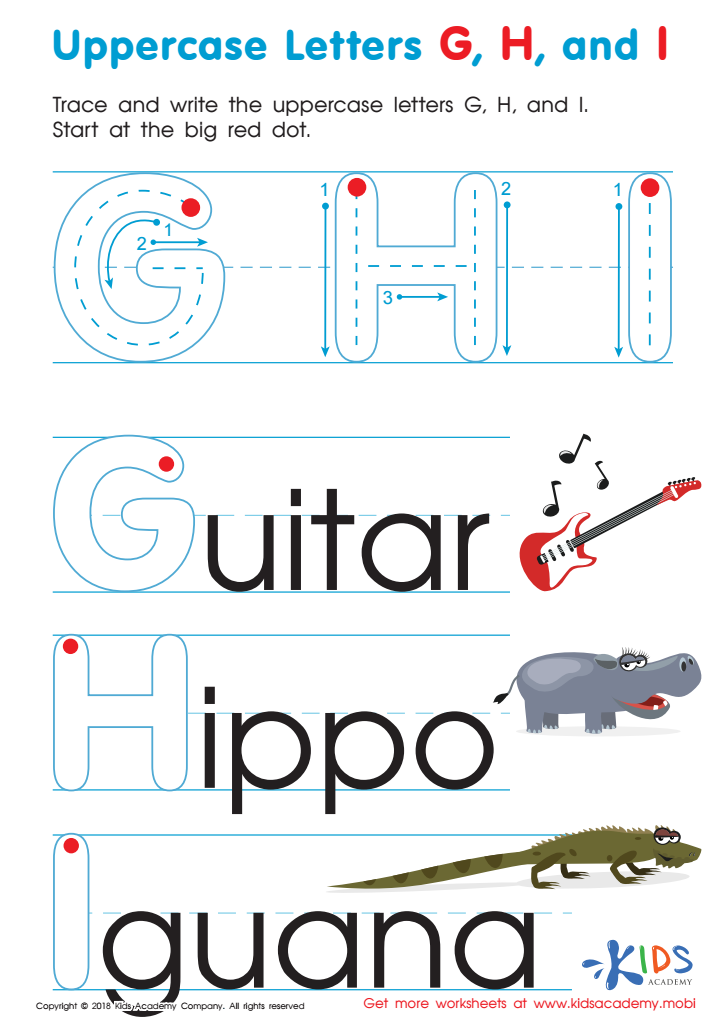
Uppercase Letters G, H, and I Worksheet
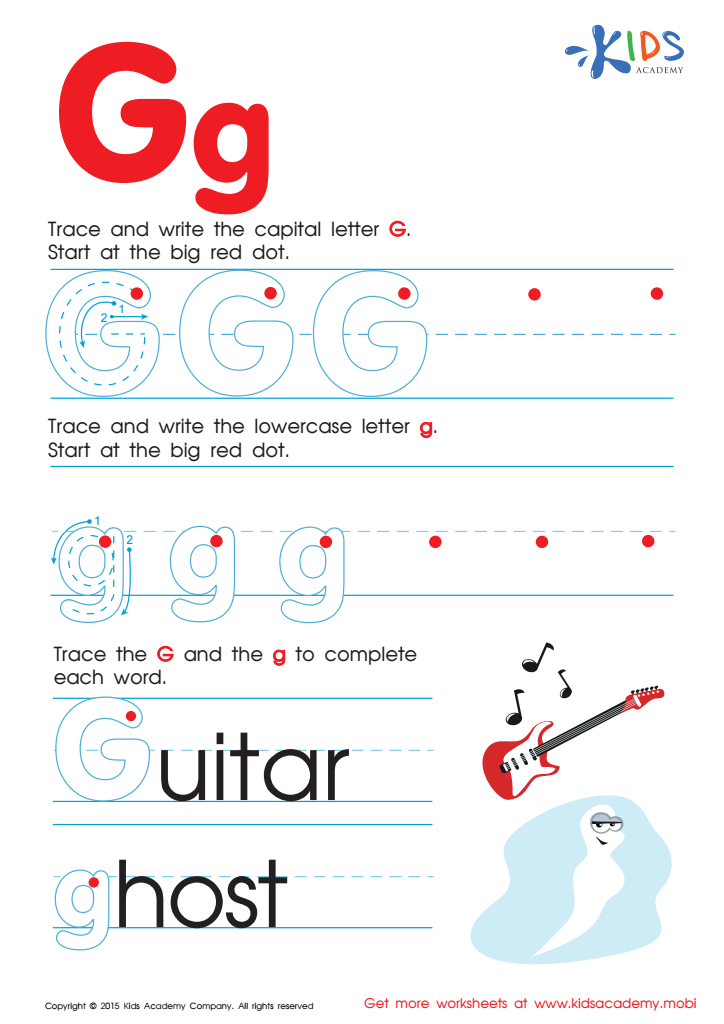
Letter G Tracing Page
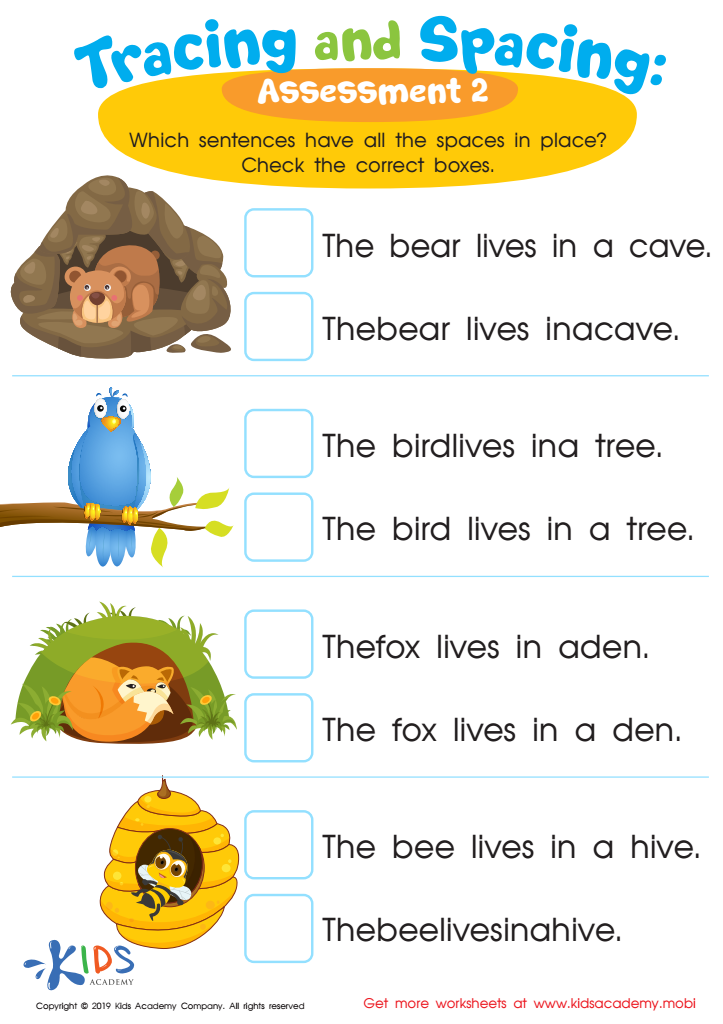
Tracing and Spacing: Assessment 2 Worksheet
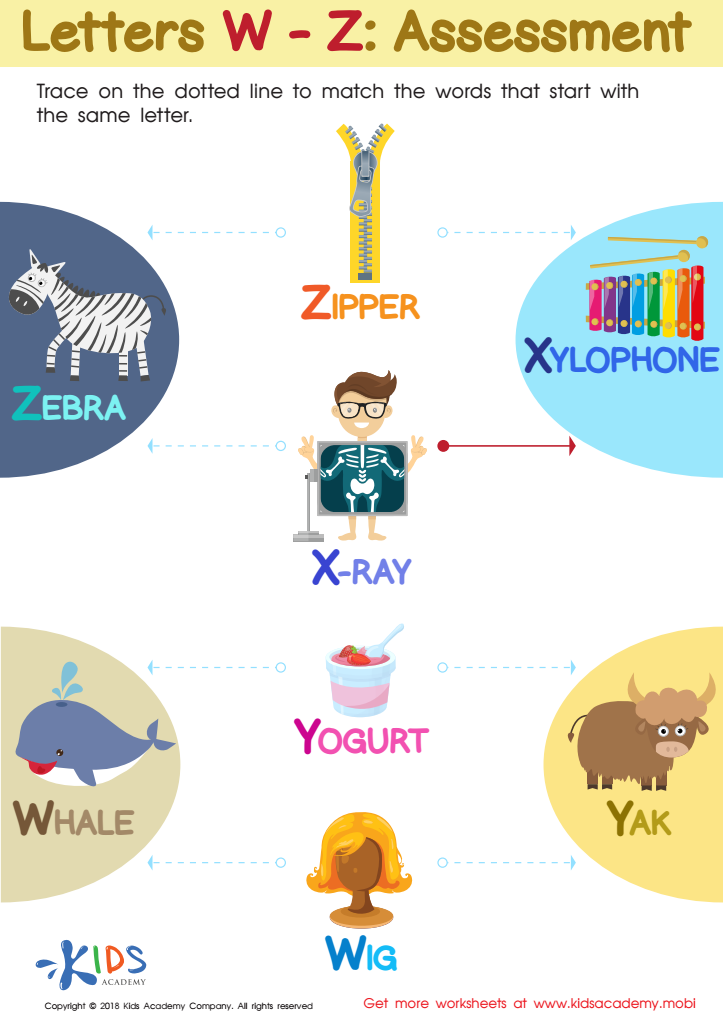
Letters W–Z Tracing Worksheet
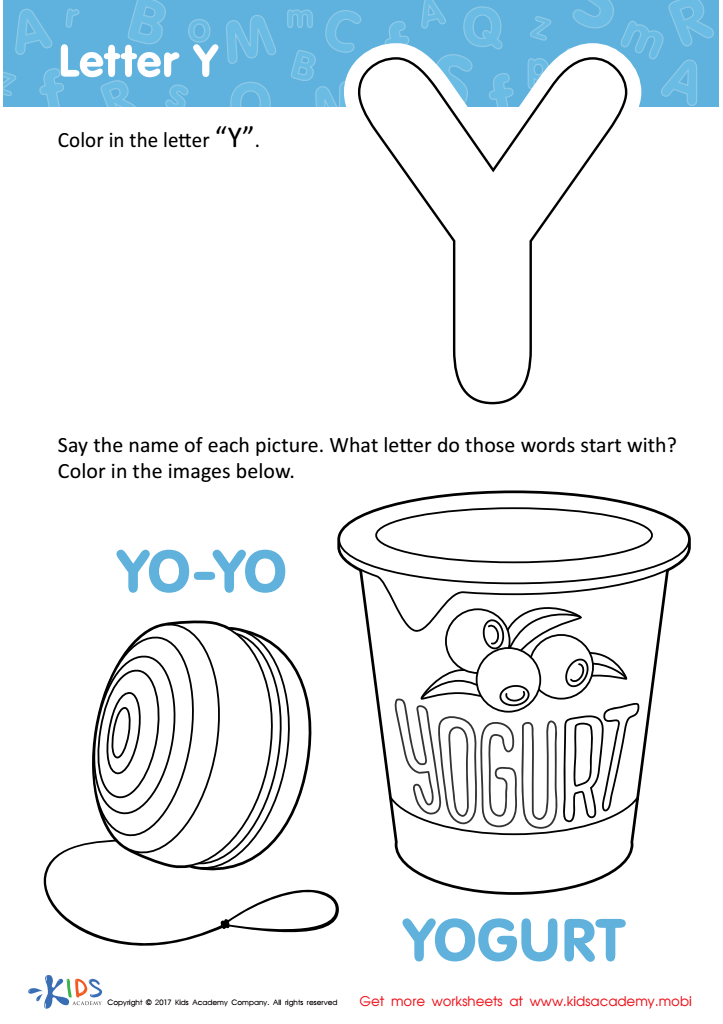
Letter Y Coloring Sheet
 Assign to My Students
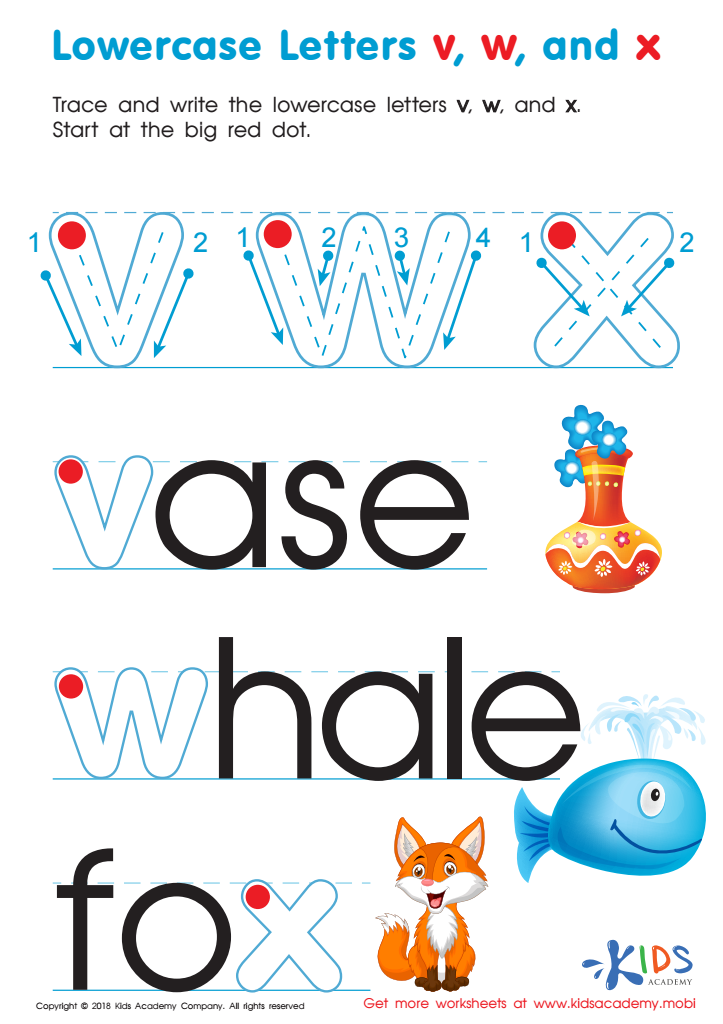
Lowercase Letters v w x Worksheet
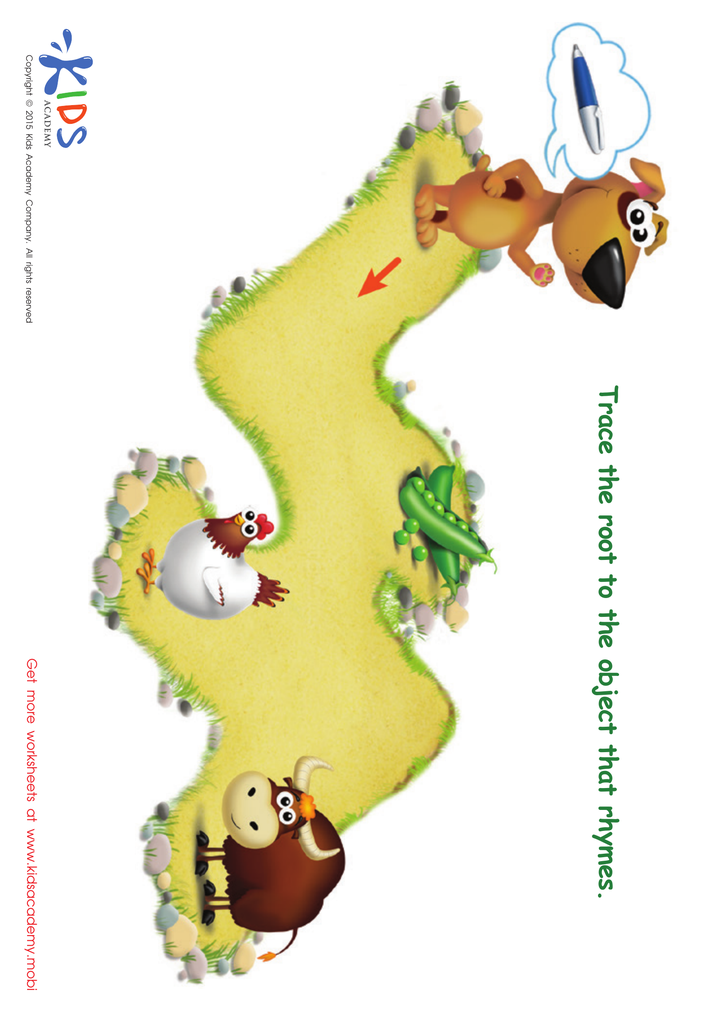
Pen Rhyming Words Worksheet








Letter formation is a crucial aspect of early writing development for children aged 3-4. During this formative stage, preschoolers are developing fine motor skills and hand-eye coordination—skills integral to writing. Teaching children how to properly form letters sets a foundation for their literacy capabilities. When children learn the correct formation of letters, they tend to write more fluidly, gaining confidence and motivation in their writing abilities.
Additionally, understanding letter formation can aid in distinguishing between similar-looking letters, which is essential for reading and spelling as they progress in their education. A strong starting point can mitigate future difficulties, leading to a smoother transition into formal schooling. Moreover, parents and teachers boost cognitive development and create a fun learning environment when they emphasize letter formation, using engaging activities like tracing and play-dough letters.
Lastly, approaches focused on letter formation can foster a love for language and communication, which is vital in a child's overall development. By prioritizing letter formation, parents and teachers are not just teaching letters but are nurturing creative, confident little writers prepared for future academic challenges. Thus, embracing these early language skills contributes significantly to a child’s educational journey.








