Math skills development Worksheets for Ages 3-4
3 filtered results
-
From - To
Discover our engaging Math Skills Development Worksheets for children ages 3-4, designed to lay a strong foundation in early mathematics! These interactive worksheets help young learners explore essential concepts like counting, number recognition, basic addition, and subtraction, all through fun activities tailored to their developmental stage. Our resources encourage curiosity and strengthen problem-solving abilities, making math enjoyable and accessible. Ideal for preschool educators and parents alike, these worksheets promote hands-on learning and foster a love for mathematics. Start your child's journey to math proficiency today with our thoughtfully crafted worksheets that inspire learning through play and exploration!
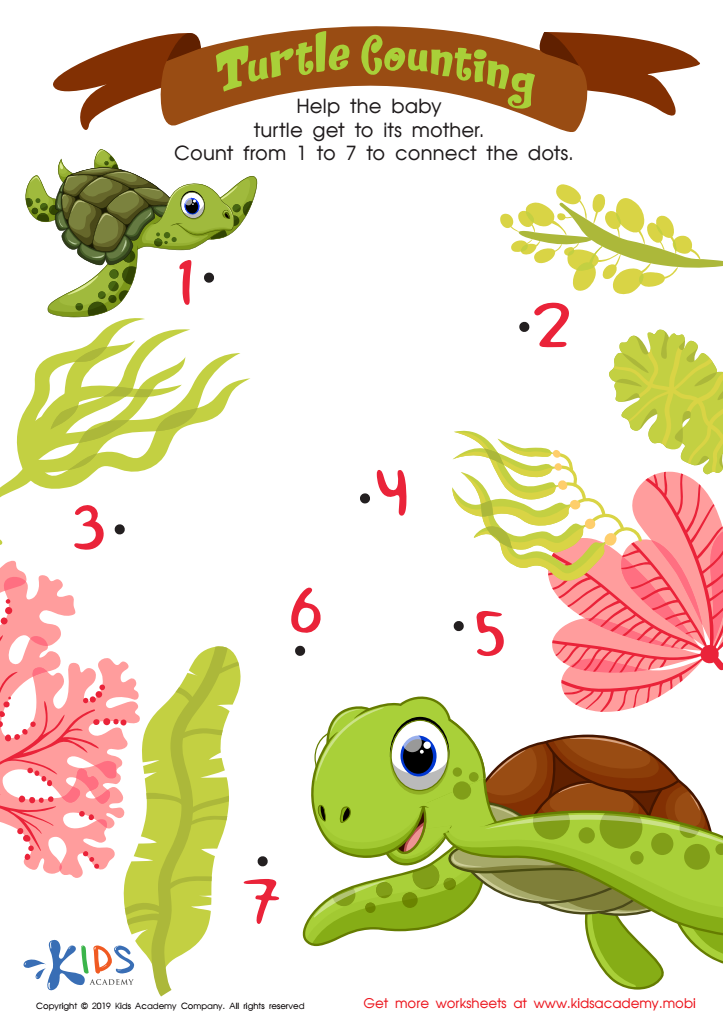
Turtle Counting Worksheet
 Assign to My Students
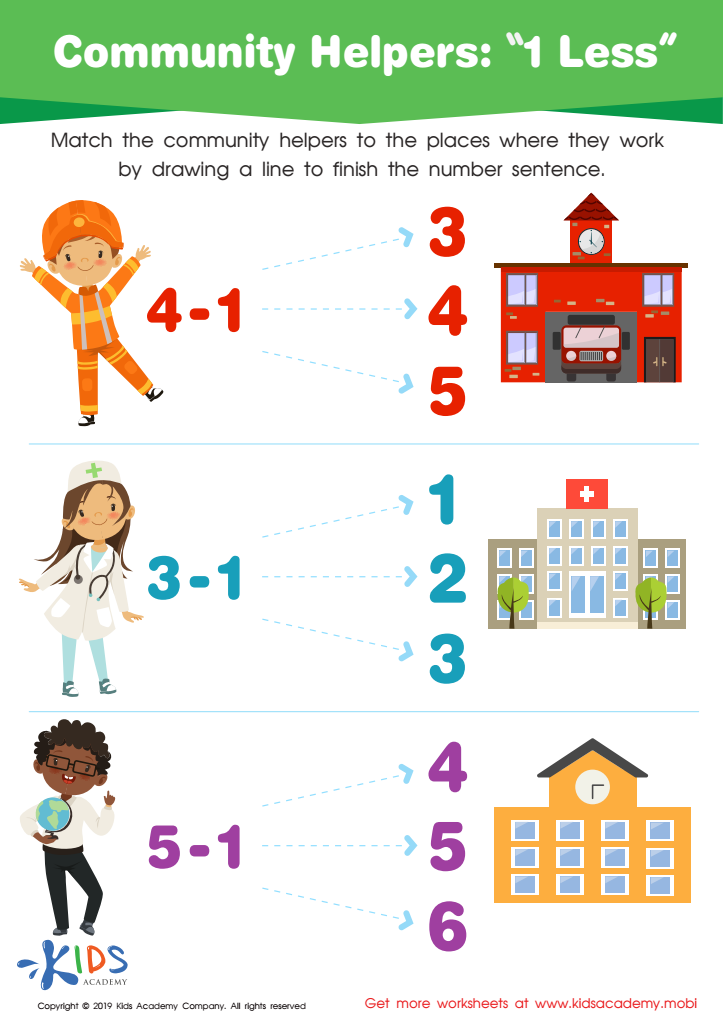
Community Helpers: 1 less Worksheet
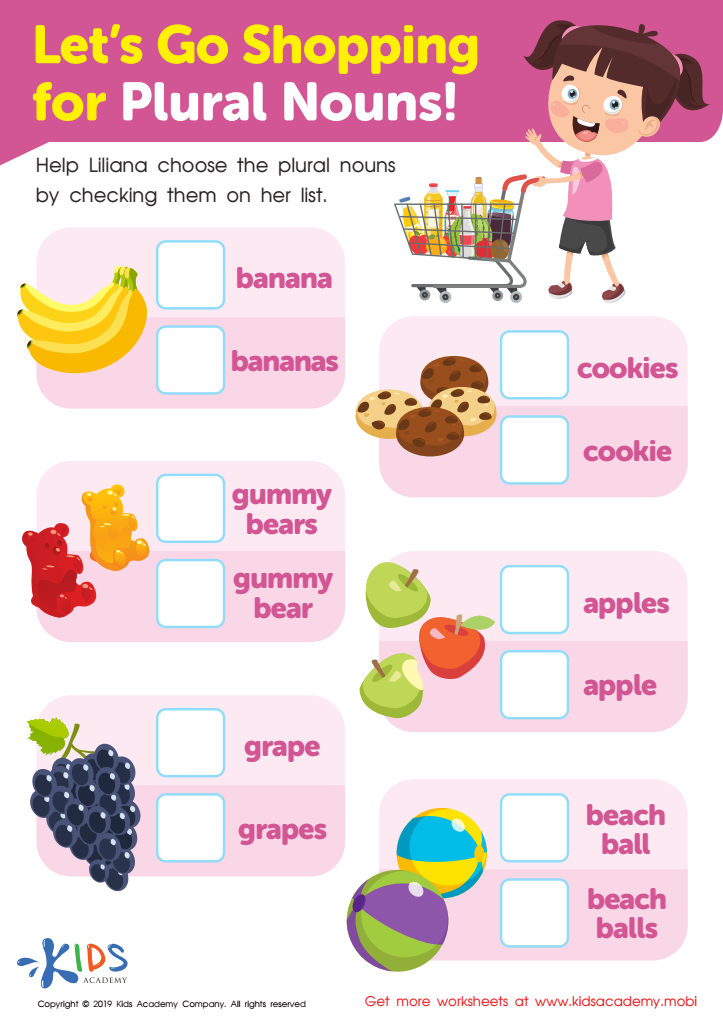
Let's Go Shopping for Plural Nouns! Worksheet








Developing math skills in children aged 3-4 is crucial for their long-term academic success and overall cognitive development. At this age, children are naturally curious and eager to learn about the world around them. Introducing foundational math concepts—such as counting, measuring, and recognizing patterns—nurtures their critical thinking and problem-solving abilities. These early experiences help them build a solid mathematical foundation that is essential for later learning.
Furthermore, math skills are closely linked to other areas of development, including language acquisition and even emotional intelligence. Engaging in math-focused activities can enhance communication and social skills as children become familiar with concepts of comparison, quantity, and space. Additionally, positive early exposure to math decreases the likelihood of math anxiety, equipping children with the confidence they need to approach complex concepts in later years.
Finally, parents and teachers play a vital role in creating a supportive environment for math exploration. By incorporating math into everyday activities—like cooking, shopping, or playing games—they can demonstrate the practical significance of math in life. This early encouragement fosters a lifelong appreciation for the subject and helps forge future academic and career pathways. In essence, investing time in math skill development at this tender age lays the groundwork for thriving future learners.








