Phonics skills development Worksheets for Ages 3-4
5 filtered results
-
From - To
Discover engaging Phonics Skills Development Worksheets designed for children aged 3-4. These interactive resources help your little ones master the foundational elements of phonics through fun activities and colorful illustrations. Our worksheets focus on letter recognition, sound association, and blending sounds, laying a strong groundwork for early reading skills. Ideal for both parents and educators, these printable worksheets support learning at home or in the classroom. Enhance your child's literacy journey today by exploring our collection of phonics activities that promote essential language skills in an enjoyable way! Visit our website to access these valuable educational tools for your toddler.
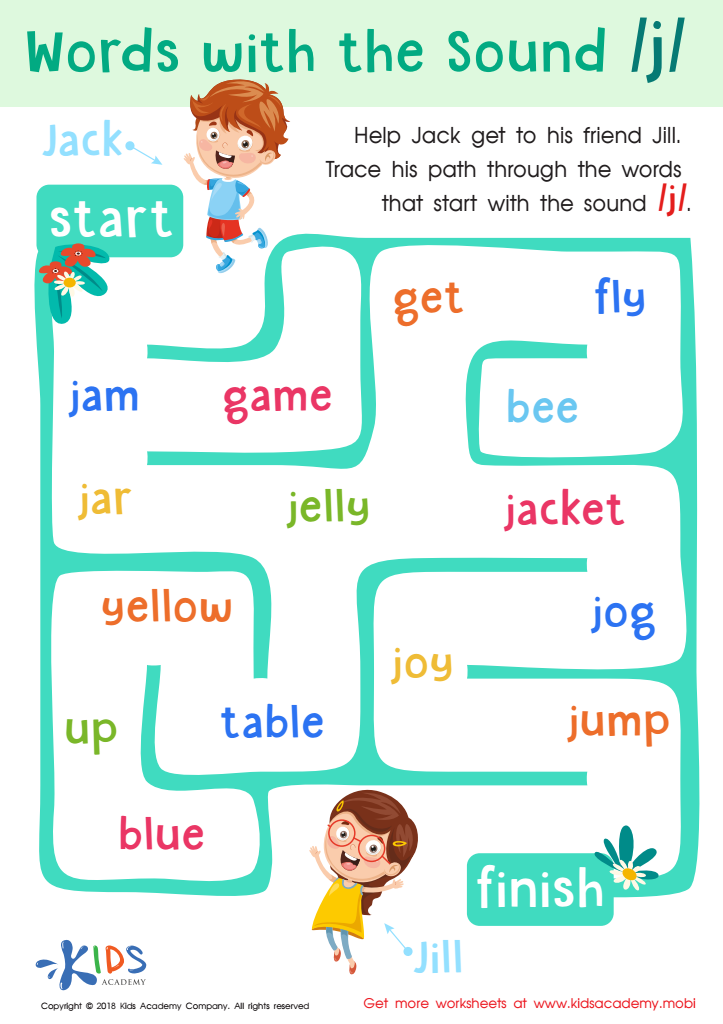
Words with sound j Reading Worksheet
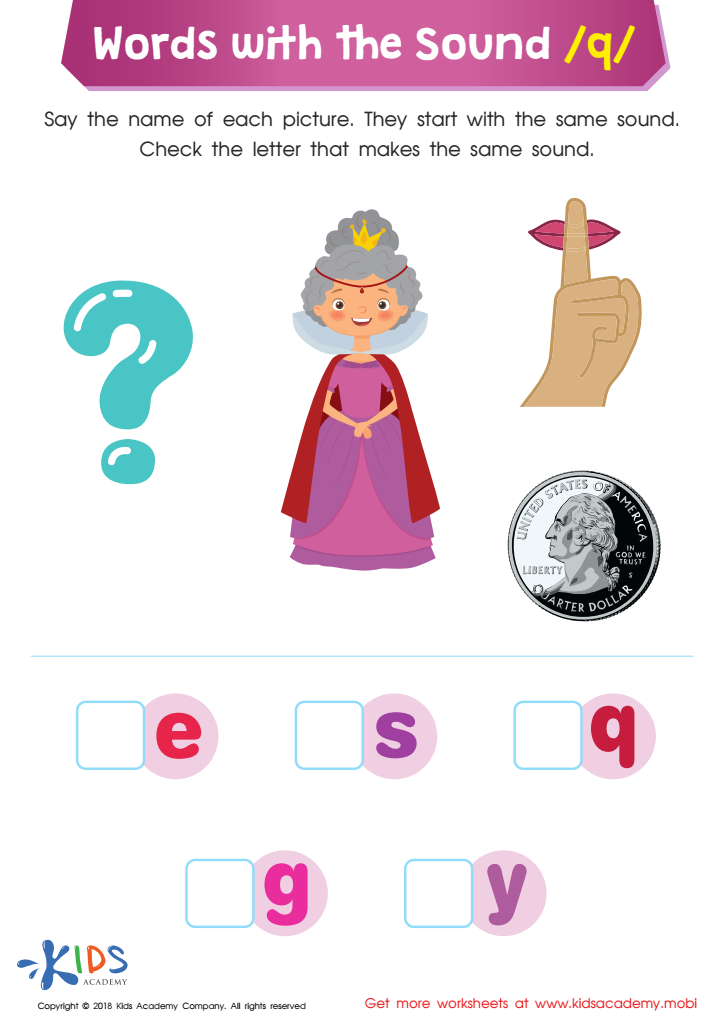
Words with Sound Q Reading Worksheet
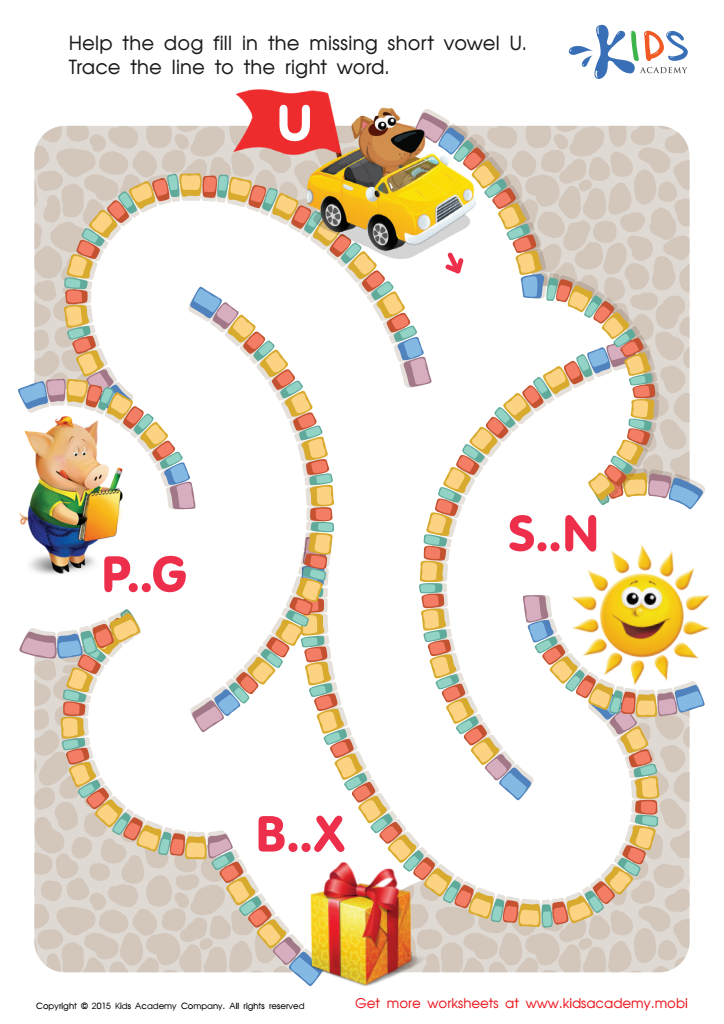
Short Vowel Sound U Worksheet
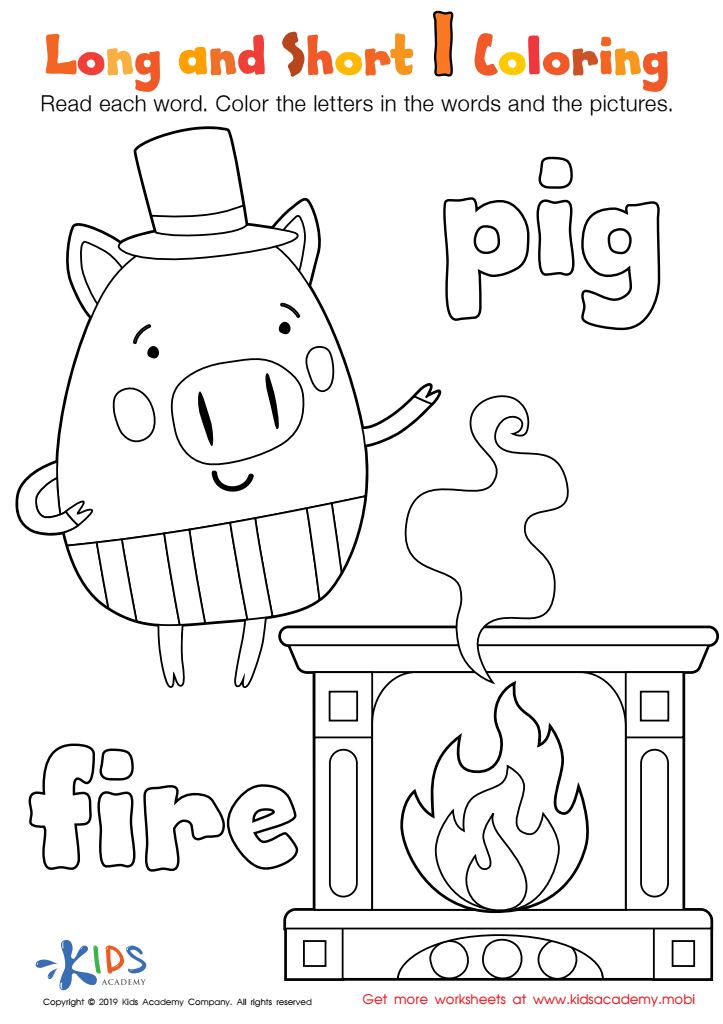
Long and Short I Worksheet
 Assign to My Students
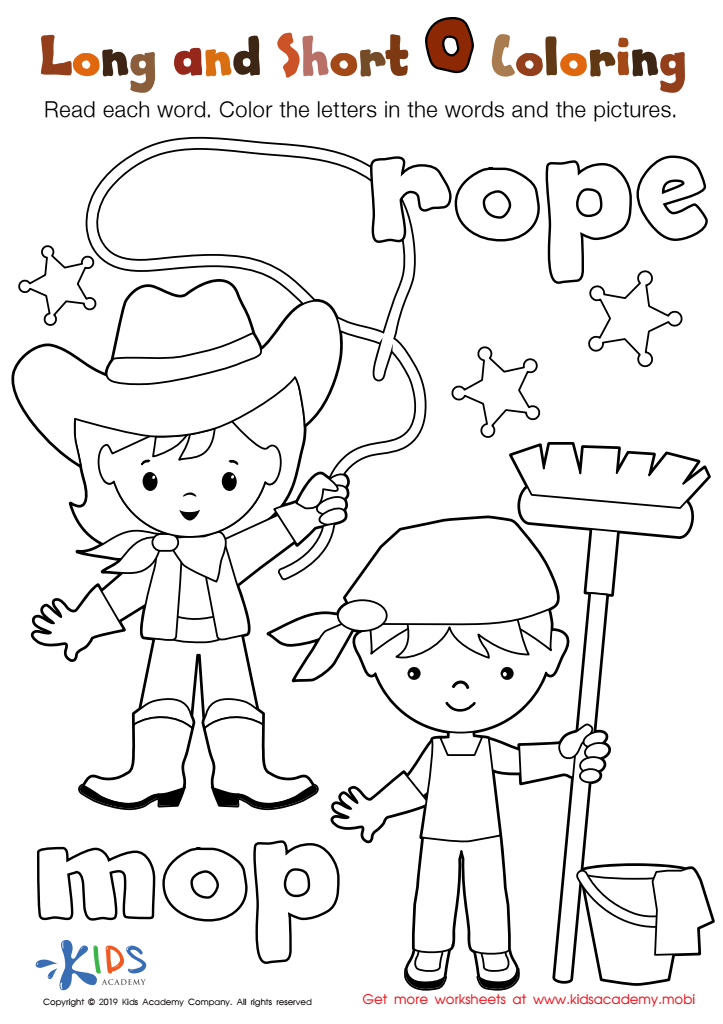
Long and Short O Worksheet
Assign to My Students








Phonics skills development in young children aged 3-4 is crucial for laying a solid foundation for literacy. At this age, children are beginning to explore language and develop essential pre-reading skills. Phonics instruction helps them connect sounds with letters, which is fundamental for reading and writing. By engaging in phonics activities, such as rhyming games and sound recognition, young children develop auditory skills necessary for distinguishing and articulating different sounds.
Moreover, phonics skills enhance children's overall language development. As they learn to identify and manipulate sounds, their vocabulary grows, improving comprehension and expression. This not only empowers them in their reading journey but also nurtures confidence in their communication abilities.
In addition, beginning phonics instruction promotes a love for reading. When children practice phonics in playful, engaging ways, they form positive associations with literacy, motivating them to read independently.
For parents and teachers, supporting phonics development means equipping children with tools they need for future academic success. Early intervention in phonics can help prevent later difficulties in learning to read, ensuring that children are well-prepared to become competent and confident readers as they progress in their education.








