Phonics Skills Worksheets for Ages 3-4 - Page 2
33 filtered results
-
From - To
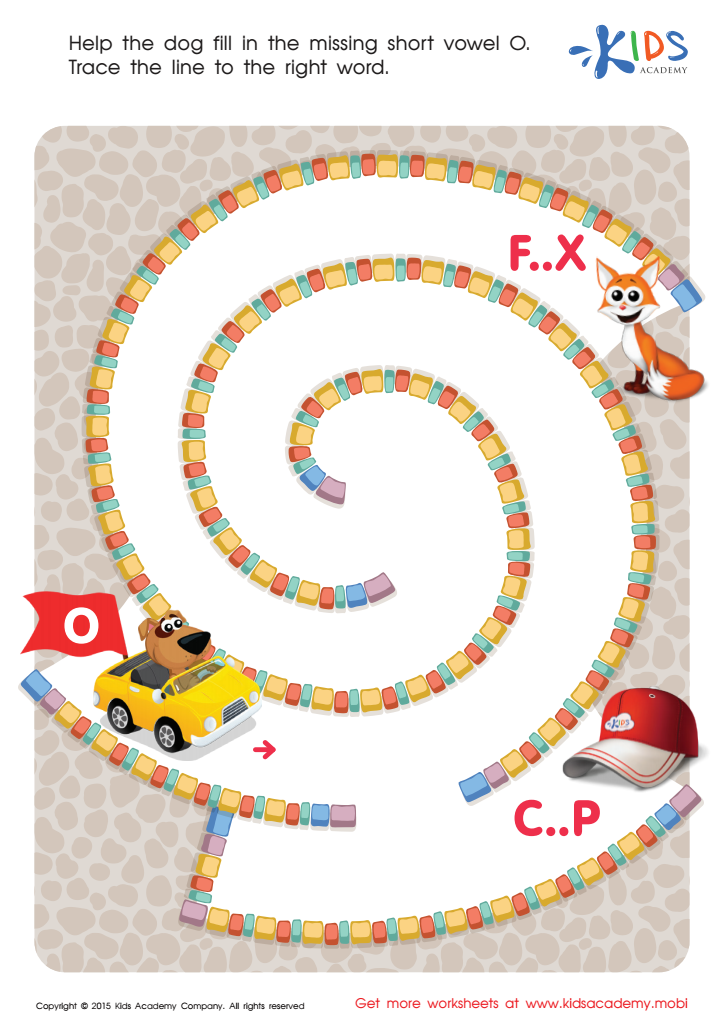
Short Vowel Sound O Worksheet
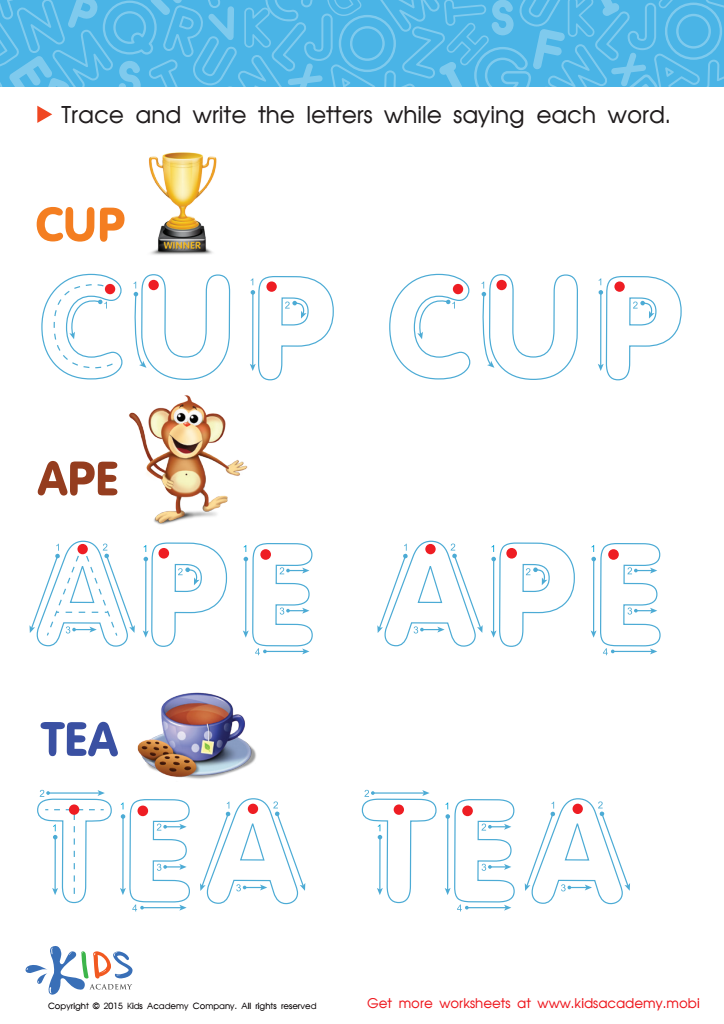
A Cup, an Ape and Tea Spelling Worksheet
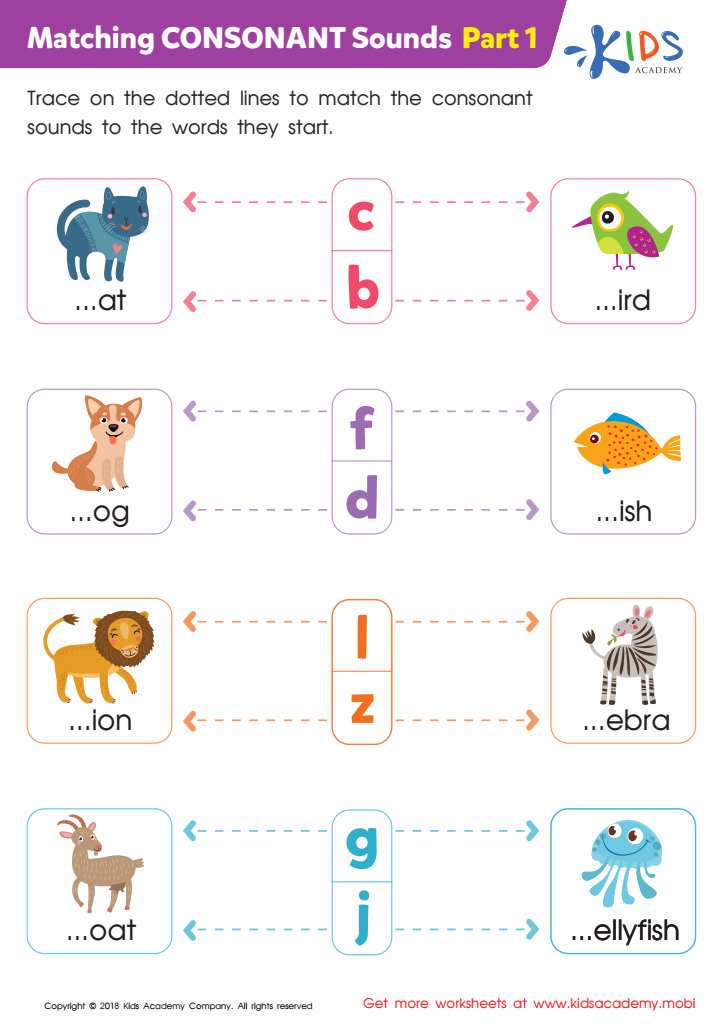
Matching Consonant Sounds: Part 1 Worksheet
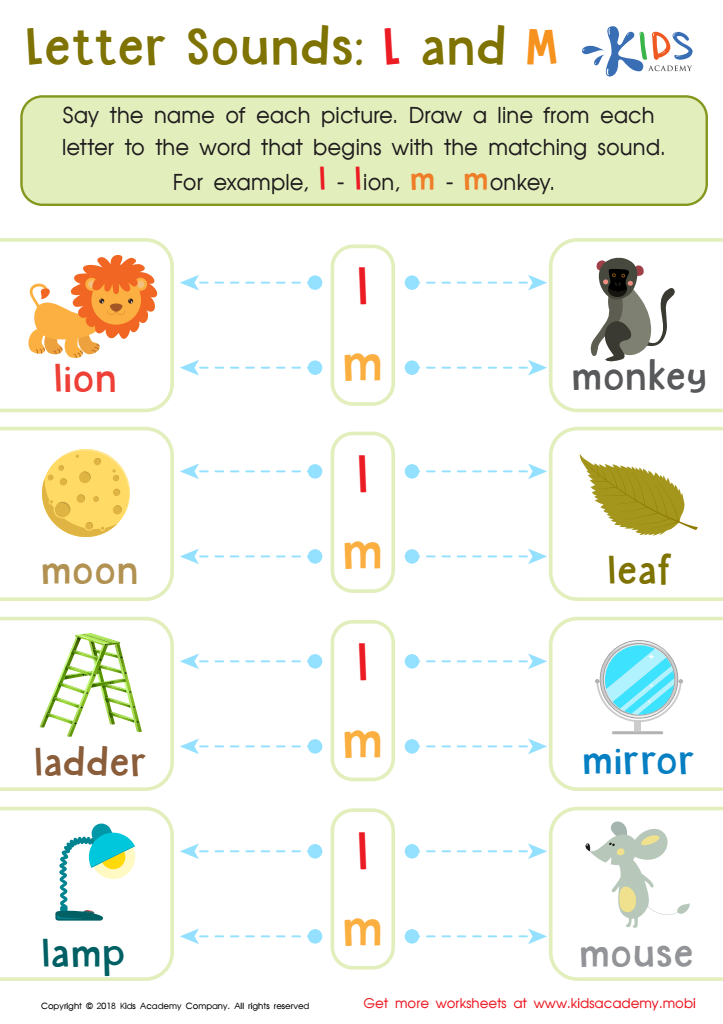
Letter l and M Sounds Worksheet
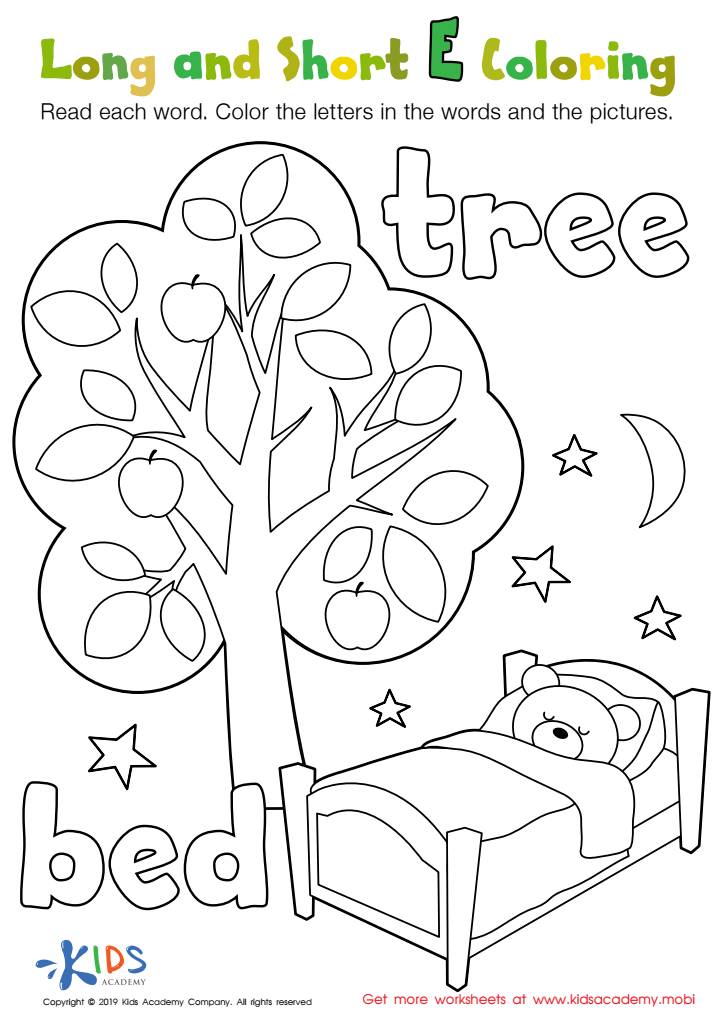
Long and Short E Worksheet
 Assign to My Students
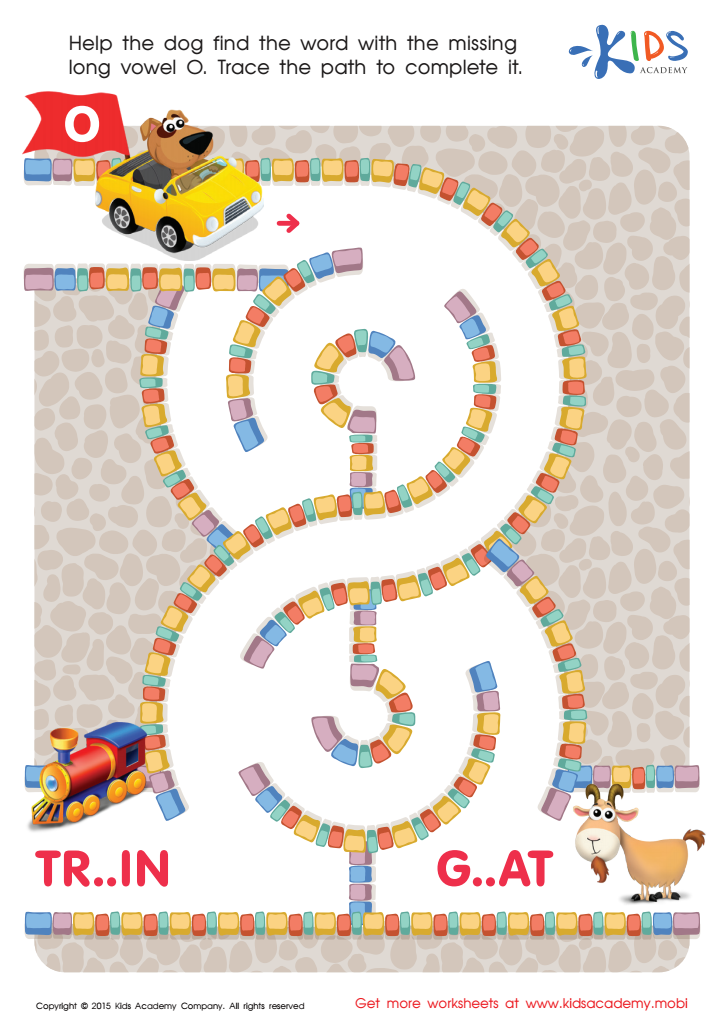
Long Vowel Sound O Worksheet
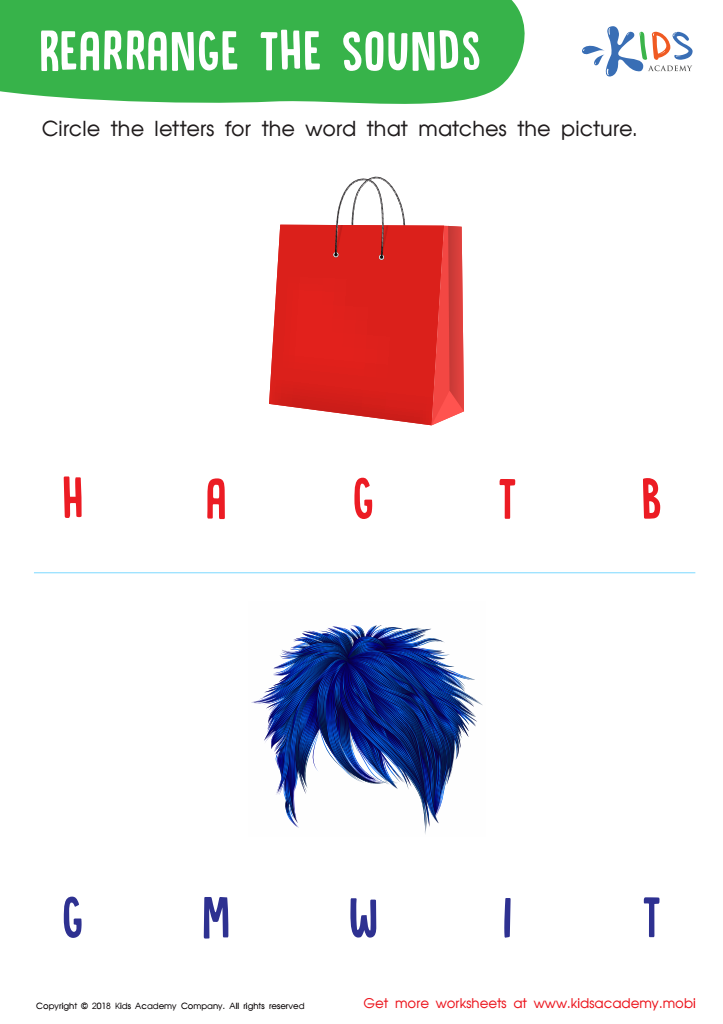
Rearrange the Sounds Worksheet
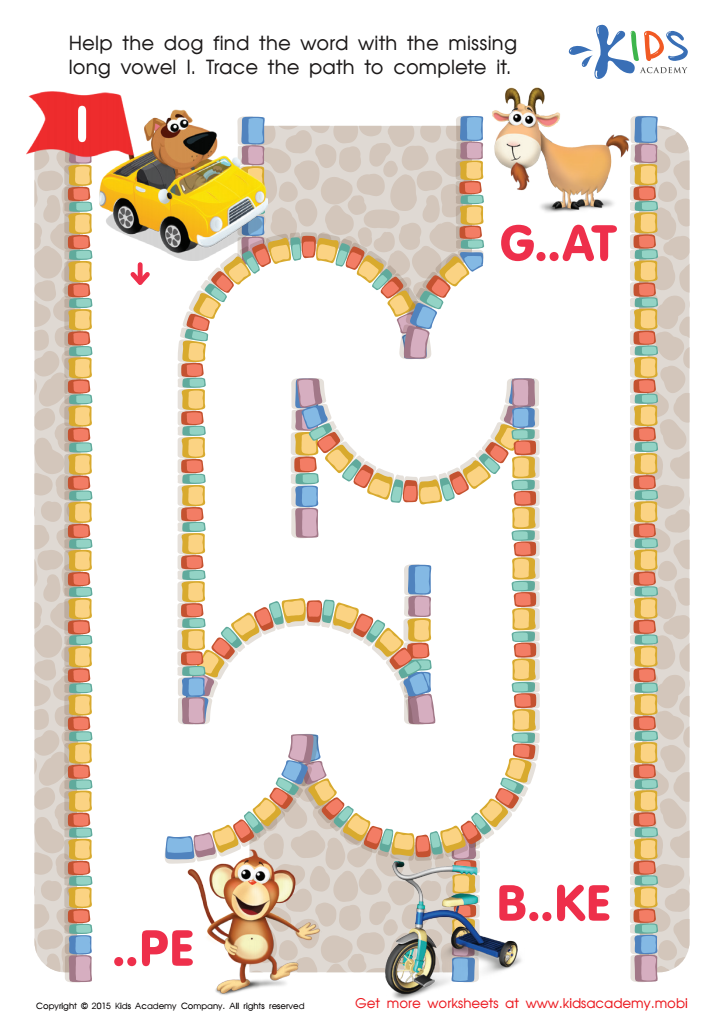
Long Vowel Sound I Worksheet
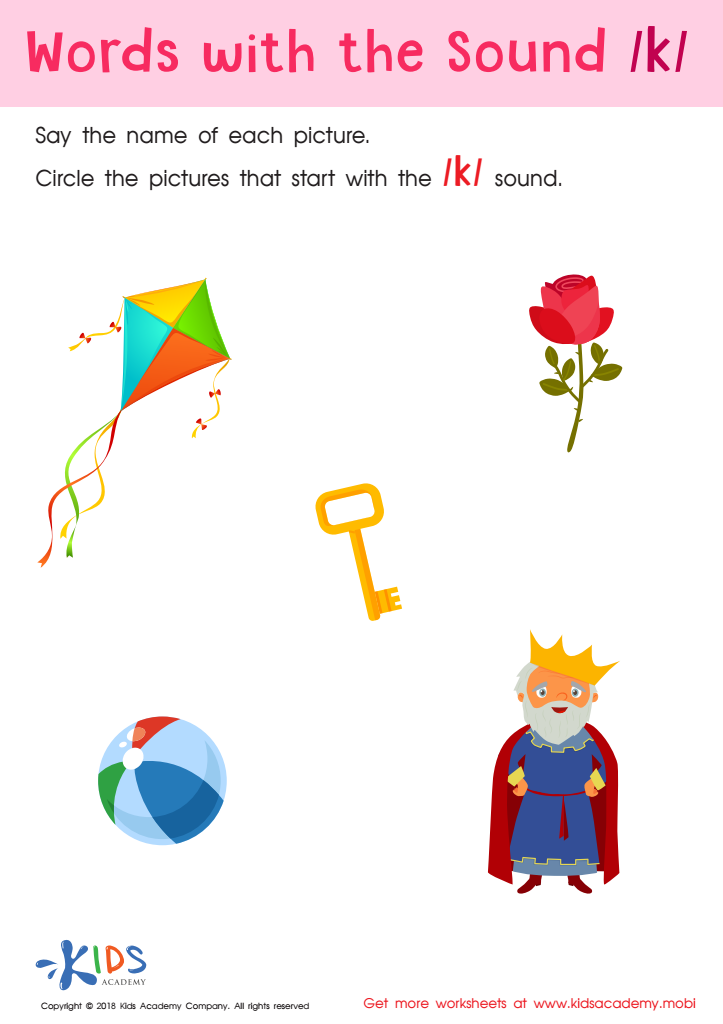
Words with sound k Reading Worksheet








Phonics skills are fundamental for the linguistic and cognitive development of children ages 3-4. During these formative years, children's brains are exceptionally receptive to learning new information, making it an ideal time to introduce phonics. Teaching phonics involves helping children understand the relationship between letters and sounds, which forms the foundation for reading and writing.
Firstly, early phonics education can significantly enhance a child's ability to decode written language, leading to improved reading fluency and comprehension. By recognizing the sounds that letters make and blending them together, children can begin to read simple words, boosting their confidence and setting the stage for future academic success.
Secondly, fostering phonics skills at a young age can also encourage better listening and speaking abilities, as children learn to distinguish between different sounds—a crucial aspect of effective communication. Improved phonemic awareness helps in the development of clearer pronunciation and richer vocabulary.
Finally, a strong foundation in phonics can promote a love for reading by making it enjoyable and accessible. Early success in reading can ignite curiosity and a desire for knowledge, which benefits children across all subjects. Thus, investing time and effort in teaching phonics to 3-4-year-olds is a fundamental step toward fostering well-rounded, literate individuals.








